
Currently Empty: RM0.00

0 Comments
What if a small change to a daily drink could support recovery and overall comfort? This guide looks at the claims and the facts in plain terms for readers in Malaysia.
Hydrogen water benefits backed by science is explored here with clear notes on current research, practical access, and realistic expectations.
The piece explains how hydrogen gas is added to regular water, why some studies point to antioxidant and anti-inflammatory effects, and where evidence remains limited. It highlights options available locally — bottled products, home systems, and dissolvable tablets — and tips for choosing quality.
Wellness Concept serves Malaysia and can help with product choices via WhatsApp at +60123822655. Business hours: Mon–Fri 9:30 am–6:30 pm; Sat–Sun 10 am–5 pm.
Key Takeaways
- Readers will learn what hydrogen water is and how it is produced.
- Early research shows promise, but larger trials are needed for firm conclusions.
- Options in Malaysia include bottled, home systems, and tablets with varying value.
- Safety concerns are low; realistic expectations matter for overall health.
- Contact Wellness Concept on WhatsApp for local guidance and product help.
Hydrogen water 101: what it is and how it works
This section breaks down how regular H2O becomes hydrogen-rich and what that means for everyday use.
From H2O to hydrogen-rich water: the basics
Regular water becomes enriched when molecular hydrogen gas is dissolved into it. The drink still has 0 calories and no macronutrients, though some brands add tiny amounts of vitamins or minerals such as vitamin C or magnesium sulfate.
How molecular hydrogen interacts with the body
Molecular hydrogen consists of very small molecules that diffuse quickly. Because the gas is tasteless and odorless, the liquid feels the same as regular water, yet its properties may interact differently with the body.
Forms you can drink: bottled, home machines, and hydrogen tablets
Common choices include ready-to-drink bottles, home generators that use electrolysis, or dissolvable tablets that release gas through a magnesium reaction. Proper sealing matters because the dissolved gas can escape; drink soon after opening for best effect.
Practical tip: Some protocols suggest consuming on an empty stomach or before meals; users in Malaysia can test timing to see what fits their routine. For local product notes, see hydrogen water options.
Hydrogen water benefits backed by science
Small clinical trials report early changes in oxidative markers after regular intake of dissolved hydrogen, though results vary.
Antioxidant potential and oxidative stress reduction
Some studies show that hydrogen-rich water can lower markers tied to oxidative stress, such as malondialdehyde and oxidative DNA damage. These trials often measure short-term shifts in lab values rather than long-term outcomes.
Anti-inflammatory effects and their impact on wellness
In selected cohorts, researchers observed reduced pro-inflammatory cytokines like TNF-α and IL-6 after using hydrogen-rich drinks. Those changes may relate to improved comfort or quicker recovery for some people.
What research suggests today: promising yet preliminary
“Evidence points to selective antioxidant activity, but human mechanisms remain under study.”
Overall, studies and research are mixed. Many trials are small, use different doses, and run for short periods. That limits certainty about long-term health benefits. Water acts as a convenient vehicle for delivering dissolved gas, so storage and concentration matter for consistent effects.
“Some trials report favourable biomarker changes; others find neutral results.”
- Short-term biomarker reductions are the clearest finding.
- Anti-inflammatory effects appear in specific groups.
- Larger, longer studies are needed before firm conclusions.
Athletic performance, recovery, and fatigue
Athletes often try small tweaks to training day drinks to see if recovery and stamina improve.
Endurance, muscle damage, and post-exercise recovery
Several 2024 reviews report that this type of drink may help reduce fatigue and boost endurance in some trials. Results vary across studies, with some athletes showing lower muscle damage markers and less oxidative stress after intense sessions.
Practical note: outcomes depend on fitness level, exercise type, and trial design. Athletes should track personal results rather than expect uniform gains.
What athletes should know about dosing, timing, and results
Protocols differ. Some trials advised intake before exercise or on an empty stomach, while others used daily dosing to stabilise effects. Sealed containers keep dissolved levels higher near sessions.
- May help: fatigue reduction and improved endurance in select studies.
- Timing matters: pre-session or consistent daily use are common approaches.
- Combine with sleep, nutrition, and hydration basics for best results.
“Athletes should see this as one tool among many and log responses over 4–6 weeks.”
| Focus | Typical Protocol | Observed Results | Practical Tip |
|---|---|---|---|
| Endurance | Pre-session drink or daily use | Some trials show increased time to exhaustion | Use sealed bottles near workouts |
| Muscle damage | Post-exercise and daily dosing | Lower CK and inflammation markers in select studies | Pair with protein and carbs during recovery |
| Fatigue | Short-term pre-exercise dosing | Reduced perceived fatigue in some participants | Keep a simple log to test personal response |
Metabolic and clinical insights: what studies report
Clinical trials have tested dissolved gas drinks across metabolic and clinical settings, and results so far are mixed.
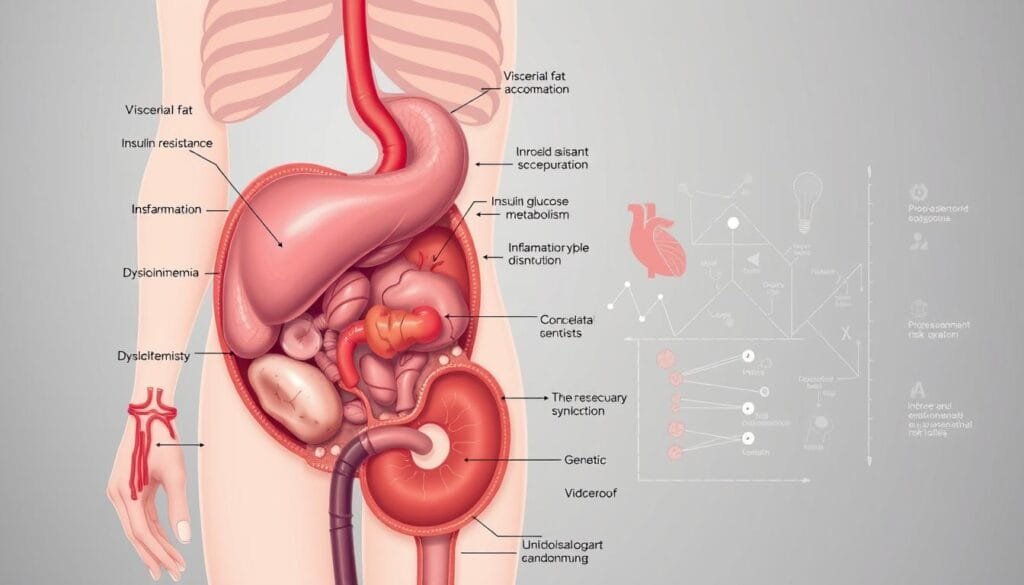
In metabolic syndrome research, select small trials report modest drops in A1c, rises in HDL, and small BMI changes. Other trials found no change in fasting glucose or some blood markers.
Body composition shifts often matched lifestyle changes. That means these drinks should be seen as supportive alongside diet and activity rather than a lone solution.
Early clinical findings in other conditions
Small studies in dialysis patients noted less fatigue and better subjective renal outcomes. A trial during radiation for liver cancer reported improved quality-of-life scores with hydrogen-rich water versus plain water.
Improved liver tests appeared in pilot work on hepatitis B and nonalcoholic fatty liver disease. Yet these are small samples and need replication at larger scale.
“Signals are promising, but larger, standardised trials are required to confirm clinical value.”
| Condition | Typical Protocol | Reported Results |
|---|---|---|
| Metabolic syndrome | Daily intake for weeks | Some A1c, HDL, BMI improvements; mixed blood marker results |
| Dialysis fatigue | Short-term daily dosing | Reduced fatigue and better subjective outcomes |
| Liver disease / radiation support | Adjunct during therapy | Better quality-of-life and improved liver function in small studies |
Takeaway: Early research points to selective effects across conditions. Individuals should review studies with their healthcare provider to match goals and expectations.
Safety, limitations, and realistic expectations
Knowing limits and realistic outcomes is key when someone considers adding a novel drink to their routine.
Overall, hydrogen water is widely viewed as safe for most people when used as part of normal hydration. It has GRAS recognition in discussions and is not linked to major adverse events in trials.
Hydration basics still matter. Regular water intake patterns, electrolyte balance, and sensible fluid timing lead the list of priorities—especially for people who train hard or sweat heavily.
Key safety points
- Safety profiles are favourable; reported effects in the literature are often modest and mixed.
- Drinking beyond physiological needs can cause hyponatremia; this risk comes from total fluid volume, not the dissolved gas.
- Many trials are small and short; larger, long-term studies are needed to clarify who benefits and how much.
- People with chronic disease should consult clinicians before routine use to fit it into existing care plans.
“Focus on consistent lifestyle habits first; novel options may add small gains for some people.”
How to choose and consume hydrogen water
Practical choices—pre-bottled cans, a home generator, or dissolvable tablets—shape daily routine and cost.
Making at home vs buying ready-to-drink
Ready-to-drink options suit busy schedules but often cost more per serving. Check seals and packaging that preserve dissolved gas and listed concentrations.
Home systems use electrolysis to generate molecular hydrogen on demand. They require upkeep, yet they lower long-term per-serving cost for regular users.
Tablets: convenience, cost, and use
Dissolvable tablets are portable and predictable. A pack of 30 tablets can cost around US$90, which may be cheaper than cans for some routines.
Best practices: timing, storage, and maintaining levels
- Drink soon after opening or preparation to retain dissolved molecules and levels.
- Use well-sealed bottles and avoid shaking; this limits gas loss.
- Many users try intake before meals or workouts to assess effects on recovery and inflammation.
- Compare device cost, per-can price, and tablet expense to match wellness goals and daily habits.
“Start with a simple plan: track servings, timing, and any changes in health or performance.”
Myths vs facts: separating hype from evidence
Many claims out there mix hope with hard data, so separating marketing from measured outcomes is essential.
Common misconceptions about regular water vs hydrogen water
Myth: this drink is a miracle cure for disease.
Fact: current studies show shifts in some lab markers but do not prove cures for diseases.
Myth: all bottles are identical.
Fact: hydrogen water differs because it contains dissolved gas; packaging and timing affect levels.
What current studies do—and don’t—show
Small studies and early research report reduced oxidative and inflammatory markers in select groups. Those results suggest potential health benefits for stress and recovery in some people.
However, trials vary in dose, duration, and population. That explains mixed results across research and why larger, standardised studies are needed.
“Evidence points to measurable effects in context, not universal solutions.”
- Safety looks good in trials; general hydration rules still apply.
- Athletes may see benefit sometimes; outcomes depend on context.
- For cost-conscious users, try tablets or cans before buying a machine.
Hydrogen water in Malaysia with Wellness Concept
Wellness Concept offers local help for Malaysians curious about dissolved gas drinks and how they fit into daily routines.
Contact, availability, and local support: WhatsApp +60123822655. Hours: Mon–Fri 9:30 am–6:30 pm; Sat–Sun 10 am–5 pm. They answer questions about product choice, storage, and realistic expectations.
GRAS recognition and rising interest have made these products common in Malaysia. Affordable paths include sealed cans, home machines, or tablets. For example, a 30-tablet pack can cost about US$90.
- Local guidance: compare sealed cans, tablets, and generators based on budget and use.
- Athletes and active people: timing around exercise can affect perceived recovery and performance.
- Storage tips: sealed packaging and prompt consumption help retain dissolved levels.
“Wellness Concept helps shoppers match research signals to real needs and avoid unrealistic promises.”
For local orders or a quick consult in Malaysia, message WhatsApp +60123822655 during business hours to get tailored advice and after-sales support.
Conclusion
Conclusion
This final note helps readers weigh early signals and real expectations when testing a dissolved-gas drink as part of daily wellness. The evidence from small studies suggests some shifts in oxidative stress, inflammation, and recovery for select groups, but results vary across conditions and trial designs.
Practical advice: start simple, choose sealed cans, a reliable machine, or tablets, and track effects on fatigue and performance over several weeks. Molecular hydrogen levels and prompt consumption matter for consistent outcomes.
For product questions or local guidance in Malaysia, message Wellness Concept on WhatsApp at +60123822655. Hours: Mon–Fri 9:30 am–6:30 pm; Sat–Sun 10 am–5 pm.
FAQ
What is molecular hydrogen-rich water and how does it differ from regular H2O?
It is ordinary H2O that contains dissolved molecular hydrogen gas. The extra dissolved gas creates antioxidant-like effects in lab and small human studies. Unlike plain drinking fluids, this product aims to deliver tiny, breathable H2 molecules that may help reduce oxidative stress without altering basic hydration.
How does molecular hydrogen interact with the body?
After ingestion, dissolved H2 diffuses quickly across tissues and into cells. It can neutralize select reactive oxygen species and modulate cell signaling pathways tied to inflammation and metabolism. Results in humans vary by dose, delivery form, and individual health status.
What forms are available for daily use?
Consumers can choose bottled ready-to-drink options, countertop generators that infuse gas into tap fluids, or effervescent tablets that release H2 when dissolved. Each offers trade-offs in convenience, initial cost, and how long dissolved gas remains at effective levels.
What does research say about antioxidant effects and oxidative stress?
Multiple small trials and animal studies report reductions in markers of oxidative damage and improved antioxidant capacity. Findings are promising but often limited by sample size and study duration, so larger clinical trials are needed to confirm long-term clinical benefit.
Are there anti-inflammatory effects supported by studies?
Several studies indicate decreased inflammatory markers after short-term use in conditions like metabolic syndrome or after intense exercise. The effects appear modest and context-dependent, so they should be seen as complementary to established anti-inflammatory strategies.
Can this support athletic performance and recovery?
Some athletes experience less muscle soreness, reduced markers of muscle damage, and faster perceived recovery when using H2-rich drinks around training. Benefits depend on timing, concentration, and the sport; results are mixed and not guaranteed for every athlete.
How should athletes approach dosing and timing?
Practical approaches include consuming a serving before and/or immediately after exercise. Doses used in studies vary, so athletes may experiment within manufacturer guidelines. Consistency and pairing with good nutrition and rest remain crucial for meaningful results.
Are there metabolic or clinical benefits for conditions like metabolic syndrome?
Early trials report improvements in blood lipids, glucose control, and markers of liver stress in some participants. These are preliminary findings and should complement—not replace—medical care, dietary changes, and physical activity.
Has research explored use during dialysis, liver disease, or radiation therapy?
Small studies suggest potential protective effects on dialysis-related oxidative stress, liver function markers, and radiation-induced tissue damage. Evidence is still emerging and not yet robust enough for routine clinical recommendation.
Is this approach safe and recognized by regulators?
Short-term use appears well tolerated in studies, and certain preparations hold GRAS or similar statuses in some regions. Long-term safety data remain limited, so people with serious health conditions should consult a clinician before regular use.
Should this replace plain drinking fluids for hydration?
No. Regular hydration with plain fluids remains essential. H2-rich products are intended as an adjunct, not a substitute for meeting daily fluid needs or a healthy diet and lifestyle.
How does making it at home compare to buying bottles or tablets?
Home generators offer lower per-serving cost and steady access but require maintenance. Bottled options are convenient and consistent but pricier. Effervescent tablets sit between those choices — portable and affordable but dependent on tablet quality and storage.
What are best practices for storage and maintaining dissolved gas levels?
Store sealed products upright, cool, and away from light. Consume soon after opening for maximum dissolved gas. For home-generated drinks, use tight-sealed containers and drink within recommended time frames to preserve concentration.
Are common claims exaggerated or supported by evidence?
Some marketing overstates effects. Evidence supports possible reductions in oxidative stress and modest improvements in specific outcomes, but claims of curing disease or dramatic performance boosts are not supported by large-scale trials.
Where can people in Malaysia learn more or purchase products?
Wellness Concept provides local availability and support. Contact via WhatsApp +60123822655, Monday–Friday 9:30 am–6:30 pm and Saturday–Sunday 10 am–5 pm for product details and customer service.