
Currently Empty: RM0.00
0 Comments
Could a simple glass change how Malaysians think about hydration? This introduction invites a closer look at hydrogen water and what sets it apart from regular bottled options.
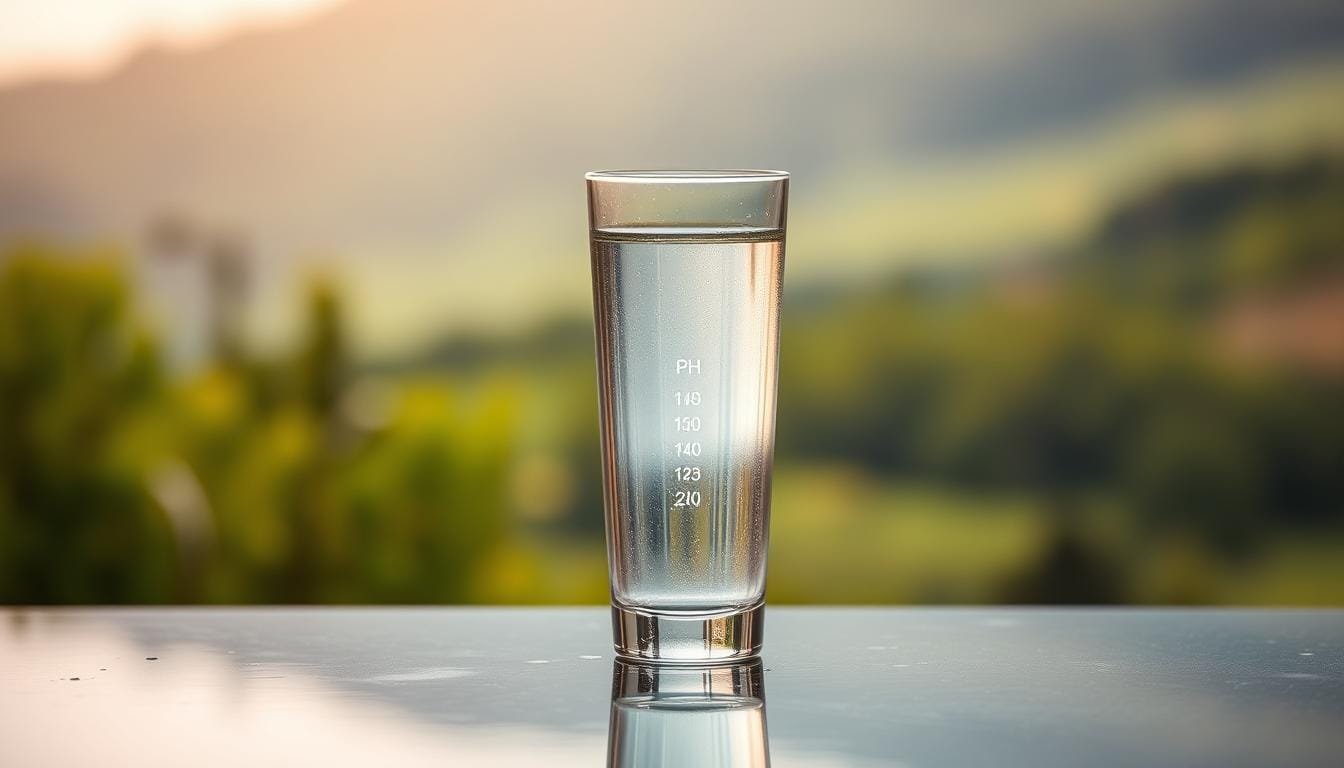
Hydrogen water is plain water with dissolved hydrogen gas. It does not automatically alter acidity unless minerals or ionizers add alkaline ions. Pure water sits near neutral at pH seven, while treated versions may read around eight to 8.5. Those values still fall inside common potable ranges.
Because hydrogen is volatile, it escapes quickly. Boiling drives it off, so people should drink soon after pouring for best effect. Producers infuse gas in several ways, and that affects taste, storage, and stability.
Wellness Concept offers friendly guidance across Malaysia. For device advice or daily routines, chat on WhatsApp at +60123822655 during business hours.
Key Takeaways
- Hydrogen water contains dissolved gas but does not by itself raise alkalinity.
- Minerals or ionizers cause higher readings near eight to 8.5.
- Dissolved hydrogen fades with time and heat; drink soon after pouring.
- Claims of benefits include antioxidant support and recovery, but expectations should stay realistic.
- Wellness Concept can help Malaysians choose and use devices safely via WhatsApp support.
Understanding Hydrogen Water Today: Definitions, Making Methods, and Why pH Matters
Diverse systems produce hydrogen-enriched drinking liquid while keeping its look and taste unchanged.
What it is and how dissolved gas differs from minerals
Hydrogen water refers to water containing dissolved hydrogen gas. This content does not equal mineral or ion changes. Minerals and alkaline ions shift acidity. Dissolved gas alone does not raise alkalinity.
Common production methods
One common process is electrolysis. Devices split molecules into hydrogen and oxygen, then return H2 into the liquid. Producers also use pressurized infusion to load gas more consistently.
Why acidity and alkaline talk matter
Many wellness claims focus on alkalinity because ions control pH readings. When systems advertise alkaline ionized hydrogen, ions — not dissolved gas — cause higher readings near 8–8.5.
- Visual and taste: nearly identical to plain tap water.
- Best practice: drink soon after pouring to retain dissolved content.
- Local help: experts at Wellness Concept advise Malaysians via WhatsApp +60123822655, Mon–Fri 9:30–18:30; Sat–Sun 10:00–17:00.
| Method | How it works | Effect on alkalinity |
|---|---|---|
| Electrolysis | Splits molecules, dissolves H2 back into liquid | None unless ionization added |
| Pressurized infusion | Forces H2 into solution under pressure | None by gas alone |
| Ionizer systems | Add ions while producing H2 in some setups | Can raise alkalinity (ions cause change) |
What is the pH of hydrogen water?
Measurements for gas-infused drinking liquids often vary with supply and device type.
Typical ranges and common readings
Most tests place hydrogen water near neutral. In practice many bottles sit around pH 6–7. Regional source minerals can nudge that reading slightly lower or higher.
Factors that shift acidity
Mineral content, ionization settings and old filters change results. Ionized hydrogen water or alkaline ionized hydrogen systems add ions that raise levels toward 8–8.5.
Myth-busting
Dissolved gas alone does not raise acidity. Hydrogen content does not change acidity; added ions do. Filter age can lower dissolved content and alter home readings indirectly.
- Check local source quality; Malaysian supplies vary by region.
- Choose neutral or alkaline systems based on goals, not assumptions.
- For help interpreting home readings, message Wellness Concept at +60123822655 during business hours.
| Scenario | Typical reading | Why |
|---|---|---|
| Neutral hydrogen-only | pH 6–7 | Dissolved gas, no added ions |
| Alkaline ionized hydrogen | pH 8–8.5 | Ionization adds alkaline ions |
| Old filter or low minerals | Variable | Lower H2 content, shifting test results |
The Science at Present: Dissolved Hydrogen, Antioxidant Properties, and Health Implications
Researchers have observed that dissolved H2 can neutralize harmful radicals while leaving useful cell signals intact. This selective antioxidant action does not rely on changing acidity. Regional studies from Japan and nearby labs report reduced markers of oxidative stress without material shifts in pH.
How molecular hydrogen may reduce oxidative stress
Dissolved gas appears to act selectively on damaging free radicals while preserving normal signaling. That can lower oxidative markers seen in small clinical trials and lab work.
Readers should note that many reports are early-stage. Larger, longer studies are needed before claiming broad disease benefits.
Performance and recovery insights
Athletes often use this product during training blocks to support recovery. Some studies link regular intake to faster muscle bounce-back, improved blood flow dynamics, and better oxygen use.
Safety across age groups
Used sensibly, this option fits into a normal health routine for families. Start with moderate daily intake and introduce it gradually for children.
For personalized, family-friendly guidance in Malaysia, contact Wellness Concept on WhatsApp at +60123822655, weekdays 9:30 am–6:30 pm and weekends 10 am–5 pm.
- Absorption tip: drink soon after pouring to retain dissolved content.
- Balanced view: early benefits are promising, but conclusive disease evidence remains limited.
- Practical use: combine with good diet, sleep, and sensible training for best results.
Hydrogen Water vs Alkaline Water: pH Levels, Production, and When Each Makes Sense
Choosing between gas-enriched drinks and mineral-boosted alkaline options often depends on personal goals. This short guide compares production, typical effects, and practical uses for people in Malaysia.
Electrolysis and dissolved H₂ versus mineral-additive ionization
Electrolysis or pressurized infusion dissolves gas into liquid and generally keeps a near-neutral reading. By contrast, alkaline systems add minerals or use ionization to raise alkalinity.
“Dissolved gas does not change acidity; added ions do.”
Choosing by goal: antioxidant support or acid relief
Those seeking cellular antioxidant benefits often pick an option that focuses on dissolved gas and retention. Users wanting short-term relief from episodic stomach acidity may prefer a higher-alkaline profile.
- Production: gas infusion versus mineral ionization.
- Effect: antioxidant-oriented beverages target recovery; alkaline choices help neutralize acid in select cases.
- Decision tip: match choice to body response, taste, and local plumbing.
| Feature | Gas-infused option | Alkaline/ionized option |
|---|---|---|
| Primary process | Electrolysis or pressure to dissolve gas | Mineral addition or electrical ionization |
| Typical acidity impact | Near-neutral; ions not added | Raises alkalinity via minerals/ions |
| Common benefits | Recovery support, antioxidant effects in some study results | May relieve episodic stomach acidity for some users |
Unsure which option fits your goals in Malaysia? Compare choices with Wellness Concept or message WhatsApp +60123822655 during business hours for tailored advice.
Using Hydrogen Water Correctly: Timing, Heat, Storage, and Daily Intake
Keep servings sealed and short-lived to keep dissolved gas at usable levels. Small serving habits help preserve benefits and make daily routines easier in Malaysia’s heat.
Preserving potency: consume promptly and minimize air exposure
Open bottles only when ready to sip. Leaving a container open lets dissolved gas escape fast.
Drink within minutes after pouring to retain purpose-built concentration. For sealed bottles, keep caps tight between uses.
Heat and boiling: what happens at higher temperatures
Higher temperatures drive gas out of liquid. Boiling removes nearly all dissolved content.
If a user heats a drink, it will behave like ordinary water afterward. Serve cool or room temperature to keep gas longer.
Daily amounts and timing for adults, children, and athletes
General hydration guidance in Malaysia often sits near 2–2.5 liters per day, adjusted for climate and activity.
Parents should introduce new drinks slowly and observe children for comfort. Athletes may sip soon after training to match recovery windows.
- Minimize air exposure; drink within a few minutes of opening.
- Avoid heating or boiling when retaining dissolved gas matters.
- Replace a home filter about every six months to sustain consistent results over months of use.
- Match intake to individual needs, climate, and body responses rather than strict rules.
| Topic | Practical tip | Why it matters |
|---|---|---|
| Serving time | Consume within minutes | Preserves dissolved gas and intended effect |
| Temperature | Keep cool; avoid boiling | Heat forces gas out, yielding ordinary water |
| Daily intake | 2–2.5 L typical; adjust | Supports hydration in warm, active climates |
| Maintenance | Change filter every six months | Maintains device performance and quality |
“For step-by-step storage and intake tips, WhatsApp Wellness Concept at +60123822655. Hours: Mon–Fri 9:30 am–6:30 pm; Sat–Sun 10 am–5 pm.”
Measuring pH and Hydrogen Content: Testing Methods, Filters, and Quality Control in Malaysia

How to test reliably at home
Use calibrated meters or quality strips to monitor acidity and any alkaline shifts. Calibrate digital meters before each use for steady readings.
Dissolved hydrogen content needs a dedicated reagent kit or a dissolved gas meter. Avoid TDS pens for that purpose; they measure minerals, not gas.
Filter care and replacement timelines
Cartridges lose performance with use. An overdue filter can cut dissolved hydrogen output and lower overall quality.
As a baseline, set reminders for filter replacement every six months, then adjust by local supply and household use.
- Interpret results: gas presence does not equal alkaline shifts; ions cause higher readings.
- Record tests: keep a simple log to spot trends and protect health routines.
- Small fixes: seal containers well and drink soon after pouring to retain gas.
For Malaysia-specific kit suggestions and service reminders, message Wellness Concept on WhatsApp at +60123822655 during business hours.
| Check | Tool | Why it matters |
|---|---|---|
| Acidity / alkaline shifts | Calibrated pH meter or reliable strips | Tracks ion changes from ionized systems |
| Dissolved gas content | Dissolved hydrogen reagent kit or meter | Confirms gas concentration; TDS pens not suitable |
| Filter status | Manufacturer schedule; visual inspection | Aged filters reduce output; replace roughly every six months |
Conclusion
In short, fresh gas-enriched water offers antioxidant support while keeping readings near neutral.
People choosing between gas-focused and alkaline systems should match choice to personal needs. Proper storage, sealed bottles, and avoiding heat save dissolved gas and help absorption into blood after intake.
Anecdotes on performance and slower aging look promising, yet long-term disease data remain limited. Families should introduce new drinks gradually and monitor body responses in Malaysia’s climate.
For device advice, maintenance, or daily tips, message Wellness Concept on WhatsApp at +60123822655 (Mon–Fri 9:30 am–6:30 pm; Sat–Sun 10 am–5 pm). Learn more about targeted uses at hydrogen water for cancer prevention. Small, smart steps can support health and aid in slowing aging process when paired with good habits; hydrogen water still gives best results when fresh.
FAQ
What typical pH ranges are seen with hydrogen-rich water?
Bottled or freshly produced hydrogen-rich drinks usually sit near neutral, often between about 6.5 and 8.5. Most dissolved H₂ products do not drive pH far from the source water’s value, so readings can appear slightly acidic or mildly alkaline depending on mineral content and any ionization steps used during production.
How does dissolved hydrogen differ from dissolved minerals and alkalinity?
Dissolved molecular hydrogen (H₂) is a neutral gas and does not contribute ions that change acidity or alkalinity. By contrast, minerals such as calcium, magnesium, sodium bicarbonate and hydroxide alter pH because they release or bind hydrogen ions. That means antioxidant claims linked to H₂ are separate from any alkalizing effects from minerals or ionization.
Which production methods add H₂ gas to drinking liquid?
Manufacturers typically use electrolysis, where water splits and recombines to release H₂, or they inject H₂ under pressure into sealed containers. Some units generate gas on demand, while others pre-fill bottles. The method affects concentration, shelf life, and whether additional processes change pH.
Can adding dissolved hydrogen raise alkalinity or neutralize stomach acid?
No. Molecular hydrogen itself does not alter alkalinity or neutralize stomach acid because it doesn’t form charged ions that change pH. Any neutralizing effect comes from alkalizing minerals or buffers present in the formulation, not from H₂ gas.
Do antioxidant benefits require a change in acidity to work?
No. Studies suggest H₂ may reduce oxidative stress via selective signaling and scavenging pathways, independent of pH change. Those effects stem from the molecule’s chemistry rather than any shift in acidity or alkalinity.
Are hydrogen-rich drinks safe for children and family use?
Most suppliers and researchers consider properly produced, food-grade H₂ drinks safe for general use, including children, when consumed in moderate amounts. Parents should follow product guidelines and consult pediatricians if a child has health conditions or takes medications.
How should people store H₂-containing liquid to preserve effectiveness?
To keep dissolved hydrogen levels high, store sealed bottles in a cool, dark place and avoid repeated opening. H₂ is volatile and escapes to air; use within the manufacturer’s recommended time and limit exposure to heat or sunlight to slow loss.
What happens to dissolved hydrogen when water is heated or boiled?
Heat accelerates H₂ loss. Boiling or high temperatures cause rapid degassing and reduce dissolved concentration. For best effect, consume at or near the original storage temperature and avoid heating if the goal is to retain H₂ content.
How much should adults, athletes, and children consume daily?
Recommendations vary by product and concentration. Many studies and producers suggest modest, regular intake—often a few hundred milliliters once or twice daily. Athletes may time consumption around training for recovery, while children should follow lower, age-appropriate amounts and pediatric advice when needed.
How can a consumer test pH and dissolved hydrogen at home?
Simple pH test strips or handheld pH meters measure acidity reliably. To gauge dissolved H₂, consumers can use dissolved hydrogen meters designed for low-concentration gas, ORP meters for rough estimates, or send samples to labs for accurate quantification. Follow manufacturer guidance for calibration and sampling.
Do water filters affect pH or H₂ content?
Standard carbon or sediment filters mainly remove particulates and contaminants; they may slightly change mineral balance and thus pH. Filters that add minerals or use ionization will shift pH. Filtration does not add H₂ unless the device is specifically designed to infuse or generate molecular hydrogen.
How often should one replace cartridges or maintenance parts to keep performance?
Replacement schedules depend on device type and usage. Follow the manufacturer’s recommended timeline, which often ranges from a few months for high-use cartridges to annual checks for less used systems. Regular replacement preserves both water quality and any ionization or H₂-generation performance.
Can alkaline ionized devices and H₂ generators be combined?
Yes, some systems pair ionization or mineralization with H₂ infusion. That creates water with both elevated pH and dissolved hydrogen. Consumers should evaluate goals—alkaline buffering versus antioxidant-focused H₂—and check that combined units meet safety and testing standards.
How quickly is dissolved hydrogen absorbed and used by the body?
Research indicates dissolved H₂ is rapidly absorbed and distributed after ingestion, with blood and tissues showing measurable changes within minutes. Exact timing and effect size vary with dose, formulation, and individual physiology, but prompt consumption after production maximizes availability.
Are there proven long-term health or anti-aging benefits from drinking H₂-rich liquid?
Emerging studies suggest potential benefits for oxidative stress, exercise recovery, and metabolic markers, yet large-scale, long-term clinical trials remain limited. Consumers should balance current evidence with realistic expectations and consult healthcare professionals when targeting chronic conditions.