
Currently Empty: RM0.00
0 Comments
Can a simple change in what people sip really alter health in meaningful ways?
Malaysia’s Wellness Concept takes a balanced look at hydrogen-rich water, helping readers weigh hopeful claims against current research. This guide defines how hydrogen is added to regular water, explains common formats like cans, pouches, tablets and home devices, and notes why non-permeable packaging matters.
Small human studies hint at possible antioxidant effects and reduced oxidative stress, but larger studies are limited. The FDA lists the product as generally recognized as safe, yet gas loss and quality differences affect outcomes.
Wellness Concept offers friendly, expert guidance for people in Malaysia who want practical advice on storage, sourcing, pricing, and side effects. Contact via WhatsApp +60123822655 during business hours: Mon–Fri 9:30 am–6:30 pm; Sat–Sun 10 am–5 pm.
Key Takeaways
- Hydrogen-rich water differs from regular water by added gas that may act as an antioxidant.
- Available formats include cans, pouches, tablets and home devices; packaging affects effectiveness.
- Early studies show potential health benefits, but evidence remains preliminary.
- People should watch for side effects and prefer non-permeable containers to retain gas.
- Wellness Concept provides Malaysia-focused advice and product support via WhatsApp.
Why Malaysians Are Asking: Hydrogen Water — Miracle Drink or Overhyped Myth?
Many Malaysians now search for clear answers after social posts suggested added-gas beverages may help recovery and energy.
Understanding present-day buzz and search intent in Malaysia
Early studies and social chatter have pushed interest in hydrogen water. Small trials hint at reduced oxidative stress and better recovery after exercise.
People want practical guidance: how much to drink, which devices work in humid climates, and whether gas levels affect results.
- Questions focus on safe consumption, freshness, and device choices.
- Many ask if added gas brings real health benefits beyond regular water, especially for fatigue and performance.
- Customers worry about cost per litre and whether higher dissolved gas equals better outcomes.
Wellness Concept advises quick consumption from non-permeable containers to preserve dissolved gas. For personalised advice, Malaysians can ask about hydrogen water myths and or WhatsApp +60123822655 during business hours.
What Is Hydrogen Water and How Is It Made?
Readers should know how dissolved gas is introduced into pure water and why the choice of format matters for results and cost.
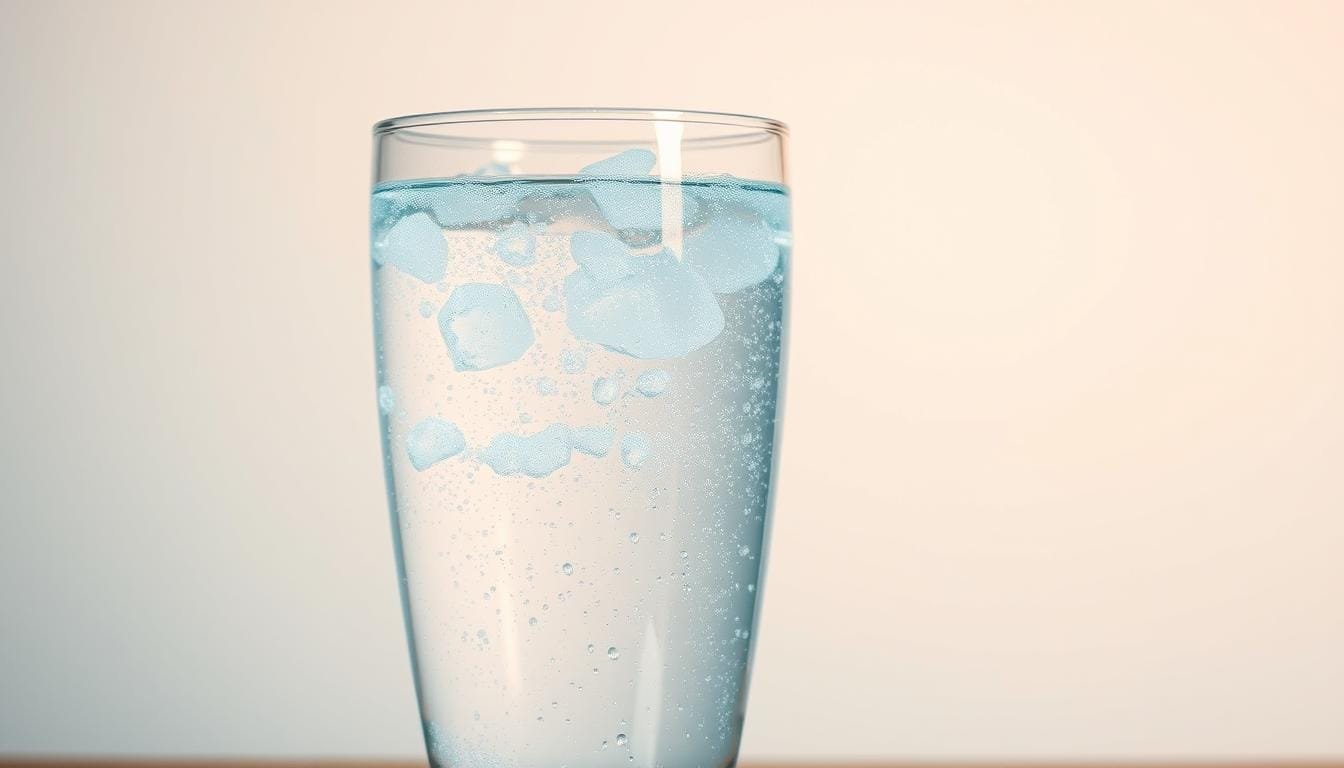
Definition: Hydrogen-rich water is simply plain water with dissolved molecular hydrogen added as hydrogen gas. These tiny molecules are colorless and non-toxic; the dissolved gas is the active component targeted for possible health benefits.
Common formats: Consumers can choose pre-filled cans or pouches, effervescent tablets, or home generators that make hydrogen-rich water on demand.
- Cans/pouches: easy and portable but often costly — a 30-pack of 8 oz can run about $90 and may be suggested multiple times daily.
- Tablets: portable and lower up-front cost; effectiveness depends on formulation and how fast the water is consumed after fizzing.
- Home generators: higher initial price but may lower cost per litre for regular consumption and deliver fresher levels.
Storage tips: Use non-permeable containers like aluminum cans or thick glass and drink soon after opening to retain dissolved gas and maintain expected levels.
Wellness Concept can compare device costs, maintenance, and daily consumption for Malaysian homes. For personalised help, WhatsApp +60123822655 during business hours.
How Molecular Hydrogen Works in the Body
The way tiny gas molecules move and react in the body helps explain mixed findings in human research.
Free radicals, oxidative stress, and antioxidant properties
Molecular hydrogen may act on free radicals, helping to modulate oxidative stress that links to cellular strain and daily stress.
Small clinical studies reported antioxidant activity in groups under high oxidative pressure, while healthy volunteers sometimes showed no change. These mixed effects reflect differing baseline stress and study designs.
Absorption, “free” molecules, and why containers matter
The idea is extra hydrogen exists as free molecules that the body can absorb more readily than hydrogen bound to oxygen in H2O. Gas molecules are tiny and escape quickly.
- Best containers: thick glass, aluminium, and other non-permeable materials preserve higher levels longer.
- Timing: consume soon after opening to retain dissolved levels that may matter for effects.
- Practical note: studies remain modest, so freshness and container choice are sensible steps.
For practical tips in Malaysia, contact Wellness Concept on WhatsApp +60123822655 (Mon–Fri 9:30 am–6:30 pm; Sat–Sun 10 am–5 pm) for container and timing advice tailored to local routines.
Evidence-Based Benefits: What Studies Suggest So Far
Clinical research to date hints at targeted benefits from hydrogen-rich water, but results vary by condition and dose.
Oxidative stress markers and antioxidant activity
Small trials reported decreased oxidative stress markers in patients under high oxidative load, such as those receiving radiation for liver cancer when given about 1.5–2.0 L/day.
Antioxidant signals appear stronger in stressed patients than in healthy volunteers.
Metabolic syndrome, cholesterol, and blood sugar findings
A 10-week study of people with metabolic syndrome signs found lower LDL and total cholesterol, reduced inflammation, and higher HDL after ~0.9–1.0 L/day of hydrogen water.
Athletic performance: lactate, fatigue, and recovery
Athletes drinking larger volumes (~1.5–2.0 L/day) showed lower blood lactate, less fatigue, and small sprint power gains in short protocols.
Liver function, dialysis support, and mental well-being signals
Early work linked better oxidative markers during liver radiation therapy and reduced fatigue in dialysis patients. Short trials also reported modest mood changes.
Adjunctive potential in cardiovascular disease and cancer care
Systematic reviews note possible improvements in endothelial function and lipid profiles, and exploratory adjunctive roles in oncology, but larger trials are needed.
- Dosage in studies ranged from ~0.6 L/day to 2.0 L/day, with higher levels for performance and oxidative stress work.
- Overall, results are promising but not definitive; use as an adjunct, not a replacement for medical treatment.
For device selection and Malaysia-specific guidance, Wellness Concept offers friendly help via WhatsApp +60123822655 during business hours.
Limitations, Gaps, and Possible Downsides
Clear evidence of benefit is still evolving, and readers should understand current limits before deciding to buy.
Small samples and short trials. Many clinical studies are small and brief. This limits how well results apply to broad groups and long-term disease treatment.
Mixed results and inconsistent research. Some studies show positive effects on stress markers, exercise recovery, or liver markers during cancer treatment. Other trials find no difference versus placebo. This variety makes firm conclusions difficult.
Variability in product levels and lack of standards. Measured concentrations differ widely between brands and over time. There is no agreed dosing standard for specific goals, so reproducibility is a challenge.
- Safety: generally recognized as safe by the FDA; serious side effects are rare in trials.
- Practical downsides: cost, variable quality, and the need to use non-permeable containers and drink promptly to retain dissolved levels.
| Issue | Impact | Practical tip |
|---|---|---|
| Small study sizes | Low confidence in results | Seek larger studies and cautious expectations |
| Variable levels | Reproducibility problems | Choose vendors with lab-verified labels |
| Long-term data | Unknown outcomes | Use as an adjunct, not a replacement for treatment |

For safe-use questions in Malaysia, contact Wellness Concept on WhatsApp +60123822655 during business hours for device, labeling, and shelf-life advice.
Hydrogen Water: Miracle Drink or Overhyped Myth?
Evidence today points to modest, context-dependent effects rather than sweeping health guarantees.
Balanced verdict based on present research
Based on current research and studies, hydrogen water is neither a miracle nor a myth — it is a potential adjunct with limited, specific benefits. Trials show the clearest effects in people under high oxidative stress, those with certain metabolic issues, and some athletes. Healthy adults often see little change.
The quality of products, handling, and freshness strongly influence results. Fast gas loss and variable measured levels make consistency a challenge. That variability helps explain mixed study results and modest overall effects.
Who might notice benefits vs. who may see little change
- People with elevated oxidative stress or metabolic risk may notice benefits more reliably.
- Active athletes doing repeated intense workouts might see small gains in recovery.
- Those in good health with low baseline stress should expect minimal change.
“The verdict today: interesting potential with encouraging but limited evidence.”
For personalised advice in Malaysia, message Wellness Concept at +60123822655 during business hours.
Who May Benefit Most — And Who Should Be Cautious
Not everyone benefits the same; context and health status shape likely outcomes.
Athletes and people with higher metabolic risk
Athletes in small studies reported lower blood lactate and less fatigue after short protocols. These signals point to modest gains in recovery and performance for repeat training days.
People with signs of metabolic syndrome showed improved lipid markers in short trials. Effects were small but consistent enough to interest those managing cholesterol and inflammation.
When to consult a healthcare professional in Malaysia
Patients on treatment for chronic conditions should always ask their clinician before adding any supplement. Individuals with liver or kidney issues need tailored advice because early trials are exploratory, not definitive treatment guides.
- High oxidative stress lifestyles—poor sleep, heavy training, urban exposure—may notice subtle benefits.
- Healthy people with balanced routines often see minimal change and should weigh cost versus curious testing.
- If trialing hydrogen-rich water, track effects over weeks and keep overall hydration strong.
| Group | Likely effect | Practical tip |
|---|---|---|
| Athletes | Lower lactate, reduced fatigue (small studies) | Try during heavy training blocks; monitor recovery |
| Metabolic risk | Modest cholesterol and oxidative marker changes | Consult clinician; use as adjunct, not primary treatment |
| Patients with chronic conditions | Unclear; needs medical oversight | Discuss interactions and test under supervision |
For device selection and local guidance, Malaysians can WhatsApp Wellness Concept at +60123822655 (Mon–Fri 9:30 am–6:30 pm; Sat–Sun 10 am–5 pm) for practical help on levels, handling, and safe use.
How to Choose, Store, and Drink Hydrogen Water for Best Results
Simple steps at purchase and during storage help preserve dissolved gas and protect expected effects.
Non-permeable containers, timing, and freshness tips
Choose non-permeable packaging like aluminum cans or thick glass to keep dissolved molecules longer. Thin plastics let gas escape fast.
Open and drink quickly. Freshness and handling materially influence any antioxidant effects seen in studies.
How much to drink, when to drink, and realistic expectations
Study doses ranged from about 600 ml/day to 2.0 L/day. Many performance and recovery trials used the higher end.
- Personalise consumption within comfort and budget.
- Some athletes sip before exercise; others split intake across the day for steady levels.
- Keep expectations realistic: this may support recovery and performance markers but won’t replace sleep, training, or nutrition.
Comparing generators vs. packaged options for Malaysian homes
Home generators deliver fresher levels and can cut long‑term cost, but require maintenance and periodic filters.
Packaged options offer portability and easy trials. Compare warranties, lab-verified levels, and total ownership cost for Malaysia.
“Buy non-permeable containers and drink soon after opening to preserve expected dissolved levels.”
| Option | Pros | Cons |
|---|---|---|
| Home generator | Fresh levels, cost-effective long term | Higher upfront cost, maintenance |
| Canned/glass products | Portable, lab-verified labels possible | Higher per-unit price, shelf-life limits |
| Tablet / sachet | Low upfront cost, easy to trial | Variable levels, depends on handling |
Store away from heat and sun. Track energy, recovery, and digestion over weeks to judge effects. For local comparisons and demos in Malaysia, WhatsApp Wellness Concept at +60123822655 during business hours.
Hydrogen Water vs Regular Water and Other Antioxidants
Plain drinking choices set the base: staying hydrated matters more than any add‑on product.
Plain water for hydration vs hydrogen water for potential effects
Regular water remains the simplest, safest choice for daily hydration and blood volume support.
Hydrogen water is marketed for extra antioxidant effects beyond basic hydration. Early studies show modest signals in metabolic syndrome markers and exercise recovery, but results vary with levels and handling.
Vitamin C, CoQ10, and hydrogen: size, absorption, and roles
Antioxidants act by different pathways. Molecular hydrogen targets free radicals as tiny gas molecules, while vitamin C and CoQ10 are larger compounds with distinct absorption kinetics.
- Small molecules like hydrogen cross membranes quickly; vitamins follow nutrient transport routes.
- Combine a nutrient-rich diet and plain water for baseline hydration and antioxidant support.
- Use hydrogen-rich water as an adjunct, not a replacement for proven treatment or medical advice.
“Hydration plus balanced nutrition remains the best foundation for health benefits.”
For product comparisons and practical routines in Malaysia, contact Wellness Concept on WhatsApp +60123822655.
Wellness Concept: Talk to a Specialist in Malaysia
Get clear, practical guidance from a local team that understands device choices, storage and real‑world use.
Wellness Concept in Malaysia offers friendly, evidence‑aware help for people curious about hydrogen water and hydrogen-rich water. They explain device types, label reading, and why non‑permeable containers plus quick consumption matter for preserving dissolved levels.
Friendly guidance on hydrogen-rich water devices and usage
Speak with a Malaysian specialist who will simplify generator versus packaged options. They cover maintenance, budget, and which setup fits humid climates and family needs.
The team helps users interpret lab labels, set realistic expectations based on studies, and plan safe consumption alongside any ongoing treatment for patients.
Business hours
Monday–Friday: 9:30 am–6:30 pm
Saturday–Sunday: 10:00 am–5:00 pm
WhatsApp +60123822655 to consult Wellness Concept today
- Get tips on timing, container choice, and how to track effects in daily routines.
- Learn to balance cost, maintenance, and convenience across generators, tablets, and packaged options.
- Request starter plans that suit local storage constraints and climate.
- Discuss alignment with existing treatment plans when relevant.
“Practical, no-pressure advice helps people try hydrogen water with clear goals and safe expectations.”
Contact via WhatsApp +60123822655 during business hours for tailored advice on consumption, effects, and device selection in Malaysia.
Conclusion
Wrapping up, the best approach is cautious curiosity: try small, track results, and prioritise proven health basics.
Today’s takeaway: current research and studies show modest potential benefits for oxidative stress, metabolic syndrome markers, exercise recovery and select clinical settings. Results vary by product levels, freshness and routine.
People should use hydrogen water as a complement, not a replacement for medical care, and note possible side effects are rare in trials. Athletes may test for performance and recovery gains while monitoring blood and cholesterol changes.
For Malaysia-specific advice on devices, storage and sensible dosing, message Wellness Concept on WhatsApp +60123822655. Business hours: Mon–Fri 9:30 am–6:30 pm; Sat–Sun 10 am–5 pm.
FAQ
What is hydrogen-rich water and how is it different from regular water?
It is water infused with molecular hydrogen gas dissolved at low concentrations. Unlike plain tap or bottled water, it aims to deliver dissolved H2 molecules that may act as selective antioxidants. The base chemistry of water remains the same; the key difference is added dissolved gas and how long it stays dissolved.
How is hydrogen-rich water produced for home use?
People use electrolysis generators, magnesium-based tablets, or pre-filled cans and pouches. Generators produce gas on demand, tablets react to release hydrogen, and packaged products vary in concentration and shelf life. Each format differs in cost, convenience, and how long the molecules remain available.
Do the claimed antioxidant effects have scientific support?
Some small clinical and animal studies report reductions in oxidative stress markers and inflammation. Results are promising in areas like exercise recovery and certain metabolic measures, but outcomes vary by study size, duration, and hydrogen levels used. Larger trials are needed to confirm consistent benefits.
Can it help with athletic performance and recovery?
Several trials show modest improvements in perceived fatigue, lactate clearance, or muscle recovery for some athletes. Benefits tend to be subtle and not universal. Effects likely depend on timing, dose, and the athlete’s baseline condition.
Are there proven benefits for metabolic syndrome, cholesterol, or blood sugar?
Early studies report favorable changes in cholesterol profiles and markers of insulin resistance for some participants. However, evidence is limited and inconsistent across trials. It should not replace standard medical care or lifestyle measures.
Is it safe to drink regularly? Any side effects?
Short-term use appears well tolerated in clinical studies, with few reported adverse effects. Molecular hydrogen is non-toxic at studied doses. Still, long-term safety data remain limited, so people with serious illnesses or who take medications should consult a clinician first.
Could it support liver health or patients on dialysis?
Small trials suggest potential liver enzyme improvements and symptom relief in dialysis patients when used as an adjunct. These are preliminary findings and not definitive treatments. Patients should follow medical advice and use such products only under supervision.
How much dissolved gas is needed to see an effect?
Studies use varying concentrations, commonly 0.5–1.6 ppm, but no universal dosing guideline exists. Efficacy likely depends on consistent intake and achieving measurable dissolved levels. Consumers should check product specifications and opt for reliable testing when possible.
Do container type and storage matter?
Yes. Hydrogen is a small molecule that escapes through some plastics and porous lids. Non-permeable materials like aluminum cans or high-barrier glass keep dissolved gas longer. Freshness matters, so consume soon after opening or generation for best potency.
How does it compare to standard antioxidants like vitamin C or CoQ10?
They work differently. Molecules like vitamin C are classic electron donors and act broadly, while dissolved molecular hydrogen may selectively neutralize specific reactive species. These agents can be complementary rather than mutually exclusive, but comparative benefits vary by condition.
Who is most likely to notice benefits?
Active people with high oxidative stress, those with certain metabolic risks, or individuals seeking adjunctive recovery tools may notice small improvements. People already healthy with low oxidative burden may see little change.
Should someone with chronic disease try it in Malaysia?
They should consult a healthcare professional first. Local clinicians can advise on interactions with treatments and monitor outcomes. Wellness Concept and similar specialists can offer device guidance, but medical oversight is recommended for chronic conditions.
How often should one drink it and when?
No standardized schedule exists. Many users take it daily, often before or after exercise or with meals for convenience. Expect realistic, gradual effects; it is not an acute cure and should complement a healthy diet and lifestyle.
Are packaged products or home generators better for Malaysian households?
Packaged cans and pouches offer convenience and consistent dosing but can be pricier. Generators cost more upfront but reduce long-term expense and waste. Choice depends on budget, frequency of use, and desire for control over dissolved concentrations.
Can it be used alongside conventional cancer or heart disease treatments?
Current research explores adjunctive use, but evidence is not strong enough to recommend it as part of standard cancer or cardiovascular therapy. Patients must discuss any complementary approach with their oncologist or cardiologist to avoid conflicts with treatments.
How can consumers verify product claims?
Look for third-party testing that reports dissolved gas levels (ppm) and shelf stability. Reputable vendors provide lab certificates and clear instructions. Be wary of grandiose marketing and consult independent reviews or healthcare professionals for guidance.