
Currently Empty: RM0.00
0 Comments
Can a clear bottle suddenly look foggy after a full cycle, and what tells a user to act?
The guide opens with friendly clarity. It shows how tiny bubbles can briefly haze the liquid, while minerals or residue can leave lasting specks that call for cleaning.
Readers learn simple checks they can do at home: a quick settle-and-swirl test, a look for particles, and a smell check for odd tastes. It explains how the generator and bottle work together and where deposits appear.
The clean routine is easy to follow. Trusted advice from local support recommends a 1:1 white vinegar and water cycle for about ten minutes, a full rinse, then a plain run. Users in Malaysia who use tap sources should clean every 2–4 weeks; filtered users can deep clean every 3–6 months.
If haze persists, the brand offers WhatsApp support at +60123822655 during local hours for quick, friendly help.
Key Takeaways
- Brief cloudiness often means microbubbles; lingering haze suggests mineral or residue buildup.
- Run a vinegar-water cycle, rinse well, then run plain liquid to restore clarity.
- Tap supplies need more frequent checks; filters reduce deposits and extend intervals.
- A settle-and-swirl test helps distinguish bubbles from solids fast.
- Avoid harsh chemicals, boiling, scrubbing electrodes, or submerging the base to protect the device.
User Intent: What people mean by “Why is my hydrogen water cloudy?” in Malaysia today
Many users in Malaysia ask whether a sudden haze after a cycle means trouble or just normal bubbles. They want quick, practical advice they can use right away.
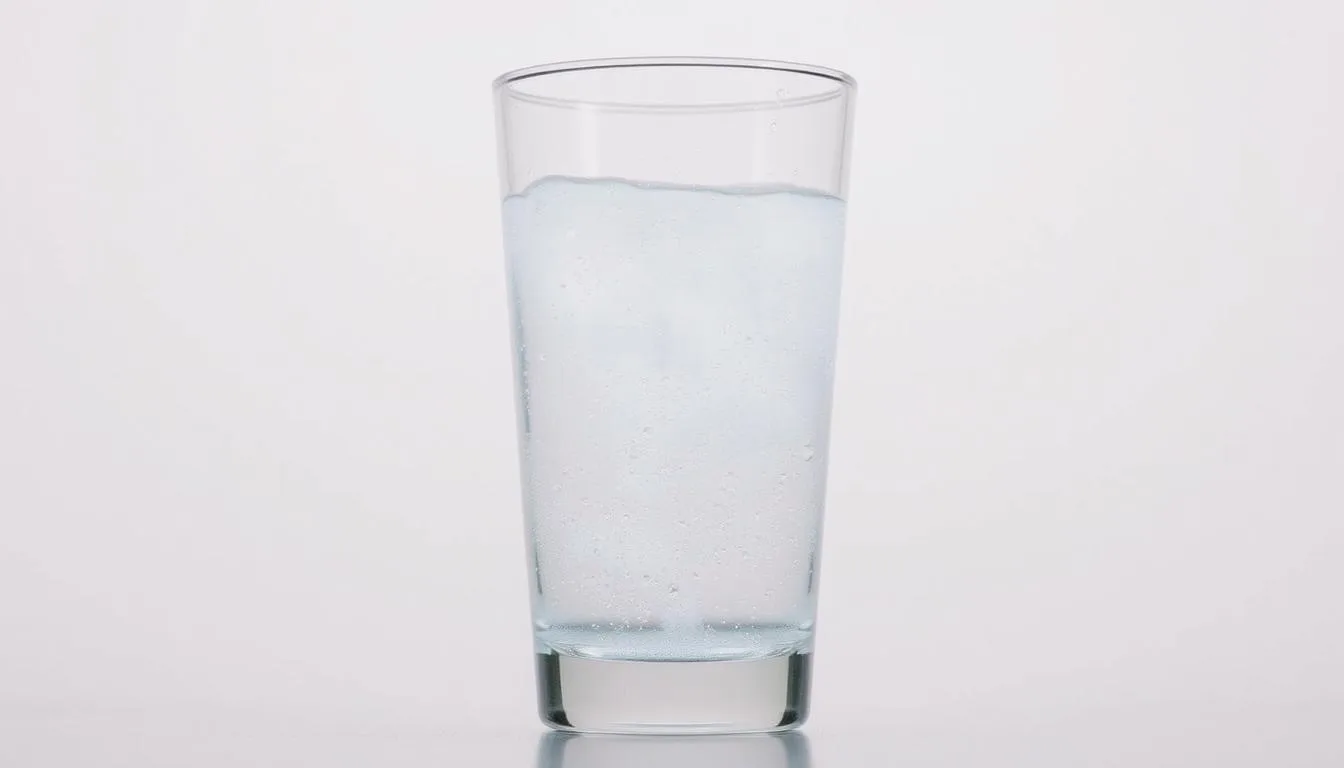
Quick answer: If the haze clears within minutes after swirling and standing, it’s usually harmless microbubbles from the cycle. This appears most often right after a 10-minute run and does not affect taste or safety.
Deep dive: When haze persists or particles settle, the likely cause is mineral residue from tap supplies. A 1:1 vinegar and water descale, a full rinse, then a plain water cycle typically restores clarity.
For personalised help, Wellness Concept answers device-specific questions via WhatsApp at +60123822655 during business hours.
- Short-term haze = microbubbles; no action beyond a quick stand test.
- Persistent haze = scale; follow a safe cleaning routine to protect the bottle and base.
Why is my hydrogen water cloudy?
A quick look can often tell whether a milky haze will vanish on its own or needs a descale.
Mineral microbubbles vs. scale particles: Microbubbles create a soft, milky veil that usually clears in minutes as gases rise and escape. Scale or particulate shows as lingering haze or settled specks that do not disappear with time and point to minerals or residue coming off the base or chamber.
How long the cloudiness lasts and why time helps
Time is the simplest diagnostic tool. If the haze clears within a few minutes after standing, it is likely harmless fizz from the cycle. If the appearance stays or grit collects, it signals scale or leftover cleaning solution.
Simple tests: leave the bottle still for one to three minutes. Watch for particles that sink or an appearance that fades. If uncertainty remains, run a 1:1 vinegar and water descale, rinse, then run a plain cycle. For friendly guidance, message Wellness Concept on WhatsApp at +60123822655 during listed hours.
Main causes of cloudy hydrogen water
Different sources and device parts can produce visible haze; identifying the cause helps resolve it fast.
Tap supply minerals
In Malaysia, tap water often contains dissolved salts like calcium and magnesium. These can form a faint haze after a run, especially with frequent use.
Mineral buildup on the base
Mineral buildup collects on the electrolyser base over time. Small particles may shed into the bottle and create persistent cloudiness.
Leftover cleaning solution
If a rinse is rushed, residual vinegar or cleaner can leave a film. That film affects clarity and taste until it is flushed with plain water.
Brief microbubble aeration
Immediately after a cycle, internal parts release harmless microbubbles. These clear in minutes and do not change safety or flavour.
Quick tips: Run a 1:1 vinegar-water descale, rinse thoroughly, then finish with a plain cycle. Avoid boiling, harsh chemicals, or scrubbing the electrodes; gentle soaking protects the base.
| Cause | Sign | Action | When to contact support |
|---|---|---|---|
| Tap minerals | Uniform haze after cycles | Descale every 2–4 weeks; use filtered supply | Cloudiness persists after two cleans |
| Base shedding | Fine particles settle at bottom | Run vinegar cycle; avoid scrubbing base | Visible grit after rinse |
| Cleaning residue | Film or off-taste | Rinse repeatedly; run plain cycle | Lingering smell or taste |
| Microbubbles | Haze clears in minutes | Stand and observe; no action needed | Not needed |
Need help choosing a maintenance routine? Users can message Wellness Concept on WhatsApp at +60123822655 during business hours for personalised advice.
Tap water vs. filtered/purified water: how water choice changes everything
Choosing the right source can cut buildup and extend the life of a hydrogen water bottle. A clear switch to lower-mineral liquids reduces scale and keeps the unit running well.
Filtered purified water reduces residue and cleaning frequency
Tap water contains minerals that slowly collect on the base. Those deposits mean more frequent regular cleaning and shorter intervals between deep descales.
Filtered purified water leaves far less residue. Users who switch often move from cleaning every 2–4 weeks to every 3–6 months for deep maintenance.
Using purified water for cleaner hydrogen-rich water and better taste
Low-mineral liquids yield cleaner hydrogen-rich water and a smoother taste. This improves the drinking experience and lowers the chance of grit settling in the bottle.
Even with purified supply, regular cleaning still matters. Avoid dishwashers and hot liquids to safeguard seals and the electrolyser base.
| Source | Typical effect | Cleaning interval | Benefit |
|---|---|---|---|
| Tap water | More mineral buildup; visible deposits | Deep clean every 2–4 weeks | Readily available; may need filters |
| Filtered purified water | Less scale; fewer particles | Deep clean every 3–6 months | Smoother taste; less maintenance |
| Mixed (tap + filter) | Reduced but present minerals | Deep clean every 1–3 months | Balance of cost and clarity |
Tip: For local advice about which option suits Malaysia homes, users can message Wellness Concept on WhatsApp at +60123822655 during working hours.
How to diagnose the type of cloudiness in your hydrogen water
A short observation often shows if the blur will fade on its own or needs a safe clean. Start with a calm, simple check before assuming the bottle has a problem.
Settle test: particles that sink vs. bubbles that dissipate
Leave the bottle still for one to three minutes. If solid bits sink or grit gathers on the base, that points to mineral residue or shedding from the chamber.
Swirl and stand: cloud clears in minutes indicates microbubbles
Gently swirl the bottle, then let it stand. If the haze lifts within a few minutes, it is likely harmless microbubbles from the cycle and needs no further action.
Time is a useful clue. Lingering haze after standing suggests scale or leftover rinse fluid rather than ordinary fizz.
- Perform a 1:1 vinegar and water descale for about 10 minutes if particles settle.
- Rinse thoroughly, then run a plain water cycle to flush residues.
- If cloudiness appears every day despite cleaning, consider switching to filtered or purified sources.
If tests remain inconclusive, they can message Wellness Concept via WhatsApp at +60123822655 during business hours for quick support.
| Test | Result | Next step | When to contact support |
|---|---|---|---|
| Settle test | Particles sink | Descale 1:1 vinegar-water; rinse | Particles remain after cleaning |
| Swirl and stand | Haze clears in minutes | No action; enjoy the bottle | Not needed |
| Stand only | Haze lingers | Repeat rinse; run plain cycle | Off-taste or smell persists |
Step-by-step: cleaning hydrogen water bottles safely
A simple, safe cleaning routine keeps bottles clear and parts working well.
Prepare the cleaning solution
Mix equal parts white vinegar and water to make the cleaning solution. Fill the chamber as if starting a normal cycle so the liquid contacts the base and internal components.
Run the cycle and flush
Run the longest hydrogen cycle—about 10 minutes—so the solution loosens deposits on the base.
Empty and rinse thoroughly with clean water to remove any acidic taste or residue. Then run a plain cycle to flush the system back to neutral.
Clean the exterior and finish
Wash the body and lid separately with mild soap water. Do not submerge the electronic base or scrub electrodes; let the solution do the work to protect seals and extend years of reliable use.
- Repeat the cleaning cycle once more if cloudiness stays, and increase rinse volume before the final plain cycle.
- Set reminders every weeks for users who use tap supplies often; regular cleaning essential to prevent hardened scale.
- As a daily habit, a quick post-use rinse helps keep the hydrogen water bottle ready and supports clean hydrogen water.
For any uncertainty, users can WhatsApp Wellness Concept at +60123822655 (Mon–Fri 9:30 am–6:30 pm; Sat–Sun 10 am–5 pm).
Descaling schedules based on the water you use
Regular descales tuned to your supply prevent stubborn deposits. A short plan helps keep clear hydrogen water and steady performance.
Tap supplies often carry minerals that show as residue after cycles. For those using tap water regularly, a safe routine is to clean every 2–4 weeks. This prevents mineral buildup on the base and lowers the chance of grit in the bottle.
Filtered or purified supplies leave far less residue. Users who rely on purified water may deep clean every 3–6 months. Heavier daily use can justify shorter intervals even with low-mineral liquid.
- Set calendar reminders for every weeks or months depending on supply and use.
- Use solution cycles (1:1 white vinegar and water) rather than abrasive scrubbing.
- Avoid dishwashers and hot liquids that can harm seals and the electrolyser base.
| Supply | Typical interval | Main benefit | When to shorten |
|---|---|---|---|
| Tap water | Every 2–4 weeks | Prevents mineral buildup; clear hydrogen water | Daily heavy use or return of haze before next clean |
| Filtered purified | Every 3–6 months | Fewer deposits; longer intervals | Noticeable taste change or sediment |
| Mixed supply | Every 1–3 months | Balance of cost and clarity | Frequent cycles or local hard supply |
Tip: If haze returns sooner, move the schedule earlier. For a schedule tailored to local conditions in Malaysia, message Wellness Concept via WhatsApp at +60123822655 during business hours.
Advanced deep clean options when cloudiness persists
When routine care does not clear persistent haze, a stronger, safe method can restore clarity without harming the bottle.
Citric acid alternative for stubborn scale
For tough mineral deposits, a citric acid protocol often works faster than a single vinegar cycle. Dissolve 10 g citric acid in 100 ml plain water and pour the solution into the chamber.
Let the mixture sit for about 30 minutes so the cleaning solution softens scale. Then run one to two programs with the lid open to allow contact with the base and internal parts.
After the cycle: rinse carefully and run a plain cycle to flush any acidic traces. This restores fresh taste and clear results.
Monthly disinfection routine and full air-dry
Add a monthly disinfection step to keep the unit fresh. After a deep clean, wipe the exterior, rinse thoroughly, and leave all parts to air-dry fully with the lid open.
Avoid using bleach or strong solvents; they can corrode the base and leave residues. Do not submerge the electronics—rely on solution contact and program cycles instead.
| Issue | Advanced fix | Timing | Note |
|---|---|---|---|
| Stubborn scale | 10 g citric acid /100 ml, 30 min soak + 1–2 programs | Once when scale returns after vinegar | Rinse well; run plain cycle |
| Lingering film | Equal parts white vinegar and water cycle | Alternative if citric acid unavailable | Follow with multiple rinses |
| Odor or growth risk | Monthly disinfection + full air-dry | Every months for high-use homes | Keep lid open to dry; avoid dishwashers |
Quick tips: schedule deeper cleans for heavy tap use and avoid dishwashers or boiling liquids that harm seals. For guidance on measurements or monthly routines, message Wellness Concept on WhatsApp at +60123822655 during business hours.
Common mistakes to avoid when cleaning hydrogen bottles
Cleaning the bottle wrong can cause lasting taste problems and damage the unit. Small errors often show up as film, odd smells, or reduced performance.
“Never use bleach or abrasive chemicals,” warns the manual. These agents can corrode metal parts and leave residues that affect taste and safety.
Practical tips for safe care:
- Avoid using bleach or harsh solvents; choose mild soap instead for the body lid and exterior.
- Never pour boiling water into the chamber or submerge the electrolyser base; high heat and soaking harm seals and internal components.
- Do not scrub the electrodes; let the recommended cleaning solution loosen deposits to protect delicate surfaces.
- Always rinse thoroughly after any cleaning cycle and run a plain cycle to remove traces and restore neutral taste.
Extra tip: Keep chemicals labelled and out of reach. If users need model-specific cleaning hydrogen advice, they can WhatsApp Wellness Concept at +60123822655 during operating hours.
Protecting internal components for long-term performance
Gentle care around the base keeps the whole system running longer and gives steadier output. A short routine protects sensitive parts and keeps each fill tasting fresh.
Why the electrolyser base needs gentle, solution-based care
The electrolyser base contains delicate electronics and electrode surfaces. These internal components work best when cleaned with mild, measured solutions rather than abrasive force.
Best practices:
- Run a 1:1 white vinegar and water cleaning cycle instead of scrubbing the electrodes.
- Avoid dishwashers and never pour boiling liquid into the chamber.
- Keep ports and the base dry during exterior cleaning to prevent water ingress.
- Rinse after every cleaning cycle and finish with a plain cycle to restore neutral taste.
Gentle care reduces the chance of sudden performance drops and keeps the bottle giving consistent hydrogen water with each use.
Local help: For personalised maintenance schedules that protect internal parts, WhatsApp Wellness Concept at +60123822655 during business hours.
Troubleshooting checklist: if your water is still cloudy
Follow this short checklist to find and fix lingering haze in a hydrogen water bottle.
Start with a plain cycle. Run one plain water cycle to flush any leftover cleaning solution that may affect clarity or taste.
Inspect the chamber and base. Look for faint lines or patches that point to mineral buildup. If you see scale, repeat a 1:1 white vinegar water cycle, then rinse thoroughly and run another plain cycle.
Quick checks and actions
- Wash the body lid and removable parts with mild soap and rinse thoroughly to avoid reintroducing residue.
- Never use bleach or strong solvents; these can damage seals and alter taste.
- Ensure no abrasive pads touched the base — scratches can release particles.
- If haze returns every weeks despite correct cleaning, try filtered or purified water to reduce mineral buildup.
- Keep a short log of steps tried; that helps when seeking further advice.
| Symptom | Likely cause | Action | When to contact support |
|---|---|---|---|
| Haze after rinse | Residual cleaning solution | Run plain cycle; rinse thoroughly | Haze remains after extra plain cycle |
| Lines or sediment | Mineral buildup on base | Repeat 1:1 vinegar water cycle; rinse well | Visible grit after proper rinse |
| Frequent return of haze | High-mineral supply | Switch to filtered or purified source | Haze persists despite changes |
Need extra advice? WhatsApp Wellness Concept at +60123822655 for help confirming whether more rinsing or another cleaning cycle is needed. Support is available Mon–Fri 9:30 am–6:30 pm and Sat–Sun 10 am–5 pm.
Clean hydrogen water daily habits
Small daily habits keep a bottle fresh and cut the chance of residues building up. These steps are quick and suit busy homes in Malaysia.
Quick rinse routine and safe drying practices
Rinse after each use. A warm rinse prevents films from drying and spoiling the next pour.
Wash the body and lid with mild soap water when needed. Dry all parts completely before putting the unit back together.
- Keep the base dry and never submerge electronics; rely on solution cycles rather than scrubbing.
- Store the bottle open or partially open to allow airflow and stop moisture odors.
- Track how often it is used; heavy use may need an extra mid-day rinse for consistent clean hydrogen water.
- Add a monthly disinfection check to see whether an early deep clean would help peak performance.
- Avoid dishwashers and hot liquid; these can damage seals and shorten the unit’s life.
- Agree on a quick daily routine if a family shares one hydrogen water bottle so everyone benefits from clear results.
For a daily routine checklist tailored to each model, message Wellness Concept on WhatsApp at +60123822655 during posted hours.
Regional note for Malaysia: set realistic expectations
Home habits and the local supply together decide how often a bottle needs a deep clean. Local conditions in Malaysia often mean more frequent maintenance than in low-mineral areas.
Local tap water contains minerals—plan your “every weeks” clean
In many neighbourhoods, tap water contains dissolved salts and calcium. This means scale can form faster and leave a persistent haze after a cycle.
Practical plan: for mineral-rich feeds, schedule a safe descale about every 2–4 weeks. If a filtered or purified supply is used, deep cleans may stretch to several months.
- Expect more frequent checks where the supply contains minerals; brief fizz after a run is normal and clears with time.
- If haze returns sooner than planned, shorten the interval or try a filtered option to reduce deposits.
- For apartments with hard feed, a monthly deep-check helps avoid stubborn buildup and saves repair time later.
Local advice can help set the right routine for each neighbourhood. Users in Malaysia can message Wellness Concept on WhatsApp at +60123822655 during business hours for tailored maintenance schedules and tips.
When to contact support for persistent issues
Persistent murk after several cleans often needs expert checks rather than more DIY steps. If a bottle keeps showing residue after a proper descale and plain rinse, contacting the help desk will speed a safe solution.
Wellness Concept help desk via WhatsApp +60123822655
Contact: Message Wellness Concept on WhatsApp at +60123822655 for step-by-step advice. They can guide users to repeat a vinegar-water cycle, try citric acid for tough scale, and verify rinse steps.
Business hours
Monday–Friday: 9:30 am–6:30 pm. Saturday–Sunday: 10:00 am–5:00 pm.
- If cloudiness persists after cleaning and a plain flush, ask for tailored advice.
- Share water type, number of cleaning cycles, and whether a citric acid step was tried.
- Support may suggest small changes to solution ratios, contact times, or rinse repeats.
- They will check that the base was not scrubbed or submerged and that no hot water was used.
- Photos or short videos help experts spot scale patterns quickly.
- They may advise using filtered water for a short reset and a brief maintenance plan to prevent return.
- Early contact prevents accidental damage from repeated trial-and-error and restores clear hydrogen water faster.
Conclusion
Clear results come from spotting brief fizz versus lingering residue, then following a few care steps.
Most haze is harmless fizz that clears after a short stand. If grit or film remains, a 1:1 vinegar cycle, a full rinse, then a plain flush usually fixes it. For stubborn scale, a citric acid deep clean helps reset surfaces.
Choosing purified or filtered purified supplies reduces deposits and lets users deep clean every 3–6 months instead of every 2–4 weeks with tap supply. Daily rinsing and gentle care for the base protect the hydrogen water bottle and extend useful years.
Need help? For friendly support, message Wellness Concept on WhatsApp at +60123822655 (Mon–Fri 9:30 am–6:30 pm; Sat–Sun 10:00 am–5:00 pm).
FAQ
What causes cloudy hydrogen-rich water after a cycle?
Cloudiness usually comes from two sources: microscopic mineral particles from tap supply or tiny gas microbubbles produced during electrolysis. Minerals like calcium and magnesium form a visible haze, while microbubbles float and clear within minutes.
How can someone tell if the haze is mineral particles or harmless bubbles?
Perform a simple settle test. Let the bottle stand for a few minutes: bubbles disappear quickly and rise to the surface, while mineral particles sink or remain suspended longer. Swirling then waiting helps reveal the difference.
How long should the cloudy look last if it’s only microbubbles?
If caused by aeration, the water typically clears in under five minutes. Persistence beyond that suggests scale, residue, or insufficient rinsing.
Could cleaning solution residue make the water cloudy?
Yes. Inadequate rinsing after using vinegar or citric acid can leave a film that clouds taste and appearance. Always rinse thoroughly and run a plain water cycle to flush remaining solution.
How often should the device be cleaned when using regular tap supply?
With untreated tap supply, descale every 2–4 weeks to prevent mineral buildup on the electrolyser base and internal parts. More frequent cycles or very hard local water may require shorter intervals.
What schedule works when using filtered or purified water?
When using filtered or purified water, deep cleaning can stretch to every 3–6 months. The reduced mineral load lowers residue and keeps performance steady.
What’s a safe step-by-step cleaning routine for the bottle and base?
Mix equal parts white vinegar and water for a cleaning solution, run the longest hydrogen cycle with that mix, empty and rinse well, then run a plain water cycle. Wash body and lid separately with mild soap and air-dry completely.
Are there alternatives to vinegar for stubborn scale?
Citric acid works well on tough deposits and is safe for most components. Follow manufacturer guidance and rinse thoroughly after treatment to remove any residue.
Which cleaning mistakes lead to lasting cloudiness or damage?
Avoid bleach and harsh chemicals, never submerge the electrolyser base, don’t use boiling water, and do not scrub electrodes. Failure to rinse after cleaning often causes cloudy, off-tasting water.
What quick daily habits help keep the bottle clear between deep cleans?
Rinse and air-dry the body and lid after each use, run a short plain-water cycle if the unit sits unused, and wipe the base exterior with a damp cloth. These steps reduce residue buildup.
What should someone do if cloudiness persists after cleaning?
Re-run a plain water cycle, check for remaining scale on the electrolyser base, and repeat a descale with vinegar or citric acid if needed. Inspect seals and lids for trapped residue.
Does using purified water improve taste and reduce maintenance?
Yes. Filtered or purified water lowers mineral deposits, improves taste, and extends intervals between descaling and deep cleaning.
Any region-specific tips for users in Malaysia regarding local tap supply?
Malaysian tap water often contains minerals that increase cleaning frequency. Expect to descale every few weeks depending on hardness, and consider filtered water to reduce maintenance.
When should someone contact support for help with persistent issues?
If repeated cleaning fails, strange odors persist, or device performance drops, contact the Wellness Concept help desk via WhatsApp +60123822655 during business hours: Mon–Fri 9:30 am–6:30 pm; Sat–Sun 10 am–5 pm.