
Currently Empty: RM0.00

0 Comments
“The greatest wealth is health.” This timeless wisdom from Virgil reminds us why managing our well-being is so vital. For many in Malaysia managing heart conditions, this includes navigating medications and supplements.
A common question arises: can gut-supporting supplements be safely combined with anticoagulant drugs? This concern is understandable. These medications are often prescribed for serious conditions like atrial fibrillation or to prevent thrombosis.
The core of the worry often involves Vitamin K. While it’s true that certain beneficial bacteria aid in its production, current medical evidence offers reassurance. The body typically regulates absorption, and no documented cases show these supplements lead to dangerous blood thickening.

This article aims to cut through the confusion. It provides clear, evidence-based information to help readers make informed choices about their cardiovascular and gut health. Wellness Concept is here as a trusted guide on this journey.
Readers will explore the science behind both types of treatments. They will learn about potential considerations and practical steps for taking supplements safely under a doctor’s supervision. Understanding these health benefits of probiotics is a key part of responsible wellness management.
Key Takeaways
- Combining certain supplements with anticoagulant drugs is a common concern for patients.
- These medications are critical for managing serious cardiovascular conditions.
- Fears often center on Vitamin K production, but current evidence is reassuring.
- No documented cases prove a dangerous interaction exists.
- Medical supervision is always recommended when starting any new supplement.
- This guide provides clear information to support informed health decisions.
Introduction
Patients on specific cardiac medications commonly seek clarity about supplement compatibility. This guide understands that managing multiple aspects of wellness can feel overwhelming. It aims to provide reassurance and practical information.
Purpose of the Guide
This resource bridges the gap between digestive wellness optimization and cardiovascular treatment safety. It offers clear answers to frequently asked questions about combining different health approaches. The focus is on providing evidence-based guidance for informed decisions.
What Readers Will Learn
Individuals will discover how different supplements and medications function within the body. They’ll explore why certain concerns exist and what current research reveals about safety profiles.
The guide covers the fascinating connection between digestive function and heart performance. This relationship matters greatly for those managing cardiovascular conditions. Practical information includes which specific strains show promise for heart wellness.
Readers will gain confidence in making choices about their routine. They’ll understand both potential advantages and necessary precautions. This knowledge empowers people to work effectively with their healthcare team.
Understanding Probiotics and Blood Thinners
When considering digestive health supplements alongside anticoagulant therapy, understanding both components is essential. This knowledge helps individuals make informed decisions about their wellness routine.
What Are Probiotics?
Probiotics are beneficial live microorganisms that support digestive function. These tiny helpers maintain balance within the gut microbiome, which hosts trillions of bacteria.
They work by colonizing the intestinal tract. This process supports digestion and vitamin production. They also help maintain the intestinal barrier against harmful substances.
People can find these beneficial bacteria in fermented foods. Yogurt, kefir, sauerkraut, and kimchi are excellent sources. Dietary supplements containing specific strains are also available.
Different strains offer unique health benefits. Research shows some strains may support cardiovascular function. These specific microorganisms work in various ways to promote wellness.
Overview of Blood Thinners and Their Uses
Blood thinners are anticoagulant medications that slow the clotting process. Despite the name, they don’t actually make blood thinner. They reduce the blood’s ability to form dangerous clots.
Common medications include warfarin, rivaroxaban, and apixaban. Doctors prescribe these for serious conditions like atrial fibrillation. They help prevent strokes and pulmonary embolisms.
These medications are life-saving for individuals at risk. The concern about combining them with probiotics stems from Vitamin K production. Certain gut bacteria help produce this vitamin, which plays a role in clotting.
| Probiotic Strain | Potential Cardiovascular Benefit | Research Status |
|---|---|---|
| Lactobacillus plantarum | May help reduce blood pressure | Promising early findings |
| Lactobacillus reuteri | Could support healthy cholesterol levels | Ongoing studies |
| Bifidobacterium lactis | May reduce inflammation | Early evidence positive |
The Gut-Heart Connection and Clotting Risks
Science has uncovered a remarkable link between our digestive system and heart performance. This connection, often called the gut-heart axis, shows how gut health directly influences cardiovascular function.
The digestive tract contains over 500 million neurons, forming a “second brain.” This network communicates with the heart through nerves and the bloodstream.
How Gut Health Influences Cardiovascular Function
Certain gut bacteria break down compounds found in red meat and eggs. This process produces a substance called TMA.
The liver then converts TMA into TMAO. Higher TMAO levels are linked to increased risk of major heart events. This compound can make blood more likely to form clots.
An imbalance in gut bacteria, known as dysbiosis, can lead to “leaky gut.” Inflammatory compounds then enter the bloodstream, damaging vessel linings.
This damage accelerates cardiovascular disease development. It also increases the clotting risk for people.
Inflammation and Its Impact on Clot Formation
Chronic inflammation from an unhealthy gut plays a key role. It promotes atherosclerosis, the hardening of arteries.
Research shows a clear connection to specific conditions. For example, individuals with hypertension often have different gut bacteria patterns.
There is also emerging evidence linking gut health to atrial fibrillation. Inflammatory signals may contribute to irregular heartbeats.
Supporting a healthy gut through diet may reduce inflammation. This approach can help lower risk and support overall body wellness.
- TMAO Link: Gut bacteria create a compound that increases blood clotting potential.
- Leaky Gut Effect: Inflammation escapes the gut, damaging vessels and raising risk of blood clots.
- Condition Connection: Gut imbalance is seen in hypertension and atrial fibrillation.
Probiotics and Blood Thinners: Interaction and Considerations
For those balancing heart health medications with wellness supplements, understanding potential interactions is crucial. Current research provides reassuring findings about safety profiles.
Potential Benefits of Probiotics
Specific microbial strains offer promising cardiovascular support. Lactobacillus plantarum may help reduce blood pressure, while Lactobacillus reuteri could support healthy cholesterol levels.
Bifidobacterium lactis shows potential for reducing inflammation that contributes to clotting risk. These beneficial microorganisms support overall gut health, which research links to improved cardiovascular function.
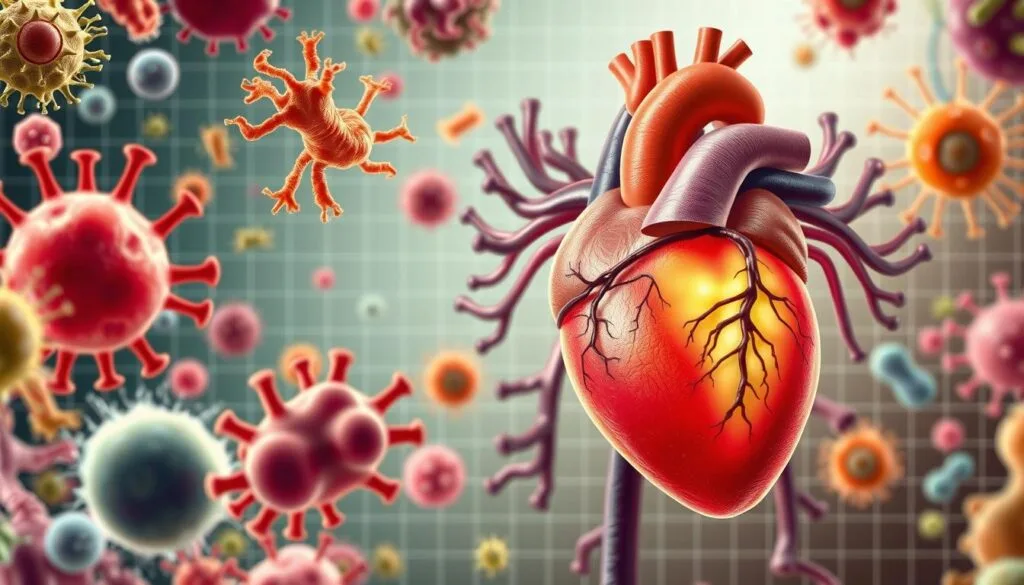
Possible Risks When Combined with Blood Thinners
Theoretical concerns about Vitamin K production exist, since certain gut bacteria help create this vitamin. However, studies show the body regulates absorption effectively.
Unlike supplements like fish oil or garlic, these microbial supplements have not been shown to thin blood or increase bleeding risk. No documented cases prove problematic interactions with anticoagulant medications.
Individual responses can vary, making consultation with a healthcare provider essential before starting any new supplement regimen. Monitoring for unusual symptoms remains important, though adverse effects are rare.
Expert Research and Evidence-Based Insights
Medical research continues to uncover fascinating connections between our gut microbiome and cardiovascular wellness. Studies published in reputable journals like Blood reveal how specific microbial strains can influence clot formation processes.
This research has significantly advanced our understanding of the gut-heart relationship. While certain strains show promise for supporting cardiovascular function, more comprehensive studies are needed to fully understand long-term effects.
Key Study Findings on Gut and Cardiovascular Health
Clinical investigations examine various microbial strains for potential heart benefits. Promising strains like Lactobacillus plantarum and Bifidobacterium lactis show positive early results.
Unlike other supplements that clearly affect clotting, these beneficial microorganisms haven’t demonstrated similar bleeding complications. Research shows fish oil may prevent platelet aggregation without increased bleeding risk.
However, high doses of ginger, garlic, and ginkgo have shown potential to affect clotting mechanisms. These substances may raise bleeding risk when combined with certain medications.
Clinical Recommendations and Safety Warnings
Healthcare providers emphasize that no supplement should replace prescription medications for preventing dangerous clots. Scientific evidence doesn’t support microbial supplements working as effectively as pharmaceutical options.
People taking anticoagulant therapy should monitor for unusual symptoms. Watch for unexpected bleeding, skin changes, or sudden severe pain in any body area.
Report these symptoms to a healthcare professional immediately. This precaution applies regardless of whether someone uses digestive supplements or other wellness products.
Current evidence suggests limited risk with proper usage under medical supervision. However, individual responses can vary, making professional guidance essential for safe supplementation.
Practical Tips for Safe Supplement and Medication Use
Managing wellness routines requires careful planning, especially when combining different health approaches. Open communication with healthcare professionals forms the foundation of safe practice.
Before starting any new supplements, people should discuss their current medications with their healthcare provider. This conversation helps identify potential interactions and establishes proper timing for intake.
Working with Your Healthcare Provider
Patients should inform their doctor about all supplements they’re taking, particularly before surgical procedures. Even minor dental work may require stopping certain products for about one week beforehand.
Healthcare teams need complete information to provide personalized guidance. They can help monitor for any changes in how the body responds to combined treatments.
Monitoring Health and Recognizing Warning Signs
Vigilant observation helps identify potential issues early. People taking anticoagulant therapy should watch for specific bleeding signs that indicate complications.
Maintaining consistent Vitamin K intake supports stable medication effects. Sudden dietary changes can affect treatment outcomes and should be discussed with healthcare providers.
| Warning Sign | Description | Action Required |
|---|---|---|
| Unusual Bleeding | Heavier periods, persistent nosebleeds, gums that won’t stop bleeding | Contact healthcare provider immediately |
| Internal Indicators | Red or brown urine, tar-like stools, unusual bruising patterns | Seek medical attention same day |
| Emergency Symptoms | Severe headache, dizziness, coughing up red material | Go to emergency department |
Keeping a health log tracks supplement usage and any symptoms. This record helps healthcare providers make informed adjustments to wellness plans.
Dietary Choices and Supplement Alternatives
Beyond supplements, everyday food choices offer a powerful way to support the body’s systems. A diet rich in specific nutrients can nurture beneficial gut bacteria and promote cardiovascular wellness simultaneously.
This approach often carries a lower risk profile than high-dose supplements for individuals on specific medications.
Healthy Foods That Support Gut and Heart Health
The Mediterranean diet is a well-researched pattern excellent for this purpose. It emphasizes colorful vegetables and fruits, which provide fiber to feed good gut bacteria.
Including fatty fish like salmon a few times per week provides healthy fats. These fats support heart health without increasing bleeding concerns.
Fermented foods are natural sources of beneficial bacteria. Options like plain yogurt, kefir, and sauerkraut can improve gut health.
It’s also wise to limit certain items. Reducing red meat intake to once or twice per week can be beneficial. Highly processed foods and excess sugars may promote inflammation.
Prebiotic foods like garlic, onions, and oats help good bacteria thrive. Trying one new prebiotic food each week is a simple way to boost digestive wellness.
Choosing Safe Supplement Options
If a healthcare provider recommends a supplement, selecting a quality product is key. Look for those listing specific bacterial strains on the label.
Choose products with at least 1 billion CFUs and third-party verification. Proper storage is also crucial to maintain potency.
Food-based approaches are generally the safest first step. They provide balanced nutrition that works in harmony with the body’s natural processes.
Connect with Wellness Concept
Direct access to expert advice can transform complex health decisions into clear paths forward. Wellness Concept serves as your trusted partner in Malaysia for personalized wellness guidance.
Readers with questions about supplement safety or managing multiple health approaches can connect directly with the knowledgeable team. They offer reliable information about quality products and comprehensive wellness strategies.
Contact Information and WhatsApp Number
The team welcomes inquiries through convenient WhatsApp messaging at +60123822655. This direct channel allows for personalized discussions about supplement selection and safety considerations.
Wellness Concept provides educational support for choosing appropriate microbial strains and understanding how to support digestive wellness while managing cardiovascular treatments.
Business Hours
Support is available Monday through Friday from 9:30 am to 6:30 pm, and Saturday to Sunday from 10 am to 5 pm. These hours ensure Malaysians can reach out when convenient for them.
The company emphasizes working in partnership with healthcare providers for medical decisions. While they offer product guidance and educational information, they always recommend consulting with medical professionals.
Connecting with Wellness Concept is a simple step toward making informed choices that align with individual health goals and treatment plans throughout Malaysia.
Conclusion
Current medical understanding provides valuable insights for those managing both gut and heart health simultaneously. Research shows no documented dangerous interactions between these beneficial supplements and anticoagulant medications.
The body naturally regulates Vitamin K absorption from gut bacteria. This process hasn’t been shown to interfere with medication effectiveness in clinical practice.
These supplements offer potential benefits for overall health. They support bacterial balance and may reduce inflammation through the gut-heart connection.
Always consult healthcare providers before starting any new regimen. Comprehensive approaches including diet and lifestyle choices work best with medical guidance.
Watch for warning signs and maintain open communication with your healthcare team. Managing both digestive and cardiovascular wellness is achievable with proper information and support.
FAQ
Is it generally safe to combine these supplements with anticoagulant medications?
For many individuals, using these supplements alongside their prescribed treatment may be safe. However, it is crucial to consult a doctor first. The safety depends on the specific strain, dosage, and the person’s unique health profile. A healthcare provider can offer personalized advice.
What are the warning signs of a potential negative interaction?
People should watch for unusual symptoms like increased bruising, bleeding gums, nosebleeds that are hard to stop, or unusually heavy menstrual periods. More serious signs include blood in urine or stool, severe headaches, or dizziness. Any of these warrant immediate medical attention.
Can certain strains actually help support cardiovascular wellness?
A> Some research suggests that specific strains, like Lactobacillus and Bifidobacterium, may support heart health by helping to maintain healthy cholesterol levels and reducing inflammation. This indirect support is promising, but more studies are needed to confirm direct benefits for those on medication.
Should a person stop taking their supplements before a surgical procedure?
Yes, it is typically recommended to discontinue use of these supplements at least two weeks before any planned surgery. This helps lower the risk of excessive bleeding during and after the procedure. Always follow the specific pre-operative instructions from the surgical team.
Are fermented foods a safer alternative to capsules for gut health?
A> Incorporating fermented foods like yogurt, kefir, kimchi, and sauerkraut can be an excellent way to support digestive wellness. The bacteria in these foods are generally present in lower, more natural amounts than in high-potency pills, which may pose a lower risk for interactions.
How can someone effectively discuss this combination with their doctor?
It’s best to be prepared. Bring the actual supplement bottle to the appointment to show the specific strains and doses. Be ready to discuss all other medications and health conditions. Ask direct questions about potential risks and whether regular monitoring is advised.