
Currently Empty: RM0.00

0 Comments
One in three Malaysians who try green powders says it boosted their daily energy within a week. That quick win helps explain why this young-leaf supergreen is turning heads at juice bars and in wellness circles.
Wellness Concept introduces this nutrient-dense green as an easy, practical way to add vitamins, fiber, and antioxidants to a routine. Dried forms deliver meaningful amounts of fiber and vitamins A, C, and K in small servings, making it a great way to complement a balanced diet without major changes.
The guide ahead gives balanced insight on real benefits, safe intake, and how powders, juices, tablets, and gummies compare. Readers will learn how these nutrients may support overall health and energy, plus smart tips for using barley grass in smoothies and snacks.
When ready, Wellness Concept welcomes questions via WhatsApp at +60123822655. Business hours: Monday–Friday 9:30 am–6:30 pm; Saturday and Sunday 10 am–5 pm.
Key Takeaways
- Barley grass is a concentrated source of fiber, vitamins, and antioxidants.
- Small servings of dried powder can boost daily nutrient intake and energy.
- Available formats include powders, juices, tablets, and gummies to suit lifestyles.
- Wellness Concept offers guidance and comparisons—contact via WhatsApp.
- The article will unpack evidence, safe use, and product selection tips.
What is barley grass and why it’s trending for better health
The young green leaf of the barley plant has become a staple at juice bars and in supplement aisles across Malaysia.
Barley grass refers to the plant’s leaf, not the grain. It appears as powders, ready-to-drink juice shots, tablets, and gummies. Shops and blends often pair it with kale, spirulina, or wheatgrass to broaden the nutrient mix.
Many people enjoy greens or grass juice for speed, while powders suit daily use at home or work. Flavor is usually mild and slightly bitter. Mixing tips: start small, follow label guidance, and try blending with water or a fruit juice for smoother taste.
- Forms: powder, juice shots, tablets, gummies
- Pairings: kale, spirulina, wheatgrass for extra vitamins
- Usage tip: begin with small servings and note how they feel
| Format | Convenience | Best for |
|---|---|---|
| Powder | High (mix at home) | Daily routine, smoothies |
| Ready juice | Very high (grab-and-go) | Quick boosts, busy mornings |
| Tablets / Gummies | High (portable) | Travel or picky palates |
Wellness Concept can help compare formats and suggest options. Contact them on WhatsApp at +60123822655 during business hours for advice on selecting the right product and timing for your diet and routine.
Nutritional profile of barley grass: vitamins, fiber, and antioxidants
One tablespoon (about 10 grams) of dried powder delivers nearly 3 grams of fiber and only modest calories, making it an easy way to add satiety and steady energy to a morning drink.

Fiber and macronutrients
The typical serving supplies around 3 g of fiber per 10 g scoop. That fiber helps digestion and can support feelings of fullness between meals.
Calories per serving are low, so this powder works well in smoothies or a quick juice without adding heavy energy load.
Key vitamins and minerals
Core vitamins include A, C, and K, which support vision, immune response, and normal blood clotting.
Labels may also list magnesium and iron; amounts vary by brand, so check the nutrition facts for exact numbers.
Antioxidant power
Polyphenols and flavonoids provide antioxidant activity, while chlorophyll adds the green profile many seek in daily mixes.
Pairing a scoop with vitamin C fruits can boost flavor and nutrient synergy in homemade juice or a bowl.
Tip: Compare serving size in grams on the label and contact Wellness Concept via WhatsApp +60123822655 during business hours for product nutrition facts.
Evidence-backed barley grass health benefits
Research and pilot trials suggest the powdered leaf can affect markers linked to metabolism and cardiovascular risk. The evidence includes small human trials and controlled animal studies that point to real, though modest, effects.
Balanced blood sugar and insulin sensitivity support
Higher daily fiber slows carbohydrate absorption and can lower post-meal blood sugar levels. This helps improve insulin sensitivity as part of an overall dietary approach.
Heart health: cholesterol oxidation, blood pressure, and inflammation
One study in 36 people with diabetes found that 15 grams per day of leaf extract for four weeks reduced LDL oxidation, a marker tied to cardiovascular risk.
Animal research also shows lower total cholesterol and triglycerides with leaf extracts. Compounds like saponarin, lutonarin, potassium, calcium, and GABA may aid vascular relaxation and reduce inflammation.
Weight management: fullness, fiber intake, and body composition
Because the powder is low in calories but high in fiber, it can increase fullness and help curb appetite. Higher fiber intake has been linked to better adherence to eating plans and gradual weight loss in longer studies.
Early animal work reported decreases in body weight and BMI with leaf juice, though stronger human trials are still needed.
Immunity and gut wellness: beta-glucan synergy and microbiome support
Fiber and specific plant compounds act as prebiotics and may support immune function by nurturing beneficial gut bacteria. Antioxidants also help limit oxidative stress that can affect immune response.
- Takeaway: These benefits are promising but not definitive; greens should complement, not replace, medical care.
- Practical tip: Pair powders with protein, healthy fats, and activity for steadier energy and better results.
- For personalized guidance, WhatsApp Wellness Concept at +60123822655.
How to use barley grass daily: powder, juice, and smart serving tips
Adding a scoop of powdered greens to morning drinks makes it simpler to meet nutrient goals without extra meal prep.
Forms to try
Fresh greens are ideal where available.
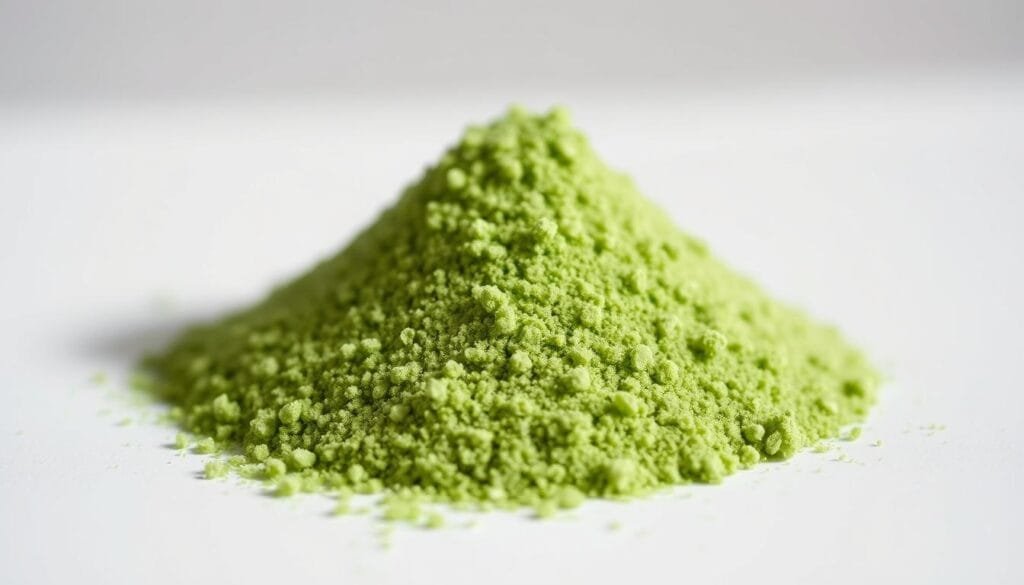
Barley grass powder and other grass powder blends are convenient for daily use. Ready-made barley grass juice shots suit busy mornings and short windows between meetings.
Suggested intake and timing
Common guidance recommends about 4–17 grams per day (roughly 1–3 teaspoons). Start low and increase based on tolerance.
Take it in the morning for steady energy, or 30–60 minutes before a workout to help boost energy. Always drink enough water when adding fiber to a routine.
Quick recipe: energizing smoothie
Try: 1–2 tsp barley grass powder, 1 banana, 1 cup blueberries, and 1 cup milk. Blend until smooth.
“Set a simple ritual—add a scoop after your walk—to keep consistency and notice changes over two weeks.”
| Format | Serving | Best use |
|---|---|---|
| Fresh greens | 50–100 g fresh | Salads, blending |
| Barley grass powder | 4–17 grams (1–3 tsp) | Smoothies, yogurt, water |
| Ready juice | 30–60 ml shots | On-the-go boost |
- Mixing tips: pair powder with citrus or pineapple juice to mask bitterness, or whisk into yogurt for a snack.
- Nutrition balance: add protein and healthy fats for lasting energy and a balanced diet.
- Measure: check scoop grams on packaging to match serving targets and track response for two weeks.
For help comparing powder vs. juice and tailoring servings, message Wellness Concept on WhatsApp at +60123822655 during business hours.
Barley grass vs. barley grain, water, and tea
Choosing between concentrated greens and the whole grain depends on goals and appetite. Greens juice gives a fast dose of micronutrients. Cooked grain delivers calories, protein, and heavy fiber for longer fullness.
Comparing nutrients: grass juice vs. cooked grain and barley water
A half-cup of hulled grain offers about 326 calories, 16 g of fiber, and 12 g of protein, plus magnesium, iron, and B6 per serving. That makes it a solid base for soups or salads in a healthy diet.
Unstrained cooking water keeps soluble components from the grain, so it contains more fiber and minerals than a strained tea. Tea yields milder flavor and fewer nutrients because solids are removed.
What to expect from barley tea and when to choose whole grain
Pick greens juice for a quick micronutrient boost before work or workouts. Choose cooked grain when you need lasting energy, protein, and texture in meals.
- Gluten note: grain-based water and tea contain gluten—avoid them if sensitive.
- Watch portions: whole-grain servings add calories; balance plates with vegetables and lean protein.
- Increase fiber slowly and drink water to reduce bloating or gas.
- Rotate options across the week to keep meals varied and satisfying.
“Use greens for concentrated micronutrients and cooked grain for sustained fullness, based on daily needs.”
For tailored suggestions, contact Wellness Concept on WhatsApp at +60123822655 or visit this guide.
Safety, side effects, and who should be cautious
Not everyone tolerates concentrated green powders the same way; a few checks reduce risk. The FDA does not regulate many dietary supplements like drugs, so product quality varies. Consumers should favour brands that publish third-party testing and clear sourcing.
Supplements, vitamin K, medications, and quality assurance
People on blood thinners should keep their vitamin K intake steady and talk with a clinician before adding supplements. Labels sometimes list high vitamin K or potassium levels. For trusted products, look for third-party certificates and batch testing.
Gluten cross-contamination, kidney concerns, and tolerance
Those with celiac disease or gluten sensitivity must check for gluten-free handling assurances. People with kidney issues should review potassium levels with their provider before use.
- Start low and increase slowly to monitor digestion and energy.
- Drink enough water when adding extra fiber to avoid bloating or gas.
- Read labels for allergens and storage instructions to keep products effective.
“If you have chronic conditions, are pregnant, or are giving supplements to children, speak with a healthcare professional first.”
Track any changes in energy, digestion, or wellbeing and share them with a clinician. For questions about product quality and safe use, message Wellness Concept on WhatsApp at +60123822655 or read more about possible side effects here.
Choosing high-quality barley grass products in Malaysia with Wellness Concept
Finding a reliable product starts with clear sourcing and testing. Consumers should pick items that list organic origins, show third-party lab results, and state concentration per scoop.
What to look for: organic sourcing, third-party testing, and concentration
Look for certified organic sourcing to reduce pesticide risk. Check for documented third-party testing that verifies purity and potency.
Review concentration details so you know how many grams of barley grass powder are in each scoop. That helps when tracking nutrients and tolerance.
Featured wellness picks: BARLEYGREEN Premium and complementary products
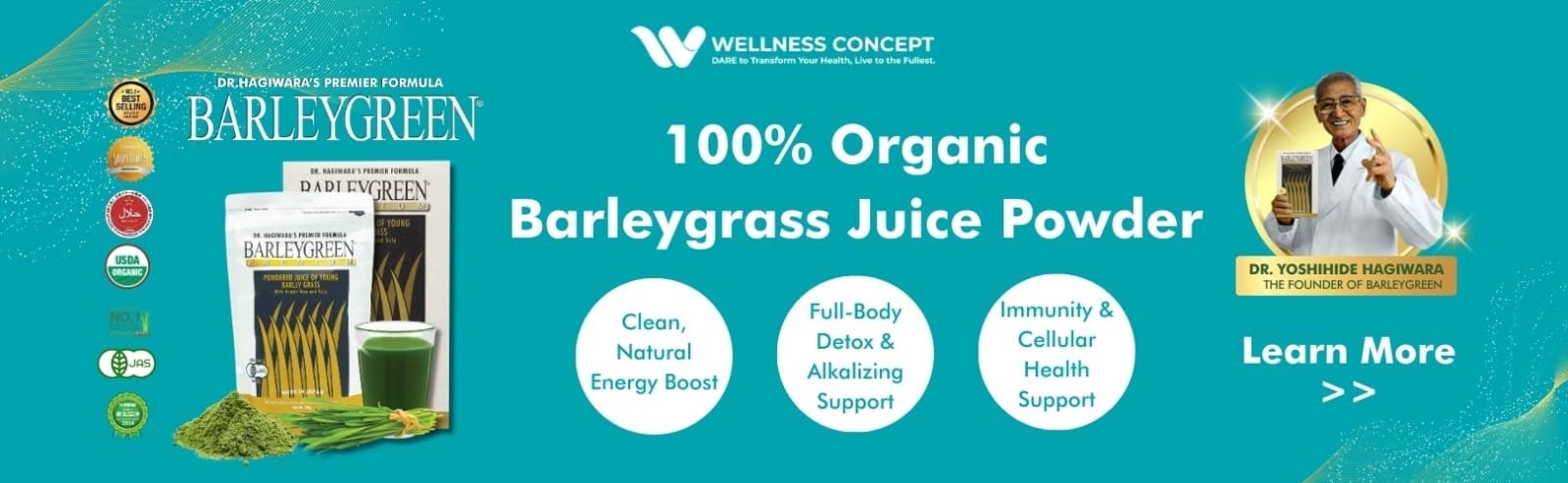
BARLEYGREEN Premium (200 g) is a highlighted option at Wellness Concept. They also offer complementary items like Protein Omega and TrioGut Stickpack to build a balanced routine.
| Product | Size | Best use |
|---|---|---|
| BARLEYGREEN Premium | 200 g | Daily scoop for micronutrients |
| Protein Omega | 180 g | Post-workout or meals |
| TrioGut Stickpack | 10 x 5 g | Travel-friendly gut support |
- Evaluate flavor, mixability, and nutrient label to promote regular use.
- Pair powders with protein and fibre-rich foods to support immune system function and steady energy.
- Try smaller sizes first to test taste and digestion before buying larger jars or packs.
- Store in a cool, dry place and use within the recommended timeframe for best quality.
Contact Wellness Concept on WhatsApp at +60123822655 for product comparisons and personalised plans. Business hours: Mon–Fri 9:30 am–6:30 pm; Sat–Sun 10 am–5 pm.
Conclusion
A short, regular ritual—like a morning scoop—helps people track effects and adjust servings over time.
Adding greens via barley grass powder, grass juice, or blended mixes is a simple way to add fiber, vitamins, and antioxidants to a balanced diet. Start with a measured daily scoop in grams, then change the amount to suit taste and tolerance.
Evidence points to possible support for blood sugar control, improved heart markers (one study used 15 g/day and saw reduced LDL oxidation in four weeks), and help with weight loss when paired with sensible eating and movement. Results vary, so habits matter most.
Compare labels for vitamins, minerals, and fiber per serving. Listen to the body, track responses, and consult a clinician if on medication. For personalised advice or to get started, message Wellness Concept on WhatsApp at +60123822655. Business hours: Mon–Fri 9:30 am–6:30 pm; Sat–Sun 10 am–5 pm.
FAQ
What is barley grass and why is it trending for better health?
It’s the young green shoots of the cereal plant used for its concentrated nutrients. People choose it for easy nutrient boosts, antioxidants, and as a plant-based addition to a balanced diet that may support energy and recovery.
What nutrients are found in a typical serving of barley grass powder or juice?
A serving often supplies fiber, small amounts of protein, and vitamins such as A, C, and K, plus minerals like magnesium and iron. Calorie counts are low, while antioxidant compounds such as polyphenols and chlorophyll provide additional benefits.
How much powder or juice should someone take daily?
Common recommendations range from about 4 to 17 grams per day depending on the product. Start at the lower end, see how the body responds, and follow manufacturer guidelines or a healthcare professional’s advice.
Can it help with blood sugar and insulin support?
Some research suggests soluble fibers and bioactive compounds may aid glycemic control when used alongside a healthy diet. It’s not a substitute for medication, so those with diabetes should consult their clinician.
Does it support heart health or weight management?
It may help by contributing fiber and antioxidants that support cholesterol balance and satiety control. Combined with calorie-aware eating and exercise, it can be a useful element for body composition goals.
How does it affect the immune system and the gut microbiome?
The blend of micronutrients, beta-glucan–like fibers, and phytochemicals can support immune function and feed beneficial gut bacteria, promoting overall digestive wellness.
What forms are available and which is best: powder, juice, or fresh greens?
Options include fresh shoots, cold-pressed juice, and dried powder. Powders are convenient and shelf-stable; fresh juice provides enzymes but has a short shelf life. Choice depends on lifestyle, budget, and desired convenience.
Are there simple ways to use powder or juice daily?
Mix powder into water, smoothies, or yogurt, or add a small shot of juice to a morning drink. Pairing it with fruit or healthy fats helps absorption and masks strong flavors.
How does grass juice compare with whole grain barley, barley water, or tea?
Young-plant juice delivers concentrated vitamins and antioxidants, while whole grain offers complex carbs, fiber, and sustained energy. Barley water and tea provide hydration and mild nutrients; each has distinct uses in a diet.
Are there safety concerns or side effects to watch for?
Mild digestive upset can occur when starting. People on blood-thinning medication should be cautious because of vitamin K content. Those with kidney issues or severe allergies should check with a doctor before use.
Is gluten contamination a risk with these products?
Cross-contamination can occur if grown or processed near grains containing gluten. Look for certified gluten-free labels if sensitivity or celiac disease is a concern.
How can consumers choose a high-quality product in Malaysia?
Seek organic sourcing, third-party testing for purity, clear concentration and serving info, and transparent manufacturing practices. Reputable brands will publish lab results and ingredient lists.
What is BARLEYGREEN Premium and how does it differ from other options?
It’s a branded product that emphasizes concentrated extracts and quality control. Buyers should compare concentration, certifications, and third-party tests when evaluating any supplement.
How can customers contact Wellness Concept for product questions or orders?
Wellness Concept can be reached via WhatsApp at +60123822655 during their business hours for inquiries about sourcing, product details, and purchasing.