
Currently Empty: RM0.00

0 Comments
Surprising fact: studies show many people carry fewer helpful gut microbes than those from just one generation ago, and small changes can shift health at scale.
Wellness Concept welcomes readers in Malaysia to clear, practical guidance about live supplements for the digestive system.
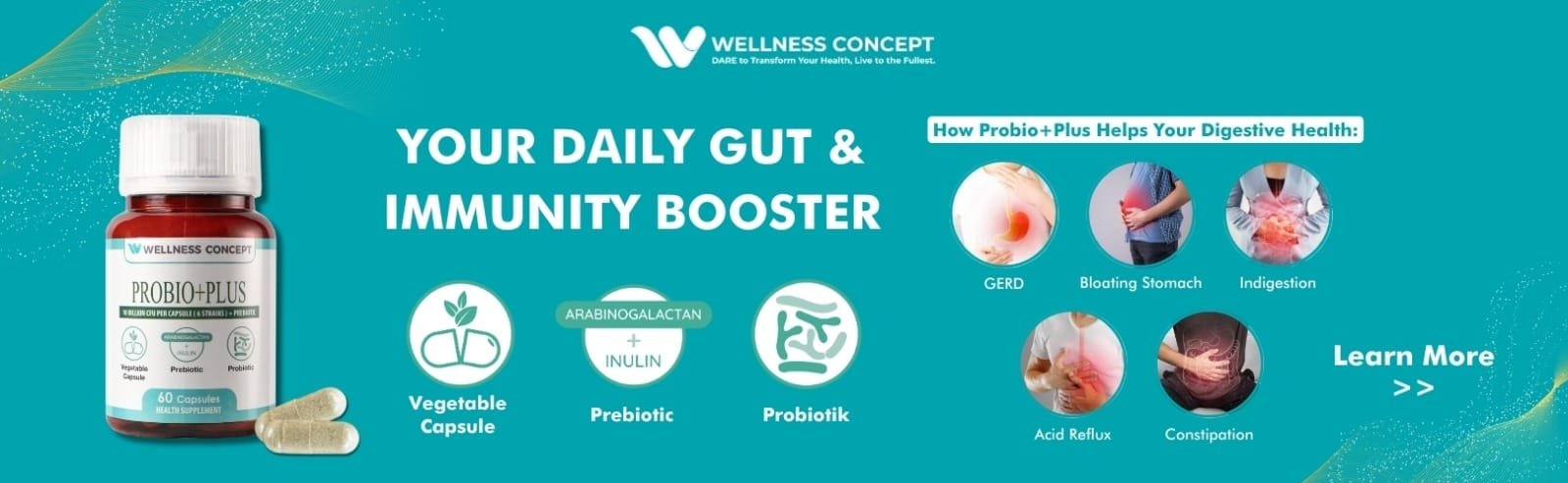
These live microbes can add balance to the gut and ease common complaints. They support digestion and overall health by nudging the microbiome toward stability. Real health benefits depend on strain identity, survival through the digestive tract, and viability at consumption.
Not all products are equal. Labels that state “live and active cultures” and list strains matter. For personalised advice or product questions, message WhatsApp +60123822655. Business hours: Monday–Friday 9:30 am–6:30 pm, Saturday 10 am–5 pm, Sunday Closed.
Readers who want a deeper look at practical choices and evidence can explore a detailed review at Health Benefits of Probiotics.
Key Takeaways
- Live supplements can help restore balance in the gut and support digestion.
- Benefits vary by strain, product quality, and consistent use.
- Look for “live and active cultures” and clear strain labels.
- Many fermented foods provide beneficial microbes alongside supplements.
- Contact Wellness Concept on WhatsApp for Malaysia-focused, friendly guidance.
Probiotics 101: What They Are and Why the Gut Microbiome Matters
Certain live microorganisms offer measurable benefits when taken in the right amounts.
Defining terms
Probiotics are live microorganisms that give a health benefit when consumed in adequate amounts. They must be named at the strain level so people know what they are buying.
The meaning of “live active cultures”
Live active cultures on a label means the product contains living microbes at the time of eating. This helps distinguish truly beneficial foods and products from those where processing reduced viability.
The gut microbiome in brief
The gut microbiome is an immense community of trillions of microorganisms along the digestive system, from the stomach to the lower tract. These communities of bacteria and other microbes support digestion, immune responses, and daily wellbeing.
- Not all strains act the same; strain identity matters.
- Fermented foods such as yogurt or kefir may contain live cultures, but labels matter.
- The microbiome also lives on the skin and in the mouth, influencing local and systemic health.
| Source | Typical live microbes | Notes for buyers |
|---|---|---|
| Yogurt | Lactobacillus spp. | Check for “live active cultures” on the label |
| Kefir | Bifidobacterium, Lactobacillus | Often richer diversity than yogurt |
| Supplements | Strain-specific blends | Look for strain ID and viability at expiry |
“Research increasingly links microbial balance with digestion and immunity.”
For Malaysia-specific product questions or help finding items labeled with live active cultures, message Wellness Concept on WhatsApp at +60123822655 during business hours.

How do probiotics work? Mechanisms behind digestive and immune benefits
Tiny allies in the gut influence digestion and the immune system through several clear pathways.
Indirect actions that shift the environment
Competition for space and nutrients helps curb harmful bacteria in the digestive tract. Certain strains release acids and antimicrobial compounds that lower harmful microbe counts. That change supports a stronger gut barrier and fewer inflammatory signals.
Direct signaling to host cells
Some microorganisms and their metabolites are recognized by epithelial, endocrine, and immune cells. This interaction can dial down inflammation and reduce permeability often called “leaky gut.” These direct effects link local activity to wider system responses.
Strain-specific actions and examples
Different strains of Lactobacillus and Bifidobacterium act in distinct ways. For example, some Lactobacillus strains make organic acids that inhibit pathogens. Certain Bifidobacterium strains help restore balance after disturbances. Strain selection matters for targeted benefits.
Fiber fermentation and short-chain fatty acids
Microbes ferment dietary fibers into short-chain fatty acids that feed colonic cells. These compounds nourish the gut lining and prime the immune system. Even transient strains can change microbiome activity while passing through the stomach and upper tract.
“Multiple mechanisms explain how live supplements and foods can calm digestion and support immune health.”
| Mechanism | Main action | Practical example |
|---|---|---|
| Competition | Limits harmful bacteria | Lactobacillus strains reduce pathogen growth |
| Signaling | Modulates immune responses | Metabolites lower inflammatory markers |
| Fermentation | Produces SCFAs to nourish lining | Fiber → acetate, propionate, butyrate |
If readers have questions about choosing strains like Lactobacillus or Bifidobacterium for specific goals, they can chat with Wellness Concept on WhatsApp at +60123822655 during working hours.
Choosing and using probiotics in Malaysia: foods, supplements, and smart storage
Practical choices at the grocery and pharmacy matter for keeping beneficial microbes alive. Readers can find options in local markets and pharmacies, from fresh fermented foods to over-the-counter supplements.
Fermented foods to consider
Yogurt, kefir, kombucha, kimchi and sauerkraut are common choices in Malaysia. Look for labels that list strains and live active cultures so shoppers know the product contains living microorganisms.

Reading supplement labels and storage
Check species and strain names, CFU at end of shelf life, and storage instructions before buying a supplement. Many Lactobacillus and Bifidobacterium products need refrigeration to stay viable.
- Prefer refrigerated products for delicate strains.
- Shelf-stable, endospore-forming options handle heat and wider pH ranges better.
- Avoid items labelled fermented but heat-treated; they may lack live cultures.
| Type | Typical handling | Benefit |
|---|---|---|
| Refrigerated cultures | Keep cold, avoid temperature swings | Higher survival of Lactobacillus/Bifidobacterium |
| Shelf-stable spores | No fridge needed | Better tolerance to stomach acid and heat |
| Fermented food | Check processing | Nutrient plus live microbes when raw |
Pairing with prebiotics
Onions, garlic, asparagus, artichoke and chicory root feed beneficial bacteria and support colonisation. Pairing prebiotic food with a probiotic choice helps microbes act in the colon and lower digestive tract.
“Read labels, store wisely, and pair with fibre-rich foods for best results.”
For Malaysia-specific product availability and storage advice, message Wellness Concept on WhatsApp at +60123822655. Business hours: Mon–Fri 9:30 am–6:30 pm; Sat 10 am–5 pm; Sun Closed.
When probiotics help: evidence-based use cases and practical timing
Timing matters: taking the right strain at the right moment can cut the chance of diarrhea and other issues.
Antibiotics: begin a suitable supplement with the first antibiotic dose and continue for at least one week after. This routine lowers antibiotic-associated diarrhea and related infections in many people.
Traveler’s diarrhea: daily use of Saccharomyces boulardii or a combo such as Lactobacillus acidophilus with Bifidobacterium bifidum throughout travel reduced risk in trials.
Irritable bowel syndrome (IBS): try a targeted supplement for four weeks to gauge changes in bloating and global symptoms. If no benefit, switch strains under guidance.
Constipation and ulcerative colitis: Bifidobacterium lactis improved stool frequency after four weeks for some people. Certain strains also help maintain remission in ulcerative colitis, while Crohn’s disease data remain mixed.
“Match strains to conditions, keep doses consistent, and track responses over time.”
| Condition | Example strain | Practical timing |
|---|---|---|
| Antibiotic-associated diarrhea | Multiple Lactobacillus spp. | Start with antibiotics, continue 1 week after |
| Traveler’s diarrhea | S. boulardii; L. acidophilus + B. bifidum | Daily during travel |
| IBS / bloating | Various strain-specific blends | 4-week trial, reassess |
Safety note: supplements are generally safe for healthy people. Those with weakened immune systems should consult a clinician before use. For timing or product choices in Malaysia, contact Wellness Concept on WhatsApp at +60123822655 during business hours.
Conclusion
A balanced microbiome supports everyday health and resilience across multiple body systems. Probiotics offer real benefits when chosen for strain identity, stored correctly, and taken with clear goals.
Pairing a chosen product with prebiotics from everyday foods gives beneficial microorganisms a better way to thrive. Options include fermented foods or a well‑selected probiotic supplement, depending on lifestyle.
Practical next steps: set a goal, read labels, keep doses consistent for several weeks, and note changes in gut health and overall wellbeing. Consider timing around antibiotics or travel for best results.
For Malaysia-based help selecting products or building a routine, message Wellness Concept on WhatsApp +60123822655. Business hours: Mon–Fri 9:30 am–6:30 pm; Sat 10 am–5 pm; Sun Closed. Learn more about the three health benefits.
FAQ
What are probiotics and what does "live active cultures" mean?
Probiotics are beneficial microorganisms, mainly bacteria like Lactobacillus and Bifidobacterium, found in some fermented foods and supplements. “Live active cultures” indicates the product contains living microbes that can reach the gut and potentially support digestion and immune responses.
Why does the gut microbiome matter for health?
The gut microbiome includes trillions of microbes that help break down food, produce vitamins and short-chain fatty acids, and train the immune system. A balanced community supports digestion, limits harmful microbes, and helps maintain the gut lining.
In what ways can these microbes benefit digestion and immunity?
They compete with harmful bacteria for space and nutrients, strengthen the intestinal barrier, and send signals to immune and epithelial cells that can reduce inflammation and improve barrier repair.
Do different strains have different effects?
Yes. Specific strains act differently: some Lactobacillus strains aid lactose digestion and reduce bloating, while Bifidobacterium often helps with stool regularity and immune modulation. Effects depend on species and strain.
How do gut microbes turn fibers into helpful compounds?
Certain microbes ferment dietary fibers into short-chain fatty acids like butyrate, acetate, and propionate. These compounds feed colon cells, support barrier integrity, and influence immune signaling.
Which foods contain live cultures that support gut health?
Fermented foods such as yogurt, kefir, kombucha, kimchi, and sauerkraut commonly contain live cultures. Choosing minimally processed varieties with clear labels ensures higher chances of viable microbes.
What should people look for on supplement labels?
Look for species and strain names (for example, Lactobacillus rhamnosus GG), a listed colony-forming unit (CFU) count at time of manufacture or expiry, storage instructions, and evidence from clinical trials when possible.
Do prebiotics matter when taking supplements or eating fermented foods?
Yes. Prebiotic fibers in onions, garlic, asparagus and chicory root feed beneficial microbes and support their growth, helping supplements and fermented foods have a greater effect.
When is it best to take a supplement during antibiotic treatment?
Taking a probiotic during and after antibiotics may reduce antibiotic-associated diarrhea. It’s generally advised to space doses a few hours apart from the antibiotic and continue for a few weeks after finishing the course, but people should follow a clinician’s guidance.
Can these products help irritable bowel syndrome or constipation?
Some strains show benefit for IBS symptoms, bloating, and constipation in clinical studies, but results vary by strain and individual. Choosing strains tested for the specific condition offers the best chance of improvement.
Are fermented drinks like kombucha safe and effective?
Kombucha can provide live cultures and antioxidants, but potency and strain composition vary widely. People with weakened immune systems or those pregnant should consult a healthcare professional before regular use.
How should probiotic supplements be stored?
Follow the label: some require refrigeration to preserve viability while others are shelf-stable. Proper storage helps ensure live microbes remain effective until the expiry date.
How long until someone notices benefits?
Some people notice changes in days to weeks for digestion or stool consistency; others need longer. Effectiveness depends on strain, dose, diet, and individual microbiome differences.
Are there safety concerns or side effects?
Most people tolerate live cultures well, with mild gas or bloating initially. Those with severe illnesses, central lines, or compromised immunity should consult a doctor because rare infections can occur.
Is there strong evidence supporting general use for overall health?
Evidence supports targeted uses—such as preventing antibiotic-associated diarrhea, managing some IBS symptoms, and helping pediatric acute diarrhea. For general wellness, results are mixed and strain-dependent, so choices should be evidence-based.