
Currently Empty: RM0.00
0 Comments
Surprising fact: recent studies found that distinct microbiome signatures in resilient people tied to lower inflammation and clearer emotion regulation on brain scans.
Wellness Concept in Malaysia welcomes readers looking for practical guidance on gut and brain wellbeing. This short guide explains why the digestive tract stays in constant communication with the brain and why that matters for everyday mood and cognition.
The piece previews key systems: the enteric nervous system, the vagus nerve, and the microbiota. It outlines core mechanisms such as neurotransmitter production and short-chain fatty acids that can change attention, anxiety, and depressive symptoms.

Readers will see research-based notes on resilience, cognitive effects from prebiotics and long antibiotic use, and practical, Malaysia-friendly diet and lifestyle tips. For personalised support, contact Wellness Concept via WhatsApp at +60123822655. Business hours: Mon–Fri 9:30 am–6:30 pm; Sat 10 am–5 pm; Sun Closed.
Key Takeaways
- The gut and brain stay in continuous two-way communication.
- Microbiota patterns can relate to mood and stress resilience.
- Several pathways — nerves, immune signals, and metabolites — link digestion to cognition.
- Evidence shows promise from prebiotics but also caution with long antibiotic use.
- Practical, culturally relevant steps in Malaysia can support better outcomes.
Understanding the gut-brain axis: how your gut and brain stay in constant communication
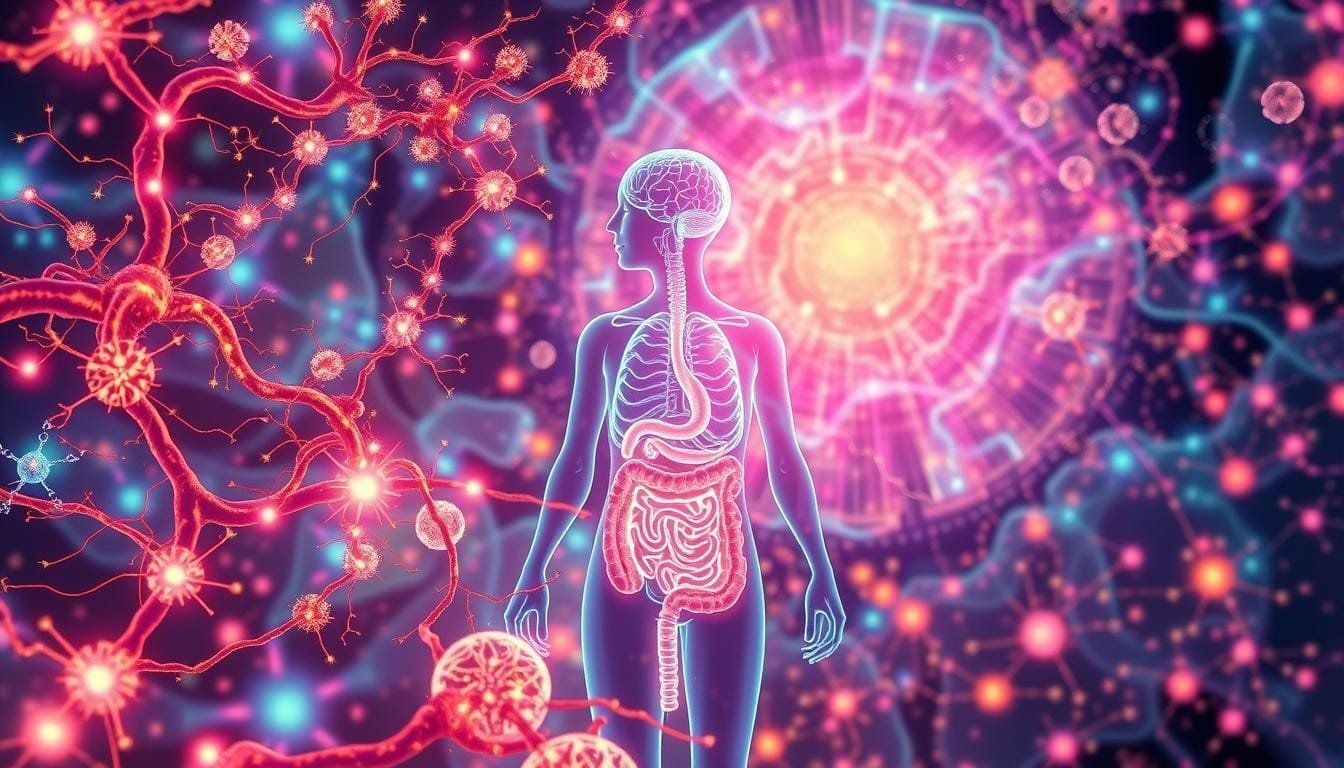
The gut-brain axis is a network that links the gut and the brain through continuous signals. It uses nerves, hormones and immune messages to keep the body balanced.
The enteric nervous system works like a local controller. It can sense nutrients, react to stress, and adjust digestion without waiting for the brain.
The vagus nerve provides a direct line of communication. It carries sensory updates from the gut to the brain and motor commands back to the gut to change function on demand.
The axis teams with the endocrine system to control appetite and stress hormones. It also links to the immune system to handle threats in the digestive tract.
- The gut-brain axis explains two-way communication between gut and brain across neural, hormonal, and immune pathways.
- The gut microbiome is an active part in this communication by shaping chemical messengers.
- Understanding this axis clarifies why gut discomfort can change how the brain feels and acts.
| Component | Main Role | Impact on Function |
|---|---|---|
| Enteric nervous system | Local sensing and reflex control | Adjusts digestion and sends signals to central circuits |
| Vagus nerve | Bidirectional neural highway | Transmits sensory and motor signals that alter mood and attention |
| Gut microbiome | Chemical messenger production | Modulates immune responses and neurochemical signals |
Wellness Concept translates these findings into simple daily steps for readers in Malaysia. Message them on WhatsApp at +60123822655 during business hours for tailored advice.
Key systems in the connection: enteric nervous system, vagus nerve, and gut microbiome
A trio of systems — neural networks, a major nerve highway, and microbial communities — drive gut–brain signaling. Each plays a distinct role in sensing food, managing digestion, and sending chemical or electrical messages up to the brain.
Enteric nervous system: the “second brain” in the GI tract
The enteric nervous system contains over 500 million neurons and runs daily digestion with semi-independent control. It manages motility, secretion, and blood flow, so discomfort or ease often starts here.
Vagus nerve: the bidirectional superhighway
The vagus nerve links the enteric circuits to central networks. It carries sensory updates from the gut up to the brain and sends regulatory commands back down via reflex loops.
Gut microbiome: microbes shaping signals, hormones, and immune responses
Gut microbes produce metabolites and neurotransmitters that reach the brain through circulation. These microbes also interact with immune and endocrine responses, so shifts in microbiota can change signaling and behaviour.
- Simple support: high-fiber foods and fermented options help nurture diverse microbiota.
- Manage stress and sleep to keep nervous system communication steady.
- For tailored guidance, WhatsApp Wellness Concept at +60123822655 during business hours.
Core mechanisms: how gut microbes can influence mood, anxiety, and cognition
Tiny molecules produced by microbes play an outsized role in daily mood and cognitive function. These signals travel via nerves, the bloodstream, and immune routes to change how the body and brain respond to stress.
Neurotransmitters and neuromodulators
Neurotransmitters such as serotonin and dopamine are produced in large part outside the central nervous system. About 90% of serotonin and roughly 50% of dopamine originate in the gut, where microbiota help make and modulate these chemicals.
Practical note: shifts in these signaling molecules can change calmness, sleep, motivation, and attention during everyday tasks.
Short-chain fatty acids and barrier support
Microbes ferment dietary fiber to produce short-chain fatty acids. These fatty acids help keep the gut barrier intact and reduce inflammatory signals that might travel to the brain.
A firmer barrier often means lower background inflammation, clearer thinking, steadier mood, and improved stress responses.
- Many mood- and focus-related signals begin in the microbiota and travel to the nervous system.
- Disruptions can lower neurotransmitter availability and SCFA production, with downstream effects on brain function.
- Daily steps—fiber-rich foods, movement, and consistent sleep—help stabilise these pathways over time.
For personalised advice, contact Wellness Concept on WhatsApp at +60123822655 to translate these mechanisms into practical changes that fit Malaysian routines.
What recent research says about resilience, stress, and microbiota
Recent research has identified microbial activity patterns that distinguish highly resilient adults from those with lower resilience. A Nature Mental Health study showed these patterns in people without psychiatric diagnoses.

Distinct microbiome signatures linked to higher psychological resilience
Researchers found specific microbiome signals that align with better coping under pressure. These activity profiles were consistent across several measures of resilience and stress response.
Reduced inflammation and stronger gut barrier in resilient individuals
Key finding: resilient people showed lower inflammatory markers and improved barrier integrity. This may reduce distress signals sent to the brain via immune routes.
Brain changes tied to improved emotion regulation and cognition
Brain imaging revealed features tied to stronger emotion regulation and cognitive control. The scans suggested a firmer top-down “brake” when stress rose.
Why biomarkers may guide future mental health treatments
Scientists note multiple communication routes: vagus signaling, the immune system, and microbial metabolites such as short-chain fatty acids. Early studies in humans have tested fermented-food-rich diets and seen reduced inflammation in some examples, but outcomes vary.
- Biomarkers in stool, blood, and imaging may help tailor therapy or exercise prescriptions.
- Evidence is growing, yet more human trials are needed before recommending specific probiotic formulas.
- Practical steps include adding fiber, polyphenol-rich foods, and fermented items alongside stress management.
“This work encourages a holistic approach: supporting the gut may complement therapies that target thoughts and behaviour.”
Wellness Concept recommends evidence-informed steps and personalised plans. For questions, WhatsApp +60123822655.
How gut bacteria affects mental health?
Alterations in microbial activity may be tied to small but meaningful shifts in emotion and concentration.
Key pathways: microbes influence neurotransmitter availability and produce metabolites that reach the brain. These signals can shape mood, energy, and focus over time.
Practical impact: people often notice mood swings, sleep changes, or lower stress tolerance when digestion is unsettled. Low-grade inflammation from a more permeable barrier may send stress cues to the brain and change motivation or outlook.
- Microbial shifts alter neurochemical supply and metabolite profiles.
- Changes can be gradual and vary by person; effects may take weeks to months.
- Supportive diets and stress-management habits nudge the microbiome toward balance.
| Pathway | What it does | Possible outcome |
|---|---|---|
| Neurotransmitter supply | Modulates serotonin and dopamine precursors | Alters mood, sleep, and motivation |
| Barrier integrity | Limits low-grade inflammation | Reduces stress signalling to the brain |
| Microbial metabolites | Produce SCFAs and other modulators | Support cognition and calmness |
“Resilience research shows that certain microbiome patterns align with lower inflammation and clearer emotion regulation.”
For one-on-one guidance in Malaysia, message Wellness Concept on WhatsApp at +60123822655 during business hours to get a realistic plan that fits local foods and routines.
Evidence snapshot: cognitive effects seen with prebiotics and antibiotic exposure
Recent controlled trials and large observational papers offer a compact view of cognitive changes linked to microbiota-targeted steps and prolonged antibiotic use.
Prebiotics and small gains in attention and problem-solving
In a 12-week crossover trial of participants with psychosis who were stable on medication, a prebiotic produced small but significant improvements in overall cognitive function.
The biggest gains were in attention and problem-solving. No clear changes appeared in immunity or metabolism, so the pathway remains an open question.
Long-term antibiotic use correlated with lower cognitive scores
A large observational study of 14,542 UK nurses found that antibiotic courses longer than two months were linked to lower scores in learning, working memory, and attention. Slight differences persisted up to seven years.
Because this research is correlational, it cannot prove cause, but it raises an important example of potential lasting effects after microbiota disruption.
- Key takeaway: targeted microbiota strategies can yield measurable cognitive gains, though effect sizes are modest.
- Readers should consult providers before changing supplements while on medication.
- For practical next steps in Malaysia, message Wellness Concept on WhatsApp at +60123822655 for personalised guidance.
Anxiety, depression, and functional GI disorders: the overlap
Digestive symptoms and mood shifts often travel together, reflecting a shared body–brain network. Functional gastrointestinal disorders like IBS frequently appear with anxiety and depression. This overlap shows the two-way link between physical discomfort and emotional state.
IBS and anxiety: a common co-occurrence along the gut-brain axis
Many people feel both digestive discomfort and anxious thoughts. Persistent symptoms may disrupt sleep, work, and social routines. These effects create a cycle that is hard to break without a whole-person plan.
- No clear structural disease: functional disorders cause real, ongoing symptoms even when scans look normal.
- Two-way influence: anxiety and depression can heighten gut sensitivity and change motility, and physical pain can worsen mood.
- Practical routines help: steady meals, hydration, fiber, gentle movement, sleep, and slow-breathing techniques soothe both body and mind.
- Personal tracking: a symptoms-and-stress log often reveals triggers and guides tailored changes.
Wellness Concept can help align gut-supportive habits with emotional goals and local routines in Malaysia. Message them on WhatsApp at +60123822655 for personalised planning and coordinated care that respects both physical and emotional needs.
Diet and lifestyle: what helps the gut-brain axis today (and what we don’t know yet)
Simple shifts in daily meals and routines can shape the gut–brain conversation over weeks.
Focus on whole, minimally processed meals. Choose fiber-rich items to feed microbiota and support steady energy. Vegetables, legumes, and local grains make this affordable and familiar for Malaysian plates.

Add fermented foods regularly. Small human trials show reduced inflammation after fermented-rich diets. A veggie-forward plan also lowered perceived stress in one trial, though clear prescriptions are still emerging.
Daily routines matter: a consistent meal rhythm, good sleep, hydration, and gentle movement help the body and brain manage stress signals. Simple stress tools—breathwork, short walks, or five minutes of mindfulness—reduce gut reactivity to daily pressures.
- Make changes slowly and track tolerance over two to four weeks.
- Prefer food-first strategies; be cautious with supplements.
- Recognise individual response varies; aim for lasting routines, not quick fixes.
“Small, steady habits build a resilient microbiota and steadier mood over time.”
For local, budget-friendly meal ideas, message Wellness Concept on WhatsApp at +60123822655 for personalised tips.
The role of inflammation and the immune system in mood and mental health
A cycle of low-grade inflammation and barrier disruption can send persistent stress cues to the brain. Recent findings show that resilient people tend to have microbiome activity tied to lower inflammation and better barrier integrity.
Leaky gut as a stress signal to the brain
When the intestinal lining becomes more permeable, more inflammatory molecules can enter circulation.
These signals reach the brain and act like a chronic stress alarm. Over time, mood and motivation may shift.
Pro- vs. anti-inflammatory microbiota patterns in mental conditions
Research and small studies have linked pro-inflammatory microbial patterns with several psychiatric conditions and some chronic disease profiles.
By contrast, anti-inflammatory patterns appear in resilient people. This suggests the immune system and microbes interact to shape risk and recovery.
Stress-induced microbiome changes observed in preclinical models
Animal studies show that stress can shift microbial communities and weaken barrier function. These changes can then feed back to the nervous system.
The vagus nerve and other signalling routes help explain how these loops form and why steady routines matter.
- A leaky barrier lets inflammatory signals circulate and signal ongoing stress to the brain.
- Daily habits—steady meals, fermented foods, sleep hygiene, and light movement—support barrier strength and lower inflammation.
- For practical strategies to calm gut-driven inflammation through daily habits, WhatsApp Wellness Concept at +60123822655.
Microbial metabolites that matter: short-chain fatty acids and beyond
Microbial metabolites translate food into signals that shape mood and cognitive function. These small compounds come from fermentation of plant fibers and act locally and at a distance.
SCFAs supporting the gut barrier and modulating the nervous system
Short-chain fatty acids — acetate, propionate, and butyrate — help keep the intestinal lining tight. That reduces low-grade inflammation and limits immune signals that travel to the brain.
When SCFA-producing gut microbes are reduced, barrier support can weaken. Prior research found a community linked to SCFA production was lower in people with depression and higher anxiety.
- SCFA production depends on the microbiota present and the fibers eaten.
- These acids can change nervous system activity and may calm inflammatory signalling that alters mood and cognition.
- Gradual increases in diverse plant fibers help feed a broader set of microbes and boost metabolite output.
| Metabolite | Main source | Key role | Practical tip |
|---|---|---|---|
| Acetate | Fermented fibers | Energy substrate, barrier support | Include fruits and whole grains |
| Propionate | Legume and grain fibers | Immune modulation | Add lentils and local pulses |
| Butyrate | Resistant starches, veggies | Colon cell health, anti-inflammatory | Try steamed yams and bananas |
For help choosing fiber sources and fermented foods that suit local tastes, message Wellness Concept at +60123822655.
Malaysia context: everyday foods and habits to support a healthy microbiome
Everyday Malaysian plates offer many practical ways to support a resilient gut microbiome and steady mood. Simple shifts in diet and routine can cut low-grade inflammation and improve how the body feels day to day.
Lean on local staples: leafy greens, colorful vegetables, legumes, fruits, and whole grains feed microbial variety. Add modest portions of fermented foods like tempeh, achar, or small servings of fermented vegetables to support anti-inflammatory activity.
Keep meals balanced with fiber and protein to sustain energy and gentle digestion. Hydrate often in the tropical climate and prefer soups, stews, or steamed dishes when sensitivity is high.
- Build a daily rhythm: regular meals and a night wind-down for better sleep.
- Light movement after eating (short walks) aids digestion and stress management.
- Try a two-week food-and-feel log to discover which local foods suit you best.
Start small: one extra serving of vegetables, one fermented item, and a 10-minute walk. For Malaysia-friendly meal plans and personalised routines, message Wellness Concept on WhatsApp at +60123822655. Business hours: Mon–Fri 9:30 am–6:30 pm; Sat 10 am–5 pm; Sun Closed.
Work with Wellness Concept in Malaysia
Personalised plans from Wellness Concept guide clients through practical meal and routine changes that fit Malaysian life. The team helps people translate research into realistic steps that support daily well‑being and long‑term health.
Personalized guidance on gut health, diet, and stress-supporting routines
Wellness Concept offers friendly, tailored support. They cover meal planning, fermented foods, fiber strategies, sleep hygiene, and simple stress tools.
Their role is to turn complex findings into small changes that form part of a steady routine. Clients get tips, progress tracking, and adjustments based on comfort and results.
Contact Wellness Concept via WhatsApp at +60123822655
Taking the first step is easy — send a quick message to explore options and costs. The team encourages coordination with existing care so plans remain safe and effective.
Business hours: Mon–Fri 9:30 am–6:30 pm; Sat 10 am–5 pm; Sun Closed
- Low‑cost, high‑impact steps first, then build as confidence grows.
- Education-first approach so clients learn the part daily choices play in overall health.
“Small, steady habits often form the most reliable path to lasting change.”
Conclusion
This summary draws practical steps from research so readers can support daily mood and brain function through simple routines. ,
Key point: steady care for the gut-brain axis and microbiome can lower inflammation and help resilience, attention, and emotion regulation in many people.
Evidence from studies in humans links microbiota patterns to depression, anxiety, and functional disorders, but more trials are needed before firm prescriptions emerge.
Focus on fiber, fermented foods, sleep, and stress tools to build stability. Biomarkers may soon guide which treatments suit specific conditions and bring stronger effects for the brain.
Next step: for Malaysia-friendly plans and simple weekly goals, message Wellness Concept on WhatsApp at +60123822655 during business hours.
FAQ
What is the gut-brain axis and why does it matter?
The gut-brain axis is the constant two-way communication network linking the digestive tract and the central nervous system. It includes the enteric nervous system, the vagus nerve, immune signaling, and metabolic messengers produced by microbes. This network lets signals from the digestive tract influence mood, stress responses, sleep, and cognition, while the brain shapes digestion and microbial communities through hormones and behavior.
What role does the enteric nervous system play?
The enteric nervous system acts like a “second brain” inside the gastrointestinal tract. It manages digestion locally and sends signals to the central nervous system about nutrient status, inflammation, and microbial activity. Those signals shape appetite, discomfort, and emotional states through neural and chemical routes.
How does the vagus nerve connect the gut and brain?
The vagus nerve is the bidirectional superhighway between the gut and brain. It transmits sensory information from the gut to brain centers that regulate mood and stress, and carries regulatory commands from the brain back to influence gut motility, secretion, and immune responses. Vagal tone is linked to calmer stress responses and better emotion regulation.
How do gut microbes influence signaling and hormones?
Microbes make neurotransmitter precursors, peptides, and metabolites that modulate nervous and immune activity. They affect production of serotonin precursors, dopamine pathways, GABA-like signals, and hormones such as cortisol via HPA axis interactions. These compounds alter inflammation, barrier function, and neural circuits tied to mood and cognition.
Which microbial metabolites are most important for brain-related effects?
Short-chain fatty acids (SCFAs) — acetate, propionate, and butyrate — are key. SCFAs support intestinal barrier integrity, reduce inflammation, and influence microglia and neurotransmission in the brain. Other metabolites, including tryptophan derivatives and bile acid transformations, also shape neural and immune pathways.
Is there evidence that microbial patterns link to resilience or stress response?
Emerging studies identify distinct microbial signatures in people with higher psychological resilience: richer microbial diversity, more SCFA producers, and lower markers of gut permeability. Resilient profiles often show reduced systemic inflammation and brain changes consistent with better emotion regulation, suggesting future biomarkers for targeted care.
Can prebiotics or antibiotics change cognition or attention?
Research shows prebiotic supplements can produce small but measurable improvements in attention and problem-solving in some people. Conversely, long-term antibiotic exposure has been correlated with lower cognitive scores in observational studies. Effects depend on dose, timing, and individual baseline biology.
How common is overlap between digestive disorders and anxiety or depression?
Co-occurrence is frequent. Conditions like irritable bowel syndrome (IBS) often appear alongside anxiety and depressive symptoms. Shared pathways include altered motility, immune activation, microbial imbalance, and heightened central sensitivity to visceral signals, making combined management important.
What dietary and lifestyle steps support this communication system?
A fiber-rich, varied diet that includes fermented foods supports beneficial microbes and increases SCFA production. Regular physical activity, adequate sleep, stress-reduction practices (mindfulness, breathing exercises), and avoiding unnecessary antibiotics help maintain balance. Personal responses vary, so tailored plans work best.
How does inflammation and the immune system link to mood?
Immune activation signals from the digestive tract can reach the brain and alter neurotransmitter systems and neural circuits involved in motivation and mood. Increased intestinal permeability can amplify systemic inflammation, which is associated with fatigue, low mood, and cognitive changes in some individuals.
Are there specific microbial patterns tied to depressive or anxious states?
Studies report patterns such as reduced diversity and fewer anti-inflammatory species in people with depressive or anxious conditions. However, findings are heterogeneous across populations. Researchers aim to identify reliable biomarkers that could guide personalized interventions in the future.
What is known about microbial effects in the Malaysian context?
Local diets and food practices shape regional microbial profiles. Traditional Malaysian foods rich in plant fiber, legumes, and fermented items can support microbial diversity and SCFA production. Adapting evidence-based diet and lifestyle guidance to local eating habits helps people benefit from culturally relevant choices.
How can someone in Malaysia get personalized support on this topic?
Wellness Concept in Malaysia provides tailored guidance on diet, stress-supporting routines, and gut-related wellness. They can be contacted via WhatsApp at +60123822655. Business hours are Mon–Fri 9:30 am–6:30 pm and Sat 10 am–5 pm; closed Sundays.