
Currently Empty: RM0.00
0 Comments
Surprising fact: recent trials suggest certain live strains can lead to small drops in body weight and waist size for some people, showing measurable effects on calorie harvest and hunger hormones.
Wellness Concept offers a friendly, local guide in Malaysia that explains what these live microorganisms are and how they act in the gut and microbiome.

The guide outlines safe ways to add fermented foods and tested products to daily routines. It sets clear expectations: these supports can help some people, but they are not a magic fix and work best with good sleep, movement, and a balanced diet.
Practical details include strains linked to belly-fat changes, mechanisms like short-chain fatty acids and hormones such as GLP-1 and PYY, plus tips to track energy, digestion, and waist circumference over weeks.
For tailored product guidance, readers in Malaysia can contact Wellness Concept via WhatsApp at +60123822655 during business hours: Mon–Fri 9:30 am–6:30 pm, Sat 10 am–5 pm. Sunday closed.
Key Takeaways
- Certain live strains show modest weight and waist benefits for some individuals.
- Effects work through gut actions, hormones, and gut barrier support.
- Use fermented foods and tested products alongside diet and activity.
- Track digestion, energy, and waist size to judge benefit over weeks.
- Seek advice if pregnant, immunocompromised, or taking medications.
- Wellness Concept offers local guidance and product help in Malaysia.
Understanding the gut microbiome and metabolism in the present day
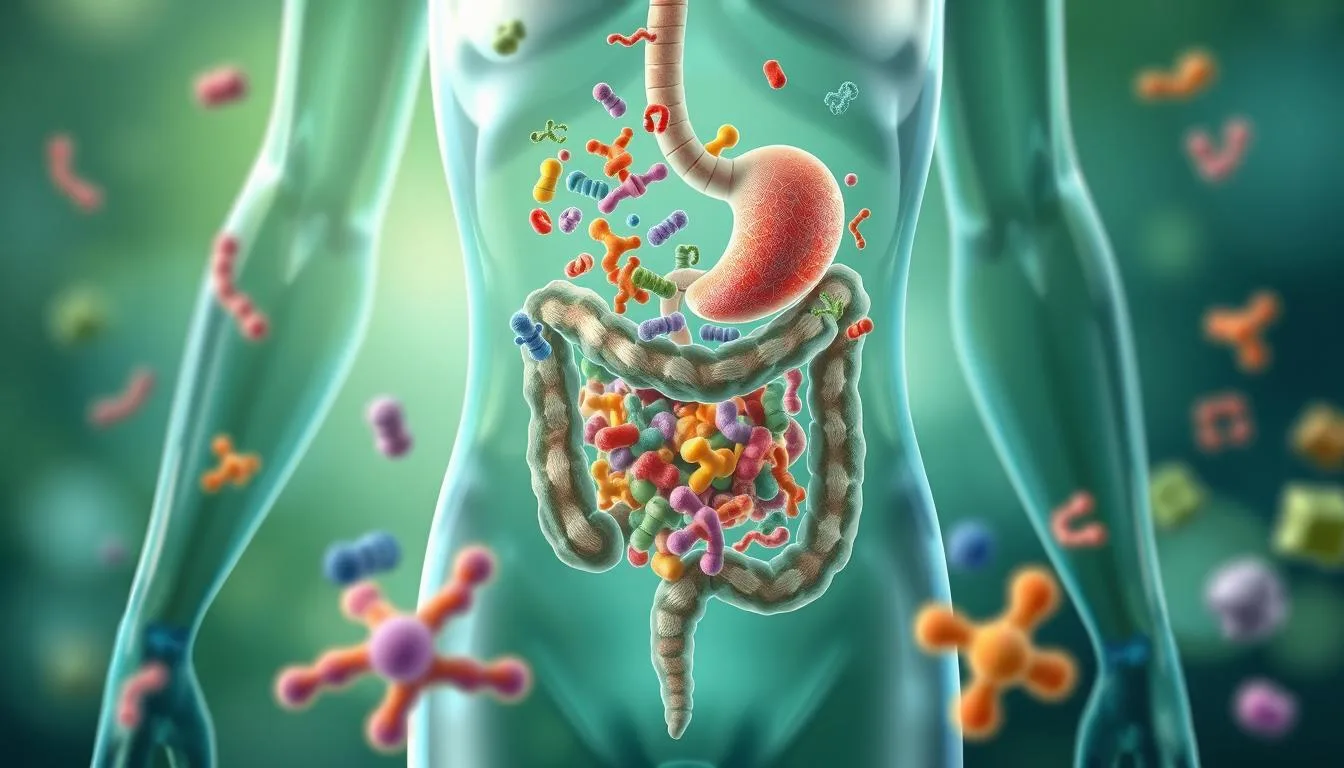
The gut hosts trillions of microbes that shape how the body uses food and energy.
What helpful microbes do in the digestive system
Probiotics are live microbes added through foods or supplements to help rebalance the gut microbiome when needed.
People get these microbes from fermented foods with live and active cultures or from tested products. Most are taken by mouth and must survive digestion to reach the GI system and interact with resident bacteria.
Good vs. bad bacteria: balance, diversity, and short-chain acids
Friendly bacteria break down fiber into short-chain fatty acids such as butyrate, acetate, and propionate. These acids act as signals tied to appetite, gut lining support, and energy pathways.
Research shows that community diversity in the microbiome tends to differ between people with moderate weight and those with overweight or obesity. Low diversity often links with less resilient gut health.
| Feature | Role | Everyday tip |
|---|---|---|
| Friendly bacteria | Make vitamins K and some B vitamins | Include fiber-rich plants and fermented foods |
| Short-chain acids | Signal metabolic and gut lining functions | Eat whole grains, legumes, and vegetables |
| Diversity | Linked to resilience and lower inflammation | Avoid long low-fiber stretches and unnecessary antibiotics |
Need local advice? For questions on how probiotics fit into daily routines in Malaysia, Wellness Concept is available Monday–Friday 9:30 am–6:30 pm and Saturday 10 am–5 pm via WhatsApp +60123822655.
Do probiotics improve metabolism?
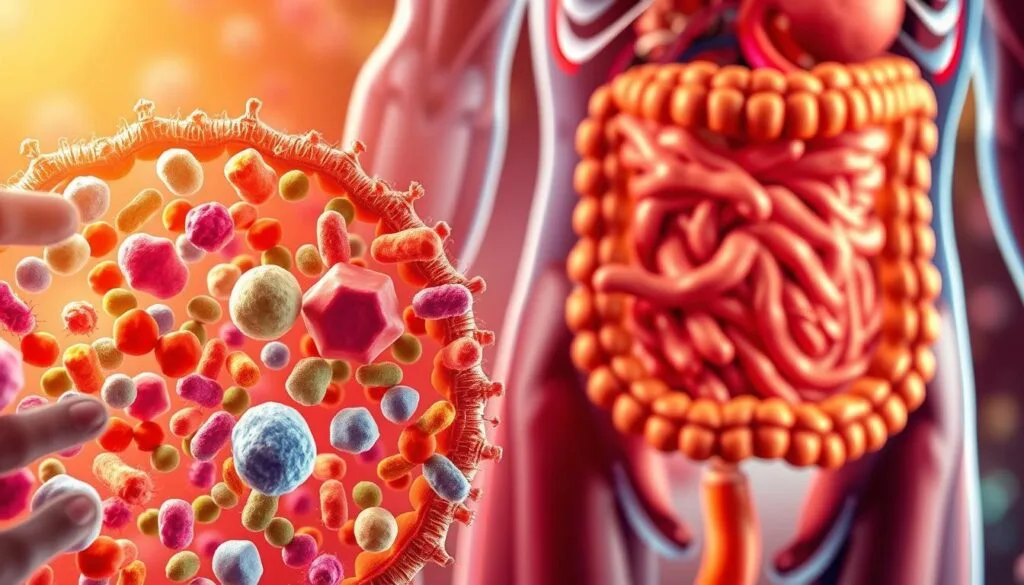
Research suggests tiny molecules made by the gut can influence how the body handles calories.
SCFAs and energy harvest
Short-chain fatty acids — acetate, propionate, and butyrate — are made when bacteria ferment fiber.
These acids may reduce calorie harvest and change how the body stores energy.
Appetite and fat-storage signals
Certain strains have been linked to higher GLP-1 and PYY, hormones that support fullness.
Higher ANGPTL4 levels may also shift the body to store less fat and increase fat excretion.
Gut lining and systemic inflammation
When the gut barrier is stronger, fewer inflammatory molecules cross into the bloodstream.
Lower inflammation can help insulin work better and support healthier energy use across the system.
- Key points: Selected strains may raise SCFAs and alter calorie absorption.
- Effects are strain-specific and modest; outcomes depend on diet, sleep, and activity.
- Wellness Concept can help Malaysians choose options; WhatsApp +60123822655 during business hours.
| Pathway | How it acts | Practical note |
|---|---|---|
| SCFAs (acetate, propionate, butyrate) | Signal gut receptors, alter energy harvest | Eat fiber-rich foods to feed helpful bacteria |
| Gut hormones (GLP-1, PYY) | Increase satiety, reduce intake | Some strains linked to hormone changes in trials |
| ANGPTL4 | Reduces fat storage, raises fat excretion | Strain-specific results; not universal |
| Gut barrier | Lowers systemic inflammation | Supports insulin sensitivity and overall system health |
What the research says about weight, belly fat, and metabolic health
Evidence from trials points to modest changes in weight and belly fat with select microbial strains.
Supportive findings
Human trials report small decreases in body weight, body fat, and waist circumference with strains such as lactobacillus gasseri, L. plantarum, L. sakei and some Bifidobacterium blends.
A 12-week study with L. sakei showed significant falls in body fat mass and waist size in adults with overweight obesity.
Mixed evidence and quality limits
Several meta-analyses find favorable signals for weight loss, yet other reviews note limited study quality and short durations. This mixed evidence means results vary by strain, dose, and study design.
Diversity, prevention, and practical notes
People with overweight or obesity often show lower microbiome diversity. Observational data link yogurt intake with less belly fat, supporting a food-first approach.
- Prevention: Animal work (eg, VSL#3) suggests formulas can prevent weight gain and insulin resistance, but human trials are needed.
- Interpretation: Outcomes depend on the specific probiotic and context, not the label alone.
Need product advice in Malaysia? Message Wellness Concept on WhatsApp +60123822655 during business hours for realistic expectations and selection.
How to use probiotics and prebiotics to support your metabolism
Start small: adding a few fermented items and fiber-rich choices to daily meals is a practical way to support gut balance.
Fermented foods to consider
Choose everyday foods with live and active cultures. Good options include yogurt, kefir, kimchi, sauerkraut, miso, kombucha, and tempeh.
These fermented foods add diversity to the microbiome and fit easily into Malaysian meals—try tempeh with rice or miso soup for dinner.
Choosing a probiotic supplement
When selecting a probiotic supplement, look for named strains (for example, L. plantarum or B. animalis), guaranteed counts through expiration, and clear storage instructions.
Quality signals include strain ID, CFU at shelf life, and third-party testing.
Prebiotics that feed good bacteria
Include prebiotics from onions, garlic, leeks, asparagus, legumes, and whole grains. These sources feed resident microbes so the new strains stick around.
Simple daily habits and tracking progress
- Eat a variety of plant foods each week to increase diversity.
- Combine fermented foods and prebiotic sources for synergy.
- Start one supplement at a time and begin with a lower dose to check tolerance.
“Track simple markers over 4–8 weeks: energy, bowel regularity, bloating, and waist circumference.”
| Choice | What to check | Practical tip |
|---|---|---|
| Fermented foods | Live cultures listed | Include most days |
| Supplement | Strain, CFU, storage | Choose products sold in Malaysia with local support |
| Prebiotic foods | Fiber sources | Pair with meals to boost effect |
For Malaysia-specific sourcing and product recommendations, contact Wellness Concept on WhatsApp +60123822655 during business hours (Mon–Fri 9:30 am–6:30 pm; Sat 10 am–5 pm).
Who may benefit, potential side effects, and safety tips
Knowing who should try gut-focused products — and when to get medical advice — makes starting safer and more useful.
People with digestive or metabolic concerns: when to consult a provider
People with frequent digestive discomfort, regular antibiotic use, or metabolic concerns may explore potential health benefits from targeted supplements.
Those who are immunocompromised, seriously ill, pregnant, or recently post-surgery should discuss risk with a healthcare provider before taking probiotics or related products.
Common side effects and how to start low and go slow
Transient gas, mild bloating, or a temporary change in stool are common side effects as the gut adapts. These usually ease after a few days to weeks.
Start low and go slow: begin with a small serving of fermented food or a lower-dose supplement, then increase if comfortable.
- Choose reputable products with named strains and clear viability through expiration.
- Pair use with good sleep, stress management, movement, and a fiber-rich diet to support the immune system and system resilience.
- If side effects persist beyond a few weeks, pause the product and seek professional review to reassess strain and dose.
“Keep expectations realistic: these supports can be helpful tools for the body, but they work best alongside broader lifestyle steps.”
Wellness Concept offers local guidance on safe use and product choice via WhatsApp +60123822655 during business hours (Mon–Fri 9:30 am–6:30 pm; Sat 10 am–5 pm).
Personalized guidance in Malaysia: connect with Wellness Concept
Wellness Concept offers practical, local support to match gut-focused choices with real-life goals in Malaysia.
They help people pick a suitable probiotic supplement and compare products sold locally. Advice covers named strains, viability, storage, and how to pair supplements with diet changes for weight loss goals.

Available Monday–Saturday via WhatsApp
Message Wellness Concept at +60123822655 for friendly, Malaysia-based support.
Hours: Monday–Friday 9:30 am–6:30 pm and Saturday 10 am–5 pm. Sunday closed.
- Get simple ways to add yogurt and other fermented foods into local meals.
- Learn how to read labels, check strain names, and ensure CFU through shelf life.
- Discuss titration plans to test tolerance and reduce side effects.
- Receive budget- and taste-aware suggestions to boost long-term adherence.
- Track energy, digestion, and waist to see if the plan helps lose inches.
“Personalized plans make it easier to blend everyday foods with targeted supplements and track meaningful outcomes.”
| Support type | What they provide | Practical tip |
|---|---|---|
| Product advice | Compare strains, CFU, and storage | Choose brands available in Malaysia with clear labels |
| Diet pairing | Ways to mix yogurt and fermented foods into meals | Start with snacks or simple swaps to build habit |
| Titration plan | Stepwise dosing to check tolerance | Begin low, increase slowly over 2–4 weeks |
| Progress tracking | Measures: energy, digestion, waist | Record weekly for 4–8 weeks to spot changes |
Conclusion
Conclusion
Clinical evidence shows small, strain-specific effects on body weight and waist size when paired with steady habits. Select strains such as Lactobacillus gasseri, L. plantarum, and Bifidobacterium spp. have the most consistent signals in trials.
Everyday steps matter: include fermented foods, fibre-rich plants, regular movement, and good sleep to support the gut microbiome and lower low-grade inflammation. Track energy, digestion, and waist measures over 4–8 weeks to judge progress.
Keep expectations realistic. For tailored product advice and practical tips in Malaysia, contact Wellness Concept on WhatsApp at +60123822655 (Mon–Fri 9:30 am–6:30 pm; Sat 10 am–5 pm; Sun closed).
FAQ
What role does the gut microbiome play in body weight and energy use?
The gut community helps break down food, produces short-chain fatty acids like acetate, propionate and butyrate, and influences calorie extraction. It also affects inflammation and signals that regulate appetite and storage, so a diverse microbiome supports healthy energy balance.
How do beneficial bacteria interact with the digestive system?
Beneficial strains live on the intestinal lining, compete with harmful microbes, produce metabolites that feed cells, and support gut barrier integrity. They help maintain a balanced environment that influences digestion, nutrient absorption and immune responses.
Which bacterial products are linked to energy balance?
Short-chain fatty acids are central. They provide energy to colon cells, modulate hormones such as GLP-1 and PYY that curb appetite, and may influence fat storage and liver metabolism through signalling pathways.
Can taking a supplement lead to weight loss or less belly fat?
Research shows some strains, notably certain Lactobacillus and Bifidobacterium species, have produced modest reductions in body weight or abdominal fat in trials. Results vary widely, however, and supplements are not a guaranteed weight-loss solution.
Are there strains with better evidence for reducing belly fat?
Studies often point to Lactobacillus gasseri, L. plantarum and some Bifidobacterium strains for potential abdominal fat benefits. Evidence remains mixed, so choosing products with documented strains and clinical backing is important.
Do supplements work the same for everyone?
No. Outcomes depend on baseline gut composition, diet, genetics and lifestyle. A person with a different microbiome profile may respond differently, and supplements may help prevent weight gain more reliably than produce large losses.
What foods provide helpful microbes and nutrients?
Fermented foods such as yogurt, kefir, kimchi, sauerkraut, miso, kombucha and tempeh deliver live cultures. Prebiotic-rich foods like onions, garlic, legumes and whole grains feed beneficial bacteria and support diversity.
How should someone choose a supplement?
Look for products that list specific strains, indicate colony-forming units (CFU) at expiry, and show third-party testing or clinical studies. Quality packaging and cold-chain information help ensure viability.
Are there safety concerns or side effects?
Mild digestive changes — gas or bloating — are common when starting a product. People with weakened immune systems or serious illnesses should consult a healthcare provider before use. Starting with a lower dose and increasing slowly can reduce discomfort.
How long before someone might see changes in energy or digestion?
Some people notice digestive shifts within days to weeks; measurable changes in weight or waist circumference usually take longer and depend on diet and activity. Tracking symptoms, energy and waist measurements helps monitor progress.
Can diet and daily habits boost microbiome diversity?
Yes. Eating a variety of fiber-rich plant foods, including prebiotics and fermented items, staying active, managing stress and avoiding unnecessary antibiotics support a richer microbial community and better metabolic signals.
Should a person in Malaysia seek local guidance for products?
Local advice helps match product selection to availability and individual needs. Wellness Concept offers support Monday–Saturday via WhatsApp at +60123822655 for personalized recommendations and product guidance.