
Currently Empty: RM0.00

0 Comments
Surprising fact: nearly one in three adults show early signs of liver storage issues, yet many do not know the gut and liver are directly linked through the hepatic portal system.
The connection means that balancing the microbiome can lower inflammation and improve enzyme levels such as AST, ALT, and gGT. Recent reviews, including ESPEN 2020 and a 2023 meta-analysis in Medicine, report measurable improvements in liver fat, blood sugar, and lipids when beneficial strains are added.
Wellness Concept offers friendly, local guidance in Malaysia to help shoppers choose products and read labels. They welcome quick chats via WhatsApp +60162116625. Business hours are Monday–Friday 9:30 am–6:30 pm and Saturday 10 am–5 pm; Sunday closed.

This guide explains how selected supplements may support fatty liver, who should see a doctor first, and how to pair changes in diet, fiber, and activity for better results. It sets realistic expectations based on current clinical data so readers can make safer choices.
Key Takeaways
- Gut–liver links mean microbiome balance can affect liver health and enzymes.
- Clinical reviews show reductions in AST, ALT, and gGT and better blood markers.
- Wellness Concept provides local advice and label help in Malaysia via WhatsApp +60162116625.
- Pair supplements with diet, fiber, and activity for sustained benefit.
- Talk to a clinician before starting if immune issues or advanced disease exist.
Buyer’s guide overview: who should consider probiotics for fatty liver in Malaysia
A clear shopper goal is cutting liver fat while improving blood enzyme markers through sensible lifestyle and product choices.
Who looks into this: adults with early to moderate fatty liver disease, people with metabolic risks like diabetes or high triglycerides, and those who struggle to keep diet and exercise changes. Many seek modest drops in AST, ALT, and gGT alongside weight and glucose gains.
User intent: reduce liver fat, improve enzymes, and support overall liver function
Typical aims are clear: reduce liver fat, improve enzyme readings, and lower inflammation by tuning the gut bacteria. Multi-strain formulas taken 12 weeks or more often appear in studies showing small benefits.
“ESPEN 2020 noted reductions in AST, ALT and gGT and possible help with insulin resistance and liver fat.”
When to seek medical evaluation first
- Severe abdominal pain, jaundice, fever, or major weight loss.
- Known cirrhosis or immune compromise—consult a clinician before use.
- Confirm diagnosis and baseline ALT/AST/gGT to track any change.
| Scenario | Action | Notes |
|---|---|---|
| Early NAFLD | Consider product trial + lifestyle | Use 12+ weeks; track labs |
| Advanced liver disease | See specialist first | Do not self-treat; higher risk |
| Metabolic risk | Combine with diet and activity | Gut support may aid inflammation |
| Immune issues | Ask clinician | Some products are not suitable |
Practical step: For tailored guidance in Malaysia, contact Wellness Concept on WhatsApp at +60162116625 during business hours.
Understanding the gut-liver axis: why microbiome balance impacts liver health
The gut sends a constant stream of metabolites to the liver through the hepatic portal vein, making microbial balance a direct influencer of liver health.
The hepatic portal connection and how gut bacteria influence liver inflammation
Blood from the intestines travels straight to the liver, so molecules made by gut bacteria reach the liver first and fastest.
Balanced communities produce helpful compounds that calm inflammation and support healthy metabolism. That can affect liver enzymes and may help reduce liver fat over time.
SCFAs versus LPS: metabolites that either soothe or stress the liver
Short-chain fatty acids (SCFAs) are anti-inflammatory. They improve metabolic control and protect tissue in nonalcoholic fatty liver disease.
By contrast, lipopolysaccharide (LPS) from dysbiosis triggers immune cascades, raises inflammation, and can worsen insulin resistance and fat build-up.
“Hepatology 2016 found more severe nonalcoholic fatty cases show distinct microbiome shifts tied to carbohydrate and fat metabolism.”
- Microbiome balance is a strategic complement to diet, weight control, and activity.
- Probiotics may nudge bacteria toward SCFA production and away from LPS stress.
- Monitor bloodwork and symptoms over 12 weeks or longer to judge benefit.
Evidence check: what studies say about probiotics and fatty liver disease
Clinical trials and guidelines now offer measurable data on how targeted microbial supplements affect enzyme readings and fat accumulation in the liver.
ESPEN guideline insights
ESPEN 2020 reported statistically significant drops in AST, ALT, and gGT after supplement use. Studies also noted possible reductions in insulin resistance, liver fat, and inflammatory markers.
Meta-analysis highlights
A 2023 meta-analysis in Medicine pooled 21 studies and found that multi-strain formulas reduced enzyme levels and liver fat storage. The review also showed modest improvements in blood sugar and lipid profiles.
Probiotic yogurt and clinical trials
Controlled trials using probiotic yogurt observed decreases in ALT, AST, and gGT. Observational data link habitual yogurt intake to a lower risk of newly diagnosed nonalcoholic fatty liver.
- Common design: multi-strain blends, adequate CFU, and at least 12 weeks of use.
- Buyer outcome measures: enzyme levels, insulin resistance indices, and imaging for liver fat.
- Realistic expectation: changes often appear around or after the 12-week mark and vary by individual.
“While results are encouraging, supplements should complement medical care and lifestyle change.”
Probiotics for fatty liver
Buyers can set success goals that are measurable and realistic when tracking blood tests, imaging, and daily wellness signs.
Key outcomes to watch: liver enzymes, insulin resistance, and hepatic fat
Define clear lab targets. Ask a clinician to record baseline ALT, AST and gGT before starting a product. Recheck after 12 weeks to judge change.
Early wins may be non-lab. Many notice better digestion or steady energy before bloodwork shifts.
- Track enzyme trends and HOMA-IR to measure insulin resistance.
- Multi-strain formulas are common in studies and may cover more gut functions.
- Daily dose consistency and correct storage sustain viability and outcomes.
- Pair supplements with dietary fiber and regular movement to boost results.
| Outcome | Measure | When to check |
|---|---|---|
| Enzyme improvement | ALT / AST / gGT | Baseline and 12+ weeks |
| Insulin sensitivity | HOMA-IR or fasting glucose | Baseline and 12 weeks |
| Hepatic fat | Ultrasound or MRI-PDFF | Baseline and 3+ months |
| Daily wellbeing | Energy, sleep, waist | Weekly log |
Be realistic: gradual, measurable improvements are the goal. Report any unexpected symptoms to a healthcare provider promptly.
Strains that show promise for NAFLD and MAFLD
Certain bacterial strains have stood out in clinical trials as promising allies in managing metabolic and hepatic markers.

Lactobacillus and Bifidobacterium species most often studied
Researchers most often test Lactobacillus and Bifidobacterium genera in blends aimed at improving liver outcomes. These groups contain species that modulate inflammation and support gut barrier function.
Notable strains cited in research
L. rhamnosus, B. longum, and S. thermophilus appear frequently in human studies and meta-analyses. Trials also list L. bulgaricus alongside S. thermophilus in formulas that affected enzyme readings.
- Combining species helps target multiple mechanisms: inflammation, gut permeability, and metabolism.
- Local studies in Malaysia reported mucosal immunity and permeability gains with multi-strain lactic blends tested in NAFLD patients.
- Strain specificity matters: not every member of a genus delivers the same effect.
Practical tip: shoppers should check labels for full strain names and CFU at expiry, discuss prior supplement use and tolerance, and try an iterative trial if the initial blend does not meet treatment goals.
How to choose a probiotic: dose, duration, and delivery forms
A clear, labelled plan helps shoppers pick a product that matches clinical patterns and personal needs.
CFU guidance and why multi-strain formulas are common
Look for multi‑strain blends that list full species and strain names from Lactobacillus, Bifidobacterium, and Streptococcus families. Clinical trials often mix 2–14 species to target inflammation, gut barrier support and metabolism.
Use the label CFU at expiry as your benchmark. Many studies used totals up to 30 billion CFU per day.
Optimal duration: why 12 weeks or longer matters
Most measurable changes in enzyme tests and imaging appear after 12 weeks. Start a single product and keep use consistent for at least three months before judging results.
Capsules, powders, and probiotic foods compared
Capsules and sachets offer predictable CFU and easier dosing. Powders are flexible for mixing into food or drink.
Yogurt and kefir add live bacteria but often provide lower, variable CFU versus supplements. Use foods to complement, not replace, a targeted product when the goal is managing fatty liver disease or nonalcoholic fatty conditions.
- Confirm cold‑chain or shelf‑stable notes for Malaysia’s climate.
- Start with one daily serving; adjust by tolerance under professional guidance.
- Pair with prebiotic fiber to feed beneficial bacteria and avoid switching brands quickly.
“Consistency in dose and time is essential to assess real benefit.”
Need help? Contact Wellness Concept to match products to local availability and personal goals in managing liver disease.
Mechanisms that matter: inflammation, metabolism, and gut barrier support
Targeted microbial shifts can ease oxidative strain and nudge metabolic pathways toward better fat handling in the liver.
Reducing oxidative stress and improving lipid and carbohydrate metabolism
Antioxidant effects: specific supplements may lower reactive oxygen species and calm inflammatory signaling that drives liver injury.
That action helps cells repair and can reduce damage seen in fatty liver disease. It also supports healthier cholesterol handling and better breakdown of triglycerides.
Metabolic impact: improved bacterial balance links to clearer insulin signaling and reduced hepatic fat storage over weeks to months.
Improving gut permeability to limit endotoxin load on the liver
Restoring tight junctions cuts passage of lipopolysaccharide (LPS) into the portal stream. Less LPS means lower immune activation and less chronic inflammation in liver disease.
Balanced microbes also produce short‑chain acids that set an anti‑inflammatory tone and aid metabolic signaling in nonalcoholic fatty contexts.
- Strains such as L. rhamnosus and B. longum show these mechanisms in trials.
- Adequate dose and time are critical; benefits build slowly and add up.
- Monitor energy, digestion, and lab markers to gauge progress and guide treatment.
Yogurt and fermented foods: practical dietary ways to add beneficial bacteria
Small, consistent choices—like a plain yogurt cup—can raise beneficial bacteria levels and aid metabolic markers tied to liver disease.
Daily habits matter. Controlled trials show plain probiotic yogurt lowered enzyme levels, and regular yogurt intake links to lower fatty liver risk in observational studies.
Daily consumption tips and reading Malaysian labels
Choose plain options and check labels for live cultures such as L. bulgaricus, S. thermophilus, or Bifidobacterium species. Avoid high sugar versions to keep calories and metabolic strain low.
- Portion: 100–150 g a day fits many energy plans.
- Kefir: offers more culture diversity; start small to test tolerance.
- Kombucha: pick low‑sugar bottles and watch portion size.
- Pairing: eat with fiber-rich foods to help colonization.
| Food | Benefit | Notes |
|---|---|---|
| Plain yogurt | Proven enzyme improvements | Check live-culture label; low sugar |
| Kefir | Greater microbial diversity | Good as a small daily drink |
| Kombucha | Potential support in models | Choose low-sugar; variable cultures |
Practical reminder: fermented foods give variable CFU and are best as add-ons, not replacements for study-grade supplements. Keep chilled items stored per label and stay consistent for several weeks to match evidence timelines.
Stacking strategies: pairing probiotics with diet and activity for better results
A coordinated plan that pairs microbial support with higher-fiber food choices and steady exercise boosts metabolic outcomes.
Dietary changes: fiber, whole foods, and fatty acid balance
They should focus on a whole-foods pattern rich in vegetables, legumes, and whole grains. Aim for 25–30 g of fiber per day to feed beneficial microbes and help insulin control.
Moderating saturated fats and adding omega-3 sources like oily fish or flaxseed can complement microbial therapy. Clinical reports show symbiotic approaches with omega-3 often improved liver disease markers and fat content in trials.
Exercise synergy: how activity complements microbiome shifts
Regular movement strengthens the effect of microbial support. Interval or aerobic training plus targeted strains has reduced tissue damage and improved enzymes in nonalcoholic fatty studies.
Recommend 150+ minutes per week of moderate activity and gradual increases. Improved insulin sensitivity from exercise helps the gut signals translate into better metabolic control.
- Practical steps: 25–30 g fiber/day, include legumes and vegetables, 150+ min/week activity.
- Hydration and consistent sleep lower inflammation and aid recovery.
- Pair marine omega-3 foods or supplements to boost fat-loss mechanisms seen in research.
- Track waist, step counts, and labs over 12 weeks to assess progress.
| Stack | Target | Why it helps |
|---|---|---|
| High-fiber diet | 25–30 g/day | Feeds microbes, increases SCFA, lowers inflammation |
| Omega-3 intake | 2 servings oily fish/week or 1 g/day supplement | Improves fat metabolism and complements microbial effects |
| Regular activity | 150+ min/week | Boosts insulin sensitivity and reduces hepatic fat |
| Sleep & hydration | 7–9 h sleep; adequate fluids | Supports recovery and reduces metabolic stress |
Start gradually and maintain consistent consumption of each element for at least 12 weeks. They should consult a clinician if complex comorbidities exist to tailor this stacked treatment approach.
Safety, risks, and who should be cautious
Before starting any new supplement plan, a short safety check helps protect health and keeps treatment aligned with clinical needs.
When to consult a doctor first
Immune compromise and medical devices
People with weakened immune systems, active infections, or central venous catheters should not start supplements without medical clearance. A clinician can assess infection risk and advise on safe options.
Advanced liver conditions and warning signs
Anyone with suspected cirrhosis, significant ascites, prior variceal bleeding, or unexplained jaundice needs evaluation before using microbial products. Specialist oversight is important to avoid harm and to coordinate care.
“Supplements can support gut barrier function and reduce endotoxin load, but they are adjuncts — not substitutes — for standard care.”
Practical safety tips
- Start at a lower dose if a doctor approves, then increase as tolerated.
- Expect mild, transient bloating as the gut adapts; report persistent GI distress.
- Tell the treating team about any supplement to avoid confusion when tracking blood levels and medication effects.
- If fever, worsening abdominal pain, or new symptoms occur, seek prompt medical review.
- Work with a local advisor such as Wellness Concept to pick products suited to Malaysia’s climate and to keep physician oversight.
| Risk group | Action | Why |
|---|---|---|
| Immune compromise | Consult clinician first | Higher infection risk; specialist advice needed |
| Central lines / catheters | Avoid unsupervised use | Potential bloodstream infection risk |
| Suspected cirrhosis / ascites | Refer to hepatology | Requires tailored care and monitoring |
| Stable NAFLD without complications | Consider supervised trial | Can support gut function under medical plan |
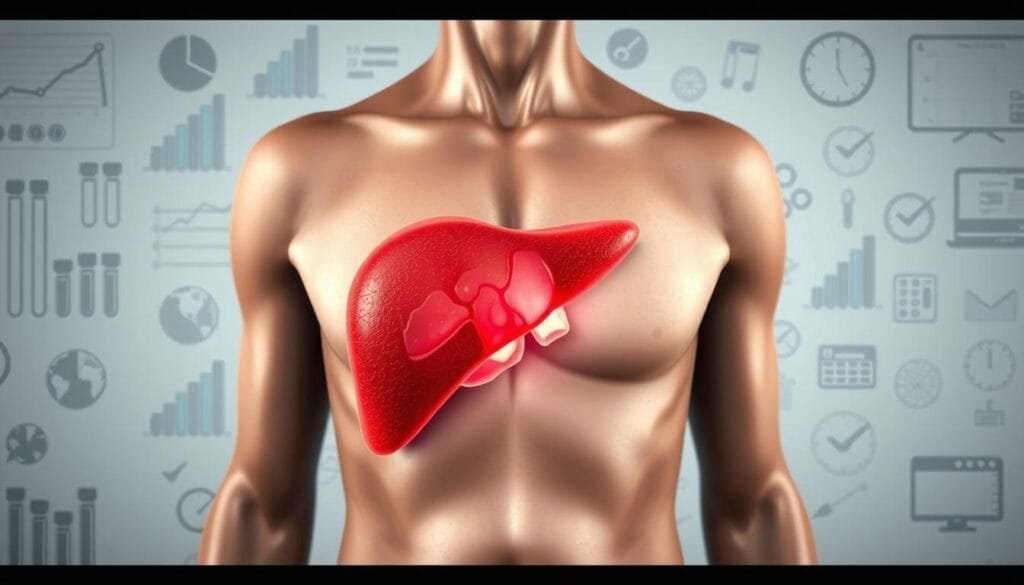
Bottom line: These supplements can aid gut and liver function, but safety is personal. Always align product use with clinician advice and ongoing monitoring of lab levels when managing any form of liver disease.
Reading a probiotic label: a shopper’s checklist
A clear product label shows whether a supplement matches the strains and doses used in clinical studies. Shoppers should confirm specific names and practical details before purchase.
Species, strain IDs and potency
Look for full species and strain names (not just genus) so the formula matches trial-tested organisms such as Lactobacillus, Bifidobacterium and Streptococcus groups.
Check CFU at expiry and the suggested daily serving to ensure the product delivers study-level doses during use.
Storage, testing and quality signals
Confirm storage needs—refrigerated versus shelf‑stable—given Malaysia’s heat. Respect label guidance to keep viability.
Seek third‑party seals or batch-tested reports that prove potency and purity. Avoid vague marketing language and proprietary blends that hide per‑strain amounts unless backed by robust trials.
- Prefer multi‑strain formulas commonly used in trials on fatty liver disease and nonalcoholic fatty conditions.
- Check excipients and allergen notes; save batch numbers and expiry dates to track product performance.
- If unsure, ask a local advisor such as Wellness Concept to compare labels and match products to health goals.
Results timeline and expectations: what improvement may look like
Some will feel steadier digestion and energy quickly, while enzyme and imaging improvements need consistent care to show.
Set a clear review plan. Most clinical trials reassess at 12 weeks. That is the first realistic point to expect early lab shifts in ALT, AST and gGT.
Tracking changes: symptoms, blood tests, and lifestyle markers
Daily markers: track energy, digestion, sleep and waist circumference. These often show early benefit and keep motivation high.
Lab checks: repeat ALT, AST and gGT with a clinician at about 12 weeks. Consider HOMA‑IR and a lipid panel to evaluate metabolic change.
- Imaging such as ultrasound or MRI may be needed; reductions in hepatic fat often take longer than enzyme drops.
- Adhere to daily dosing and consistent diet and activity to give probiotics a fair chance to work.
- Document new medications, illnesses or travel that could change results and confuse interpretation.
Some people experience mild GI adjustment in the first weeks; this usually settles. If progress stalls, review strain choice, add fiber, or consult a product advisor and clinician.
“Gradual, measurable improvements add up to meaningful liver wellness over time.”
Practical tip: set quarterly check‑ins with a clinician and a local consultant to optimize the plan and confirm safe, steady progress in managing fatty liver disease and broader liver health.
Complementary options studied with probiotics
Adding complementary approaches can strengthen microbial strategies to reduce liver fat and inflammation. Trials tested combinations that pair live strains with prebiotic fibers, omega-3 oils, micronutrients and activity to seek clearer metabolic change.
Synbiotics, omega-3 and micronutrient pairings
Synbiotics combine live microbes and fermentable fibers like fructooligosaccharides to feed beneficial bacteria and boost short-chain acids that calm inflammation.
Several studies found multi-strain formulas plus omega-3 reduced liver fat and systemic inflammation. Trace micronutrients added to blends improved NAFLD markers after bariatric surgery in small trials.
- Exercise plus L. rhamnosus GG lowered tissue damage in animal and human work, showing activity is a potent co-therapy.
- Products such as Symbiter paired with omega-3 reported additive benefits on hepatic fat and inflammatory levels in multiple studies.
“Combining targeted supplements, diet and regular activity offers the best chance to see measurable changes.”
| Combination | Primary target | Evidence notes |
|---|---|---|
| Synbiotic (FOS + multi-strain) | Steatosis reduction | Improved imaging and metabolites in short trials |
| Multi-strain + omega-3 | Inflammation & liver fat | Lowered inflammatory markers and liver fat in RCTs |
| Probiotic + micronutrients | Metabolic recovery post-surgery | Better insulin and NAFLD markers in bariatric cohorts |
Practical note: prefer diet-first omega-3 sources such as oily fish, check product compatibility, and add changes stepwise. High-quality, transparent products matter; consult Wellness Concept to tailor combinations and minimize risk when aiming to improve liver health and metabolism.
Wellness Concept can help: speak to a consultant in Malaysia
Wellness Concept helps shoppers compare products against clinical features such as CFU, strain IDs and suggested duration. The team tailors suggestions to budget, storage needs and local climate so choices match evidence from multi-strain trials and yogurt studies.
Consultants guide realistic plans. They recommend trial periods of ≥12 weeks, point out blends with lactic acid bacteria and bifidobacteria seen in Malaysian MCP BCMC data, and explain how to pair supplements with fiber and regular activity.
- Compare capsule, powder and food options by CFU and expiry.
- Interpret labels, strains and third‑party testing claims to avoid overhype.
- Set 12‑week checkpoints and advise which lab markers to review with a clinician.
“Bring recent lab results to the chat for more precise recommendations.”
WhatsApp +60123822655 to start a friendly, practical conversation. Business hours: Monday–Friday 9:30 am–6:30 pm; Saturday 10 am–5 pm; Sunday Closed. Consultants complement clinical care and do not replace medical advice.
Business hours and how to reach Wellness Concept
Wellness Concept keeps a clear weekly schedule so shoppers can plan questions, send product photos, and get prompt, evidence‑based replies. The team helps compare labels and suggests practical steps to support fatty liver goals in Malaysia.
Opening hours
Monday – Friday: 9:30 am–6:30 pm.
Saturday: 10:00 am–5:00 pm. Sunday: Closed.
Send a WhatsApp message to +60162116625 to reach a local consultant. They welcome label photos, product links, or brief notes about prior supplements.
Consultations can cover probiotic choices, yoghurt options, and dietary tips tied to fatty liver disease and broader liver disease management. Replies are friendly, practical, and grounded in current evidence.
Book a short check‑in after 4–6 weeks to review adherence and early impressions. Keep the treating clinician informed if any supplement or regimen changes occur.
| Service | How to reach | Why it helps |
|---|---|---|
| Quick label review | WhatsApp +60162116625 | Compare strains, CFU, storage notes |
| Product matching | Message with photos | Local availability and climate fit |
| Follow‑up check | Schedule via chat | Assess tolerance and early results |
Conclusion
Conclusion
Research-backed, guided microbial support can act as a helpful adjunct to clinical care. Evidence from ESPEN 2020, a 2023 meta-analysis and yogurt trials shows signals of reduced enzymes, lower inflammation, and modest metabolic gains when multi-strain products are used with dietary change and activity.
Consistent use—typically 12 weeks or more—combined with a fiber-forward diet, balanced fatty acids, and regular exercise gives the best chance to see benefit. Foods like yogurt and kefir can complement a product plan.
Responses vary and safety matters, especially with immune compromise or advanced liver disease. Malaysians seeking personalised help can WhatsApp Wellness Concept +60162116625 during business hours.
FAQ
What role do beneficial gut bacteria play in nonalcoholic fatty liver disease?
Imbalance in gut microbes can increase intestinal permeability and allow inflammatory molecules to travel to the liver through the hepatic portal vein. Restoring a healthier microbiome helps reduce endotoxin load, lower inflammation, and support better fat and glucose metabolism, which can ease stress on the liver.
Who should consider a targeted bacterial supplement in Malaysia?
Adults with mild-to-moderate fatty liver disease, elevated liver enzymes, or insulin resistance may consider a supplement after discussing it with a clinician. People with immune suppression, decompensated cirrhosis, or complex medical conditions should seek medical evaluation first.
How strong is the clinical evidence that supplements reduce liver fat and enzymes?
Several randomized trials and meta-analyses report modest improvements in liver fat, ALT and AST levels, and metabolic markers when multi-strain formulas are used for 12 weeks or longer. Results vary by product, dose, and study quality, so clinical context matters.
Which bacterial species have shown promise in trials?
Species in the Lactobacillus and Bifidobacterium groups appear most often in studies. Strains such as L. rhamnosus and B. longum, plus adjuncts like S. thermophilus, have been associated with better liver enzymes and metabolic shifts in some trials.
What dose and duration are typically used in studies?
Trials commonly use multi-strain products delivering billions of CFU daily, with meaningful changes often seen after at least 12 weeks. Long-term use and consistency tend to matter more than a single high dose.
Are fermented foods like yogurt and kefir useful alternatives?
Yes. Regular consumption of fermented dairy and cultured products can supply beneficial species and support gut health. Look for live-culture labels and minimal added sugar. In Malaysia, check ingredient lists and storage recommendations on the pack.
Can supplements improve insulin resistance and blood lipids?
Many studies found modest reductions in fasting insulin, HOMA-IR, and triglycerides when supplements were paired with diet changes. These effects complement, but do not replace, dietary and physical activity interventions.
What safety issues should people be aware of?
Most healthy adults tolerate these products well. People who are immunocompromised, have advanced liver disease, recent major surgery, or central lines should consult a physician before use due to infection risk and potential complications.
How should a shopper read a product label?
Check species and strain names, CFU at expiry, storage instructions, recommended dose, and third-party testing or certificates. Prefer products that list strains precisely (e.g., Lactobacillus rhamnosus GG) and show stability data to the end of shelf life.
What outcomes should be tracked to judge effectiveness?
Monitor symptoms, body weight, blood tests (ALT, AST, gGT), fasting glucose or HOMA-IR, and, if available, imaging or controlled attenuation parameter (CAP) scores. Expect gradual changes over months rather than immediate results.
Can they be combined with omega-3s, fiber, or other nutrients?
Yes. Research explores synbiotics and combinations with omega-3 fatty acids, vitamin E, and other micronutrients. Combining targeted supplements with a high-fiber, whole-food diet and regular exercise usually yields better outcomes than any single approach.
How quickly do benefits appear and what is realistic?
Some people notice improved digestion within days or weeks, but meaningful liver-related changes generally appear after 8–12 weeks or longer. Clinical markers and imaging offer the clearest measure of progress.
Where can someone in Malaysia get personalized advice?
Wellness Concept offers consultations and product guidance in Malaysia. They can be reached via WhatsApp at +60123822655 to discuss individualized plans and product options during business hours.
When should someone see a doctor instead of self-treating?
Seek medical care if there are symptoms of advanced disease (jaundice, severe abdominal pain, unexplained weight loss), very high liver enzymes, or coexisting conditions like diabetes, heart disease, or immune disorders. A clinician can rule out other causes and tailor safe therapies.