
Currently Empty: RM0.00
0 Comments
Half of Americans fall short of the recommended 20–35 g daily intake, and people avoiding wheat face extra gaps in their diet.
Wellness Concept helps shoppers in Malaysia compare products that support digestive health without adding unwanted gluten.
The roundup explains what types of fiber are used, how much is in a serving, and which formats — powders, capsules, caplets, chewables, and gummies — suit different lifestyles.

Readers learn to read labels for gluten free claims and why the <20 ppm standard matters for sensitive people. The guide also covers where to check price and availability locally.
For quick help, shoppers may contact Wellness Concept on WhatsApp at +60123822655 during business hours: Monday–Friday 9:30 am–6:30 pm, Saturday 10 am–5 pm.
Key Takeaways
- Many people miss target intake; avoid gaps if wheat is excluded.
- The page compares types, serving amounts, and product formats.
- Labels and the <20 ppm rule are explained for safety.
- Options suit different tastes and routines to support the gut.
- Local price and availability in Malaysia are highlighted for convenience.
- Contact Wellness Concept on WhatsApp for fast, local assistance.
Today’s best gluten-free fiber options for digestive and gut health
Practical options exist to raise daily intake above 25 g without relying on wheat‑based foods. The WHO suggests more than 25 g per day, yet many under‑consume and lose common high fiber sources when they avoid wheat.
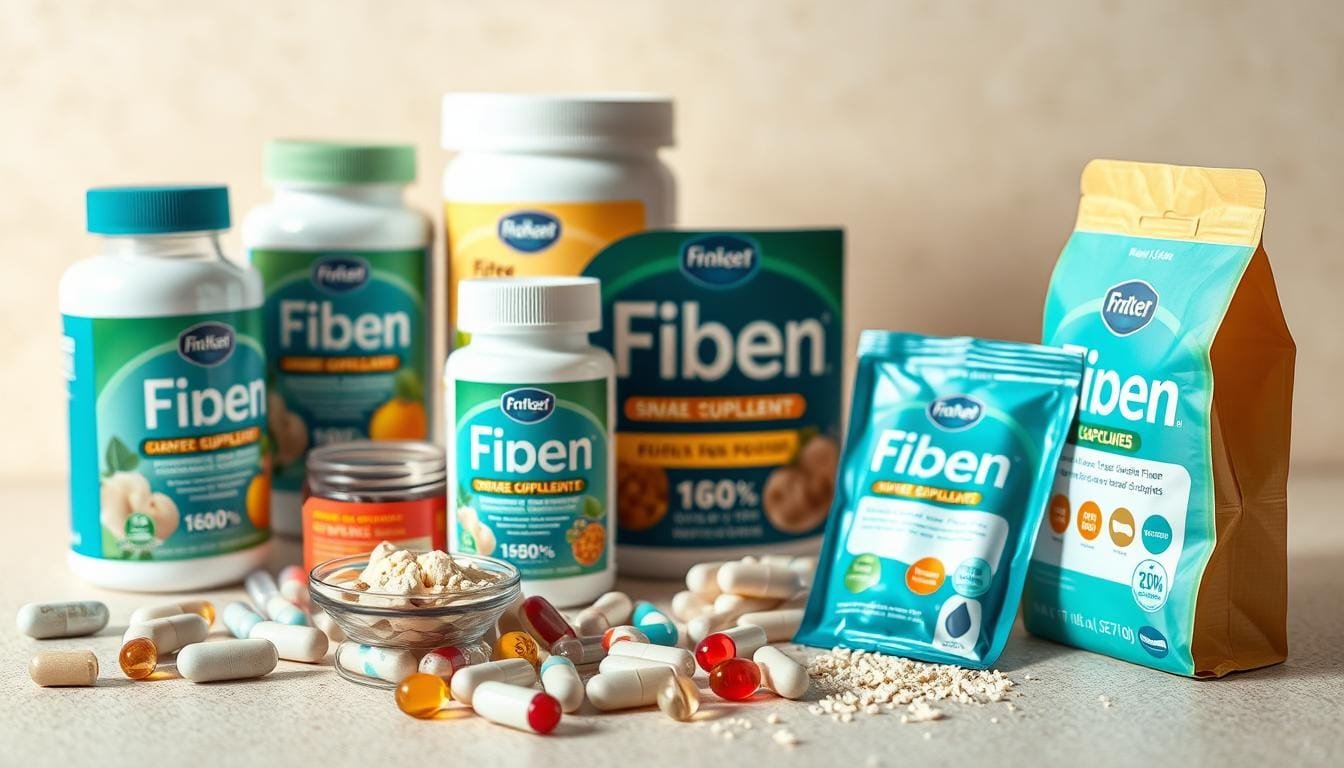
Powders, capsules, and chewables all serve different needs. Powders mix into water or porridge for a fast boost. Capsules suit busy routines. Chewables and gummies may help with taste and adherence.
Benefits include better digestive comfort, longer satiety, and support for metabolic health. These products can complement high plant foods to deliver a wider range of fibers and nutrients.
| Format | Best for | How to start |
|---|---|---|
| Powder | Mixing into drinks and meals | Begin with half a serving, increase slowly |
| Capsules | Portability and no taste | Take with plenty of water, watch dose |
| Chewables / Gummies | Taste-driven adherence | Limit sugar, monitor response |
- Start low, go slow to assess tolerance.
- Pair products with varied plant foods for best results.
- Consistent daily intake and fluids support long‑term outcomes.
For local help choosing a suitable product, shoppers can message Wellness Concept on WhatsApp at +60123822655 (Mon–Fri 9:30 am–6:30 pm; Sat 10 am–5 pm).
fiber supplement gluten free product roundup: top picks to consider now
This roundup lists trusted brands and their serving strengths so shoppers can pick products that match taste and routine.
Metamucil (psyllium husk)
Metamucil uses psyllium husk in powders and capsules. The original coarse powder delivers about 6 g of fiber per two teaspoons (5 g soluble).
Most Metamucil powders and capsules carry a gluten statement. Avoid Meta Fiber Wafers if strict avoidance is required; those wafers contain wheat flour.
Benefiber (wheat dextrin)
Benefiber is made from wheat dextrin but is processed to meet gluten labeling. Two teaspoons supply roughly 3 g of soluble fiber.
It dissolves clearly and comes in stick packs, bottles, and caplets for on-the-go use.
Citrucel, Fiber Choice, and NOW
Citrucel uses methylcellulose. Powders give 2 g per dose; caplets are 0.5 g each. Labels do not list wheat, barley, or rye.
Fiber Choice offers inulin-based chewables and gummies that are labeled gluten‑free for those who prefer taste and ease.
NOW Soluble Fiber states it is free of wheat and gluten. One tablespoon powder supplies about 6 g soluble + 1 g insoluble; three capsules supply ~1 g.
| Brand | Main source | Serving example | Notes |
|---|---|---|---|
| Metamucil | psyllium husk | 2 tsp = 6 g | Powder & capsules; avoid wafers for strict avoidance |
| Benefiber | wheat dextrin | 2 tsp = 3 g | Stick packs, bottles, caplets; dissolves clearly |
| Citrucel | methylcellulose | powder 2 g / caplet 0.5 g | Gentle, gradual titration |
| Fiber Choice | inulin | chew/gummy portions vary | Chewables and gummies labeled gluten‑free |
| NOW | soluble blend | 1 tbsp = 7 g total / 3 caps = 1 g | Powders and capsules; labeled free of wheat and gluten |
Quick tip: compare serving size and label claims to match taste, format, and fiber per dose. For local stock, price, and ordering in Malaysia, message Wellness Concept on WhatsApp: +60123822655 during business hours.
Spotlight on formulations and formats
Choosing the right format often determines whether a person sticks with a daily routine.
Powders mix easily into water, smoothies, or soft foods and can deliver higher amounts per serving. When evaluating a powder, check how well a fiber powder dissolves and whether it stays clear in drinks.
Caplets and capsules favor portability and dose control. They suit commuters and busy shoppers who want a tidy option without measuring or a shaker bottle.

On-the-go packs and club sizes
Stick packs like Benefiber simplify daily use. They come in 28, 48, and 72 servings, while bottles offer 76–410 teaspoon sizes. Club sizes often cut the price per serving for regular users.
Flavor choices and sugar-free options
Citrucel offers caplets and orange-flavored powder to suit taste preferences. Fiber Choice chewables and gummies provide a snack-like route for those who prefer flavor over a plain product.
Sugar-free variants help shoppers limit added sugar while keeping pleasant textures and flavors that encourage long-term use.
- Powders: higher dose, mixability, watch clarity and taste.
- Caplets/capsules: portable, no prep.
- Gummies/chewables: tasty, lower per-piece amount.
Wellness Concept can compare formats, sizes, and price and recommend a best fit for daily routines. Message WhatsApp +60123822655 during business hours for format availability and local stock.
How to choose the right gluten-free fiber supplement
Picking the right choice starts with matching goals — stool form, cholesterol support, or gut microbiome benefits — to the primary ingredients.
Soluble vs. insoluble vs. prebiotic fiber: psyllium, inulin, wheat dextrin, and more
Soluble fiber like psyllium forms a gel that helps stool form and can lower cholesterol.
Inulin acts as prebiotic fiber and feeds beneficial bacteria for long-term gut health.
Wheat dextrin (e.g., Benefiber) is processed to meet labeling standards and may suit those who prefer a clear mix.
Insoluble types add bulk and support regular transit. A balanced diet should include both kinds.
Label checks that matter: “gluten-free” standard, facility notes, and allergen statements
Look for a clear statement when sensitivity is a concern. The legal threshold is <20 ppm.
“Some products contain trace gluten below the legal limit; people with celiac should confirm brand testing.”
NOW states it is “free of wheat and gluten.” FiberCon is not tested and is not labeled as such. Check the ingredients list for clarity on primary ingredients and added sweeteners.
- Compare serving sizes and how much dietary fiber each scoop or tablet provides.
- Start with a small pack or stick to test taste and tolerance before a full bottle.
- Space intake from some medications; consult a clinician if needed.
For personalised guidance, message Wellness Concept on WhatsApp at +60123822655 during opening hours. They can compare products and explain ingredients to support health goals.
The science-backed benefits of prebiotic and dietary fiber
Raising average intake by a few grams per day can shift bowel habits and support long‑term disease risk reduction. The WHO suggests more than 25 g/day, yet most people fall short and miss steady gains in digestive and metabolic health.
Why most people under-consume and the WHO guidance
Busy routines, low plant intake, and processed foods all lower daily fiber. Building consistent habits and simple swaps makes it realistic to approach the WHO target.
Prebiotics support gut microbes, immune response, and metabolic health
Prebiotic ingredients are non‑digestible and feed beneficial bacteria. That process can ease constipation, help some people with IBS, and support immune and metabolic pathways.
- Soluble fiber helps stool form and may lower cholesterol; psyllium delivers a clear gel effect (Metamucil offers ~5 g soluble per 6 g serving).
- NOW products include both soluble and insoluble fractions to widen dietary effects.
- Consistent intake often shows benefits in days to weeks; hydrate and increase amounts slowly to avoid discomfort.
“A mix of fiber types from foods and products diversifies substrates for beneficial microbes.”
For questions about creating a daily plan, contact Wellness Concept on WhatsApp at +60123822655 during business hours.
Usage, safety, and dosing guidance at present
Start with small steps and steady hydration to help the body adapt. This short guide covers timing, dissolving tips, and how to read serving labels so shoppers in Malaysia can use products safely.

Start low, go slow: water intake, timing, and dissolving tips
Begin with half a serving for several days. Take each dose with plenty of water to support bowel regularity and reduce discomfort.
Mix powders in a full glass and stir briskly. Benefiber usually dissolves clearly in drinks and soft foods; avoid carbonated mixes.
Reading servings: examples and fiber per dose
Compare labels for clear dosing. Metamucil coarse powder gives about 6 g per 2 tsp (≈5 g soluble). Benefiber supplies 3 g per 2 tsp. Citrucel powders deliver 2 g per dose, while Citrucel caplets are 0.5 g each.
Gluten threshold explained and testing notes
The legal threshold for gluten is under <20 ppm. Some brands test and note facility practices. FiberCon is not labeled as tested for that standard; people with celiac should pick labeled options.
| Action | Why it matters | Quick example |
|---|---|---|
| Start small | Reduces gas and bloating | Half serving x 3 days |
| Hydrate | Supports stool form and comfort | One full glass per dose |
| Check serving content | Matches goals and dietary intake | Compare 6 g vs 3 g vs 2 g |
| Watch interactions | Space from some meds if advised | Ask a clinician for timing |
“Many people find one serving daily is a good beginning, then step up as tolerated.”
For personalised tips or to check product stocks, message Wellness Concept on WhatsApp +60123822655 (Mon–Fri 9:30 am–6:30 pm; Sat 10 am–5 pm).
Who should compare ingredients closely
Not every product suits every person; small differences in ingredients change outcomes for stool and comfort.
Psyllium husk vs. methylcellulose vs. wheat dextrin:
Psyllium, methylcellulose, and wheat dextrin: tolerance and goals
Psyllium (Metamucil) forms a gel that often normalizes stool and gives a sense of fullness. Some users prefer its effect for constipation relief.
Methylcellulose (Citrucel) is non‑fermentable and tends to cause less gas for people sensitive to fermentable ingredients.
Wheat dextrin (Benefiber) mixes clear and suits those who want an easy mix‑in option. It is processed to meet labeling standards.
When to consult a healthcare professional or review medication timing
People on multiple medicines or with chronic digestive disease should ask a clinician before starting a new product. Timing matters: bulky agents can reduce absorption if taken with some drugs.
“Confirm brand testing if celiac disease or strong sensitivity is a concern.”
| Ingredient | Best for | Notes |
|---|---|---|
| Psyllium husk | Stool normalization, fullness | Metamucil powders & capsules labeled; gel‑forming |
| Methylcellulose | Gentle action, less gas | Citrucel labeled; non‑fermentable |
| Wheat dextrin | Clear mix, easy taste | Benefiber processed to meet labeling standards |
| Other (e.g., FiberCon) | Variable | Not labeled as tested for gluten; check ingredients |
- Read ingredients and serving size to match dietary goals.
- For personalised comparisons, message Wellness Concept on WhatsApp +60123822655 during opening hours.
Shop Wellness Concept in Malaysia
Wellness Concept makes it easy to compare prices, product formats, and local availability across Malaysia. The team helps shoppers pick the ideal product size and flavor for daily use.
Contact & hours: Message WhatsApp +60123822655. Support is available Monday–Friday 9:30 am–6:30 pm and Saturday 10 am–5 pm. Sunday closed.
Customers can ask about Benefiber stick packs and bottle sizes, Citrucel powders and caplets, and Fiber Choice chewables and gummies. Staff will confirm local stock and the best price for the format chosen.
- Check stock, compare product sizes, and confirm price for your preferred format.
- Ask which products available in Malaysia match gluten free preferences, how they dissolve in water, and what flavors exist.
- Get help on how different supplements provide fiber per serving and what that means for daily routines.
- Inquire about bundle offers or larger packs for a better price per serving when planning daily use.
- Request tips for first-time users on starting doses and adjusting serving sizes over time.
- Ask about 100 natural style options and how they compare to mainstream brands for taste and label simplicity.
Friendly, local help is ready during posted hours to guide product choice, compare price, and suggest formats that suit taste and convenience.
Conclusion
This final summary helps readers turn product facts into a clear, practical plan for daily gut care.
Key next steps: blend whole foods with a chosen product, start with a small dose, and drink water with each serving to support bowel regularity and comfort.
Compare labels: Metamucil (psyllium), Benefiber (wheat dextrin), Citrucel (methylcellulose), Fiber Choice (inulin gummies), and NOW each list different testing and claims. Look for the legal <20 ppm mark when sensitivity matters.
For tailored picks, price, and local stock in Malaysia, message Wellness Concept on WhatsApp +60123822655. Hours: Mon–Fri 9:30 am–6:30 pm; Sat 10 am–5 pm; Sunday closed.
FAQ
What makes Wellness Concept’s fiber supplement gluten free?
Wellness Concept selects products with third-party testing or clear labeling that meet the under-20 ppm gluten threshold. They prioritize ingredients like psyllium husk, methylcellulose, inulin, and processed wheat dextrin that are verified as safe for people avoiding gluten. Packaging and facility statements are checked to reduce cross-contact risk.
Which products are top picks for digestive and gut health today?
Recommended options include psyllium husk powders and capsules (Metamucil), processed wheat dextrin formulas (Benefiber), methylcellulose products (Citrucel), inulin chewables and gummies (Fiber Choice), and NOW soluble fiber powders and caps. Each provides different soluble and prebiotic benefits, so choice depends on tolerability and goals.
How do psyllium, methylcellulose, and wheat dextrin differ?
Psyllium forms a gel that improves stool bulk and regularity and often supplies several grams per serving. Methylcellulose is chemically nonfermentable and acts gently without excess gas. Processed wheat dextrin can function as a prebiotic when certified gluten-safe. People choose based on desired effect and side-effect profile.
Are gummies and chewables as effective as powders and caplets?
Gummies and chewables (often inulin-based) offer convenience and better taste but usually contain lower soluble and prebiotic grams per dose. Powders and caplets often deliver higher amounts per serving and can be mixed into water for more immediate bulk-forming benefits.
How should someone start using a new product to avoid discomfort?
Start with a low dose and increase gradually over 1–2 weeks while drinking plenty of water. That approach minimizes bloating and cramping. Timing around meals and spacing from certain medications helps avoid interactions; a pharmacist or clinician can offer personalized guidance.
How much daily intake is recommended for general health?
Public guidance suggests around 25 g of dietary fiber daily for average adults, with many people falling short. Supplements can help bridge the gap; check product labels for grams of soluble or prebiotic fiber per serving to reach targets safely.
What label checks should consumers make for safe choices?
Look for explicit “gluten-free” claims, facility allergen statements, third-party testing seals, and ingredient sources like psyllium husk, methylcellulose, inulin, or clarified wheat dextrin. Also review sugar content, added flavors, and whether the product lists prebiotic support.
How much fiber per serving do common brands provide?
Typical offerings: Metamucil psyllium powders and capsules can deliver up to about 6 g per serving; Benefiber wheat dextrin usually supplies lower single-digit grams focused on soluble fiber; Citrucel methylcellulose provides gentle bulk with moderate grams; specific amounts vary by product and flavor.
Is testing for gluten important and what level is acceptable?
Yes. Certified products adhere to the under-20 parts per million (ppm) standard commonly used for gluten-free labeling. Buyers should favor brands that publish testing methods or third-party verification to reduce cross-contact risk.
Who should compare ingredients closely or consult a clinician?
People with celiac disease, severe sensitivities, IBS, kidney disease, or those taking multiple prescription medicines should compare ingredient types and dosages carefully. Anyone uncertain about interactions or dosing should consult a physician or pharmacist before starting a new regimen.
Can prebiotic options support immune and metabolic health?
Yes. Prebiotic fibers like inulin and certain processed dextrins feed beneficial gut bacteria, which can support digestion, immune signaling, and metabolic markers. Effects vary, so consistent intake and food sources remain important alongside supplements.
What formats are best for travel and daily consistency?
Stick packs and single-serving powders suit travel and on-the-go use; caplets and capsules offer portability without mixing. Club-size tubs tend to be more economical for daily use. Choose based on taste preference, routine, and storage needs.
Where can shoppers in Malaysia contact Wellness Concept for purchases?
Customers can reach Wellness Concept via WhatsApp at +60123822655. Business hours are Monday–Friday 9:30 am–6:30 pm and Saturday 10:00 am–5:00 pm for product questions and ordering assistance.