
Currently Empty: RM0.00
0 Comments
Surprising fact: dietary guidance suggests about 14 grams per 1,000 calories, and a sudden jump in intake without more water can cause bloating, gas, and even constipation.
This short guide explains how soluble and insoluble types affect digestion and appetite. Soluble types form a gel and slow digestion, while insoluble adds bulk and speeds transit. Knowing the difference helps people tune their diet for comfort and better health.

Research and review of articles show that excessive intake can sometimes interfere with mineral absorption or, rarely, cause blockage. Gradual change, more fluids, and light movement reduce risk and improve tolerance.
Wellness Concept offers friendly guidance and local support in Malaysia. For questions or personalized help, WhatsApp +60123822655. Business hours: Mon–Fri 9:30 am–6:30 pm, Sat 10 am–5 pm, Sun Closed.
Key Takeaways
- Soluble and insoluble types influence satiety and transit differently.
- Increase intake slowly and drink more water to avoid bloating.
- Follow intake targets (about 14 g per 1,000 calories) to lower risk.
- Evidence-based benefits support weight and health goals when balanced.
- Practical timing and food ideas help manage appetite during busy days.
- Contact Wellness Concept in Malaysia for friendly, personalized support.
Understanding Fiber, Hunger, and Satiety Signals
Understanding how different plant fibers interact with digestion helps explain why some foods leave people feeling fuller longer.
Soluble versus insoluble: Soluble fiber dissolves in water and forms a gel. This gel slows gastric emptying and keeps stools soft. Insoluble fiber does not dissolve; it adds bulk and speeds transit through the intestines.
Viscosity and gel formation
Viscous soluble fibers — like pectins, beta‑glucans, psyllium, and glucomannan — thicken stomach contents. That prolongs signals of fullness and can steady energy between meals.
Gut microbes and short‑chain fatty acids
Prebiotic fibers feed beneficial gut bacteria. Fermentation produces short‑chain fatty acids that support colon cells and help regulate inflammation and metabolic response.
- Rich viscous sources: oats, legumes, flaxseeds, Brussels sprouts, asparagus.
- Mix sources rather than rely on one food to get varied content and health benefits.
- Individuals may respond differently, so start small and adjust intake.
| Fiber type | Main effect | Good sources | Satiety impact |
|---|---|---|---|
| Soluble viscous | Forms gel; slows emptying | Oats, legumes, psyllium | High — prolongs fullness |
| Soluble non‑viscous | Fermented by microbes | Onions, garlic, bananas | Moderate — supports gut signals |
| Insoluble | Adds bulk; speeds transit | Whole grains, vegetables | Variable — helps stool consistency |
Research and studies suggest combining high‑viscosity sources with protein and healthy fats helps sustain fullness. For Malaysians wanting tailored guidance on types and fullness, contact Wellness Concept via WhatsApp +60123822655 (Mon–Fri 9:30 am–6:30 pm; Sat 10 am–5 pm).
Does fiber make you hungry?
Some people find their appetite shifts after high‑fiber meals, depending on meal mix and gut response.
When appetite may rise: rapid emptying and delayed signals
At times, a high‑fiber, low‑protein meal clears the stomach faster than expected. That creates a short window when hunger signals return.
Researchers note this effect in some people, especially when meals lack fats or protein. In that scenario, the normal fullness levels lag behind digestion and the body signals for more food.
When appetite falls: slowed digestion and steadier energy
Viscous soluble fiber forms a gel that slows gastric emptying. That prolongs fullness and smooths energy peaks and dips.
Study evidence suggests pairing viscous sources with protein and healthy fats helps sustain satiety and supports gradual weight loss goals.
- Tip: Try swapping a smoothie for a solid breakfast or add an egg to an oat bowl to test effects.
- Increase fiber slowly and drink more water to reduce pain, bloating, or other discomfort.
If appetite swings or discomfort persist despite adjustments, Malaysians can message Wellness Concept on WhatsApp +60123822655 during operating hours for tailored suggestions.
Recommended Fiber Intake and What Happens If You Overdo It
Aim for a clear target. Adults should shoot for about 14 grams per 1,000 calories — roughly 28 grams for a 2,000-calorie day. Tracking grams against meals helps avoid abrupt jumps in intake that raise the chance of discomfort.
Common risks from too much, too fast
Rapid increases often cause bloating, gas, and constipation. In some cases people report abdominal pain or worse symptoms when water intake is low.
Very high intake can bind minerals like calcium, zinc, and iron and, rarely, cause intestinal blockage. The long-term risk balance favors meeting targets, not massively exceeding them.
Quick fixes and sensible steps
- Sip water regularly and spread intake across the day.
- Add short walks or gentle exercise after meals to support motility.
- Increase grams slowly, over days or weeks, to reduce uncomfortable effects.
| Goal | Example | When to lower | Temporary low‑fiber options |
|---|---|---|---|
| 14 g per 1,000 calories | ~28 grams for 2,000 calories | Severe bloating or pain | White rice, peeled cooked veg, eggs, fish |
| Spread across day | Meals + snacks | Persistent constipation | Low‑fiber cereal, smooth fruit juice, pasta |
| Balance with protein/fat | Oats + egg; beans + fish | When mineral absorption is a concern | Dairy, lean meat, simple carbs short term |
Note: Adequate intake supports heart health, lower diabetes risk, and weight goals. For help calibrating daily targets or easing discomfort, contact Wellness Concept on WhatsApp +60123822655 (Mon–Fri 9:30 am–6:30 pm; Sat 10 am–5 pm).
Weight and Health: How the Right Fiber Supports Fat Loss
Viscous plant gels can help reduce meal-to-meal appetite and simplify calorie control. These gels form in the stomach and slow emptying. That makes smaller portions feel enough for longer.
Calorie control without counting
Viscous soluble fibers — pectins, beta-glucans, psyllium, glucomannan — thicken meals. They lower hunger signals so people can manage weight without strict tracking.
Targeting belly fat and metabolic health
Research links higher intake of viscous sources with less abdominal fat and better metabolic markers. Gut fermentation also makes short-chain fatty acids that support glucose and lipid responses, which may help reduce diabetes risk.
- Practical sources: oats for breakfast, legumes for lunch, vegetables like Brussels sprouts or asparagus at dinner.
- Increase intake slowly and drink more water to avoid discomfort.
- Pair viscous foods with protein, healthy fats, and activity for best weight loss results.
| Goal | Viscous sources | Meal idea | Benefit |
|---|---|---|---|
| Calorie control | Oats, psyllium | Oat porridge + egg | Longer fullness |
| Target belly fat | Legumes, flaxseeds | Bean salad + fish | Improved waist measures |
| Metabolic health | Brussels sprouts, asparagus | Stir-fry veg + lean protein | Better glucose response |
For customized fat-loss strategies using rich fiber foods in Malaysia, message Wellness Concept via WhatsApp +60123822655 during business hours.
How to Balance Your Fiber Intake for Steady Hunger Levels
Small, steady changes to daily intake help keep appetite steady and reduce tummy upset. A clear plan prevents sudden discomfort and helps the body adapt over time.
Go slow: increase grams over days, not overnight
Raise grams gradually across several days. For example, add one tablespoon of flaxseed or an extra serving of vegetables every two to three days.
If bloating or cramps rise, pause the increase and hold steady for a few days before trying again.
Hydrate: why fiber needs water to work
Water is essential for gels to form and to move bulk through the gut. Sip water across the day rather than drinking a lot at once.
Pair with protein and healthy fats for longer-lasting fullness
Combine viscous plant sources with eggs, fish, tofu, or nuts. This pairing supports steady energy and helps weight goals by reducing snack urges.
Choose solids over liquids to enhance satiety
Solid fruit or whole oats keep hunger at bay more than juice or blended drinks. Spread fiber across breakfast, lunch, dinner, and snacks for even appetite control.
| Goal | Simple action | When to pause |
|---|---|---|
| Increase intake | Add 1 tbsp flax or one veg serving every 2–3 days | Rising bloating or cramps |
| Improve movement | Sip water regularly through the day | Persistent constipation despite water |
| Boost fullness | Pair oats or beans with egg or fish | Sudden appetite spikes after meals |
For a step-by-step plan suited to Malaysian meals, message Wellness Concept on WhatsApp +60123822655 during business hours.
Smart Food Choices: High-Fiber, Hunger-Steadying Foods
A practical list of foods and simple breakfasts can steady energy and reduce snack urges between meals.
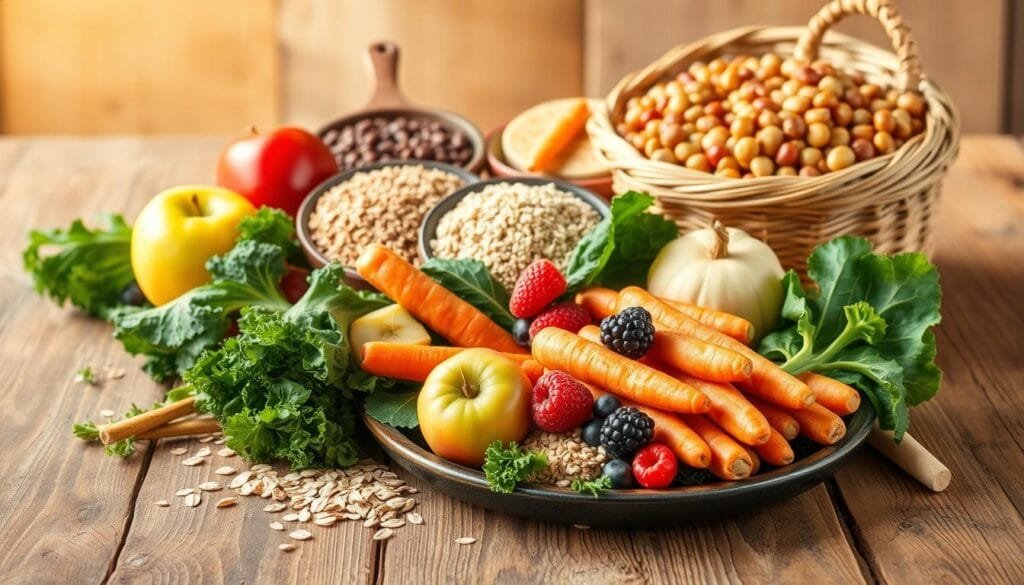
Rich viscous sources to include
Oats, legumes, flaxseeds, Brussels sprouts, and asparagus slow gastric emptying and add satisfying volume. These sources help a balanced fiber diet and support steady weight goals.
Breakfast ideas to curb mid-morning hunger
- Oatmeal with ground flaxseed and a piece of whole fruit — solid breakfast that holds energy.
- Overnight oats layered with plain yogurt and berries for protein and texture.
- Vegetable omelet served with a small side of beans for added bulk and lasting fullness.
Quick tips: Combine oats plus eggs or legumes plus avocado to add protein and healthy fats. Swap whole fruit for juice and prep snacks like roasted chickpeas or yogurt with flax to avoid impulse eating.
Estimate calories by keeping portions moderate and adding viscous foods for volume. Sip water with meals and rotate foods weekly to support a healthy gut. For shopping lists or Malaysian meal ideas, message Wellness Concept on WhatsApp +60123822655 (Mon–Fri 9:30 am–6:30 pm; Sat 10 am–5 pm).
Supplements vs. Whole Foods: What the Research Says
When choosing between supplements and whole-food options, evidence shows clear trade-offs. Isolated products can target weight loss in narrow ways. Whole foods usually bring broader health benefits and better tolerance.
Glucomannan and other fibers: promise and limits
Glucomannan, from konjac root, has some positive trial results for adults with overweight or obesity. A few studies report modest weight loss when it is added to a calorie-aware plan.
Other isolated agents show mixed results. A 2022 systematic review found guar gum had little effect in most trials. That highlights the need to vet product claims before buying.
Why whole-food fiber generally outperforms supplements
Whole foods offer a matrix of vitamins, minerals, polyphenols, and multiple fiber types. These elements amplify the long-term health benefits beyond single-ingredient effects.
Supplements can help short term, but they lack the full nutrient package. They also sometimes cause bloating or interference with drug absorption.
- Start low and go slow; increase water when testing a product.
- Check labels for dose and viscosity; avoid megadoses.
- Evaluate progress after a few weeks and stop if effects are negligible or uncomfortable.
| Option | Main effect | Best use |
|---|---|---|
| Glucomannan | Modest weight loss in some trials | Short-term add-on with calorie control |
| Guar gum | Limited weight effect in reviews | Not a primary tool for losing fat |
| Whole foods | Broad metabolic and nutrient benefits | Daily foundation for weight loss |
Need help choosing between supplements and whole foods in Malaysia? WhatsApp Wellness Concept at +60123822655 during business hours for practical, budget-friendly options.
“Supplements are optional add-ons, not replacements for a balanced diet.”
Troubleshooting Fiber: When Hunger or Pain Persists
When digestive discomfort or odd appetite cues persist after changes in meals, a short troubleshooting plan helps most people recover quickly.
Signs it may be time to dial intake down temporarily
If abdominal pain lasts more than a day, that is a clear signal to pause. Persistent bloating, ongoing constipation, or sudden shifts in appetite also point to an issue.
Severe pain, repeated vomiting, or trouble passing stool may indicate a serious risk and need immediate care.
Low‑bulk choices to ease a flare and how to reintroduce
Switch to a short low‑fiber diet of white rice or bread, low‑fiber cereal, peeled well‑cooked vegetables, smooth fruit juices, dairy, eggs, fish, or lean meat.
After symptoms ease, reintroduce small amounts of soluble fiber first. Add water, keep meals regular, and note the body’s response.
- Track which food causes trouble and which feel fine.
- Pair gradual increases with light walking to help the gut move.
- If discomfort or pain remains, seek help — some people, such as those with IBS, need tailored plans.
| Problem | Temporary choice | Next step | When to call |
|---|---|---|---|
| Ongoing bloating | White rice, peeled cooked veg | Add 1 small serving soluble source + water | If bloating persists 48 hours |
| Constipation or cramps | Low‑fiber cereal, eggs, fish | Increase fluids; short walks after meals | If severe pain or vomiting |
| Unstable appetite | Smooth fruit juice, dairy | Stabilize meals with protein and small soluble portions | If appetite oddness continues |
Note: Excessive changes can worsen symptoms. If pain or odd hunger cues do not improve, contact Wellness Concept on WhatsApp +60123822655 for individualized steps. Hours: Mon–Fri 9:30 am–6:30 pm, Sat 10 am–5 pm.
Lifestyle Habits That Help Control Appetite Alongside Fiber
Pairing simple daily habits with a higher‑bulk diet helps hormones and brain regions that govern appetite. These approaches make it easier for people to lose weight and manage calories without strict rules.

Exercise, sleep, and stress: shifting appetite hormones
Regular exercise can dampen appetite‑related brain activity and lower hunger hormones after meals. Short walks or brief resistance sets are effective ways to add movement that supports satiety.
Adequate sleep stabilizes appetite levels and reduces cravings tied to sleep debt. Managing stress lowers cortisol‑driven urges to overeat.
Mindful eating, timing, and tactical foods
Drinking about 500 ml of water before a meal often cuts intake at the next plate. Solids boost satiety more than liquids, so choose whole foods over blended options when possible.
Practical tips: eat slowly, take mindful bites, and pick strategic snacks like high‑protein yogurt or nuts with fruit. Small amounts of coffee, dark chocolate, or chili may also reduce appetite in some people, according to one study.
- Pair fiber with short daily exercise to amplify fullness and steady energy.
- Use pre‑meal water and slow eating as simple ways to lower calorie intake.
- Track two habits per week to see which combo helps people lose weight most naturally.
| Habit | Action | Benefit |
|---|---|---|
| Pre‑meal water | ~500 ml before eating | Fewer calories at the meal |
| Short exercise | 10–20 min walk or resistance | Lower hunger hormones; more energy |
| Mindful snacks | Yogurt, nuts + fruit | Sustained fullness; less grazing |
Get a simple, sustainable routine personalized to you—message Wellness Concept on WhatsApp +60123822655 during business hours.
Conclusion
Putting the key points together helps people plan a realistic, pleasant fiber diet that supports appetite control and long-term weight goals.
Aim for about 14 g per 1,000 calories per day, increase grams slowly, and sip water often to avoid discomfort. Whole-food viscous sources like oats, legumes, flaxseeds, Brussels sprouts, and asparagus offer the biggest benefits for health and satiety.
Supplements such as glucomannan can help in select cases, but whole foods usually outperform supplements. If symptoms arise, lower intake briefly and reintroduce slowly.
For lasting weight or weight loss progress, pair dietary steps with movement, sleep, and stress control. Keep staples—oats, legumes, vegetables, and fruit—on hand and start small: add one viscous source to one meal today.
For tailored help in Malaysia, chat with Wellness Concept on WhatsApp +60123822655. Hours: Mon–Fri 9:30 am–6:30 pm; Sat 10 am–5 pm; Sun Closed. Check trusted articles and research as progress continues.
FAQ
What’s the link between soluble and insoluble fiber and feelings of fullness?
Soluble forms form a gel in the gut and slow digestion, which often helps prolong fullness. Insoluble types add bulk and speed transit, which can help with regularity but may not blunt appetite as effectively. Choosing both types from whole foods like oats, legumes, and vegetables gives balanced effects.
How does viscosity and gel formation curb appetite?
Thicker, gel-forming fibers increase stomach volume and delay gastric emptying. That slows the rise and fall of blood sugar, so energy levels remain steadier and hunger signals are reduced between meals. Viscous fibers are common in oats, psyllium, and some legumes.
Can gut microbes influence hunger after eating high-fiber foods?
Yes. Fermentable fibers feed gut bacteria, producing short-chain fatty acids (SCFAs) that interact with hormones tied to appetite. Over time, a healthy microbiome may enhance satiety and improve metabolic markers linked to weight control.
Are there times when fiber increases appetite instead of reducing it?
In some situations, certain fibers speed intestinal transit and trigger earlier hunger signals, or poorly tolerated fibers cause discomfort that confuses appetite cues. Rapid eating, low fluid intake, or starting a high-fiber regimen too fast can also lead to sensations interpreted as hunger.
When does fiber reliably reduce appetite?
When consumed as viscous, fermentable types with adequate fluids and paired with protein and healthy fats, fiber slows digestion and stabilizes blood glucose. That combination delays next-meal hunger and reduces snacking for many people.
What are recommended daily targets for intake?
Current guidance suggests about 14 grams per 1,000 calories, which for many adults equals roughly 25–38 grams daily. Targets vary by age, sex, and calorie needs, so tailoring intake to individual energy requirements works best.
What happens with excessive intake?
Too much too fast can cause bloating, gas, constipation, and may interfere with absorption of minerals like iron and zinc. Those effects often signal the need to reduce intake temporarily and reintroduce fiber more gradually.
How can someone fix discomfort from high intake?
Increase fluids, add gentle movement like walking, and cut back on concentrated fiber sources for a few days. Slowly raise portions over one to three weeks and focus on mixed whole foods rather than supplements for smoother adjustment.
How does the right intake support weight loss without strict calorie counting?
Viscous fibers increase fullness and reduce energy intake by lowering appetite and lengthening time between meals. Over weeks, that can create a moderate calorie deficit supporting fat loss, especially when combined with protein, activity, and sleep hygiene.
Can fiber target belly fat or improve metabolic health?
Higher intake, especially from whole grains, legumes, fruits, and vegetables, associates with lower abdominal fat and better insulin sensitivity in studies. It’s part of a broader dietary pattern that supports metabolic health rather than a standalone magic bullet.
What’s the safest way to increase grams without causing hunger spikes or pain?
Go slow—add one to two servings per day and wait several days before increasing again. Hydrate consistently, include protein and healthy fats at meals, and prioritize solid-food sources to enhance satiety and reduce discomfort.
Why is drinking water important when increasing intake?
Water helps gel-forming fibers work properly and prevents lumps that can cause bloating or constipation. Adequate hydration ensures fibers move smoothly through the digestive tract and supports regularity.
How do protein and healthy fats interact with fiber to extend fullness?
Protein and fats slow gastric emptying and trigger satiety hormones. When paired with viscous fibers, meals satisfy longer and blunt cravings, reducing the chance of high-calorie snacking later.
Which foods deliver the most viscous, hunger-stabilizing fiber?
Oats, legumes (lentils, chickpeas), flaxseeds, Brussels sprouts, and asparagus are strong choices. Including these in meals—especially at breakfast—helps curb mid-morning hunger and balances energy across the day.
What are simple breakfast ideas that reduce mid-morning cravings?
Oat porridge with flaxseed and Greek yogurt, a chickpea omelet with veggies, or whole-grain toast topped with mashed avocado and smoked salmon provide viscous fiber, protein, and healthy fats for longer-lasting fullness.
Do supplements like glucomannan work as well as whole foods?
Some supplements, including glucomannan, show promise for brief appetite control and modest weight loss. However, whole-food sources provide a wider nutrient mix and tend to outperform isolated supplements for long-term benefits.
When might someone need to lower intake temporarily?
Signs such as severe bloating, persistent abdominal pain, or worsening constipation suggest a temporary reduction. People with certain digestive conditions or flare-ups may require a short-term low-fiber approach under medical guidance.
What low-fiber choices ease symptoms during flare-ups?
White rice, peeled cooked potatoes, well-cooked carrots, and skinless applesauce are gentler options. Reintroduce whole-food fibers gradually once symptoms settle, starting with small portions of well-cooked vegetables and soft fruits.
How do exercise, sleep, and stress affect appetite alongside fiber?
Regular activity helps regulate hunger hormones and supports gut motility. Adequate sleep stabilizes ghrelin and leptin levels, while stress management lowers cortisol-related cravings. Combined with sensible intake, lifestyle habits amplify appetite control.
Can mindful eating and small habits improve the satiety benefits of a higher-fiber diet?
Yes. Slowing down, chewing thoroughly, timing a glass of water before meals, and savoring dark chocolate or warming spices in small amounts can enhance satisfaction and reduce the urge to overeat between meals.