
Currently Empty: RM0.00
0 Comments
Can a compact drinking device really change your daily routine and justify its price tag?
Wellness Concept presents a clear buyer’s guide for shoppers in Malaysia who want a practical upgrade to everyday hydration. This intro lays out what matters: measurable output, build quality, and safe design.
Many models promise quick benefits. Wellness Concept cuts through marketing to compare actual performance and safety. The guide will explain electrolysis types, expected ppb output, materials that limit gas loss, and user-friendly cleaning and power choices.
Readers will learn to match a product to their routine and budget, not hype. See the detailed buyer tips and side-by-side checks in the linked guide at how to pick a good hydrogen water.
Key Takeaways
- Look for verified ppb output and reliable technology.
- Material and seal quality affect retention and safety.
- Battery life and ease of cleaning shape usability.
- Wellness Concept helps compare claims to measurable results.
- Match performance to budget and daily habits.
What a Hydrogen Water Bottle Is and Why Malaysians Are Buying Them
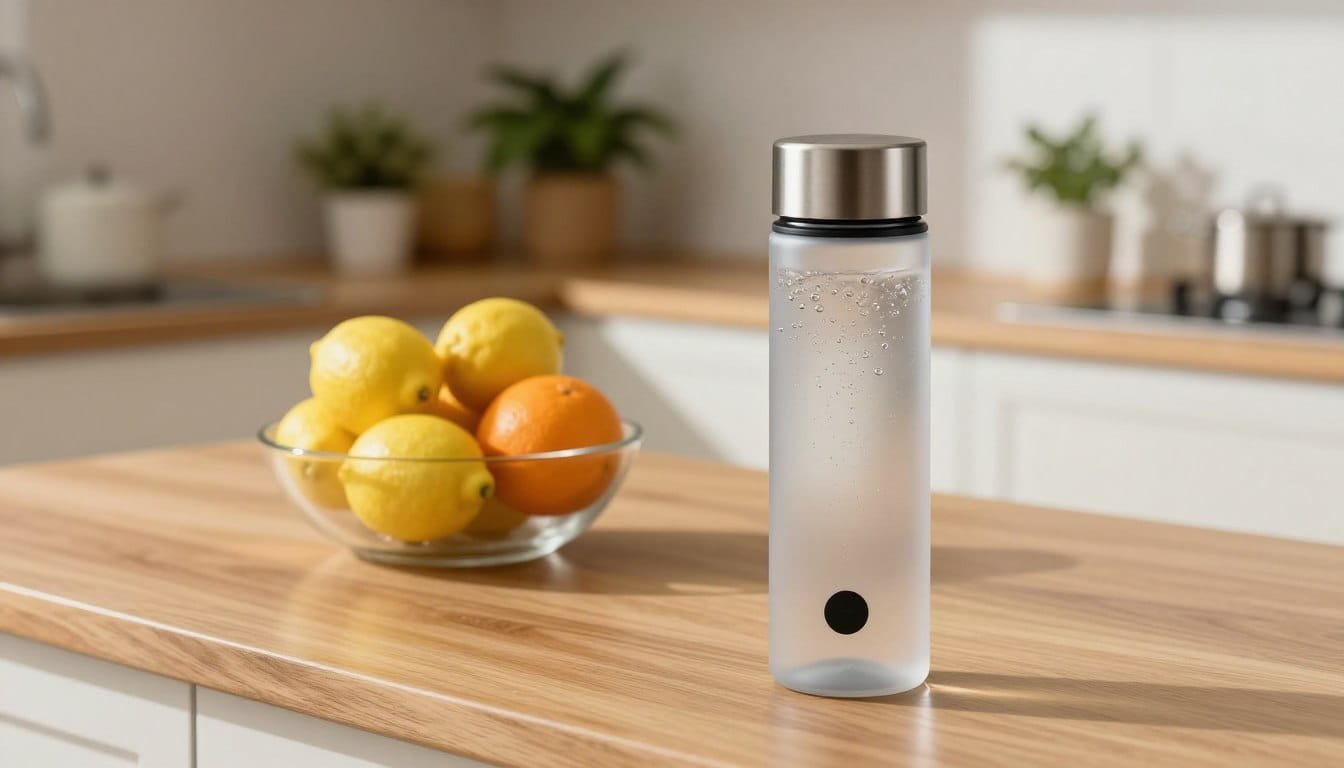
Many Malaysians are trying compact devices that add dissolved gas to their daily drinks for convenience and recovery. A hydrogen water bottle is simply a portable container that dissolves molecular hydrogen into regular drinking water.
Hydrogen-rich water and molecular hydrogen in plain terms
Think of molecular hydrogen as a tiny, dissolved gas, not a vitamin or a flavor. When a device runs, it produces hydrogen-rich water—liquid with extra dissolved H2 that peaks soon after generation.
What “portable hydrogen water” means for everyday hydration
In practice, users fill the container, run a short cycle, and drink within minutes to catch peak levels. This is why hydrogen water bottles appeal to busy commuters, gym-goers, and office workers in Malaysia.
Not all units perform the same. Real results depend on output (ppb), seal quality, materials, and the electrolysis system used. That difference is key when comparing models for a reliable hydration routine.
Hydrogen water bottle features that matter most when choosing a bottle
When buying a portable infusion device, shoppers should weigh measurable output, reliable safety, and everyday ease of use.
Concentration (ppb) is the primary metric. It shows how much dissolved gas the unit produces. Higher ppb claims are only useful when paired with tested results and good seals. Buyers should compare claimed versus independently tested concentration.
Electrolysis and membrane design
Electrolysis type and a quality PEM/SPE membrane matter. A proper membrane helps separate hydrogen gas from oxygen and supports purity. This lowers contamination risk and keeps results consistent across cycles.
Electrodes, ORP, and filtration
Durable electrode materials, often with platinum coating, signal longevity and stable output. Brands also use ORP to position antioxidant benefits, but ORP should be seen as supporting data—not the sole proof of effectiveness.
“Look for tested ppb, solid seals, and a clear maintenance plan to get reliable everyday results.”
| Feature | Why it matters | What to check | Real-life benefit |
|---|---|---|---|
| ppb concentration | Measures dissolved gas level | Independent test reports | Predictable results |
| Membrane / electrolysis | Separates gases, improves purity | PEM/SPE design spec | Cleaner output, less contamination |
| Electrode material | Durability and stable cycles | Platinum-coated or corrosion-resistant | Longer lifespan |
| Filtration & sealing | Taste and safety | Activated-carbon filters; leak-proof lids | Better taste; safe daily carry |
Also consider interfaces (touch controls, LCDs) and capacity. A clear display speeds setup and avoids misuse. Smaller, well-sealed designs keep concentration longer and make travel easier.
How Hydrogen Water Bottles Work Using Electrolysis Technology
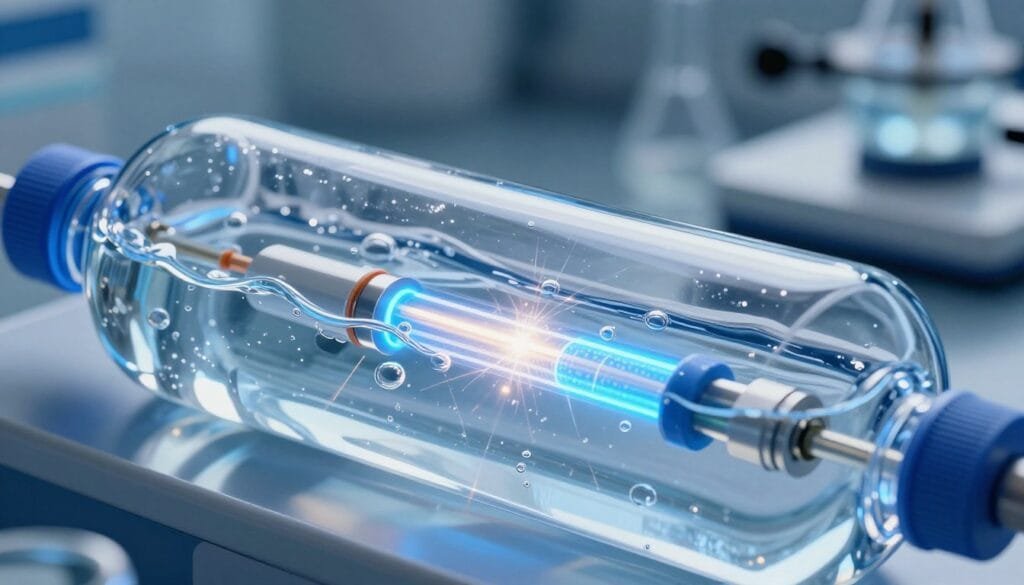
The core process is straightforward and visible: a controlled electrical charge splits simple molecules inside the chamber.
How water molecules split into hydrogen and oxygen
The unit applies a small electric current through the liquid. This electrolysis step forces water molecules to separate into hydrogen and oxygen at the electrodes.
How hydrogen gas is dissolved back into the water
Once the gases form, the design guides the lighter gas to the drinking chamber where it dissolves back into the liquid. Bubbles are normal during this phase.
Why PEM membranes help separate gases and support purity
A PEM membrane lets the desired gas pass while blocking oxygen and other byproducts. This improves safety and keeps the final drink cleaner.
“Good build quality and a reliable membrane make the process safer and more consistent.”
| Step | What happens | User note |
|---|---|---|
| Electrolysis | Electric current splits molecules | Short cycles, visible bubbles |
| Separation | Membrane directs gases | Less oxygen in final drink |
| Dissolution | Gas re-enters liquid | Drink soon after cycle |
Performance Benchmarks to Compare Before Buying
Practical performance numbers help shoppers separate solid products from marketing noise. This section gives simple benchmarks so buyers can compare realistic output and daily use needs.
Understanding realistic ppb ranges and what “high concentration” implies
ppb is the key measure to check. Typical short programs reach a few thousand ppb. For example, a five-minute program may yield ~2500 ppb, while a ten-minute run can approach ~4000 ppb on some models.
Cycle length options and process expectations
Short cycles save time. Longer runs usually raise concentration because the electrolysis process runs longer and seals keep more gas. Choose a program that matches daily routine—quick for commuting, longer for post-workout recovery.
Why results vary by model and build quality
- Electrode condition and membrane quality affect output and longevity.
- Battery stability and chamber design change real-world results.
- How fast someone drinks after a cycle also alters measured ppb.
“Shoppers should favour transparent testing and consistent performance over one-off high claims.”
Benefits of Hydrogen Water Linked to Bottle Performance
What a unit can generate and keep determines the likely health and recovery outcomes users notice. Device output and sealing affect how much dissolved gas reaches the user and how consistent the experience is.
Antioxidant effects and oxidative stress markers
Emerging studies report reduced oxidative stress markers after regular use in some settings. Reliable generation and retention increase the chance of seeing those antioxidant benefits.
Exercise recovery and endurance
Trials with athletes showed lower lactate buildup and improved endurance in certain protocols. Consistent output around training sessions matters most for these benefits.
Inflammation, alertness, and skin health
Some research links use to reduced inflammation markers and better alertness in sleep‑deprived participants. Skin studies are early but suggest antioxidant properties can support topical and systemic claims.
“Choose higher-quality units with stable output and tight seals to maximise routine benefits.”
| Benefit | What to expect | Performance tie-in |
|---|---|---|
| Antioxidant support | Lower oxidative markers in some studies | Steady generation & good seals |
| Exercise recovery | Reduced lactate; better endurance | Use before/after workouts; reliable output |
| Energy & alertness | Improved wakefulness in select trials | Consistent dosing for routine use |
| Skin & wellness | Early evidence for reduced irritation | Regular intake and quality device |
Responsible buyers will pair device performance with good lifestyle habits—sleep, nutrition, and training—to get the best results.
Safety Features to Look for in a Hydrogen Water Bottle
Consumers should prioritise clear safety specs over flashy claims. A good product combines automatic safeguards, solid charging controls, and sturdy seals so it works safely in daily life. These precautions matter for commuters, gym users, and office workers in Malaysia.
Automatic shut-off and overheat protection
Automatic shut-off stops cycles if the unit overheats or runs dry. This reduces risk during electrolysis and prevents accidental run time.
Built-in overheat protection also keeps internal parts safe when charging or if a cycle is started by mistake.
Short-circuit protection and smart charging safeguards
Good models include short-circuit guards and smart charging logic to manage power and battery health. These systems prevent voltage spikes and help batteries last longer.
Leak prevention, sealing quality, and pressure-release design
Tight seals and a pressure-release valve prevent spills and reduce pressure build-up. Quality design keeps contents from leaking in a bag or car.
Food-grade materials that reduce contamination risks
Choose units made from certified food-grade materials so the properties of the inner chamber do not leach into the drink. This lowers contamination risk and improves taste.
“Missing safety specs or vague listings should be treated as a red flag when comparing options.”
Practical tip: Always check labels and manuals for explicit safety claims. If a seller omits shutdown, charging, seal, or materials info, buyers should move on to a clearer, higher-quality option.
Materials and Build Quality That Protect Hydrogen and Taste
Everyday carry in humid Malaysian climates makes material and seal quality essential for reliable performance.
BPA-free plastic, Tritan, glass, and stainless steel compared
Materials change durability and taste. Tritan (BPA-free) is light and tough. Glass gives neutral taste and resists odors. Stainless steel adds insulation and ruggedness.
Why retention depends on construction and seals
Small molecules escape through tiny gaps. Threads, gaskets, and lid design matter as much as the main body. A tight seal keeps dissolved gas longer and improves the overall experience.
“Choose construction that matches daily use — light and portable or heavy-duty and inert.”
| Material | Durability | Taste & Odor | Best use |
|---|---|---|---|
| Tritan (BPA-free) | High; drop resistant | Good; may absorb scents over time | Commuting, travel |
| Glass | Fragile; inert | Neutral; best taste | Home or office |
| Stainless steel | Very durable; insulated | Neutral with lining; resists odors | Outdoor and hot climates |
Maintenance matters. Glass shows buildup easily and needs careful cleaning. Tritan is low weight but needs routine rinses. Stainless steel resists stains but benefits from deep cleans.
Battery, Charging, and Power Specs for On-the-Go Use
A steady power system matters as much as output when users rely on a portable generator throughout the day.
Battery life expectations for daily hydration
Look for realistic runtime claims that fit a commute-plus-office routine. A market example touts a 28-hour battery life, but practical use depends on program length and cycle frequency.
Good battery life should cover a morning cycle, a midday refresh, and a post-work session without constant recharging.
USB charging convenience and durability over time
USB-C or standard USB inputs make topping up simple. Check port type, cable quality, and advertised charge time before purchase.
Durability matters: repeated charge cycles degrade capacity. A solid charging design helps maintain consistent electrolysis over months of use.
What to do if the unit overheats or the battery swells
Safety first: if swelling, leaks, or unusual heat appear, stop use immediately and unplug the device.
Store the unit in a cool, safe place and contact the manufacturer or seller for guidance. Do not attempt DIY battery repairs or continue using a swollen cell.
“Stop, unplug, and contact support if you see swelling or persistent heat — do not try to fix the battery yourself.”
- Choose a model with clear warranty and battery support.
- Prefer units that list charge cycles and safety features.
- Match runtime claims to daily habits to avoid frequent recharges.
Ease of Use in Real Life: Controls, Cleaning, and Daily Habits
Simple, predictable operation is what turns a curious purchase into a usable habit. A clear control panel or one-touch start helps people run a short cycle before leaving home.
One-touch operation and program selection
One-touch controls with indicator lights or an LCD reduce mistakes. Users can pick a quick program for commuting or a longer run after exercise. That straightforward process makes daily use reliable.
Cleaning the chamber, drying parts, and preventing buildup
Wash removable parts with mild soap after each day. Deep clean the chamber weekly to remove mineral residue that harms taste and performance.
Dry parts thoroughly before reassembly to avoid odors or mold. A dry seal keeps the unit leak-free and preserves quality over time.
When to replace filters, seals, or other components
Replace filters and gaskets per the manufacturer schedule or when wear appears. Mineral buildup and worn seals lower performance and can cause leaks or poorer drinking water taste.
“Routine care turns lab specs into reliable, everyday experience.”
| Task | Frequency | Why it matters |
|---|---|---|
| Quick rinse (removable parts) | Daily | Removes surface residue; maintains taste |
| Deep chamber clean | Weekly | Prevents mineral buildup and odor |
| Seal & gasket check | Monthly | Prevents leaks; preserves internal pressure |
| Filter replacement | Per manual (or when flagged) | Maintains filtration quality and output |
How to Choose the Best Hydrogen Water Bottles in Malaysia Today
A practical buying decision balances verified safety, clear testing, and day-to-day compatibility with local tap supplies.
Certification marks and what they signal for everyday safety
Look for FDA, CE, and LFGB labels. They indicate safer materials, basic electrical conformity, and food‑grade claims.
Independent lab testing and why it matters for claims
Independent reports from labs such as H2Hubb or H2 Analytics back up ppb and system performance. Verified testing beats marketing numbers.
Water compatibility guidance for tap, filtered, and mineral water
Filtered water is the safest default for most devices. High-mineral or carbonated liquids can scale electrodes and change taste.
Red flags to avoid when shopping
- No certifications or missing material specs.
- Unrealistic ppb claims without test data.
- Vague warranty, weak support, or unknown plastics.
Where Wellness Concept fits and business hours
Wellness Concept helps buyers compare models, interpret specs, and choose bottles that fit routines. Contact support during business hours: Monday–Friday 9:30 am–6:30 pm; Saturday 10 am–5 pm; Sunday Closed.
“Choose certified safety, clear testing, and reliable local support to make a confident purchase.”
Conclusion
A confident purchase rests on clear safety checks, proven performance numbers, and day‑to‑day convenience, and a buyer‑first mindset keeps choices practical.
Start with certifications and tested ppb benchmarks. Match claimed output and cycle options to real routines for reliable results and steady hydration.
Technology and build quality determine whether a unit can deliver on hydrogen and hydrogen water claims over time. Durable seals, simple controls, and easy cleaning turn a one‑off buy into a lasting habit.
Benefits for wellness—antioxidant support, recovery, and energy—depend on consistent use and proper care. Compare models on output, materials, battery life, and user‑friendliness rather than one standout spec.
Readers in Malaysia can compare options confidently and contact Wellness Concept for guidance when choosing the best bottle for everyday use.
FAQ
What is a hydrogen water bottle and why are Malaysians buying them?
It is a portable device that infuses regular drinking water with molecular hydrogen using an electrolysis system. Consumers in Malaysia choose these products for convenience, perceived wellness benefits, and as part of a modern hydration routine that complements fitness and recovery habits.
What does “hydrogen-rich” or “molecular hydrogen” mean in plain terms?
That phrase refers to dissolved H2 gas in the liquid, measured in parts per billion (ppb). Higher dissolved concentration means more of the neutral H2 molecules are present, which manufacturers link to antioxidant and recovery support.
What does “portable hydrogen” mean for everyday use?
Portable models are rechargeable, compact, and designed for one-touch cycles so users can generate hydrogen-rich liquid on the go. Portability focuses on capacity, battery life, leak-proof seals, and durable materials suited for travel or office use.
How is concentration output measured and what ppb range is realistic?
Concentration is reported in ppb or mg/L. Realistic portable outputs commonly range from a few hundred ppb up to low ppm levels after a full cycle. Buyers should compare independent lab tests rather than only manufacturer claims.
What electrolysis system types and membrane designs matter?
PEM/SPE membranes improve gas separation and purity by isolating oxygen from the generated H2. The membrane type affects safety, retention, and potential byproduct formation, so look for clear specs and testing data.
Do electrode materials and coatings like platinum matter?
Yes. Durable electrodes and noble-metal coatings resist corrosion and ensure consistent output. Quality electrode materials extend lifespan, improve efficiency, and reduce risk of contaminant release into the liquid.
What is oxidation-reduction potential and why should buyers care?
ORP measures the liquid’s tendency to gain or lose electrons; a lower (more negative) ORP is often marketed as antioxidant positioning. Consumers should view ORP alongside concentration and independent testing to assess claimed benefits.
Are filtration options like activated-carbon filters required?
Filters improve taste and remove chlorine or organic contaminants before electrolysis. For tap or untreated sources, an activated-carbon stage helps protect internal components and ensures a better user experience.
How do these devices split molecules into gas and dissolve hydrogen back into the liquid?
An electrical current runs across electrodes to separate water into hydrogen and oxygen. The system then promotes dissolution of H2 into the liquid while membranes and vents direct oxygen away, preserving purity.
Why are PEM membranes recommended for gas separation?
PEM membranes channel ions while limiting gas crossover, which helps keep oxygen and other byproducts out of the drinking chamber. That leads to higher purity H2-rich liquid and safer operation.
How long do typical cycles run and what affects results?
Cycle lengths range from about five to ten minutes depending on the model and desired concentration. Results differ by device power, electrode quality, starting water type, and temperature.
What performance benchmarks should shoppers compare?
Look at verified ppb output, cycle duration, battery capacity, and independent lab reports. Durable construction and consistent factory testing correlate with more reliable real-world performance.
What benefits are commonly linked to these products?
Brands and studies often cite antioxidant effects, better exercise recovery, reduced fatigue, inflammation support, improved alertness, and skin appearance. Users should check clinical research and product validation for specific claims.
What safety features should be present?
Automatic shut-off, overheat protection, short-circuit safeguards, and pressure-release valves are key. Good sealing and leak prevention reduce contamination and improve safe daily carry.
What materials preserve dissolved gas and taste best?
BPA-free Tritan, glass, and high-grade stainless steel offer good taste neutrality and low gas permeability. Construction quality and tight seals play a major role in gas retention.
How long should the battery last and how is charging handled?
Daily use batteries usually provide multiple cycles per charge; USB-C or micro-USB charging is common for convenience. Buyers should review manufacturer specs and follow charging guidelines to avoid overheating or battery swelling.
How easy are these devices to operate and clean?
One-touch operation and clear indicator lights simplify use. Regular rinsing, drying components, and periodic deep cleaning of the chamber and seals prevent buildup. Replace filters and seals per the schedule in the manual.
What certifications and tests should a buyer look for?
Seek CE, RoHS, or local Malaysian safety marks and independent lab testing for ppb and material safety. Third-party validation helps verify manufacturer claims and everyday safety.
Can tap, filtered, or mineral sources be used interchangeably?
Tap or filtered sources are acceptable when pre-treatment removes chlorine and heavy contaminants. Mineral water can affect electrolysis efficiency; check the device’s water compatibility guidance before use.
What are common red flags when shopping?
Vague concentration claims without lab reports, absence of safety features, poor battery specifications, and unclear material sourcing are warning signs. Avoid products lacking transparent testing or warranty support.
How does Wellness Concept Malaysia position itself as a local resource?
Wellness Concept focuses on vetted products, local support, and clear specifications tailored to Malaysian consumers. They emphasize testing, customer service, and product education to help users choose responsibly.
What are typical business hours for Wellness Concept support?
Most local wellness retailers, including Wellness Concept, list weekday and weekend hours on their official site or social profiles; customers should consult those channels for the latest contact times and in-store support options.