
Currently Empty: RM0.00
0 Comments
Can a simple daily sip really change how the body handles everyday stress? This guide from Wellness Concept in Malaysia explains the concept clearly and without medical promises.
They define hydrogen water in plain terms: regular water with extra dissolved H₂. Early studies suggest it may offer antioxidant-like effects, but research is limited and many trials are small.
Readers will learn the basics of oxidative stress, how molecular hydrogen might act selectively, and practical tips on choosing products and building a routine. The piece also clarifies how basic hydration supports health, so readers do not overestimate claims.
The tone is practical and friendly. Wellness Concept positions itself as a source for selection help — method, quality, and consistency — without implying treatment. Local buying and testing concerns in Malaysia are noted as topics to follow.
Key Takeaways
- Wellness Concept offers a practical guide, not medical advice.
- Hydrogen water is regular water with dissolved H₂; studies are early.
- Basic hydration supports health; special products may add effects.
- Choose tested, stable products and build a consistent routine.
- Local quality and testing in Malaysia are important when buying.
Hydrogen water basics for oxidative stress support
This short primer explains what people mean by hydrogen-rich water and how it differs from everyday drinking water.
What it is and why it’s called hydrogen-rich
Hydrogen-rich water starts as regular water and then has dissolved molecular hydrogen added. The extra H₂ is present as a small, neutral gas that people drink with their fluid. Nutrition stays the same: zero calories, carbs, fat, and protein.
How it compares to regular water
Both fluids hydrate. The enhanced version is marketed for wellness goals like support for recovery and low-level inflammatory stress. Mineral content depends on brand and source.
Common delivery options
- Bottled or canned ready-to-drink products.
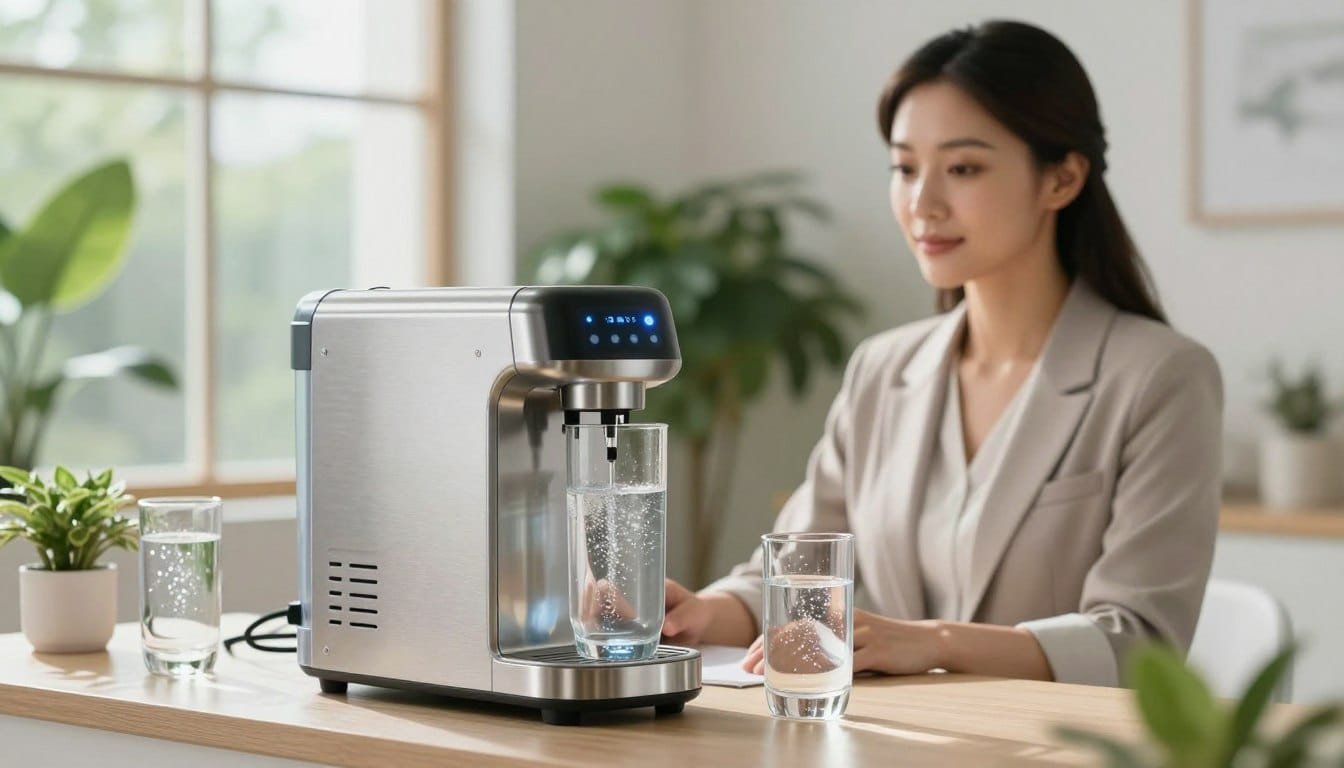
- At-home generators and portable bottles that infuse gas on demand.
- Effervescent tablets that release H₂ when dissolved.
“For many, improving daily intake is the best first step; enriched options serve as a possible add-on.”
| Feature | Regular water | Hydrogen-rich water |
|---|---|---|
| Calories & macros | 0 | 0 |
| Delivery | Bottled, tap | Bottled, generators, tablets |
| Storage notes | Stable | Hydrogen can escape over time |
Understanding oxidative stress and oxidative damage in the body
Cells face a daily tug-of-war between unstable molecules and the body’s defenses. Oxidative stress means those reactive particles outnumber antioxidant protection. That imbalance matters because it raises the chance of harm to important cell parts.
What free radicals are and why hydroxyl radicals cause damage
Free radicals are unstable molecules that seek electrons. They can nick DNA, alter proteins, and weaken cell membranes — creating measurable oxidative damage.
Hydroxyl radicals are among the most reactive. They jump onto nearby molecules almost instantly, so scientists pay special attention to these -OH species.
Everyday sources of oxidative stress
Common sources include UV exposure, traffic pollution, processed foods, alcohol, and smoking. High-pressure jobs and poor sleep also add stress that taxes defenses.
Why this links to inflammation and chronic conditions
When reactive molecules persist, they can amplify inflammatory signaling. Long-term inflammation often appears alongside chronic diseases such as heart problems and neurodegenerative conditions.
Because people look for simple ways to support daily health, this sets the stage for selective antioxidant strategies and practical routines.
How molecular hydrogen may work as a selective antioxidant
Tiny neutral gas molecules can pass through membranes and reach the cell’s powerhouses with surprising ease.

Why it can reach cells and mitochondria efficiently
The molecule is very small and uncharged. This allows it to diffuse across cell membranes and into mitochondria faster than larger compounds.
Because of that mobility, it can appear where reactive events occur. Early studies show this reach is one reason it is studied for balance at the cell level.
Selective targeting of hydroxyl radicals
Researchers propose a selective antioxidant action: the molecule may react mainly with hydroxyl radicals, those highly reactive -OH species that cause harm on contact.
This selectivity matters. It means beneficial reactive oxygen species used in normal cell signaling stay largely intact, preserving normal function while targeting the most harmful species.
What “water antioxidant” claims mean in practical terms
Labels that say “water antioxidant” describe potential supportive effects, not a treatment. Consumers should read claims as early research-based possibilities rather than promises.
Practical expectations: it may help maintain healthier levels of reactive species over time when used alongside good habits like sleep, diet, and safe sun exposure.
| Concept | What it means | Practical note |
|---|---|---|
| Cell access | Small and neutral so it diffuses easily | Freshness and concentration affect how much reaches cells |
| Selective action | Targets hydroxyl radicals preferentially | Preserves signaling ROS for normal function |
| Label claims | “Water antioxidant” implies supportive potential | Treat claims with caution; research is ongoing |
hydrogen water oxidative damage reduction: a practical how-to roadmap
Start with one clear goal. Pick energy, faster recovery, easing fatigue and inflammation, or general health as your focus. A single aim makes it easier to choose a method and judge results.
Setting a goal
Energy and fatigue: use the drink around busy mornings or workouts.
Recovery: try it before or after exercise when soreness is a concern.
Inflammation or general support: a daily, low-effort habit fits best.
Choosing a consumption method
- Bottled or canned products for simple, no-setup use.
- At-home generators and portable bottles for frequent users on a budget.
- Effervescent tablets when storage and cost matter.
Building consistency without overcomplicating
Small, repeatable steps work best. Aim for one drink a day tied to a habit, like breakfast or post-workout. That keeps testing realistic and limits waste.
“Pair any new routine with solid basics—sleep, balanced nutrition, and movement—to see clearer effects.”
- Set your goal.
- Choose the method that fits lifestyle and budget.
- Make it a daily, simple habit and track how you feel.
Next up: timing, common amounts used in research, and safety tips on not overdrinking. Wellness Concept helps people pick an approach that fits their local needs in Malaysia rather than one-size-fits-all claims.
How to drink hydrogen water for best day-to-day use
Practical timing, not perfection, matters most for daily use. Small choices about when to sip can make a routine easier to keep. The goal is steady intake tied to normal habits rather than perfect timing.
Timing options seen in studies
Some studies suggest taking drinks on an empty stomach for faster absorption. Others use spacing between meals to avoid slowing digestion.
Daily consistency is the key. Pick morning, between meals, or a set afternoonslot and stick to it for several weeks before judging effects.
Use around exercise
For exercise, people often sip a portion pre-workout to support fatigue management and again after training for recovery. Athletes may split doses: a small amount before activity and more after strenuous sessions.
How much to drink
Research commonly tests about 1–2 liters per day, but there is no official requirement. Start modestly—perhaps one glass tied to a meal—and adjust by how one feels, climate, and activity level.
Hydration safety
Even with enriched drinks, standard hydration rules apply. Spacing intake across the day reduces stomach discomfort and helps adherence.
Warning: too much fluid can dilute blood sodium and cause hyponatremia, a higher risk for endurance athletes during long events. Monitor thirst, weight changes, and symptoms during heavy exercise.
- Choose a time that fits daily routine (morning or between meals).
- Use small pre-workout sips for fatigue support and post-workout for recovery.
- Start with modest amounts (one glass) and track effects over weeks.
For local guidance and product options in Malaysia, readers can explore a helpful resource on drinking hydrogen-rich water choices.
Choosing high-quality hydrogen water products in Malaysia
Choosing a reliable product starts with clear, measurable labels rather than marketing slogans. Buyers should scan for concentration numbers, packaging type, and proof of testing when comparing options available locally.
Hydrogen concentration and what ppm means for effectiveness
ppm stands for parts per million and shows how much dissolved gas is in each litre. Many brands target about 1–3 ppm because that range is common in studies and practical use.
Higher numbers do not guarantee better results, but concentration helps set expectations when consumers compare products.
Packaging and stability: why levels can drop over time
Because the gas is small, it can escape through typical plastic bottles. Non-permeable options like aluminum cans or foil pouches keep levels higher for longer.
Freshness, seal quality, and storage temperature all affect how much is left when the drink is opened.
Device considerations: electrolysis technology and at-home generators
At-home units often use SPE or PEM electrolysis to produce dissolved gas on demand. Buyers should ask about output in ppm, maintenance, and how the device affects function over time.
Tablets and powders: what to look for
Choose products with clear dosing instructions and realistic claims. Look for reputable sourcing and avoid brands that promise dramatic cures.
Quality checks: third-party testing and transparency
Independent lab reports or posted results are the best trust signals. Good labels list concentration, manufacture date, and storage tips.
“Quality improves the chance of benefit, but science still calls for more study.”
Keep in mind that research needed remains a theme; consumers can use objective markers and testing to make better choices.
| Feature | What to check | Why it matters |
|---|---|---|
| Concentration (ppm) | 1–3 ppm shown | Sets realistic expectations |
| Packaging | Aluminum or sealed pouch | Limits gas loss |
| Testing | Third-party lab results | Transparency and trust |
Tracking results: markers, effects, and what improvements can look like
Real-world results mix lab markers with daily feelings like energy and soreness. This section explains what those signals mean and how long to test a routine before changing it.
Common lab markers discussed in studies
Research often measures markers such as malondialdehyde (MDA) and 8-OHdG. These track lipid and DNA stress in the body.
Some trials also report inflammatory markers like TNF-α and IL-6. Labs give objective context, but many studies are small.
Day-to-day signs to monitor
Practical tracking focuses on fatigue, muscle soreness, perceived recovery time, sleep quality, and overall energy.
Simple log idea: rate each item 1–5 daily to spot trends over weeks.
How long to test and how to adjust
Try a consistent plan for 3–6 weeks before changing amount or timing. Changing one variable at a time makes results clearer.
- Set baseline for one week (no changes).
- Introduce the routine and track for 3–6 weeks.
- If no clear effects, adjust timing or dose and repeat one change at a time.
“Self-tracking helps people decide if a routine feels worthwhile; it does not replace medical testing.”
| What to track | Lab markers | Practical signs |
|---|---|---|
| Examples | MDA, 8-OHdG, TNF-α, IL-6 | Fatigue, soreness, recovery time, sleep |
| Why it matters | Shows biological shifts seen in research | Shows daily effects that impact quality of life |
| How long to watch | 3–12 weeks for measurable change | 3–6 weeks for clear personal trends |
Who may benefit most from drinking hydrogen-rich water
A simple daily sip can fit different goals without replacing core health habits.
Athletes and active individuals focused on endurance and recovery
Athletes training for endurance or frequent sessions may use hydrogen water as a convenient add-on.
Small trials and reviews suggest it may help reduce fatigue and support recovery in some contexts. Results vary by sport, intensity, and dose.
People managing inflammation and oxidative stress from lifestyle exposures
Those with high sun, pollution, or processed-food exposure often seek daily habits to lower inflammation and oxidative stress.
Enriched water is one practical option among diet and rest strategies, and it may help complement other measures.
Wellness-minded adults exploring heart-health supportive habits
Adults building heart-friendly routines may try hydrogen-rich water alongside diet, activity, and sleep changes.
Important: this is not a treatment for heart disease or any medical condition. People on medications should consult a clinician before changing intake.
“Hydration basics, food quality, and regular exercise remain the foundation; enriched options are optional add-ons.”
| Audience | Why they try it | Realistic expectation |
|---|---|---|
| Athletes | Support endurance and speed recovery | May help fatigue in some studies; mixed results |
| High-exposure adults | Counteract lifestyle sources of stress | Possible supportive effect when paired with healthy habits |
| Wellness-focused adults | Part of heart-health routines | Not a substitute for medical care; consult professionals |
What research says today and where research is needed
Early trials offer promising signals, yet they stop short of firm conclusions. Current studies suggest the drink may reduce oxidative stress and may help lower inflammation in some settings. Results remain preliminary and should be read with care.

What early studies suggest
Small studies report possible anti-inflammatory effects and markers that hint at heart health benefits. Some trials looked at cholesterol, angina symptoms, and vascular function.
Other research explored metabolic markers like A1c and BMI, fatigue in dialysis patients, and quality of life during radiation therapy. These findings show potential health benefits but are not definitive.
Why many trials are small and what that means
Many studies are pilot or short-term. That limits how well results generalize across populations and diseases.
Small trials: can suggest directions but cannot confirm effects on long-term outcomes. Larger, longer, and well-controlled research is needed to clarify risks, benefits, and practical dosing.
“Promising early findings merit follow-up with bigger, longer studies.”
Readers in Malaysia can test the approach cautiously as a routine add-on, and seek personalized guidance on product type, concentration, and fit with medical care.
Visit Wellness Concept for guidance on hydrogen water use
A short conversation at Wellness Concept can clarify how to match a product to schedule and goals.
Business hours
Plan a visit:
- Monday–Friday: 9:30 am–6:30 pm
- Saturday: 10:00 am–5:00 pm
- Sunday: Closed
How Wellness Concept helps people choose an approach that fits their health goals
Wellness Concept helps customers compare bottled, tablet, and generator options so they can pick what suits budget and routine.
The team explains concentration and stability, including why ppm targets matter and how packaging affects how long dissolved gas lasts.
They focus on practical fit: pairing a product to exercise times, daily habits, and storage to keep levels steady.
“Bring your current routine and goals so recommendations match real life, not marketing claims.”
There is no single required intake or perfect time to drink enriched drinks, so guidance centers on personalization, cost, and a plan people can maintain.
- Bring notes on exercise, sleep, and typical drinking habits.
- Discuss ppm targets and packaging preferences with the staff.
- Leave with a simple, tested routine to try for several weeks.
Conclusion
The final takeaway focuses on realistic expectations, product quality, and sensible routines.
Hydrogen water is simply water infused with molecular hydrogen and is discussed as a selective antioxidant that may target harmful radicals. It may help manage oxidative stress for some people, but current effects are modest and research needed remains significant.
Remember: hydrogen-rich water is still water first, so daily hydration, sleep, and diet are the foundation of good health. Prioritize product quality—clear concentration, stable packaging, and transparent testing—and try a simple routine for several weeks.
Safety note: more is not always better; overdrinking can cause harm even with regular fluids. For tailored product choices and a tested plan, visit Wellness Concept in Malaysia for friendly guidance.
FAQ
What is hydrogen-rich water and why do people use it?
Many people drink hydrogen-rich water because it contains dissolved hydrogen gas. They believe the gas can act as a selective antioxidant that reaches cells and mitochondria quickly, supporting recovery, energy and managing stress from exercise or environmental exposures.
How does hydrogen-rich water compare to regular water for hydration?
Regular tap or bottled water hydrates the body the same way. The difference is the dissolved gas; proponents say it adds a potential functional benefit beyond fluid balance, while plain water remains essential for daily hydration and health.
What are common ways to get dissolved hydrogen gas into a drink?
People use bottled hydrogen-rich beverages, portable generators and electrolysis bottles, effervescent tablets, or specialty cartridges. Each method affects concentration and how long the gas stays dissolved.
What are free radicals and how do hydroxyl radicals affect the body?
Free radicals are unstable molecules that can react with cells, fats and DNA. Hydroxyl radicals are among the most reactive; they can cause cellular injury that contributes to inflammation and long-term conditions when not balanced by the body’s defenses.
What common factors increase oxidative stress in everyday life?
Sun and UV exposure, pollution, processed foods, smoking, intense exercise without recovery, and certain medications all contribute. Lifestyle choices and environment together shape a person’s baseline stress load.
Why is oxidative stress linked to inflammation and chronic disease?
Repeated cellular injury from reactive molecules triggers immune responses. Persistent immune activation can become chronic inflammation, which research connects to heart disease, metabolic issues and other long-term conditions.
How might molecular hydrogen act without blocking beneficial reactive species?
Research suggests the gas can selectively neutralize the most damaging radicals while leaving signaling molecules intact. That selectivity may preserve normal cell communication while lowering harmful reactions.
What does it mean when products claim to be a "water antioxidant"?
The term indicates the drink contains an agent that may reduce certain reactive species in the body. In practical terms, it means consumers seek a potential complementary strategy for recovery or inflammation support, not a replacement for proven therapies.
How should someone set goals before trying this approach?
They should decide if the aim is improved energy, faster post-exercise recovery, lowering inflammation, or general wellness. Clear goals help choose the right product, dose and monitoring strategy.
What are reasonable ways to consume dissolved hydrogen for routine use?
Options include drinking pre-bottled products, using a home generator or electrolysis bottle, or dissolving tablets. People should consider convenience, concentration stability and cost when choosing.
How can someone build a simple, consistent routine?
Start with a single method that fits daily life, set reminders, track perceived recovery or energy for a few weeks, and avoid switching products too often so results can be noticed.
When is the best time to drink hydrogen-rich beverages based on studies?
Trials vary. Some show benefits when taken on an empty stomach, others between meals. Consistency matters most; timing can be adjusted around workouts if the goal is fatigue reduction or recovery.
Can use around exercise help with fatigue and recovery?
Some athletes report reduced soreness and quicker perceived recovery when using these drinks before or after training. Evidence is mixed, so individuals should combine this with proven recovery practices like sleep and proper nutrition.
How much should a person drink each day?
Research ranges differ and there is no universally accepted dose. Common study amounts vary by product concentration; users should follow manufacturer guidance and monitor how they feel, consulting a clinician for health concerns.
Are there risks from drinking too much fluid when trying this approach?
Yes. Excessive fluid intake can lead to low blood sodium (hyponatremia). People should maintain balanced intake based on activity level and medical advice, rather than assuming more is better.
How do product labels report concentration and what does ppm mean?
Labels often show parts per million (ppm) to indicate dissolved gas concentration. Higher ppm suggests more dissolved gas, but effective levels depend on product quality and how the drink is stored and used.
Why do levels fall over time in packaged products?
The gas can escape through packaging or materials, and temperature or light exposure accelerates loss. Proper packaging and storage preserve concentration longer.
What should consumers look for in at-home devices and generators?
They should check technology type (electrolysis quality), durability, battery life, ease of cleaning and any independent testing results. Reliable manufacturers provide transparency and warranties.
Are tablets and powders a good option?
Tablets can be convenient and portable. Look for clear instructions, ingredient transparency and independent testing to confirm promised concentrations once dissolved.
How can buyers verify product quality?
Seek third-party lab results, certificates of analysis and clear concentration data. Reputable brands and retailers in Malaysia or elsewhere typically publish testing and sourcing details.
What markers do studies use to track effects?
Common markers include blood antioxidant capacity, lipid peroxidation products, inflammatory cytokines and clinical outcomes like exercise performance or recovery measures.
What day-to-day signs can people watch for improvements?
Reduced fatigue, less muscle soreness after workouts, quicker recovery between sessions and improved subjective wellbeing are common self-monitored signs.
How long should someone try a routine before changing it?
Allow several weeks to a few months to observe consistent changes. Short experiments may miss gradual effects; keep other variables like sleep and diet steady while testing.
Who tends to see the most benefit from using these beverages?
Active people and athletes focused on endurance and faster recovery often report benefits. Adults seeking supportive measures for inflammation from lifestyle exposures may also consider it as part of a broader plan.
What does current research say about heart health and inflammation?
Early studies suggest possible supportive effects on markers related to inflammation and heart-disease risk, but many trials are small. Larger, longer studies are needed before making firm clinical claims.
Why are more trials needed before broad medical recommendations?
Many studies to date use small sample sizes, short durations or varied products and doses. Larger, standardized trials would clarify when and for whom benefits are reliable.
What are Wellness Concept’s business hours and services?
Wellness Concept provides consultations and product guidance; hours vary by location. Contact the nearest Wellness Concept center or their official website for current opening times and appointment options.
How can Wellness Concept help someone choose the right approach?
They offer personalized advice, product comparisons and practical routines tailored to goals like recovery, energy or inflammation support, plus transparency on testing and quality.