
Currently Empty: RM0.00

0 Comments
What this means in everyday Malaysian life: this is not just drinking more. It is about feeling more efficient during heat, commutes, and long workdays. Wellness Concept shows how to choose, store, and drink safely.
Molecular hydrogen is a dissolved gas that moves fast once opened, so packaging and timing matter. The guide stays practical and avoids miracle promises.
When to visit: Monday–Friday 9:30 am–6:30 pm, Saturday 10 am–5 pm, Sunday closed. They help office workers, travelers, outdoor staff, and gym-goers build simple routines that support daily health.
Readers will learn what labels mean, which formats suit Malaysia’s climate, how to drink so the gas lasts, and how to add this option into recovery and daily care.
Key Takeaways
- Wellness Concept offers clear, practical guidance and opening hours for easy visits.
- Handling and packaging are crucial because the dissolved gas escapes quickly.
- The guide focuses on realistic use, not on bold miracle claims.
- It suits busy Malaysians dealing with heat, commutes, and active days.
- Readers learn labels, formats, timing, and simple daily routines to try.
Why Malaysians Are Turning to Molecular Hydrogen for Everyday Hydration
Many Malaysians face long, humid afternoons and heavy commutes that make basic fluid intake feel less effective.
Heat and high humidity raise physical strain and can increase oxidative stress risks when fatigue piles up.
Heat, humidity, and daily stressors that can raise oxidative stress
Hot afternoons, outdoor errands, and long drives add small stresses that add up. Sleep debt, traffic, and heavy training also increase metabolic load and oxidative stress in the body.
What makes hydrogen water different from regular water
Hydrogen water contains dissolved molecular hydrogen gas, which is not the same as the hydrogen already bound in regular water.
The active gas is bioavailable and studied for potential antioxidant effects. People in Malaysia are curious because the idea fits a simple, science-minded wellness habit that is easy to try.
| Feature | Regular water | Hydrogen water |
|---|---|---|
| Primary content | H₂O only | H₂ dissolved in H₂O |
| Claimed effects | Basic hydration | May support antioxidant action |
| Best use in Malaysia | Daily fluid needs | Supplemental option during heat or heavy activity |
Balanced view: hydrogen water may offer benefits for some, but sleep, electrolytes, nutrition, and total fluid intake remain the main drivers of health and hydration.
What Hydrogen Water Is and How It Works Inside the Body
This section explains what added H₂ does and why those free gas molecules behave differently than the hydrogen already bound inside H₂O.
Molecular hydrogen gas vs. bonded hydrogen
Molecular hydrogen refers to tiny H₂ molecules dissolved into purified water to make hydrogen water. This is distinct from the hydrogen already bound to oxygen in H₂O.
Fast diffusion through membranes
Because the extra H₂ is neutral and small, these molecules cross cell membranes quickly. They spread into tissues after drinking and may even reach the brain by crossing the blood-brain barrier. This movement helps explain why some people report clearer focus and faster recovery.
Selective antioxidant action and cell function
Research suggests molecular hydrogen gas can target the most damaging radicals, like hydroxyl types, while leaving useful signaling oxidants intact. That selective action can lower oxidative burden without blocking normal repair signals.
Why this matters: less oxidative strain can support mitochondria, normal cell function, and day-to-day resilience. The next section connects these mechanisms to practical effects during Malaysia’s heat and busy routines.
Hydrogen Water for Cellular Hydration
At the tissue level, staying well means moving fluids into cells, not just topping up a bottle.
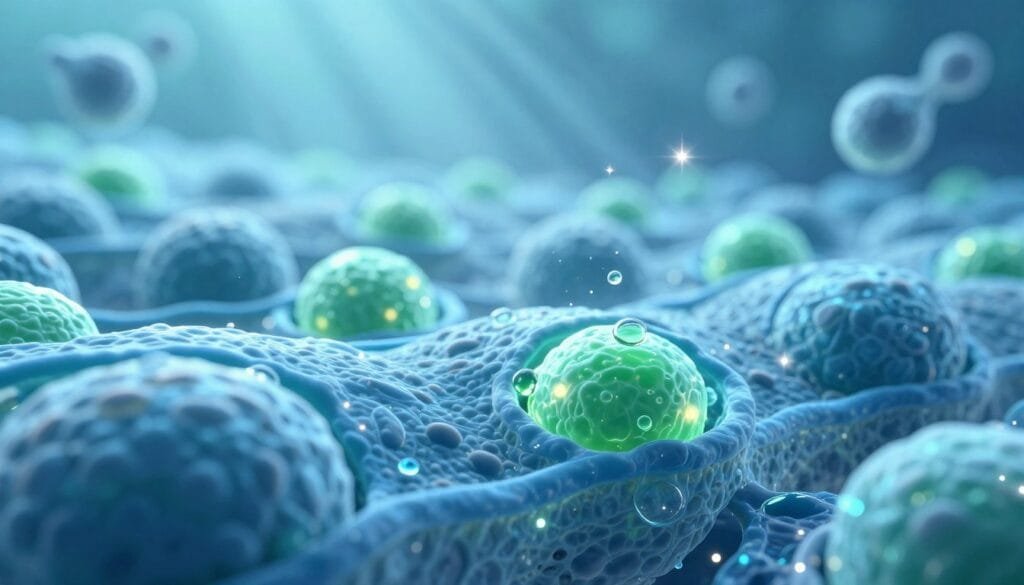
Cellular-level uptake versus “just drinking more”
Hydration at the cell level focuses on absorption and use inside tissues, not only total volume consumed.
When fluids enter cells, they support energy and normal function. Simple intake misses that step.
Aquaporins, intracellular shifts, and faster diffusion in tissues
Aquaporins are the body’s tiny channels that move fluid into and out of cells. They help explain why some drinks reach tissues faster.
The added dissolved gas in hydrogen water is small and diffuses quickly. That may help distribution across membranes and into active muscle or brain tissue.
Why hydration can feel different during long workdays, travel, and outdoor activity
Sweating, air-conditioning, salty meals, and long sitting change fluid balance and can trigger mid-day fatigue.
In hot Malaysian conditions, people report steadier energy when tissue uptake improves during activity or travel. Still, total fluid, electrolytes, and rest remain essential.
| Factor | Typical effect | Practical tip |
|---|---|---|
| Sweating | Loss of fluid and salts | Replace electrolytes, sip regularly |
| Air-conditioning | Drying and uneven distribution | Take short movement breaks and drink |
| Active or hot days | Faster tissue demand | Choose sealed, high-quality products and drink soon after opening |
Takeaway: better tissue uptake matters. Use quality markers, smart packaging, and simple timing to keep fluids reaching cells during busy, hot days.
What to Look for on Labels: DH (ppm), ORP, pH, and Real-World Quality Markers
Start with the numbers on the bottle—those figures reveal how much active gas remains. A clear DH value in ppm is the most direct marker of potency.
Target levels seen in studies usually range from about 0.5–1.6 ppm. Products that state DH near 0.5 ppm match many research baselines. Values far below that may not deliver the claimed effects.
ORP explained: ORP is a simple proxy for antioxidant potential. Negative readings (often around -200 to -600 mV) suggest reducing power. Still, ORP alone does not prove health benefits — it is one piece of the puzzle.
pH matters less than many marketing pages suggest. Typical formulations sit near neutral pH. Alkalinity is not the same as dissolved gas content and should not be the main buying reason.
“Check DH (ppm) first, then ORP and packaging notes. Labels with lab data are more trustworthy than bold health claims.”
Quality reality check and practical buying tips
- Prefer products that publish independent test data and clear DH/ORP values.
- Avoid vague terms like “detox” or “miracle” on packaging.
- Remember Malaysia’s heat: poor storage or leaky seals can cut measured levels drastically.
| Label item | What to expect | Practical meaning |
|---|---|---|
| DH (ppm) | ~0.5–1.6 ppm | Primary potency marker; start here when comparing brands |
| ORP (mV) | Negative, often -200 to -600 | Proxy for reducing potential; useful but incomplete |
| pH | Near neutral | Not a reliable indicator of dissolved gas level |
| Storage notes | Cool, sealed | Critical in warm climates to preserve label numbers |
Bottom line: read DH first, use ORP as a helpful signal, treat pH as secondary, and trust brands that show real test data. Even excellent label numbers can drop if packaging and handling are poor — which leads naturally into choosing the right format and storage in the next section.
How to Choose the Right Hydrogen Water Format in Malaysia’s Climate
Choosing the right container makes a bigger difference than brand names when Malaysia’s heat is factored in. The package is part of product quality: warm temperatures speed gas loss, so format affects real-world potency.
Packaging retention: cans, foil pouches, and plastic
Pressurized aluminum cans rank highest for holding dissolved gas in warm conditions. They keep levels stable until opened.
Foil pouches come next when seals are intact. They are lighter and travel-friendly.
Plastic bottles tend to lose gas faster, especially if stored in heat or opened repeatedly.
Storage basics to reduce loss in warmer conditions
Keep products cool and shaded. Avoid leaving them in a hot car or direct sun. Chill when possible and drink soon after opening.
Minimize repeated opening and carrying bottles in insulated bags during long commutes or outdoor work.
Ready-to-drink, tablets, or home generators — pick by lifestyle
Ready-to-drink (RTD) suits office workers and travellers who want no prep. Tablets are handy in a gym bag and work by a magnesium reaction that releases gas on mixing.
Home generators use electrolysis to make on-demand servings. They fit families or habitual users who accept extra steps and maintenance.
Quick potency checklist before you buy
- DH (ppm): look for clear ppm values near study ranges.
- Check ORP data if given, but treat it as supporting info.
- Confirm packaging type (cans > pouches > plastic) and storage guidance.
- Ask for batch testing or third-party reports; avoid exaggerated benefit claims.
| Format | Best fit | Retention rank |
|---|---|---|
| Pressurized cans | Travel, heat-prone storage | High |
| Foil pouches | Lightweight packs, sealed storage | Good |
| Plastic bottles | Short-term use, cooled storage | Lower |
| Tablets / generators | On-demand use and home prep | Variable |
Bottom line: match format to daily routines and storage ability. The right choice helps keep gas levels stable enough to support recovery and steady energy during Malaysia’s active, warm days.
How to Prepare and Drink Hydrogen Water So the Hydrogen Doesn’t Escape
Small steps at the moment of opening matter most. A serving loses dissolved gas the instant the seal breaks, so how and when someone opens a bottle affects real-world levels and effects.
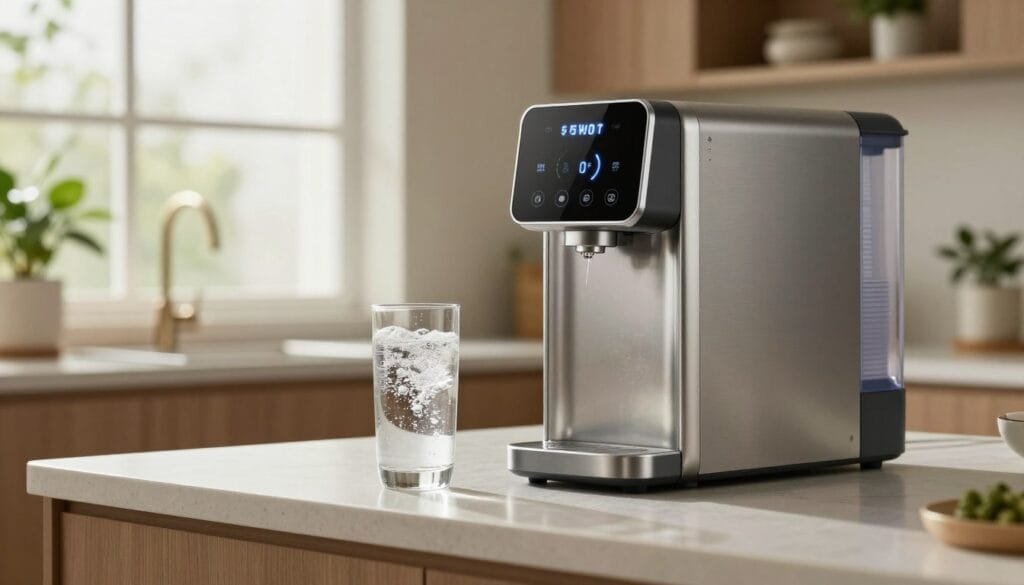
When to open it and how fast to finish it
Open only when ready to drink. Aim to finish the serving within about 15–30 minutes after opening. In Malaysia’s warm settings, closer to 15 minutes is wiser.
Temperature and handling tips that help preserve molecules
Keep chilled before use. Cooler liquids hold dissolved gas better, so store products in a cool place or a fridge when possible.
Handle gently. Avoid shaking, pouring back and forth, or leaving half-finished bottles on a hot desk. Close the cap between sips to limit escape.
- Do this: open at the moment of drinking and finish within 15–30 minutes.
- Not this: decant into large open cups or leave an opened container in heat.
- Do this: chill and keep sealed when not sipping.
- Not this: shake aggressively or repeatedly re-open lids on long commutes.
| Action | Why it matters | Practical tip |
|---|---|---|
| Open when ready | Reduces immediate gas loss | Unseal at point of use |
| Finish quickly | Keeps higher levels intact | Drink within 15–30 minutes |
| Chill before use | Improves retention | Store cool or refrigerate |
Outcome: these small habits help keep more active molecules in each serving, making perceived effects and steady hydration feel more reliable. Preparation matters, but daily consistency and timing also shape benefits — which the next section explains.
How to Build a Daily Routine for Better Hydration, Energy, and Recovery
Small, timed servings across the day suit busy schedules and steady support better than a single large dose. A simple routine helps someone feel more consistent during long commutes, hot afternoons, and gym sessions.
Simple daily schedule: morning, pre-activity, and post-heat exposure
Morning: have one serving soon after waking to top up energy and set a steady baseline for the day.
Pre-activity: take a second serving 15–30 minutes before outdoor work or exercise to support performance.
After heavy sweating: finish a third serving and add an electrolyte source to aid recovery and restore balance.
Consistency vs. high doses: what research suggests about steady intake
Regular small servings often work better than one large dose. The active gas acts quickly but temporarily, so steady timing keeps perceived effects more reliable.
Modest, frequent intake is easier to maintain with Malaysian routines and avoids waste from letting a bottle sit open in heat.
Pairing with nutrition and electrolytes for balanced hydration
This approach is one tool in a broader plan. Sleep, balanced meals, and daily fluids remain essential to body health.
- Include salty snacks or an electrolyte drink after sweating to replace sodium and potassium.
- Pair servings with fruit, soup, or a protein snack to support recovery and steady energy.
- Use cues like “before meetings” or “after commute” to keep the habit consistent at work.
| Time | Action | Why it helps |
|---|---|---|
| Morning | One serving + breakfast | Sets steady energy and routine |
| Pre-activity | One serving 15–30 min prior | Supports performance and readiness |
| Post-heat | One serving + electrolytes | Aids recovery and salt balance |
Tracking tip: note afternoon energy and recovery over 2–4 weeks. Small changes in routine help gauge true benefits and keep habits realistic.
How to Use Hydrogen Water Around Exercise, Sports, and Hot-Weather Workouts
Smart timing around workouts can turn a simple drink into a useful tool in sport and heavy-duty outdoor work. Athletes and active people should fit servings into clear windows: before, during long efforts, and immediately after sessions.
Pre-, intra-, and post-workout timing
Pre: have a serving 15–30 minutes before activity to support steady effort and muscle readiness.
During: sip on long, hot sessions—this helps maintain perceived effort and delays late-session fatigue.
Post: take a serving right after training, then follow with electrolytes and protein to aid recovery and reduce cramping risk.
What early athlete studies report
Small studies show signals such as lower blood lactate, lower rated fatigue, and occasional sprint-power gains. Results vary by product concentration and protocol, so expectations should stay modest.
“Some athletes notice steadier effort and a smoother return to baseline after intense intervals.”
Recovery: inflammation, soreness, and training stress
During heavy training weeks, inflammation and mitochondrial stress rise and can slow muscle recovery. Early work explores antioxidant-related benefits as a supportive tool alongside nutrition and rest.
| Sport | Practical tip | Why it helps |
|---|---|---|
| Running / Cycling | Pre + intra on long runs | Less late fatigue |
| Badminton / Football | Pre-match + post | Faster rebound |
| Gym training | Post with protein | Support muscle recovery |
Keep it simple: stick to the same timing windows most days. Pair servings with electrolytes when sweat is heavy and track perceived recovery over weeks.
Safety, Myths, and What Current Research Actually Supports
A practical view puts safety first and frames benefit claims against the current research landscape.
Safety overview and elimination
molecular hydrogen is widely regarded as safe and has GRAS mention in many sources. The extra gas does not build up; the body vents it, mainly via exhalation.
Myth-busting common claims
Alkaline marketing often confuses buyers. pH alone is not the mechanism that delivers antioxidant effects. Treat alkalinity claims with skepticism when labels lack clear potency data.
What research shows — and what it does not
Early studies report modest improvements in oxidative stress markers and some inflammation signals in specific groups. Results are promising but limited, so larger trials are needed.
- Who should check with a clinician: people on medications or with medical conditions.
- Product variability matters: labeled products can differ widely in actual potency.
- Expect subtle benefits: steadier energy, gentle recovery, or skin support may appear over weeks.
| Topic | Reality | Practical note |
|---|---|---|
| Safety | Generally safe (GRAS) | Low risk; consult clinician if unwell |
| Evidence | Early studies show reduced oxidative stress | More research needed |
| Product risk | Variable potency | Check lab data and packaging |
Want a deeper comparison? See the hydrogen vs collagen guide to explore skin interest and realistic expectations.
Conclusion
Simple habits and the right packaging make the biggest difference in real-world product effects.
Keep it practical: potency depends on measured levels, packaging retention, and how soon someone finishes a serving after opening. Choose products with clear DH near 0.5–1.6 ppm, negative ORP data, and sealed cans or foil pouches to resist Malaysia’s heat.
Set reasonable expectations. This approach may aid hydration feel, recovery, and reduced oxidative stress, but it does not replace regular fluid intake, electrolytes, sleep, or nutrition.
Try a small routine: morning, pre-activity, and after heavy heat. For in-store help and personalised guidance, visit Wellness Concept guidance during business hours: Monday–Friday 9:30 am–6:30 pm; Saturday 10 am–5 pm; Sunday closed.
FAQ
What is molecular hydrogen and how does it differ from the hydrogen already in regular water?
Molecular hydrogen (H₂) is a tiny, neutral gas molecule that can dissolve in drinking fluids. It’s different from the hydrogen atoms chemically bound in H₂O because H₂ exists as a free gas that may act as a selective antioxidant in the body. When present in a drink, it may cross cell membranes and move through tissues faster than larger solutes, which some studies link to reduced oxidative stress and improved cell function.
How might H₂-rich drinks affect cellular hydration compared with just drinking more plain fluids?
H₂-rich drinks still provide fluid for rehydration, but the proposed benefit is that dissolved gas molecules can diffuse rapidly into tissues and interact with pathways tied to oxidative stress and cell signaling. This could make subjective hydration, recovery, or energy feel different during long workdays, travel, or outdoor activity. However, staying consistently hydrated and balancing electrolytes remains essential.
Can H₂ cross biological barriers like cell membranes and the blood–brain barrier?
Yes. Because H₂ is a very small, nonpolar molecule, it can diffuse through lipid membranes and may cross the blood–brain barrier. That permeability helps explain why research examines possible effects on muscle recovery, fatigue, and markers of mitochondrial or neural stress.
What dosage or dissolved concentration should consumers look for?
Many human studies use dissolved H₂ levels roughly in the 0.5–1.6 ppm range. Labels sometimes show DH (dissolved hydrogen in ppm) or mg/L. Consumers should check those values and choose products that provide validated concentration at the time of opening rather than relying on vague claims.
Why do some labels show negative ORP and what does it mean?
ORP (oxidation–reduction potential) indicates a fluid’s tendency to gain or lose electrons. A more negative ORP can signal greater reducing (antioxidant-like) capacity, often associated with dissolved H₂. While not a perfect measure, negative ORP readings alongside verified DH values can support product credibility.
Does pH determine the effectiveness of H₂-rich products?
No. pH is separate from dissolved gas content. While some brands market alkalinity, the key factor for H₂-related effects is the actual dissolved H₂ concentration, not pH. Consumers should prioritize DH ppm and packaging that preserves the gas.
Which packaging keeps dissolved H₂ the best in Malaysia’s hot, humid climate?
Pressurized aluminum cans and sealed foil pouches usually retain dissolved gas longer than standard plastic bottles. Tight seals, low-permeability materials, and cool storage help reduce H₂ loss in warm conditions. Consumers should avoid sunlight and long periods at high temperature.
Are ready-to-drink options better than tablets or home generators?
Each format has trade-offs. Ready-to-drink products offer convenience and consistent dosing when freshly sealed. Tablets are portable and activate on demand but can vary in peak concentration. Home generators can produce higher volumes but require maintenance. Choice depends on lifestyle, cost, and how soon one consumes the drink after production.
How should someone open and consume a product to preserve dissolved H₂?
Open it right before drinking, avoid shaking, and finish the container within minutes to an hour depending on packaging. Cooler temperatures and minimal headspace loss help retain gas. For cans or pouches, drink soon after opening for best dissolved-gas retention.
How often should one drink H₂-rich fluids to potentially see benefits?
Research suggests consistency matters more than infrequent large doses. Simple schedules—morning, pre-activity, and post-heat or workout—are commonly used in study designs. Pairing with balanced nutrition and electrolytes supports overall hydration and recovery.
Can athletes use H₂ products around training and competition?
Early athlete studies report signals such as reduced perceived fatigue, shifts in lactate, and possible faster recovery in some contexts. Many protocols use pre-, intra-, and post-exercise timing. Athletes should verify product quality, test effects during training, and remain within anti-doping guidelines for supplements.
Is consuming H₂-rich drinks safe?
Current evidence indicates H₂ has a favorable safety profile; the body eliminates excess gas naturally. Some regulatory bodies view certain preparations as GRAS in specific contexts. Still, product variability exists, so choose reputable brands with transparent testing.
What common myths should consumers be aware of?
Consumers should avoid conflating alkalinity marketing with H₂ effects. Alkaline claims do not equal dissolved-gas benefits. Also, not all products labeled with H₂ deliver meaningful concentrations at the time of use; independent DH and ORP verification matters.
How should someone verify product potency and avoid misleading claims?
Look for third-party lab results showing DH ppm at time of bottling and stability data, clear ORP readings, and transparent manufacturing information. Avoid vague language, and prefer brands that publish test reports and explain packaging choices that preserve dissolved gas.
Can H₂-rich beverages help with inflammation or oxidative stress?
Early research in humans and animals reports promising signals for reducing markers of oxidative stress and supporting recovery after exercise or heat exposure. However, larger clinical trials are needed to confirm consistent clinical benefits across diverse populations.
Are there interactions with medications or special health considerations?
H₂ is generally well tolerated, but people with serious medical conditions or those on multiple medications should consult a healthcare professional before adding new supplements or specialty drinks to their routine. Healthcare providers can assess individual risks and interactions.
What practical tips help combine H₂ drinks with electrolytes and nutrition?
Pairing small, regular servings with balanced electrolyte intake supports fluid balance during prolonged activity or heat exposure. Consuming carbohydrates and protein around workouts aids performance and recovery; H₂-rich fluids can be part of that broader strategy rather than a standalone solution.