
Currently Empty: RM0.00

0 Comments
Wellness Concept opens a consumer-friendly review that looks at a growing trend in Malaysia. This piece explains what the product is, why it gained attention, and which research points are worth noting.
Readers will get clear mechanisms in plain language, study summaries, safety notes, and practical use tips.
The article frames this offering as a potential supportive tool for people living with diabetes who juggle habits, glucose tracking, and long-term risk reduction. It does not promise a cure.
Results vary by person. Baseline blood sugar, medications, diet, and activity strongly influence outcomes. The review will also compare this delivery method with other approaches mentioned in research to help buyers decide.
Key Takeaways
- This review by Wellness Concept is evidence-aware and consumer-focused.
- The article explains mechanisms, study findings, and safety in simple terms.
- Outcomes differ by baseline health, meds, diet, and activity level.
- Practical product features and usage tips for Malaysia buyers are included.
- Comparisons with other delivery methods help inform purchasing choices.
Why Hydrogen-Rich Water Is Trending in Malaysia’s Diabetes Management Conversations
Rising case numbers and everyday costs have pushed Malaysians to explore practical, repeatable strategies that support long-term glucose control.
Public interest now favors simple routines that fit busy schedules—work commutes, warm climates, and family care. When a chronic disease is common, people seek tools that are affordable and easy to keep doing.
Why a group approach matters:
- Small, steady habits — movement, sleep, meal timing — often beat one-off fixes.
- Hydration links to appetite, energy, and how well someone sticks to plans that affect glucose.
- Combining several supports forms a realistic management group rather than isolated tricks.
“Consistency matters more than intensity when aiming to hit glycemic targets.”
This trend positions hydrogen-rich water as a supportive option, not a replacement for clinical care. Readers looking for metabolic benefits often respond to antioxidant narratives and practical fits for Malaysian life.
Product Review Snapshot: What This Page Covers and Who It’s For
This section gives a plain summary of who gains from the review and how it frames practical expectations.
Best-fit readers
Patients with type metabolic concerns, people with prediabetes markers, and those told they have metabolic syndrome will find this useful.
The content speaks to everyday choices, not to emergency care or complex clinical plans.
What “support” means here
Support refers to tools that may help improve markers alongside standard treatment, not a substitute for medical therapy or a cure.
- The review summarizes evidence and recent research so readers can compare devices and routines.
- It explains what results and data from trials usually look like in real life.
- Outcomes depend on baseline HbA1c, medication plans, and how well patients stick to routines.
“Focus on small, consistent habits and clear data when choosing a consumer device.”
The article keeps a consumer lens: what specs matter, how to use devices consistently, and when to discuss changes with a clinician.
For a focused look at gut effects and related findings, see this review for patients.
Hydrogen Water and Type 2 Diabetes Healing
This short primer clarifies what molecular H2 is, how it differs from ordinary drinking water, and why the claim matters.
What molecular hydrogen is and how it differs from regular water
Molecular hydrogen refers to dissolved H2 gas in liquid, not the H2O molecule people drink daily. When H2 is present as a gas, it can move through cell membranes more easily than bulk water.
Common labels and what they mean
Consumers will see terms like hydrogen-rich water, “dissolved hydrogen,” or “H2 concentration.” These describe how much gas is in the product and help compare devices or bottles.
Why antioxidant positioning matters
Research calls molecular hydrogen a selective antioxidant. It may target harmful ROS linked to oxidative stress while leaving normal cell signals alone. This is different from taking high-dose vitamin antioxidants, which have mixed results in trials.
“Claims of ‘healing’ usually mean modest marker improvement over time, not a quick cure.”
- Evaluate plausibility, study strength, and daily usability when comparing products.
How Molecular Hydrogen Works: Antioxidant Action and Oxidative Stress Explained
Cells rely on a fine balance between reactive molecules and defenses; when that balance tips, damage can follow. Oxidative stress happens when reactive oxygen species and other radicals outpace the body’s antioxidant defenses.
Why this matters for chronic conditions: Excess reactive compounds can harm proteins, DNA, and lipids. That damage links to chronic inflammation, endothelial strain, and long-term tissue vulnerability.
Selective antioxidant action in research
Some studies describe a selective antioxidant effect: the agent removes more cytotoxic radicals while preserving normal signaling ROS. This targeted action may lower harmful stress without blocking useful cell messages.
How this differs from broad supplements
Broad antioxidant supplements act widely. In some trials, non-selective antioxidants altered normal signaling or showed mixed safety results. That is why selective effects attract attention.
- Practical point: Mechanistic plausibility supports further study, but clinical outcomes matter most.
- Reducing oxidative stress may help cellular energy regulation and metabolism, which can influence insulin signaling efficiency.
“Evaluate products by measurable output and consistency, not only marketing about antioxidant effects.”
Evidence Overview: What Studies Say About Blood Glucose and HbA1c
Looking at trials and clinic data together shows which changes in common markers are realistic over months.
Real-world and clinical findings
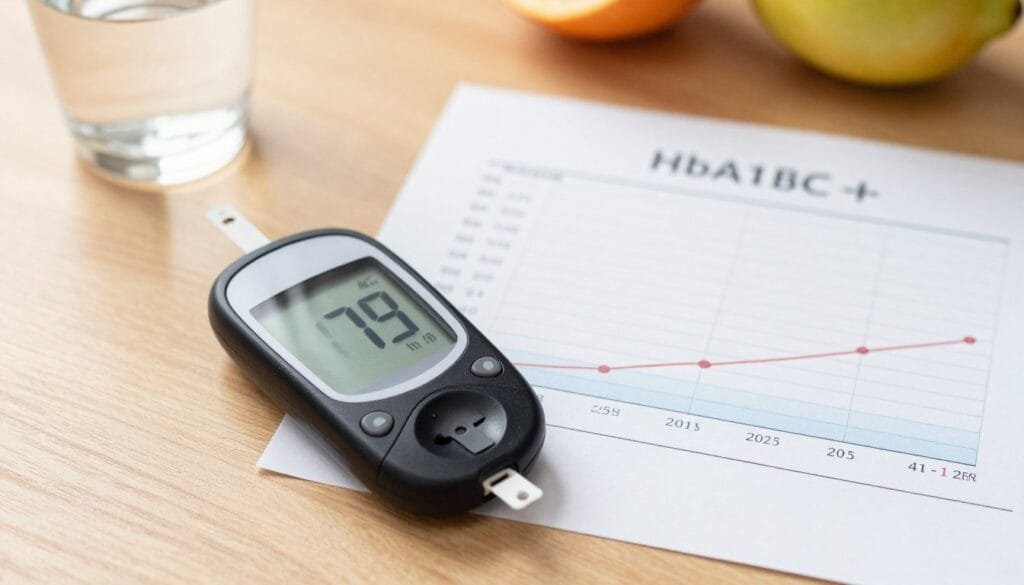
Multiple recent study reports include real-world, multicenter data and single-arm trials. One retrospective double-arm report at about six months found that the HI group had a mean HbA1c change of -0.94% and fasting plasma glucose fell by -22.7 mg/dL. The control arm showed smaller shifts: HbA1c -0.46% and fasting -11.7 mg/dL.
Key markers explained
HbA1c reflects average blood glucose over months. Fasting measures capture baseline morning glucose. Clinicians also watch tolerance and insulin response to judge overall control.
What counts as clinically meaningful
Even sub-1% HbA1c drops can matter if sustained. One multicenter single-arm report noted HbA1c falling from 9.04% to 8.00% and fasting from 165.6 to 143.6 mg/dL over six months.
“Look for sample size, baseline levels, and duration when judging study results.”
- Some studies show benefit; others are mixed.
- Delivery, dose, and consistency often explain variation.
- Readers should weigh the evidence when comparing products for long-term control.
Hydrogen Inhalation vs Hydrogen Water: What the Research Suggests About Delivery Methods
Delivery method matters: how a product reaches tissue can shape measurable outcomes in trials.
Two common routes are consumer drinking systems and clinical inhalation setups. Drinking delivers dissolved gas by mouth. Inhalation delivers gas directly to the lungs via equipment.
Why saturation and maintenance time may matter
Saturation refers to how much gas is dissolved at the point of intake. Dissolved gas can escape fast, so freshness, container quality, and how soon someone drinks it affect actual intake.
Maintenance time means how long elevated levels remain in the body. Inhalation often keeps levels higher for longer, which may change measured serum markers and study results.
How ingestion options compare
Practical trade-offs: drinking is easier for daily use in Malaysia. Gas-based therapy needs equipment and a setting that supports repeated sessions.
Researchers note that studies using inhalation sometimes show larger or more consistent changes. That does not prove superiority for every user. Consistency at home can outweigh short, intensive sessions done rarely.
“If a study uses inhalation, readers should not assume identical outcomes from drinking-based intake.”
- Drink option: portable, lifestyle-friendly, variable saturation.
- Inhalation option: higher maintenance time, equipment-dependent.
- Choice tip: pick the method you can sustain for months to judge real effects.
| Feature | Drinking (dissolved gas) | Inhalation (gas) |
|---|---|---|
| Saturation at intake | Lower, depends on freshness | Higher, controllable |
| Maintenance time in serum | Shorter | Longer |
| Ease of use | High for daily life | Requires equipment and setting |
| Typical study findings | Variable results, linked to device quality | More consistent serum changes in some reports |
Insulin Resistance, HOMA-IR, and Beta-Cell Function: What May Improve and Why
Markers that track how the body handles glucose give a window into metabolic changes over months.
HOMA-IR is a simple proxy for insulin resistance — it estimates how hard the body must work to keep fasting glucose in range. HOMA-β estimates beta-cell function, or how well insulin-producing cells respond.
Plain-language meaning of the markers
Lower HOMA-IR usually means the body needs less insulin to control fasting glucose. Higher HOMA-β suggests better insulin production when needed.
Reported direction of change and practical implications
In one real-world double-arm study, HOMA-IR fell more in the intervention group (-0.76) than control (-0.17) over about six months. HOMA-β rose by 8.20% in the intervention group versus 1.98% in control.
These shifts imply improved insulin response and steadier post-meal glucose for some patients. Improvements are supportive, not curative, and work best alongside diet, activity, and prescribed medication.
Possible mechanistic links
Researchers note pathways like AMPK that tie cellular energy sensing to glucose uptake and metabolism. Activation of such pathways may help cells use glucose more efficiently and ease pressure on beta cells.
“Measure changes with a clinician: lab context and medication status matter for safe adjustments.”
- Key take: HOMA changes suggest metabolic effects but must be viewed with clinical context.
- Practical tip: Patients should track patterns and consult a clinician before changing meds.
Lipids, Weight, and Metabolic Syndrome: Secondary Effects to Watch
Beyond glucose control, lipid changes and body mass offer clues about broader metabolic benefit.
Cholesterol and triglyceride levels influence heart risk in people with metabolic concerns. In one double-arm report, total cholesterol fell by -12.9 mg/dL, HDL rose +1.0 mg/dL, and LDL fell -4.1 mg/dL at six months.
The single-arm study showed a modest weight drop from 74.7 kg to 73.6 kg (p<0.001). The double-arm trial found no significant weight change at six months. These mixed results reflect differences in design, follow-up, and user habits.
Total cholesterol, LDL, HDL, and triglycerides in published outcomes
Some studies report modest jumps or falls in lipid markers. Improvements tend to be small and best seen alongside diet and exercise.
Weight change: why results vary across studies and timeframes
The liver plays a key metabolic role in fat handling. Animal and rats research shows shifts in lipid metabolism and liver fat deposition, suggesting a plausible mechanism for changes in levels over time.
“Consumers should not buy a device solely for weight loss; watch secondary markers as part of a broader plan.”
- Track periodic lipid panels and waist measures for clearer interpretation.
- Note that small marker shifts often appear with consistent lifestyle change.
| Measure | Double-arm results | Single-arm results |
|---|---|---|
| Total cholesterol | -12.9 mg/dL | Noted improvement |
| LDL | -4.1 mg/dL | Variable |
| HDL | +1.0 mg/dL | Variable |
| Weight | No significant change at 6 mo | 74.7 → 73.6 kg (p<0.001) |
Safety Review: Side Effects, Hypoglycemia Risk, and Real-World Tolerability
Real-world data help show which side effects appear most often and how they compare with standard care.
Reported adverse events in practice
Gastrointestinal complaints were the commonest events in one double-arm study. Rates were 10.9% in the intervention group versus 15.9% in control.
Dizziness, vomiting, and constipation appeared less often in the intervention arm. In a single-arm report, the most frequent event was low blood sugar at 3.2%.
Hypoglycemia comparisons
When added to routine treatment, one real-world report showed lower hypoglycemia incidence in the intervention group (2.0%) than control (6.8%).
Interpreting “no serious adverse events reported”
No recorded SAEs means the studies did not document life‑threatening or hospitalizing events during follow-up. It does not guarantee zero risk for every patient or longer use.
“Monitor changes closely and bring notes to a clinician if patterns shift.”
- Patients on insulin or multiple therapies should test glucose more often when starting any new routine.
- Start conservatively, log symptoms, and follow device instructions from reputable makers.
| Event | Intervention | Control |
|---|---|---|
| GI adverse events | 10.9% | 15.9% |
| Hypoglycemia | 2.0% | 6.8% |
| Single-arm hypoglycemia | 3.2% | — |
How to Use Hydrogen-Rich Water Day to Day: Practical Intake and Consistency
Small, repeatable intake habits make it easier to measure real change over weeks and months.
Start simple: follow a routine that fits morning and meal times rather than forcing large volumes. Trials often used multiple small servings daily, aligned with breakfast, lunch, and after exercise to capture fasting and post-meal glucose trends.
Typical routine patterns used in trials
Common patterns: 200–400 ml per serving, two to three times daily, consumed within minutes of generation or opening. Studies track this pattern for weeks to months to assess fasting and average markers.
Storage and freshness considerations
Freshness matters: dissolved gas escapes over time. Drink soon after producing or opening, keep containers sealed, avoid heat, and limit shaking to preserve effective levels.

Pairing intake with diet, exercise, and monitoring
Pair use with steady carbohydrate choices, fiber, and protein at meals. Regular activity enhances metabolic response and supports clearer interpretation of marker shifts.
Monitor glucose by checking pre- and post-meal readings for several days before and after introducing the routine. This helps personalize intake and judge any pattern change.
“Consistent daily use plus balanced diet and monitoring gives the clearest evidence of modest benefit over time.”
- Keep servings consistent rather than increasing volume aggressively.
- Log fasting readings and discuss trends with a clinician.
- Prioritize sustainability: pick a routine that fits Malaysian daily life.
What to Look For in a Hydrogen Water Generator or Filter
Practical specs beat bold claims. Buyers should focus on measurable output, reliable production, and lifestyle fit. These features determine whether a device will support a realistic daily routine and deliver consistent results over months.
Key specs that influence output (ppm, flow, reliability)
Check listed concentration (ppm), typical flow or production speed, and whether the unit sustains output over repeated sessions.
Look for third-party testing that shows stable ppm after weeks of use rather than only a peak reading on day one.
Quality, standards, and what buyers should confirm
- Transparent testing: lab reports or certificates that match claimed output.
- Warranty & parts: clear warranty, accessible filters, and service options.
- Compatibility: whether the unit works with local tap conditions or needs pre-filtration.
Portability vs home systems: matching product to Malaysian life
Commuters may prefer portable units for consistent use. Families or a household group often gain from higher-capacity home systems that serve multiple users.
“Pick the system you will actually use every day, not the one with the flashiest label.”
| Feature | Portable | Home system | What to confirm |
|---|---|---|---|
| Output (ppm) | Moderate | Higher capacity | Third-party ppm report |
| Daily throughput | Single servings | Multiple litres/day | Production speed and recovery time |
| Maintenance | Simple parts | Filters, larger upkeep | Spare parts and service network |
| Mobility | High | Low | Suitability for commute vs household use |
Who Should Be Cautious: Contraindications, Monitoring, and Clinical Oversight
When treatment is complex, new daily habits can change blood patterns and demand closer monitoring. Patients on multiple glucose‑lowering drugs or insulin should not add a novel routine without planning.
People on insulin or multiple medications: why monitoring matters
Why it matters: better control can shift fasting and post-meal glucose quickly. That change may require dose review to avoid low readings.
Practical tip: check fingerstick values more often in the first weeks and log unusual lows or highs.
Pregnancy, severe comorbidities, and when to prioritise physician guidance
Most real‑world studies excluded pregnancy/lactation and severe organ disease (cardiac, hepatic, pancreatic, renal). That means safety and effect estimates for these groups are limited.
Patients with complex profiles should seek clinician oversight before starting any new adjunct. Any meaningful pattern change deserves a clinical discussion rather than self-adjusting meds.
“Bring a symptom log and a current medication list to your next visit; clear data help clinicians advise safe changes.”
- Keep a short log of blood readings and symptoms.
- Note medication timing, recent doses, and meal notes.
- Discuss any persistent lows with the prescribing team.
| Who | Why caution | Recommended action |
|---|---|---|
| Patients on insulin | Risk of hypoglycemia if control improves | Increase glucose checks; consult clinician |
| People on multiple drugs | Drug interactions and dose complexity | Review treatment list with provider |
| Pregnancy / severe comorbid disease | Excluded from trials; limited safety data | Prioritise physician guidance and specialist care |
How Wellness Concept Supports Diabetes Management in Malaysia
A practical support group approach lets users combine devices with proven lifestyle steps for clearer outcomes.
Personalized guidance for integrating new routines
Wellness Concept helps people align device use with meal timing, activity, and sleep. The team offers short plans that fit Malaysian days and family schedules.
Support focuses on steady progress: small, testable changes that pair with medications and clinic advice.
What consultations cover
- Practical device selection and handling based on the review and local conditions.
- Simple monitoring tutorials: when to log fasting and post-meal readings.
- Habit stacking tips so routines stick—link intake to meals, walks, or sleep prep.
“Set measurable goals and review results with a clinician before changing medical treatment.”
Business hours for consultations: Monday–Friday 9:30 am–6:30 pm; Saturday 10 am–5 pm; Sunday Closed.
| Service | What to expect | Hours |
|---|---|---|
| One-on-one consult | Personal plan, device demo, monitoring tips | Mon–Fri 9:30–18:30 |
| Group session | Routine building and habit support | Sat 10:00–17:00 |
| Follow-up review | Data review tied to evidence and recent research | By appointment |
Wellness Concept positions itself as a care partner, not a replacement for medical teams. They focus on management, realistic strategy, and supported use.
Planning a Visit or Call: Wellness Concept Hours and What to Prepare
A simple prep list speeds up useful advice during a short visit or phone call. Bringing a few recent readings helps the team give focused, practical suggestions.
Business hours
- Monday–Friday: 9:30 am–6:30 pm
- Saturday: 10:00 am–5:00 pm
- Sunday: Closed
What to bring
- Recent HbA1c report (last 3 months if possible)
- Several recent fasting readings and a short log of fingerstick blood glucose
- A current medication list with doses and timing
- Simple diet notes showing typical meals and timing
Why these data matter: clear numbers and short diet notes let the adviser interpret current control and judge whether an adjunct fits the person’s routine. Baseline levels let both parties track change honestly over time.
“Document baseline readings before changing routines so improvements can be measured.”
Setting realistic goals
Wellness Concept focuses on steady management, not quick fixes. Goals should target improved day-to-day control, fewer swings, and sustainable habit changes.
Long-term strategy grows from repeatable routines: consistent intake timing, structured diet, movement, sleep hygiene, and scheduled follow-ups. Bring your data and questions; the team will use them to craft a realistic plan for better management.
For related reading on stress and routine use, see this stress relief review.
Conclusion
In closing, the review helps Malaysians judge whether a lifestyle-friendly adjunct fits a long-term care plan. Short trials and real-world study reports show modest HbA1c and fasting glucose gains, plus some insulin resistance improvements in certain patients.
Delivery matters. Portable, drink options suit daily life; gas-based therapy may raise serum levels for longer in research. Both routes need consistency to show results.
Mechanisms discussed include selective antioxidant action and reduced oxidative stress as plausible links, not proven cures. Safety profiles were generally favorable; no serious events surfaced in the cited reports.
Patients on insulin or multiple medications should monitor readings closely and consult a clinician before changing treatment. Wellness Concept offers guidance to pick products, set realistic goals, and track progress for better long-term control.
FAQ
What is molecular hydrogen and how does it differ from regular drinking water?
Molecular hydrogen (H2) is a tiny, neutral gas molecule that dissolves into liquid. It does not change the basic chemistry of regular drinking liquids but adds dissolved gas that may act as a selective antioxidant. It’s different from adding minerals or changing pH; the idea is the dissolved gas can reach tissues quickly after ingestion or inhalation.
Can drinking hydrogen-rich liquid improve blood glucose or HbA1c?
Some small trials and animal studies report modest improvements in fasting glucose and HbA1c over weeks to months, but results vary. Improvements that matter clinically tend to appear with consistent intake and when combined with diet and exercise. Larger, longer human trials are still needed for firm conclusions.
How might this therapy affect insulin resistance (HOMA-IR) and beta-cell function?
Trials show trends toward lower HOMA-IR and small gains in HOMA-β in some subjects, suggesting possible metabolic benefits. Mechanisms proposed include reduced oxidative stress and modulation of pathways such as AMPK, which can improve insulin signaling. Effects are modest and not guaranteed.
Is inhaling H2 gas better than drinking the dissolved gas?
Delivery matters. Inhalation can achieve higher blood levels quickly, while ingestion offers a practical, noninvasive route with lower peak concentrations but easier daily use. Study results differ by dose, duration, and method, so neither route is clearly superior for all goals.
What does the safety profile look like? Any serious risks?
Reported side effects are generally mild — occasional gastrointestinal upset or dizziness in some users. Serious adverse events are uncommon in published trials, but people on insulin or multiple glucose-lowering agents must monitor for hypoglycemia and adjust therapy under medical supervision.
How should a person integrate this approach into daily diabetes care?
Use it as a complementary strategy, not a replacement for medications or lifestyle therapy. Typical patterns in studies include regular daily intake, attention to storage to preserve dissolved gas, and pairing with diet and exercise. Always continue glucose monitoring and keep clinicians informed.
What should buyers check when choosing a generator or bottle that produces dissolved H2?
Look for clear specifications: dissolved concentration (ppm), how long the product maintains levels, build quality, and warranty. Confirm lab testing or third‑party verification and match portability versus home capacity to individual routines.
Are there specific groups who should avoid or use caution with this option?
Caution is advised for pregnant people, those with severe comorbidities, and anyone on insulin or complex medication regimens. Close monitoring and physician approval are important before starting.
Do lipid levels, weight, or other metabolic markers change with use?
Some studies report favorable shifts in triglycerides, LDL, or modest weight changes, but findings are inconsistent. Secondary benefits may depend on baseline health, concurrent lifestyle changes, and treatment duration.
How long before someone might see an effect on glucose control?
Small changes may appear in weeks, while clinically meaningful shifts in HbA1c usually require months of consistent use combined with standard care. Individual responses vary widely.
Can this approach trigger low blood sugar when combined with diabetes medications?
There’s potential for additive effects when combined with insulin or sulfonylureas. Users should monitor glucose levels closely and consult their clinician to adjust medication if needed to reduce hypoglycemia risk.
What storage and freshness tips help preserve dissolved gas levels?
Store sealed devices or bottles upright, away from heat and direct sunlight, and use within the manufacturer’s recommended time. Frequent opening and long storage reduce dissolved concentration and potential effectiveness.
Are there reliable clinical guidelines recommending this for diabetes care?
Major diabetes organizations do not currently endorse it as a standard therapy. Research is promising but not definitive, so it remains an adjunct that requires more high-quality trials before formal guideline inclusion.
Where can patients in Malaysia get personalized advice about integrating this option?
Patients should consult certified endocrinologists, diabetes educators, or clinic teams offering metabolic care. Clinics that provide personalized plans can help align any complementary strategy with medication, diet, and monitoring schedules.