
Currently Empty: RM0.00
0 Comments
Can a simple drink change daily energy or recovery, or is that just wishful thinking? This article aims to answer that question with clear timelines and realistic expectations.
Wellness Concept (Malaysia) presents a practical guide on when people might notice results from hydrogen-rich water and what usually requires weeks of use. The piece covers minutes to hours, 24–48 hours for recovery, and weeks to months for metabolic markers.
The guide stresses that hydrogen water is regular water infused with molecular H2. Research is limited, so claims remain cautious. Hydration and lifestyle still shape overall health and stress levels.
Readers will find simple steps on choosing a method, basic dosing, timing tips, and ways to track effects. Wellness Concept offers local guidance in Malaysia without medical promises. Business hours: Mon–Fri 9:30 am–6:30 pm; Sat 10 am–5 pm; Sun closed.
Key Takeaways
- Expect some changes within minutes to hours, and clearer signs in 24–48 hours for recovery.
- Metabolic and long-term effects often take weeks to months of consistent use.
- Hydrogen-rich water helps alongside good hydration and healthy habits, not as a standalone cure.
- Wellness Concept provides practical advice in Malaysia but does not offer medical guarantees.
- Research is evolving; individual results vary by goal and consistency.
Hydrogen Water Basics: What It Is and Why People Use It
Think of this as regular H2O with tiny, dissolved gas molecules added for a possible effect.
What “hydrogen-rich water” means: It is drinking water infused with molecular hydrogen (H2). That extra dissolved gas is the key difference. The core liquid stays the same; only dissolved H2 levels change.
Nutrition and content: The basic nutrition does not change — zero calories, zero carbs, zero fat, zero protein. Minerals and trace elements can differ by source, so readers should check labels if they track sodium or other minerals.
Common formats: Options include bottled hydrogen water for convenience, at-home systems that generate higher concentrations on demand, and dissolvable tablets that release gas when dropped into a bottle. Each method has trade-offs in cost, convenience, and freshness.
Why people try it: Consumers often seek antioxidant and anti-inflammatory benefits, faster exercise recovery, or metabolic support. Evidence is still emerging, and results depend on freshness, storage, and drinking soon after hydrogenation.
- Tip: Choose a format that fits routine and budget.
- Note: Read labels for mineral content if that matters for health tracking.
How Molecular Hydrogen Is Thought to Work in the Body
Molecular hydrogen is proposed to act inside cells by targeting the most damaging reactive species while leaving normal signals intact.
Oxidative stress and reactive oxygen species
Oxidative stress means the body has more reactive oxygen species (ROS) than it can neutralize. This imbalance can harm cells, raise inflammation, and slow recovery after exercise.
Selective antioxidant action
Rather than acting like a blanket antioxidant, molecular hydrogen may reduce the most harmful radicals, such as hydroxyl (-OH) and peroxynitrite (ONOO-). This selectivity could preserve useful ROS that the body needs for signaling.
Inflammation and recovery
Lowering targeted ROS may ease inflammation linked to muscle soreness and chronic life stress. If true, that could reduce fatigue and support exercise recovery, though findings vary across studies.
Cell and mitochondria support
As a tiny gas, H2 can diffuse across membranes and may reach mitochondria. Early research suggests possible support for ATP production and better lactate handling in muscle cells.
“Molecular H2 shows selective antioxidant and potential anti-inflammatory effects, but more research is needed to confirm consistent benefits.”
- Key targets: hydroxyl radicals, peroxynitrite.
- Possible effects: reduced oxidative stress, quicker recovery, lower perceived stress.
- Note: Evidence is promising but not definitive.
| Target | Proposed action | Potential outcome |
|---|---|---|
| Hydroxyl radicals (-OH) | Selective neutralization | Less cell damage, reduced oxidative stress |
| Peroxynitrite (ONOO-) | Scavenging of reactive species | Lower inflammation, improved recovery |
| Mitochondria | Diffusion of molecular hydrogen | Support for ATP production and lactate oxidation |
Practical note: The proposed mechanisms give context for timelines in later sections, but individuals should view these effects as potential and study-dependent.
How Fast Does Hydrogen Water Work: Realistic Timelines for Effects
Timing for noticeable benefits ranges from a few minutes to several months, depending on the goal.
What “working” can mean: it may show as brief boosts in energy, reduced inflammation or soreness, clearer quality of life, or changes in lab markers. Not every change is immediate, and expectations should match the intended outcome.
Minutes to hours
Some people report subtle alertness or lower perceived fatigue within minutes to hours. These early effects can overlap with placebo, plain hydration, or routine differences.
Same day to 48 hours
For exercise recovery, the 24–48 hour window matters most. DOMS and blood lactate often peak then, and many studies track fatigue, endurance, and performance across this timeframe.
Weeks to months
Metabolic outcomes like A1c, lipids, and weight usually need consistent intake for weeks to months. Clinical protocols in trials range from about 10 to 24 weeks for measurable shifts in syndrome markers.
- Short-term signals: perceived exertion, soreness, quick recovery.
- Long-term markers: blood A1c, cholesterol, triglycerides, body composition.
Results vary by dose, timing, training load, and baseline stress. Individuals should pick a goal and track relevant signs to judge real effects over the right time frame.
What the Research Says About Speed of Results
Scientific reports point to mixed short-term gains in endurance and clearer long-term shifts for metabolic markers.
A 2024 review of trials finds promise for reduced fatigue and some gains in endurance among trained groups, but not every study shows strong effects.
In a focused trial of 49 people receiving radiation for liver cancer, participants who used hydrogen-rich water reported better quality of life over six weeks compared with placebo. That outcome reflects support during treatment rather than a general boost in daily energy.
Longer research targets metabolic syndrome. A 24-week, double-blind trial using tablets that release >5.5 millimoles H2 per day showed improvements in BMI/WHR, cholesterol, triglycerides, fasting glucose, HbA1c, and inflammatory markers (TNF-α, IL-6, CRP). No adverse effects were reported.
| Study | Group | Timeline | Main findings |
|---|---|---|---|
| 2024 review | Trained adults | Short trials | Mixed effects on fatigue and performance |
| Liver cancer RCT | 49 patients | 6 weeks | Improved quality of life during treatment |
| Metabolic syndrome RCT | Adults with syndrome | 24 weeks | Improved BMI, lipids, glucose, inflammation; no ill effects |
- Takeaway: performance measures can show quick signals; metabolic changes need weeks.
- Note: results depend on dose, protocol, and population. Clinical advice is recommended for anyone with disease or on medications.
How to Choose the Best Hydrogen Water Method for Faster, More Consistent Results
Picking the right delivery method makes a big difference in consistency and measurable results.
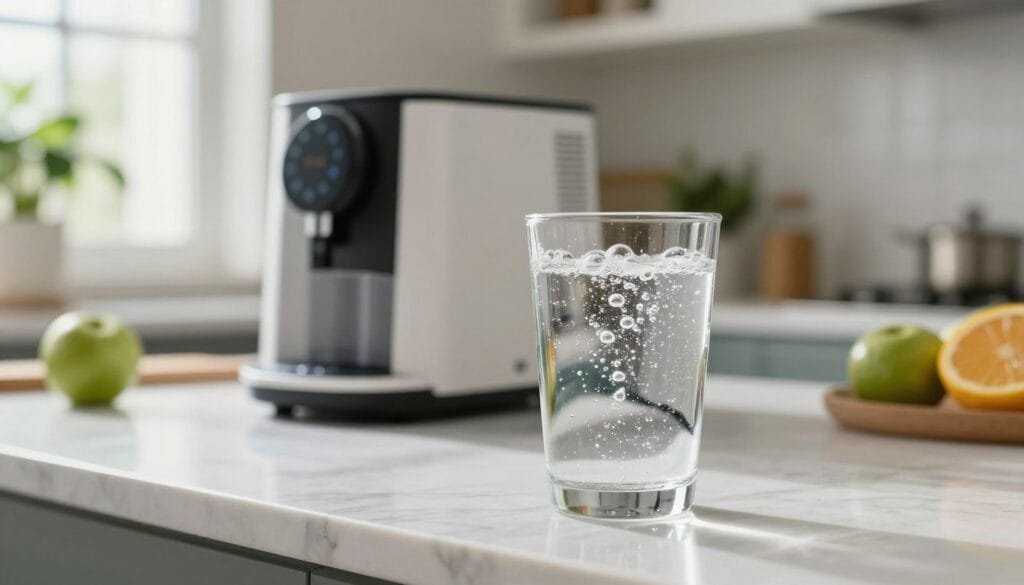
Bottled options: convenience vs loss
Bottled products are simple to buy and carry. They suit travel and quick intake.
Drawback: dissolved gas levels can fall during storage or after opening. That may lower short-term effects and perceived benefits.
At-home machines: timing and control
Home generators let users set concentration and make a fresh drink before activity. This gives more control and mirrors many study routines.
Tablets: ready, dose, drink
Tablets are portable and common in trials. They dissolve quickly and are best consumed immediately for peak concentration.
- Pick a method that fits daily life for consistent intake.
- Store products per instructions to protect quality and gas levels.
- For fair results, match the chosen method to the intended goal and time frame.
How to Drink Hydrogen Water for a Fair “Test Run”
Start with one clear aim so the test run gives a fair picture of possible benefits. Choosing energy, exercise recovery, inflammation support, or metabolic health keeps the experiment simple.
Set a single goal
Pick one target and describe what success looks like. For energy this might be lower midday fatigue. For recovery it could be less soreness at 24–48 hours.
Keep other variables steady
Control sleep, caffeine, training load, and hydration. Small changes in these can mimic or hide real effects. Avoid adding new supplements or big diet shifts at the same time.
Commitment windows and method control
Try a few days to test exercise recovery and perceived fatigue. Use several weeks for inflammation or metabolic signs.
Choose one consistent method — bottled, tablets, or a home generator — and sip at the same time each day. Track intake, sleep, training, and stress so results are easier to judge.
For practical tips on muscle recovery, see muscle soreness relief. Some people notice nothing obvious; that does not rule out subtle physiological effects reported in research.
Timing Tips: When to Drink Hydrogen Water for Potential Benefits
Choosing the right moment to sip can align intake with study-style protocols and boost consistency.
Empty stomach vs with food
Some studies ask participants to take hydrogen-rich water in the morning on an empty stomach. This can improve absorption timing and reduce food-related variability in blood markers.
Practical note: If fasting causes discomfort, taking the drink with a light snack is acceptable. Real-life adherence often beats a perfect schedule.
Pre-exercise strategy
For performance, a common approach is one small dose 10–30 minutes before training. This mirrors sports protocols that aim to influence perceived fatigue and endurance during the session.
Teams sometimes use repeated small sips around warm-up and mid-session for steady levels.
During and post-exercise
When recovery is the goal, focus on freshness and the 24–48 hour soreness window. Drink promptly after preparation and continue intake across the day after training.
- Match timing to goal: pre-exercise for performance, post-exercise for recovery, morning for routine markers.
- Prioritize freshness: dissolve tablets or make a fresh batch right before drinking so levels stay high.
- Track time: note intake time, session time, and soreness at 24–48 hours for fair comparison to studies.
| Goal | Suggested timing | Why it matches studies |
|---|---|---|
| Performance / endurance | 10–30 min before + small sips during | Aligns with pre-exercise dosing in trials for reduced fatigue |
| Recovery / soreness | Immediately after + regular intake for 24–48 hrs | Targets peak DOMS window used in research |
| Routine / metabolic markers | Morning, often empty stomach | Reduces meal-related variability for blood measures |
How Much Hydrogen Water to Drink: Interpreting Intake, Concentration, and “Dose”
Dose is more than volume; it blends concentration, timing, and how soon one drinks after making the drink.
Concentration matters. A sports protocol used about 1,600 ppb and asked athletes to sip immediately for peak effect. By contrast, a 24-week trial for metabolic syndrome used tablets that supply >5.5 millimoles per day, split across three 250 mL servings on an empty stomach.
ppb vs millimoles in plain language
ppb (parts per billion) describes how much gas is in a single bottle or cup right after preparation.
Millimoles per day shows total gas consumed across all servings. Think of ppb as strength per sip and millimoles as the daily dose.
Low vs high concentration approaches
Low-level routines may be convenient but need frequent intake. High-concentration methods give more gas per serving and may match some study protocols with fewer sips.
Practical points:
- Follow product instructions closely; timing affects levels.
- Match intake pattern to the goal — short routines for performance, multi-week plans for metabolic changes over weeks.
- Choose a plan that is simple to keep. Consistency is the best control for seeing potential benefits.
“Dose equals concentration × speed of consumption × frequency over time.”
How to Track Whether It’s Working for You
A clear tracking plan turns vague impressions into measurable trends. People should follow a simple routine for several weeks to judge real change. One day or one session is rarely enough to see true results.
Body signals to watch
Fatigue, endurance and recovery quality
Note daily fatigue, perceived exertion, next-day soreness, and overall recovery quality. Track these after workouts and on rest days to spot patterns.
Performance metrics
Record repetitions at a set weight, timed sets, or power output when available. Consistency across sessions shows true performance shifts better than single highs.
Clinical and lab markers
Discuss blood glucose, HbA1c, cholesterol, triglycerides and inflammation markers with a clinician. These markers are useful when tracking health over weeks.
Simple logging template
- Date / time
- Intake (method and dose) — note freshness and levels
- Exercise details (type, load, duration)
- Sleep, symptoms, perceived fatigue
- Weekly summary of performance and quality
Tip: Compare week-to-week for real insight. Small, steady trends matter more than one good day.
Hydrogen Water for Exercise: What to Expect Within 48 Hours
In the 48-hour window after resistance work, repair and soreness signals peak and matter most.
Why the recovery bottleneck happens
Resistance training creates tiny tears in muscle tissue. That recruits immune cells, raises inflammation, and boosts oxidative stress via reactive oxygen species (ROS).
These responses help adaptation but also slow power and repetitions until repair proceeds.
What studies show for performance and fatigue
Some trials report reduced blood lactate, small gains in power output, and lower subjective fatigue in certain groups after using hydrogen-rich water or molecular hydrogen protocols.
Other studies find little change in trained adults, so results vary by group, dose, and timing.
DOMS and mobility at 24–48 hours
DOMS typically peaks around day two. A meaningful effect at 24–48 hours looks like less stiffness, quicker range-of-motion return, and smoother readiness for the next session.
Track objective reps, timed sets, and simple soreness ratings to judge real change versus day-to-day variation.

| Measure | Possible short-term change | What to log |
|---|---|---|
| Repetitions | Same or modest improvement | Reps at fixed weight |
| Power output | Small gains in some studies | Timed sets or wattage |
| DOMS / mobility | Less stiffness at 24–48 hrs for some | Soreness score and range of motion |
“Early outcomes are possible, but variability is normal and the research base is still growing.”
Hydrogen Water for Oxidative Stress and Inflammation: What Changes First
Subjective improvements can appear quickly, while measurable inflammation markers usually take longer to change.
Early “feel” outcomes vs measurable biomarker outcomes
Many people report an early sense of lighter recovery, less muscle heaviness, or clearer daily energy within days. These are feel outcomes and useful for gauging short-term benefit.
By contrast, lab measures such as CRP, TNF-α, or IL-6 require consistent intake and clinical testing to show reliable shifts. These biomarkers often respond over weeks to months, not hours.
How antioxidant and anti-inflammatory effects are described in studies
Research frames the antioxidant anti-inflammatory role of molecular hydrogen as selective. The gas may target the most damaging radicals, like hydroxyl and peroxynitrite, while leaving normal signals intact.
Small studies and a few larger trials report reduced oxidative stress and lower inflammatory cytokines in some groups. However, study results vary by dose, timing, and participant health.
“Subjective changes can precede measurable results; track both feelings and lab markers for a fuller picture.”
Practical notes:
- Expect early feel effects (less soreness, better perceived energy) and treat biomarker shifts as longer-term goals.
- Remember many factors—sleep, illness, training load—affect CRP and cytokines; interpret lab results with caution.
- Those seeking measurable results should coordinate tests with a clinician and track trends, not single values.
Final thought: Even if immediate sensations are subtle, consistent use and careful tracking can reveal real effects in the body over time.
Hydrogen Water and Metabolic Syndrome: When Weeks Matter More Than Days
Improving markers tied to metabolic risk takes weeks of consistent routine and measured tracking.
What metabolic syndrome includes: visceral obesity, high fasting blood sugar or insulin resistance, raised blood pressure, and lipid abnormalities such as high triglycerides or low HDL. These features link to chronic inflammation and oxidative stress and raise long-term disease risk.
What longer studies report at 10–24 weeks
Trials that ran for 10–24 weeks show the clearest changes. A 24-week protocol using high-concentration hydrogen-rich water tablets (>5.5 millimoles H2/day) reported improvements in BMI, waist-to-hip ratio, cholesterol, triglycerides, fasting glucose and HbA1c. Inflammatory markers (TNF-α, IL-6, CRP) also fell in that study.
Why weeks matter
Markers like HbA1c reflect average blood sugar over months, not a single day. Expect gradual shifts and plan for consistent intake and clinician-guided testing across weeks to see meaningful results.
Role of lifestyle
Hydrogen water can play a supportive role, but nutrition, activity, sleep and medical care remain primary. Treat gas-based drinks as an adjunct, not a replacement, and focus on small sustainable steps that fit busy Malaysia routines.
Safety, Limits, and Who Should Ask a Clinician First
Drinking modest volumes of gas‑infused liquid is not typically harmful, yet excess intake can pose risks.
General safety overview: Experts generally consider hydrogen water safe as a beverage for most people. Benefits beyond standard hydration remain under study, so it should complement—not replace—medical care.
Why “more” is not always better
Too much plain water can dilute blood sodium and cause hyponatremia. This means dangerous over‑dilution of blood sodium and is most relevant for endurance athletes or anyone drinking extreme volumes.
Medication and condition considerations
Those with diabetes, chronic kidney disease, or on dialysis should consult a clinician before changing routine intake. People taking drugs that affect fluid balance or blood sugar need tailored advice.
Quality control and freshness
Molecular hydrogen dissipates over time. For best quality, follow storage instructions and drink promptly after preparation or opening.
| Group | Why to check with clinician | Practical tip |
|---|---|---|
| Diabetes | Medication and blood glucose need monitoring | Log intake and blood tests with clinician |
| Dialysis / kidney disease | Fluid control is critical | Review any new routine with care team |
| Endurance athletes | High fluid volumes raise hyponatremia risk | Balance fluids and electrolytes during events |
Final note: Treat hydrogen-rich water as part of an overall hydration plan. Keep expectations grounded, track intake and effects, and seek medical advice for chronic disease, complex treatment, or changes in symptoms.
How to Buy and Use Hydrogen Water in Malaysia with Confidence
Shoppers in Malaysia can spot reliable products by checking a few clear label items and storage notes. A short checklist saves time and keeps expectations realistic.
What to watch for on labels and claims
Stated concentration — look for a clear number (ppb or millimoles) and serving size. If a product omits levels, treat claims with caution.
Production method — bottled, tablet, or at‑home generator each affects freshness and control. Choose based on daily routine and portability needs.
Storage instructions — note sealing, temperature, and “drink immediately” notes. Gas escapes over time, so handling affects actual content at intake.
Fitting a routine to Malaysian workdays and weekends
For many, simple routines win. Tablets suit commuters and short trips; a home machine gives timing control for mornings or pre‑exercise sessions.
Plan intake around consistent times on workdays and looser patterns on weekends. Consistency over time is key to judging results and effects.
Practical checks and local support
- Match product to goal: portability for travel, machines for control.
- Keep it simple: small habits beat complex schedules when testing potential benefits.
- Ask questions: Wellness Concept (Malaysia) can advise on product quality, realistic claims, and routine setup. They are open Mon–Fri 9:30 am–6:30 pm and Sat 10 am–5 pm.
| Label item | Why it matters | What to do |
|---|---|---|
| Concentration (ppb / mmol) | Shows delivered gas per serving | Prefer clear numbers and serving guidance |
| Production method | Affects freshness and control | Choose tablets for travel, machines for timing |
| Storage / “drink immediately” | Gas escapes; levels drop over time | Follow storage and drink soon after opening |
| Quality / testing claims | Third‑party tests support trust | Look for lab reports or clear study references |
“Good labels and a simple routine make it easier to judge real effects over time.”
Visit Wellness Concept for Guidance on Hydrogen Water Therapy
Wellness Concept offers practical, face-to-face guidance for anyone in Malaysia curious about hydrogen water therapy. A short visit helps people choose the right format and plan a routine that fits daily life.
What a visit includes:
- Advice on bottles, tablets, or home generators and which suits a commute or home life.
- Explanation of concentration claims and what quality numbers mean for results and timing.
- Help building a simple, sustainable schedule and tracking plan matched to goals and family/work routines.
- Practical tips to avoid common mistakes, such as letting prepared hydrogen-rich water sit too long before drinking.
“Guidance supports informed choices and better routines; medical decisions remain between the person and their clinician.”
Business hours in Malaysia
- Monday: 9:30 am – 6:30 pm
- Tuesday: 9:30 am – 6:30 pm
- Wednesday: 9:30 am – 6:30 pm
- Thursday: 9:30 am – 6:30 pm
- Friday: 9:30 am – 6:30 pm
- Saturday: 10:00 am – 5:00 pm
- Sunday: Closed
| Visit focus | What they will do | Benefit for the visitor |
|---|---|---|
| Product selection | Compare bottles, tablets, and machines | Better control and match to lifestyle |
| Quality checks | Explain concentration, storage, and testing | Higher confidence in actual delivered dosage |
| Routine planning | Set timing, frequency, and tracking steps | Realistic time frames for potential results |
| Safety & referrals | Note when clinician input is advised | Responsible, medically aware guidance |
Conclusion
Conclusion
Practical takeaway: Success depends on the goal, the chosen method, and steady intake over the right time window.
Some people feel small changes within hours. Exercise recovery is best judged at 24–48 hours. Markers tied to metabolic syndrome need consistent use across weeks to show clear results.
Research links the gas to selective effects on oxidative stress and inflammation, but studies differ by group, dose, and protocol. The beverage keeps the same basic nutrition as plain water, so hydration and lifestyle remain central to health.
Choose a format the user can maintain, track simple outcomes, and prioritize quality control for consistent levels. For local guidance in Malaysia, consult Wellness Concept during business hours for help selecting and testing options.
FAQ
What is hydrogen-rich water and why do people use it?
Hydrogen-rich water contains dissolved molecular hydrogen gas. People drink it for its proposed antioxidant and anti-inflammatory actions, support for recovery after exercise, and potential metabolic benefits. It is still water nutritionally but carries dissolved H2 that may influence oxidative stress and cellular function.
How is hydrogen-rich water different from regular H2O?
The main difference is dissolved molecular hydrogen gas; macronutrients, calories, and electrolytes remain the same unless the product adds them. The dissolved gas can diffuse into tissues quickly, but concentration and freshness affect how much H2 is available to the body.
What delivery methods exist and which gives the most consistent hydrogen level?
Bottled hydrogen water, home electrolysis machines, and effervescent hydrogen tablets are common. At-home generators typically offer the most control over concentration and timing; tablets are convenient but require immediate drinking; bottled products can lose H2 during storage.
What does molecular hydrogen target in the body?
Research suggests molecular hydrogen selectively neutralizes aggressive reactive oxygen species like hydroxyl radicals and peroxynitrite, modulates inflammatory signaling, and may support mitochondrial function and lactate metabolism—mechanisms that matter for recovery and chronic stress.
What early effects might someone notice after drinking a serving?
Some report subtle changes in perceived energy, reduced fatigue, or clearer recovery sensations within minutes to hours. These subjective outcomes can include improved focus or less soreness, though placebo effects are possible and vary by individual.
When could exercise recovery benefits appear?
Studies show effects on exercise fatigue, blood lactate, and delayed-onset muscle soreness most often within the same day to about 48 hours after intake, especially when used before and after high-intensity or resistance training sessions.
How long before metabolic changes are likely to show?
Changes in markers tied to metabolic syndrome—like fasting glucose, A1c, lipids, or waist measures—have generally emerged over multiweek protocols, typically 8–24 weeks depending on dose, consistency, and accompanying lifestyle changes.
Do trained athletes see short-term performance benefits?
Some studies in trained individuals report modest improvements in power output, repetitions, or reduced subjective fatigue, but results vary. Benefits depend on timing, concentration, and the specific performance measure assessed.
What dose and concentration matter most for results?
Both concentration (ppb or millimoles per liter) and total daily intake matter. Higher dissolved H2 tends to produce clearer signals in trials, but exact thresholds vary. Practical advice is to follow product guidance and aim for consistent daily intake rather than sporadic use.
How should someone test if it helps them personally?
Set a clear goal—recovery, energy, or metabolic markers—keep sleep, training, caffeine, and hydration steady, and track symptoms and performance. Commit to an appropriate trial period: a few days for acute recovery signals and several weeks for metabolic outcomes.
When is the best time to drink it for training benefits?
Options include taking it on an empty stomach in the morning, 30–60 minutes before exercise to target pre-exercise effects, and immediately after training to support recovery. Timing can be adjusted by the user based on convenience and response.
Are there safety concerns or people who should consult a clinician?
Molecular hydrogen is generally safe at common consumption levels, but excessive fluid intake risks hyponatremia. People with diabetes, those on dialysis, or anyone taking medications should consult a clinician before starting regular use.
How quickly does bottled product lose its hydrogen content?
Dissolved gas can dissipate over hours to days depending on packaging, temperature, and headspace. Bottled products kept sealed and cold retain H2 longer; for maximum effect, drink soon after opening or choose freshly generated options.
Can hydrogen-rich water reduce oxidative stress markers rapidly?
Some biomarker changes show up within hours, while others require repeated dosing over weeks. Early subjective changes may precede measurable lab improvements; reliable reductions in clinical biomarkers generally need consistent intake over time.
What should consumers look for on labels when buying in Malaysia?
Check stated concentration or generation method, storage instructions, recommended timing, and batch freshness. Prefer products that provide clear dosing guidance and avoid vague health claims. Consistent routine matters more than rare, high-volume use.
How long should one try it before deciding it’s effective?
For acute recovery or energy signals, assess over several training sessions or a week. For metabolic or biochemical outcomes, allow 8–24 weeks, combined with standard lifestyle measures, to judge meaningful change.