
Currently Empty: RM0.00
0 Comments
Can a simple sip change how someone lifts at the gym in Malaysia? Wellness Concept explores this idea with a practical guide that focuses on hydrogen water and strength training for lifters who want clearer recovery and better session readiness.
This short guide explains what molecular H₂-infused water may offer beyond basic hydration. It frames rising interest today: selective antioxidant support that could help recovery, reduce post-workout soreness, and improve pacing between sets.
Readers will find gym-friendly tips, timing strategies for pre/during/post sessions, and advice on choosing quality options. The article stays informational, not medical, and notes that results depend on sleep, nutrition, load, and consistency.
Key Takeaways
- Wellness Concept guides lifters in Malaysia on practical use and choices.
- Hydrogen water may offer selective antioxidant support for recovery.
- Timing and consistency matter more than any single product.
- Combine this approach with solid hydration, sleep, and nutrition.
- Expect varied results; personalize based on workouts and load.
Why Hydration Strategy Matters for Strength Training Performance and Recovery
A clear hydration plan helps athletes keep pace during sessions and bounce back faster afterward.
Intense lifting raises recovery needs because heavy sets cause tiny muscle damage and metabolic stress the body must repair. Research summaries note short-term drops in output that can last up to 48 hours after very hard sessions. That affects next-day readiness and perceived soreness.
Fatigue and form often link to fluid losses. When hydration is off, perceived exertion climbs and technique slips late in sets. This reduces immediate performance and makes repeat-set work harder.
Regular water is essential, but lifters often need a broader plan. Timing intake around sessions, replacing sweat losses, and sipping during repeat efforts all matter for in-the-moment focus and pacing.
Why oxidative stress and recovery habits matter
Oxidative stress is a normal response to hard exercise. It can worsen soreness when sleep, nutrition, or hydration fall short. Consider selective add-ons as part of a full hydration approach — not a replacement for adequate total fluid intake and smart recovery habits.
- Heavy sets → micro-damage + metabolic stress → higher recovery demand.
- Poor hydration → higher fatigue → lower session quality.
- Good timing and fluid strategies support both performance and next-day recovery.
What Is Hydrogen Water and How Is It Different From Regular Water?
Understanding how dissolved H₂ behaves helps decide which portable option fits an active routine.
In plain terms, molecular hydrogen (H₂) is a tiny gas added to plain drinking liquid to create hydrogen-rich water. This means the drink holds more dissolved H₂ than regular water. The base taste usually stays the same; the proposed benefits hydrogen offers come from how the gas acts in the body, not flavor changes.
Why freshness and storage matter
The H₂ molecule is small and can escape after opening. That makes freshness, sealing, and storage important. A bottle opened just before a session will likely keep more dissolved gas than one left uncapped for hours.
Formats that fit gym day routines
- Sealed cans or pouches: convenient, measured levels of dissolved gas.
- At-home generators: fill a glass or bottle with fresh enriched drink before use.
- Hydrogen water bottle (portable generator): popular with lifters who want on-demand freshness during workouts.
“Choose a sealed format or a refillable bottle with a proven seal to keep dissolved gas where it belongs — inside the drink.”
| Format | On-the-go fit | Key benefit |
|---|---|---|
| Sealed can/pouch | High | Pre-filled concentration, long shelf life |
| At-home generator | Low | Custom fills, higher control over freshness |
| Portable bottle (generator) | Very high | Fresh on-demand, convenient for gyms |
Note: The hydration feel may match regular water, but the interest comes from possible biological effects tied to oxidative stress and recovery. The next section explores the science on those points.
The Science Behind Hydrogen Water for Exercise
Researchers describe a targeted antioxidant action that may neutralize the most damaging free radicals while preserving helpful signals.
Molecular action as a selective antioxidant
The selective antioxidant concept means the molecule targets the most harmful reactive oxygen species without wiping out all signaling. This preserves the small oxidative cues the body uses to adapt.
Reactive oxygen and exercise-linked free radicals
Intense sessions raise cellular metabolism and create more free radicals. That short-term oxidative stress can link to fatigue and delayed recovery when it runs high.
Inflammation, NF-κB signaling, and recovery
Inflammation is a normal repair step, but prolonged inflammation slows return-to-ready. Studies note down-regulation of NF-κB signaling as one possible route to lower excess responses.
Mitochondria, energy production, and workout efficiency
Some summaries suggest modest support for mitochondrial oxidative phosphorylation, which may help steady energy output and improve session efficiency.
These mechanisms are promising but not magic. View this approach as one tool alongside solid sleep, nutrition, and program design. For practical comparisons, learn more about applied use.
Hydrogen water and strength training: How It May Support Better Lifting Sessions
Some lifters report small but useful changes in session quality after short-term use.
Potential effects on power output, reps, and resistance capacity
Several small trials found modest gains in peak power and total repetitions in compound lifts after brief intake periods. These findings translate to a few extra quality reps or steadier bar speed across sets.
How reduced blood lactate may change perceived burn and pacing
Lower post-exercise lactate levels in some reports linked to less acute burn. That can help lifters keep set intensity higher in high-volume squats, deadlifts, or circuit-style workouts.
What studies suggest vs. what still needs research
Most trials involved trained athletes and lasted days to a week. Results look promising for short-term performance gains, but longer studies and varied athlete groups remain limited.
“Expect modest, task-specific benefits; use this tool alongside solid calories, recovery, and progressive overload.”
| Outcome | Reported change | Notes |
|---|---|---|
| Power output | + small increase | Seen in short trials with trained cyclists and lifters |
| Total reps | + a few reps | Benefits observed in squat protocols |
| Blood lactate | Reduced levels | May ease perceived burn, aid pacing |
How to Use Hydrogen Water Around Workouts for Best Results
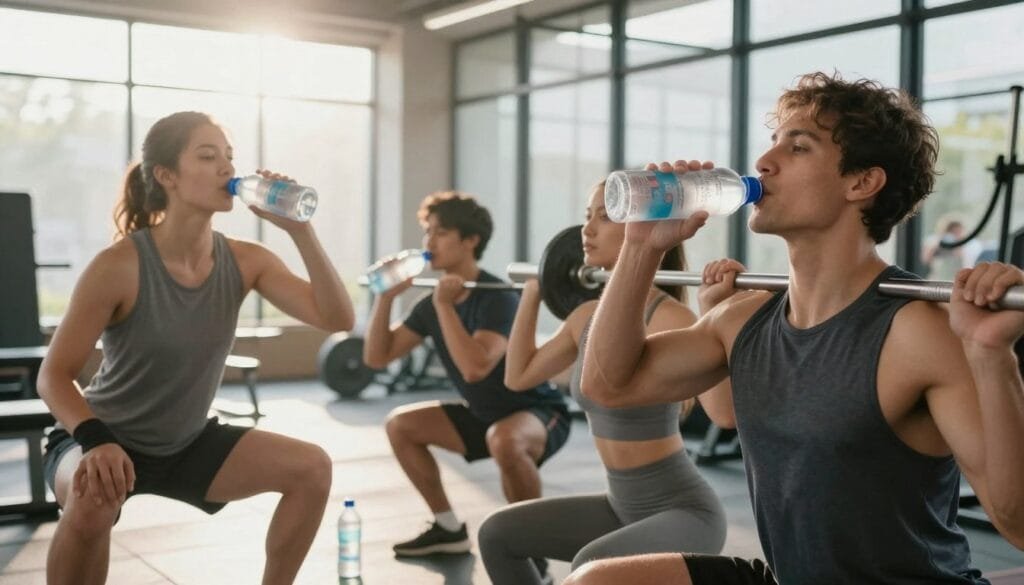
Small, timed servings before, during, and after sets help keep focus and may ease post-session soreness.
Pre-workout timing
Start 30 minutes before with about 210–420 mL. This studied window gives the body time to absorb simple fluids and supports session readiness. Treat the amount as a starting point, not a rigid rule.
During-workout sipping
For longer sessions, sip ~210 mL mid-session or take small sips between sets. This supports hydration and helps maintain focus in hot gyms or crowded schedules.
Post-workout recovery
Drink 210–420 mL soon after finishing to aid lactate handling and perceived recovery. Regular post-session use may help next-day readiness and reduce the “heavy legs” feeling.
Weekly consistency
Use this approach consistently across the week. Regular intake matters more than occasional use because repeated stress requires regular support for steady gains in performance and recovery.
“Open sealed cans or a fresh bottle close to use—dissolved gas dissipates fast, so freshness matters.”
| Timing | Amount | Purpose |
|---|---|---|
| Pre (≈30 min) | 210–420 mL | Session readiness, steady output |
| During | ~210 mL or small sips | Hydration, focus between sets |
| Post (soon after) | 210–420 mL | Lactate handling, perceived recovery |
| Weekly | Consistent use | Better cumulative recovery |
How Hydrogen Water May Help With Muscle Recovery and DOMS After Lifting
Delayed soreness typically shows up one to two days after exercise and can limit movement and willingness to push loads.
DOMS peaks around 24–48 hours after a hard session and often reduces range of motion. This can dent confidence under the bar and change how someone plans their next session.
Researchers measure creatine kinase as a common marker of muscle damage. Several small studies report lower creatine kinase and less reported soreness when athletes drank hydrogen-rich fluids around heavy work.
Why oxidative stress and inflammation matter
Cellular oxidative stress and inflammation drive much of the post-session “beat up” feeling. Reducing these responses may ease soreness without blocking the signals the body needs to adapt.
- Practical gain: less perceived soreness can help keep a weekly program consistent.
- Marker change: lower creatine kinase shows a measurable link to reduced muscle damage in some studies.
- Caveat: soreness isn’t always bad; it can reflect productive overload.
“Use this approach as a supportive habit, not a shortcut for sleep, nutrition, or proper load management.”
People with medical conditions should consult a health professional before changing routines. Overall, the evidence suggests potential benefits hydrogen water helps with muscle recovery, while more long-term studies will sharpen guidance.
| Issue | Observed change | Implication |
|---|---|---|
| Creatine kinase | Reduced in some studies | Less measurable muscle damage |
| Perceived soreness | Lower reports | Easier session adherence |
| Oxidative stress / inflammation | Modulated | Supports faster recovery |
Reducing Exercise-Induced Fatigue: Lactate, Endurance, and Repeat-Set Performance
Lower perceived fatigue during sets helps lifters keep cleaner technique and safer bar paths late in a session.
Practical studies report that a short bout of enriched fluid before heavy work can cut blood lactate elevation. Lower lactate often means less acute burn and steadier pacing in high-intensity exercise.
How lower subjective fatigue improves form
When athletes feel less tired, form stays tighter on later sets. This helps maintain rep speed and reduces error rates.
Better technique across sets also lowers injury risk and keeps weekly progress consistent.
Endurance crossover benefits
Endurance-focused trials noted improved anaerobic output in cyclists after brief use, which suggests crossover gains for athletes who mix conditioning with gym sessions.
Reduced oxidative stress and more efficient cellular oxygen use may support steadier power during mixed-modal work.
“Lower fatigue supports repeatable quality—small gains in form and reps add up over weeks.”
- Repeat-set goal: keep rep speed and technique consistent.
- Lactate role: lower levels ease perceived burn and aid pacing.
- Timing tip: follow pre/during/post guidance for best session-level results.
Hydrogen Water vs Antioxidant Supplements: What Fitness Enthusiasts Should Know
Choosing the right recovery habit matters as much as choosing a program.
Some lifters prefer a targeted antioxidant approach rather than broad, high-dose supplements. The appeal is clear: reduce the most harmful free radicals while keeping small oxidative signals that help muscles adapt.
Selective action vs broad-spectrum pills
A selective antioxidant aims at the worst cellular oxidants without wiping out useful signals. By contrast, large doses of common supplements like vitamins C and E can blunt those signals and slow adaptation.
Why balance matters for adaptation
Some oxidative stress is part of how muscles get stronger. The goal is balance, not zero oxidation. Over-supplementing may reduce long-term gains even if short-term soreness drops.
“Use targeted support to protect recovery without cancelling the signals the body needs to improve.”
- Practical tip: view this habit as hydration-first with added potential benefits.
- Diet matters most—whole foods should supply the broad base of antioxidants for health.
- Avoid extremes; don’t try to out-supplement poor sleep or inconsistent fueling.
Fitness enthusiasts in Malaysia may find this approach simpler than juggling many pills. For more on practical effects and soreness, see the muscle soreness relief study.
Safety, Quality, and Choosing a Hydrogen Water Option That Fits Your Routine
Look beyond labels: real-world handling often matters more than the printed concentration.
What “ppm” means in practical terms
Ppm simply shows how much dissolved gas is in a bottle at testing.
A higher number can help, but only if the product stays sealed until use.
Quality cues to check before buying
Pick sealed packaging, clear manufacturing dates, and simple usage instructions.
Minimize the time between opening and sipping to keep levels close to label claims.
“Freshness and seal matter more than a high number on a label; real benefit comes from consistent, quality use.”
Who should check with a clinician first
People with medical conditions, pregnancy, kidney limits, or fluid restrictions should consult a healthcare professional before changing routine.
This ensures safe intake alongside prescribed care.
| Format | Everyday fit | Key point |
|---|---|---|
| Ready-to-drink can | High | Measured ppm, long shelf life if unopened |
| Portable generator bottle | Very high | Fresh on demand, best for gym or travel |
| Home generator | Medium | Flexible fills, needs care for consistency |
Bottom line: Recent research and small studies look promising, but buyers should value seal, handling, and steady use over hype. Choosing a reliable water bottle or a trusted hydrogen water bottle makes consistent benefits and health-safe use far more likely.
Daily Hydration Habits That Pair Well With Hydrogen Water
A steady approach to fluids on easy days keeps the body topped up for harder workouts later in the week.
Building a hydration baseline on non-training days
Start by making consistent sipping a habit. Aim to spread plain fluids across the day so the body never enters a session low.
Top tip: drink at regular intervals after waking, mid-afternoon, and before bed. This helps the body preserve its balance and supports recovery.
Stacking smart basics: sleep, protein timing, and mobility for recovery
Combine consistent fluid intake with reliable sleep and timely protein after hard sessions. These basics multiply the recovery effect.
Light mobility work on rest days lowers stiffness and helps muscle function return faster. Keep sessions short and frequent.
“Big gains come from small, repeatable habits: regular sipping, solid sleep, and timely protein.”
- View enriched servings as an add-on — swap one regular drink for an enriched serving around key moments.
- Keep total daily fluid high enough so the enriched serving does not replace plain fluids.
- Use short mobility routines to keep joints ready and muscles supple between sessions.
| Habit | Why it helps | Daily action |
|---|---|---|
| Baseline fluids | Keeps body ready for effort | Regular small drinks through day |
| Sleep | Supports repair and hormone balance | 7–9 hours nightly, consistent schedule |
| Protein timing | Aids muscle repair | Protein within 1–2 hours after sessions |
| Mobility | Reduces stiffness, improves movement | 10–15 minutes on rest days |
Final note: Treat enriched servings as a simple, gym-friendly addition. Consistency in hydration, sleep, protein, and mobility drives better recovery and long-term health for lifters in Malaysia.
Visit Wellness Concept in Malaysia for Hydrogen Water Support and Strength Training Wellness
Wellness Concept helps athletes match freshness, format, and timing to real gym days.
Drop in for friendly, practical guidance on choosing a portable bottle or sealed option that fits daily life. Staff will explain freshness needs and how to minimise gas loss so each serving performs as expected.
Business hours for Wellness Concept
Plan your visit:
| Day | Hours |
|---|---|
| Monday | 9:30 am — 6:30 pm |
| Tuesday | 9:30 am — 6:30 pm |
| Wednesday | 9:30 am — 6:30 pm |
| Thursday | 9:30 am — 6:30 pm |
| Friday | 9:30 am — 6:30 pm |
| Saturday | 10:00 am — 5:00 pm |
| Sunday | Closed |
How to plan a visit around training days and recovery needs
Book a consultation before the start of a heavier program block. That helps set a consistent hydration plan from day one and shows which formats suit commute or gym routines.
Choose a portable bottle for fresh on-demand servings during long sessions, or sealed cans for easy grab-and-go use after short workouts. Staff will demo handling tips so freshness is preserved between opening and sipping.
“Pick a format that matches your week — it keeps recovery reliable and sessions easier to plan.”
Visitors in Malaysia will leave with clear, practical steps to make hydration and recovery easier across real gym days.
Conclusion
Conclusion
Ultimately, using fresh, sealed servings at key moments can support cleaner lifts and more reliable next-day recovery.
Evidence from recent research and small studies shows targeted effects on lactate, fatigue, and muscle-repair markers. These findings suggest modest performance gains when paired with solid habits.
Use servings pre-, during, and post-session and keep use consistent across the week. Prioritise seal, handling, and prompt consumption to preserve dissolved hydrogen and maintain expected benefits.
Remember: this approach supports hydration and recovery but does not replace sleep, timely protein, or smart programming. Visit Wellness Concept in Malaysia to pick a format that fits real gym days and personal goals.
FAQ
What is molecular hydrogen-rich water and how does it differ from regular bottled water?
It is plain H2 dissolved in liquid to create a beverage with elevated dissolved gas. Unlike regular bottled liquids that supply fluids and electrolytes, this product aims to deliver dissolved gas that may act as a selective antioxidant. Freshness, packaging, and sealing matter because the dissolved gas can dissipate over time, so sealed containers designed to retain dissolved gas are recommended for on-the-go use.
Can a targeted hydration strategy improve strength sessions and recovery?
Yes. A plan that covers pre-, intra-, and post-session intake helps maintain blood volume, temperature regulation, and performance. Adding a dissolved-gas beverage to that routine may offer extra antioxidant support and could help reduce exercise-induced oxidative stress when used consistently rather than sporadically.
How might dissolved molecular gas influence exercise-induced oxidative stress?
Research suggests the gas acts selectively on damaging reactive oxygen species while leaving beneficial signaling intact. That selective action may reduce markers tied to muscle damage and inflammation, helping recovery without completely blocking adaptation signals that come from training.
Will using this beverage increase power output or reps during resistance work?
Some small trials report modest gains in power, endurance, or repeat-set performance, often tied to lower perceived fatigue and reduced lactate. Evidence is promising but mixed; benefits may depend on dose, timing, and individual response.
When is the best time to consume these drinks around a workout?
Common approaches include taking a serving 20–60 minutes before training, sipping during hard sets for ongoing hydration, and using a post-session dose to support recovery. Regular daily use appears to matter more than a single pre-workout dose for some outcomes.
Can this option help reduce DOMS and muscle damage markers like creatine kinase?
Studies show reductions in some damage markers and lower soreness scores in certain groups. Effects vary by protocol and athlete, but reported improvements align with the idea of reduced oxidative stress and inflammation after intense lifting.
How does this dissolved-gas beverage compare to antioxidant supplements?
The drink acts as a selective antioxidant and differs from broad-spectrum supplements that can blunt beneficial training signals. That selectivity may allow recovery benefits without interfering with long-term adaptations, but users should avoid high-dose general antioxidants around key training phases.
How should consumers evaluate product quality and concentration?
Look for reputable brands that list dissolved gas concentration in ppm, provide sealed packaging to minimize loss after opening, and offer storage guidance. Independent testing or third-party quality seals add confidence. Practical concentration matters less than freshness and handling.
Are there safety concerns or people who should consult a clinician first?
The beverage is generally well tolerated, but people on specific medications, pregnant or breastfeeding individuals, and those with chronic illnesses should check with a healthcare professional before making routine changes to hydration or adding functional drinks.
How does consistent use fit with daily hydration habits and broader recovery practices?
It should be an addition to a solid baseline: adequate plain fluids on rest days, balanced protein intake, quality sleep, and mobility work. Used regularly, the drink may complement those foundations and support training consistency.
Does freshness in packaging really matter for on-the-go bottles and tablets?
Yes. The dissolved gas escapes over time, so bottles with barrier materials or single-serve sealed formats help preserve concentration. Tablet systems should be consumed shortly after activation to retain intended levels.
Can athletes combine this beverage with conditioning work to boost endurance crossover?
Some users report improved repeat-sprint or mixed endurance performance, likely from lower subjective fatigue and oxidative load. Combining it with appropriate aerobic conditioning may help athletes who balance strength and cardio work.
Where can one learn more or try supervised use in Malaysia?
Wellness Concept in Malaysia offers consultations and product guidance for lifters interested in integrating the beverage into their routines. Visitors can plan around training days to test timing and observe recovery effects under practical conditions.