
Currently Empty: RM0.00
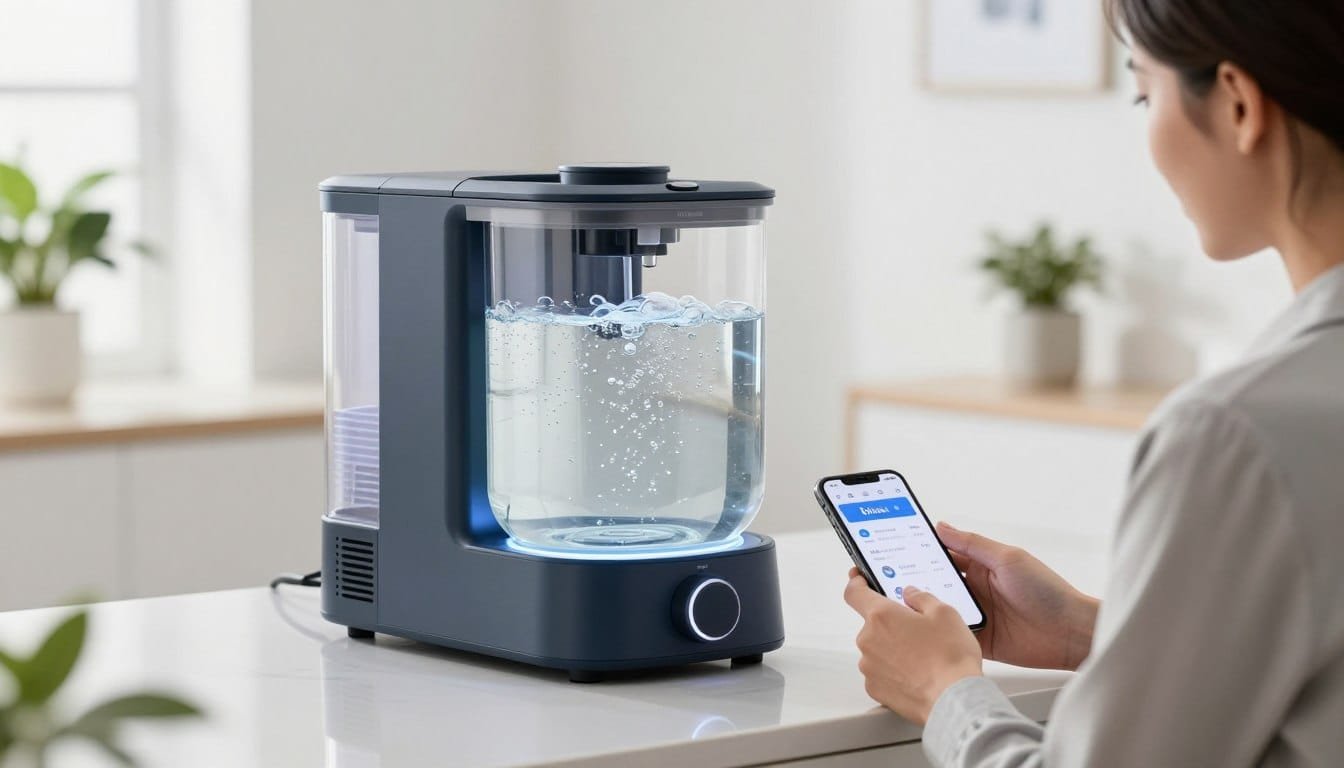
0 Comments
Could a simple change in what someone drinks at home reshape their routine and support wellness in Malaysia?
Wellness Concept presents a Malaysia-focused buyer’s guide for people who want clear criteria before they invest. This guide explains that hydrogen-rich water is ordinary H₂O with extra dissolved H₂ gas, not added flavors or vitamins.
Readers will learn how to check concentration, performance consistency, safety controls, filtration, and real-world usability. The focus is on device selection, basic concentration facts, maintenance, materials, and support rather than marketing hype.
The page highlights published study ranges and practical engineering limits like saturation, so shoppers can compare claims sensibly. It also makes clear this content supports hydration and wellness and is not a substitute for medical advice.
Key Takeaways
- Check concentration, consistency, and safety before buying.
- Look for durable materials and easy maintenance.
- Compare claims against published ranges and saturation limits.
- Prioritize support, real-world performance, and filtration quality.
- This guide supports wellness and hydration, not medical treatment.
Why hydrogen water is trending in Malaysia wellness routines right now
Many Malaysians are adding dissolved H₂ to their routine because it feels like a low-effort health upgrade. It fits daily life: simple, repeatable, and easy to schedule around work or exercise.
What “molecular hydrogen” means in plain terms
Molecular hydrogen is just H₂ — the smallest, neutral molecule that dissolves into liquid and moves fast through tissues. This is not the same as hydrogen peroxide or a flavored drink.
“Molecular hydrogen acts as a dissolved gas, not a nutrient.”
How dissolved H₂ differs from alkaline and vitamin-infused options
People who try hydrogen water often do so for antioxidant and recovery claims rather than for added nutrients or pH shifts.
- Alkaline vs dissolved H₂: benefits are linked to the dissolved gas, not pH changes.
- Vitamins vs dissolved H₂: vitamins supply nutrients; dissolved H₂ offers a gas-based effect via different pathways.
- Freshness matters: dissolved H₂ can escape, so how it is produced and when it is consumed affects the result.
How hydrogen water generators work: electrolysis, PEM technology, and dissolved gas
This short guide explains what happens inside a generator so buyers understand production, purity, and timing.
Electrolysis explained: splitting H₂O to deliver hydrogen gas (H₂)
Most devices use electrolysis to split water into oxygen and hydrogen gas. Electric current runs through cells and separates the molecules.
The goal is dissolved hydrogen in the final glass. Output depends on cycle time, chamber design, and how well gases mix or separate during production.
Why PEM/SPE membranes matter for purity and performance
PEM (or SPE) membranes act as a barrier that keeps oxygen and other byproducts apart from the hydrogen side. Better membranes reduce odors and improve consistent performance across repeated cycles.
That purity helps users trust taste and density without odd smells or off flavors.
Why freshly produced hydrogen water matters as H₂ escapes over time
Dissolved gas is volatile and will leave the liquid, especially in open containers. For best value, generate and drink soon after production.
For portability, store in a sealed bottle to slow escape, and expect lower concentration if you delay consumption.
Clinical-grade hydrogen water systems: what “clinical-grade” should mean for buyers
A practical buying standard ties lab targets to real-world, repeatable output you can measure at home.
Target concentrations used in studies vs marketing claims
Clinical research often uses 0.5–1.6 ppm, and many serious units aim for ≥1.0 ppm. Buyers should check whether claims are given in ppm, ppb, or mg and whether numbers refer to peak output or routine cycles.
Consistency and controls: producing repeatable hydrogen levels
Repeatable output depends on stable electrolysis, chamber pressure tolerance, and consistent cycle timing. Reliable models report a tested output range and explain their measurement method.
Materials and build quality: medical-grade components and BPA-free plastics
Durable parts such as corrosion-resistant electrodes and BPA-free Tritan for bottles improve longevity and usability. Ask about manufacturing standards like ISO 13485 or GMP and pre-shipment inspection routines.
“A true clinical standard is repeatability under normal use, not just a lab peak.”
| Buyer Criterion | What to check | Why it matters |
|---|---|---|
| Concentration | Reported range in ppm/ppb, test method | Matches research targets and avoids misleading peaks |
| Control features | Stable cycle timing, pressure tolerance | Ensures repeatable performance day-to-day |
| Build quality | Medical-grade parts, Tritan bottles | Improves durability and safety |
| Certifications | ISO 13485, GMP where applicable | Shows manufacturing quality and inspection |
Hydrogen concentration basics for shoppers: ppm, ppb, and saturation limits
A clear primer on concentration labels helps buyers compare claims without getting lost in units.
Understanding ppm vs ppb and quick conversions
Concentration is usually shown in ppm or ppb. One ppm equals 1,000 ppb, so converting is simple: multiply ppm by 1,000 to get ppb.
What saturation looks like: ~1.6 ppm (1,600 ppb) under standard conditions
Under normal temperature and pressure, liquid holds about 1.6 ppm (1,600 ppb) at saturation. That sets a practical upper bound for dissolved gas in everyday use.
Typical research ranges: 0.5–1.6 ppm and what that implies for device selection
Most studies use roughly 0.5–1.6 ppm. For Malaysian households, countertop units usually reach higher and keep output steady. Portable bottles trade peak levels for convenience.
Supersaturated claims and how to evaluate them responsibly
Extra-high numbers can be real under special test conditions. Ask about test timing, container sealing, and repeatability across multiple cycles.
- Check measurement methods and when samples were taken.
- Prioritize units that hold levels longer rather than a single peak.
- Consider filtration and maintenance, which affect long-term production and quality.
“Look for clear reporting: how levels are measured, when, and what source water was used.”
| Metric | Typical Value | What it means |
|---|---|---|
| Conversion | 1 ppm = 1,000 ppb | Use to compare labels and tests |
| Saturation | ~1.6 ppm / 1,600 ppb | Practical upper limit under standard conditions |
| Research range | 0.5–1.6 ppm | Targets seen in published studies |
| Practical choice | Stable levels over time | Often more useful than a single peak |
Evidence overview: what studies suggest about oxidative stress and antioxidant support
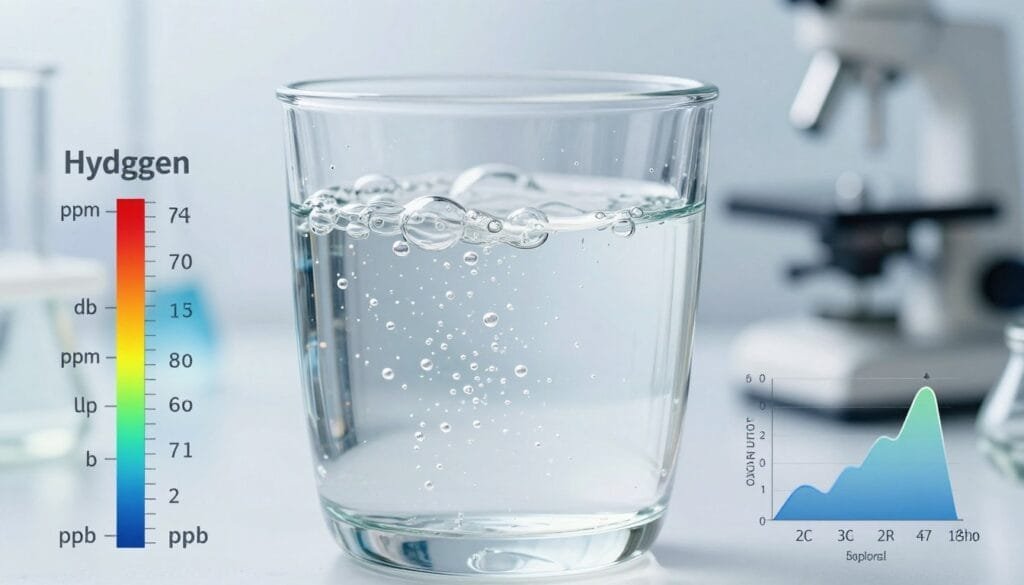
A focused look at published trials shows that molecular hydrogen may act selectively against the most damaging free radicals. Early work (Ohsawa et al., 2007) identified activity versus hydroxyl radicals and peroxynitrite, not broad chemical scavenging.
Selective antioxidant activity
Molecular hydrogen behaves as a dissolved gas with signaling effects rather than a vitamin-like antioxidant. It appears to reduce harmful -OH and ONOO⁻ while leaving normal redox signaling largely intact.
Inflammation markers and trial findings
Controlled human trials support modest benefits. A randomized, double-blind study (Scientific Reports, 2020) reported that drinking 1.5 L/day for four weeks raised biological antioxidant potential in adults 30+ and lowered expression of IL-6, IL-8 and NF-κB–responsive genes.
“Reviews covering 80+ clinical trials report minimal adverse effects and consistent safety.”
- Practical note: benefits linked to regular drinking over weeks, not one-time use.
- Buying tip: choose devices that reliably reach research-range concentrations to match study routines.
- Reminder: hydration remains the foundation; consider this as supportive to overall health.
Health goals that often guide purchase decisions
A clear goal helps buyers pick the right device and set realistic expectations. People choose based on desired outcomes like better energy, faster recovery, or long-term metabolic support.
Energy, fatigue, and mitochondrial support
Many users report buying to reduce fatigue and boost daily energy for work or exercise. Studies suggest dissolved gas may affect mitochondrial signaling and perceived effort during activity (Aoki 2012; Zhu 2024 review).
Practical note: benefits are gradual and tied to regular intake, not an instant fix.
Recovery and endurance: athlete-focused findings
Athlete research often measures endurance, recovery markers, and subjective fatigue after training. Trials show smaller rises in markers of oxidative stress and quicker recovery in some groups.
Buyers focused on performance should look for repeatable output and plan consistent use around training days.
Metabolic wellness and long-term positioning
Longer trials (for example LeBaron 2020; Kajiyama 2008) report changes in lipids, inflammation markers, and body composition over weeks to months.
For metabolic goals, users should treat this as a months-long supportive habit and track sleep, hydration, and diet alongside device use.
“Align your purchase with the outcome you plan to track: energy, recovery, or metabolic markers.”
| Goal | What studies measure | Device preference |
|---|---|---|
| Energy / Fatigue | Subjective fatigue, mitochondrial markers | Frequent small servings; portable or countertop for daily use |
| Recovery / Endurance | Exercise performance, oxidative stress markers | Countertop for higher output; consistent pre/post training use |
| Metabolic Wellness | Lipids, inflammation, body composition (weeks–months) | Reliable daily volume; countertop systems for household routines |
Choosing the right format: portable bottles, countertop systems, and multifunction generators
Choosing the right format helps buyers match daily routines—commute, office, gym, or family life—with a practical device. This section outlines when a compact option makes sense and when a fixed unit wins for household use.
Portable bottles for commuting, office, and travel
Portable bottles suit people who drink on the go. Many use PEM/SPE electrolysis, a small battery, and BPA-free Tritan bottles for durability.
They often include an LCD display for cycle time and battery life. Smaller batches encourage fresh consumption, which reduces gas loss.
Countertop systems for higher daily volume and household use
Countertop units deliver larger daily volume and easier sharing. They fit families or users who want steady routines and stable output.
Countertop models tend to simplify refills and cleaning and can offer better repeatability for daily performance.
Multifunction options: generation plus inhalation or spray
Some generators combine drinking with inhalation or spray features. That adds function but requires checking maintenance and ozone separation design.
- Compare output levels, cycle times, and sealing/retention.
- Check ease of cleaning and repeatability across models.
- Balance upfront price with long-term performance and quality.
“The best generator is the one people actually use every day with minimal friction.”
Water purification and filtration: protecting quality before hydrogen production
Source quality sets the baseline — unfiltered supply shortens component life and alters output consistency.
Why source water matters
Minerals, chlorine, and sediment in local supply can coat electrodes and reduce electrolysis efficiency. This causes lower output and more frequent servicing for the generator.
What to look for in filters
- Clear specs: which contaminants are removed (chlorine, sediment, heavy metals).
- Multi-stage designs that include a pre-filter to catch debris before the main cartridge.
- Easy local sourcing of replacement filters and clear replacement schedules.
Maintenance and durability
Simple cleaning guides and replacement reminders make upkeep easier in Malaysia. Cleaner input protects the cell and improves long-term durability.
“Consistent inputs help produce consistent hydrogen levels.”
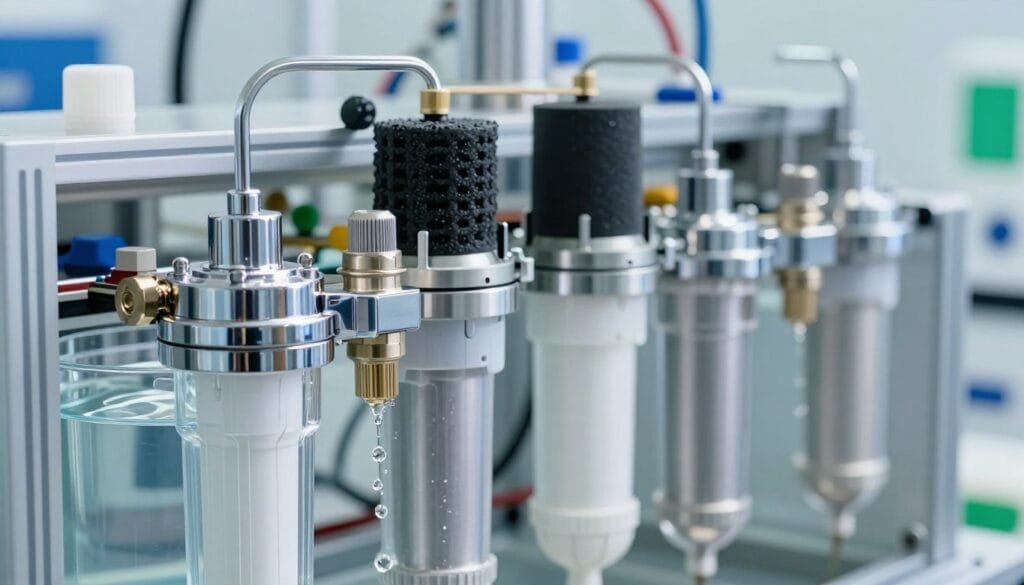
Ask sellers about filter cost, availability, and whether the system includes user prompts for replacement. These checks keep performance steady and lower downtime.
Safety checklist: what to verify before investing in a system
Before buying, shoppers should confirm key safety features so a new device fits daily use and local water conditions. A short checklist helps separate solid engineering from marketing claims.
Ozone separation and dual-chamber design
Look for physical separation such as dual chambers or membranes that keep ozone and oxygen away from the drinking side. This reduces the chance that byproduct gas mixes into the glass.
Certifications, manufacturing standards, and inspection
Check for documented certifications like ISO 13485 or GMP and clear pre-shipment inspection reports. These labels signal consistent build quality and traceable quality control.
Realistic side effects and clinical safety
Reviews of 80+ clinical studies report minimal adverse effects. Rare, short-lived symptoms appear in a small share of users. The body also produces hydrogen naturally via gut fermentation, which supports biological compatibility.
- Prefer PEM-based designs and clear cycle control data.
- Ask for test methods and repeatability across standard cycles.
- Confirm warranty, local support, and documented certifications.
“Choose a model with clear safety records and accessible local service.”
Ownership experience: setup, daily use, and upkeep for consistent performance
Setting up a home unit usually takes a few minutes and a quick rinse, so users start using it the same day. The basic routine is simple: fill, start a short cycle, and drink soon after production for best results.
Best-practice timing for routine drinking
Many studies split daily intake into 2–3 doses, ranging from 250 mL to 2.0 L per day. Blood hydrogen peaks within about 5–15 minutes after drinking and returns to baseline in 45–90 minutes.
Practical tip: schedule use in the morning, before exercise, and mid-afternoon to spread exposure across the day.
Cleaning habits that sustain output
Regular maintenance keeps performance steady. Rinse daily, perform a weekly deep clean, and inspect seals and chambers for buildup.
Follow manufacturer guides for filtration changes and cell care to avoid downtime.
“A well-kept device delivers repeatable levels; upkeep is the main safeguard for long-term performance.”
| Task | Frequency | Why it matters |
|---|---|---|
| Rinse bottle/chamber | Daily | Prevents residue that lowers output |
| Deep clean | Weekly | Removes buildup from seals and electrode areas |
| Filter replacement | Per manufacturer schedule | Maintains quality input and steady production |
Buying from Wellness Concept in Malaysia: support, availability, and business hours
Wellness Concept offers local help so Malaysian buyers can test devices, compare specs, and get dependable after-sales support.
Business hours for inquiries, demos, and purchase support
Call or visit during: Monday–Friday 9:30 am–6:30 pm; Saturday 10:00 am–5:00 pm; Sunday closed.
These hours suit weekday shoppers and weekend demos by appointment.
How to compare models by concentration, filtration, durability, and control features
Start with target concentration in ppm/ppb and ask whether the model maintains that level across repeated cycles.
- Filtration: check pre-filters, contaminant removal, and replacement ease.
- Durability: ask about water-contact materials and expected part life.
- Control features: program modes, cycle timers, and simple displays speed daily use.
What to ask about warranty, service coverage, and after-sales guidance
Request clear warranty length and what service covers locally. Confirm turnaround time for repairs and availability of spare parts.
“Choose the model you can maintain and use every day with reliable local support.”
| Metric | Ask | Why it matters |
|---|---|---|
| Concentration | Reported range and repeatability | Matches study targets and lasting performance |
| Filtration | Pre-filter & replacement cadence | Protects cell life and maintains output |
| Durability | Materials and service intervals | Low upkeep and better long-term quality |
Conclusion
This guide helps buyers turn technical claims into a practical choice. They should start by confirming what dissolved molecular hydrogen is and how a unit makes and keeps that gas in a glass.
Electrolysis plus a good PEM separator supports purity, and drinking soon after production preserves dissolved hydrogen gas levels near study targets (~0.5–1.6 ppm / 1,600 ppb).
Prioritise repeatable ppm and ppb output, clear safety checks, durable materials, and local support over flashy peaks. Studies point to selective effects on oxidative stress with low risk in most trials, but results vary by person.
For help comparing formats and models in Malaysia, see this short comparison or contact Wellness Concept during business hours: compare formats.
Finally, treat hydrogen water as one part of a broader wellness routine that includes hydration, sleep, nutrition, and medical care when needed.
FAQ
What is meant by "molecular hydrogen" in plain terms?
Molecular hydrogen (H₂) is the smallest gas molecule that dissolves into drinking liquid. It acts as a selective antioxidant in the body by neutralizing certain reactive oxygen species. In simple terms, it’s tiny, moves into cells easily, and can support cellular redox balance when consumed at effective levels.
How does hydrogen-rich water differ from alkaline or vitamin-infused waters?
Hydrogen-rich water delivers dissolved H₂ gas without changing pH or adding nutrients. Alkaline water changes pH through minerals, and vitamin-infused options add nutrients or flavors. Each serves different goals: hydration plus mild antioxidant support from H₂, pH alteration from alkaline, or nutrient delivery from fortified drinks.
How do generators produce dissolved H₂ — what is electrolysis?
Electrolysis uses an electric current to split H₂O so H₂ gas can be released and dissolved into the liquid. Modern designs channel the gas away from contaminants and capture dissolved H₂ for immediate drinking. That’s why many devices emphasize production method and timing of use.
Why do PEM/SPE membranes matter for purity and performance?
Proton exchange (PEM/SPE) membranes separate the anode and cathode to prevent byproducts like chlorine or ozone from mixing into the drinking stream. They improve purity, protect taste, and help devices reach higher, more reliable dissolved gas concentrations.
Why is freshly produced H₂ water recommended?
Dissolved H₂ escapes quickly from open containers because the gas diffuses out. Drinking within 10–30 minutes of production preserves most of the dissolved concentration. For best effect, users should consume freshly made water or use sealed portable bottles designed to retain H₂.
What should "clinical-grade" mean when shopping for a device?
For buyers, clinical-grade implies consistent production controls, validated concentrations used in studies, medical-grade materials, and independent testing. It also suggests transparent specifications for concentration, filtration, and safety features rather than marketing-only claims.
What concentrations do studies typically use versus marketing claims?
Peer-reviewed work commonly tests ranges around 0.5–1.6 ppm (500–1,600 ppb). Marketing sometimes cites supersaturated figures; buyers should look for independent lab reports or third-party verification rather than unverified peak numbers.
How can users verify a device produces consistent hydrogen levels?
Look for devices with repeatable production cycles, digital readouts, or third-party lab certificates showing average ppb/ppm across multiple runs. Consistency comes from reliable electrolysis control, quality membranes, and proper maintenance.
What concentration units matter — ppm vs ppb — and how do they convert?
ppm (parts per million) and ppb (parts per billion) measure dissolved gas concentration. 1 ppm equals 1,000 ppb. Typical useful ranges are expressed in ppm (e.g., 0.5–1.6 ppm) or in ppb for finer detail (500–1,600 ppb).
What does saturation mean and what is the practical limit?
Under standard conditions, water saturation for H₂ is about 1.6 ppm (1,600 ppb). Devices claiming higher stable concentrations should provide data showing sealed, cooled conditions; otherwise, those claims may reflect transient or laboratory-only measurements.
Do supersaturated claims warrant skepticism?
Yes. Supersaturation requires specific temperature and pressure control or transient methods that lose gas quickly. Buyers should ask for third-party testing and realistic usage guidance rather than marketing snapshots.
What does research say about antioxidant effects and oxidative stress?
Controlled trials suggest dissolved H₂ can act selectively on harmful reactive oxygen species, lower certain inflammation markers, and support redox balance. Evidence varies by condition, dose, and study design, so customers should view results as promising but not definitive for all health claims.
Which health goals commonly motivate purchases?
Users often cite energy and reduced fatigue, recovery and endurance for athletes, and overall metabolic and long-term wellness support. Buyers should match device performance (concentration, volume) to their daily goals and review the clinical literature relevant to those outcomes.
What’s the difference between portable bottles, countertop units, and multifunction generators?
Portable bottles prioritize convenience and sealed retention for commuting or travel. Countertop units supply larger daily volumes for households and often offer higher concentrations. Multifunction devices may combine water production with inhalation, spray, or other features — check verified output for each mode.
Why does source water quality matter before generation?
Impurities affect taste, device lifespan, and electrolysis efficiency. Good pre-filtration removes chlorine, heavy metals, and particulates that can foul membranes or reduce output. A clean input helps maintain consistent dissolved gas levels and extends maintenance intervals.
What filter features and maintenance should buyers expect?
Look for multi-stage filtration, clear replacement intervals, and easy cartridge swaps. Regularly replacing filters and following manufacturer cleaning guidance preserves performance and protects internal components from scale or biofilm buildup.
What safety checks should be done before buying?
Verify ozone separation or dual-chamber designs, material safety (BPA-free plastics, medical-grade metals), and relevant certifications or inspections. Confirm realistic side-effect information and read independent safety reviews where available.
What side effects are reported in clinical reviews?
Most studies report minimal adverse effects. Some users note mild digestive changes or transient symptoms that resolve quickly. Serious reactions are rare, but anyone with significant health issues should discuss use with their healthcare provider.
How should users time consumption for best results?
For daily routines, drinking freshly produced water in the morning and around workouts or recovery windows is common. Because H₂ dissipates, plan to consume within minutes of production or use a sealed portable bottle to retain concentration.
What cleaning habits preserve output and prevent downtime?
Regular cleaning of reservoirs, timely replacement of filters, and following descaling or membrane-care instructions keep output steady. Avoid harsh chemicals not recommended by the manufacturer and schedule maintenance per the manual.
What are typical business hours and support options when buying from a Malaysian supplier like Wellness Concept?
Local retailers and distributors usually list business hours on their site or Google Business profile. Customers can expect daytime support for inquiries, demo bookings, and after-sales service; for exact hours, contact Wellness Concept directly or check their official listing.
How should buyers compare models by concentration, filtration, durability, and controls?
Compare verified ppm/ppb outputs, filter technology and replacement cost, build materials, warranty length, and user controls like timers or digital displays. Prioritize third-party test data and transparent specifications over marketing language.
What warranty and service details matter most?
Look for clear warranty coverage on electrolysis modules and membranes, accessible service centers in Malaysia, and transparent policies for replacement parts. A solid warranty and responsive after-sales support reduce long-term ownership risk.