
Currently Empty: RM0.00
0 Comments
Many factors can affect digestion and bowel movements. Here are several causes that people often overlook.
1. Not Drinking Enough Water
Water plays a crucial role in digestion.
Without enough hydration, the body may absorb too much water from stool, making it dry and difficult to pass.
Proper hydration helps keep digestion moving smoothly.
2. Low Fiber Intake
Fiber helps add bulk to stool and supports regular bowel movements.
Diets low in fiber may slow digestion and contribute to constipation.
Foods rich in fiber include:
- vegetables
- fruits
- whole grains
- legumes
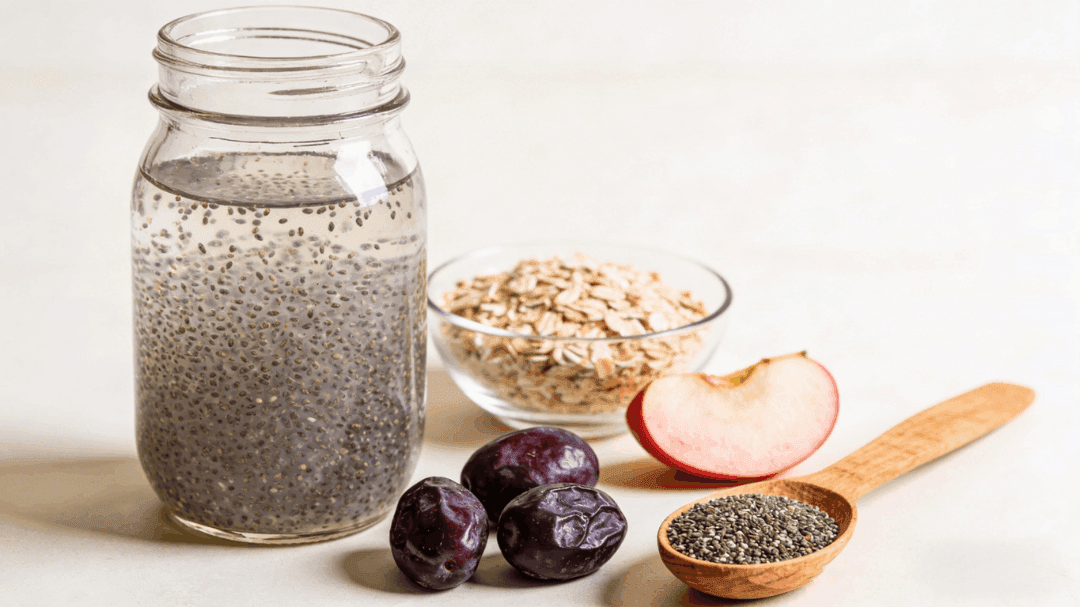
- seeds
3. Gut Microbiome Imbalance
The gut microbiome consists of trillions of beneficial bacteria that support digestion.
If these bacteria become imbalanced, digestion may slow down.
This imbalance may lead to symptoms such as bloating, irregular bowel movements, and constipation.
4. Lack of Physical Activity
Movement helps stimulate the digestive system.
A sedentary lifestyle may slow intestinal movement, making it harder for waste to move through the digestive tract.
Even light daily exercise can help support healthy digestion.
5. Chronic Stress
Stress can affect the gut-brain axis, the communication network between the digestive system and the brain.
When stress levels remain high, digestion may become disrupted, leading to constipation or other digestive symptoms.
6. Ignoring the Urge to Go
Ignoring the body’s natural urge to have a bowel movement can disrupt digestive rhythms.
Over time, this may lead to slower bowel movements and increased constipation.
7. Certain Medications
Some medications may slow digestive processes and contribute to constipation.
Examples include certain pain medications, supplements, or treatments that affect gut motility.
Consulting a healthcare professional may help determine if medication is affecting digestion.
8. Poor Dietary Habits
Highly processed foods often lack fiber and beneficial nutrients needed for healthy digestion.
Diets high in refined carbohydrates and low in whole foods may contribute to sluggish bowel movements.
9. Changes in Daily Routine
Travel, schedule changes, or changes in sleep patterns can temporarily disrupt digestive rhythms.
Your digestive system often functions best with consistent routines.
10. Hormonal Changes
Hormones can influence digestive activity.
Certain hormonal fluctuations may slow digestion, leading to constipation in some individuals.
Signs Your Digestive System Needs Support
If constipation occurs frequently, your body may be signaling that your digestive system needs better support.
Common warning signs include:
- frequent bloating
- abdominal discomfort
- irregular bowel movements
- feeling sluggish after meals
Supporting digestive health early can help prevent more serious digestive issues later.
Natural Ways to Improve Digestive Health
Several lifestyle habits can help support regular bowel movements and digestive balance.
Increase Fiber Intake
Fiber helps feed beneficial gut bacteria and supports healthy stool formation.
Drink Enough Water
Hydration helps soften stool and supports healthy digestion.
Stay Physically Active
Movement stimulates intestinal activity and helps maintain digestive rhythm.
Support Gut Bacteria
Eating probiotic and fiber-rich foods may help maintain a balanced gut microbiome.
When Should You Seek Professional Advice?
Occasional constipation may not be a cause for concern.
However, persistent constipation or ongoing digestive discomfort may indicate that your digestive system needs additional support.
A wellness professional can help identify lifestyle factors affecting digestion and recommend suitable changes.
Speak With Our Wellness Consultant
If you are experiencing frequent constipation or digestive discomfort and would like guidance on improving digestive health, you may contact our wellness consultant.
Wellness Consultant: Ms Hew
📞 WhatsApp / Call: +60 16-211 6625
She can provide guidance on nutrition, lifestyle habits, and digestive wellness strategies that support healthier bowel movements.
Final Thoughts
Constipation is often a sign that something in your daily routine or diet needs attention.
While fiber intake is important, other factors such as hydration, gut bacteria balance, stress, and physical activity also play significant roles.
By understanding the hidden causes of constipation and supporting your digestive system through healthier habits, you can help restore regular digestion and improve overall wellbeing.
Sometimes better digestion begins with listening to the signals your body is sending.