
Currently Empty: RM0.00
0 Comments
Surprising fact: scientific tests using simulated gastric juice at pH 2.0 showed that adding glucose boosted Lactobacillus rhamnosus GG survival by up to 6-log10 after 90 minutes, a scale that changed how researchers think about transit through the digestive system.
This article offers a short, science-backed guide that explains why outcomes depend on strain, formulation, timing, and what microbes encounter along the journey. Lab studies and real-world reports both show big differences between delivery methods and simple powders.
Readers will learn how simulated juice tests translate to choice and use, and what to expect for gut health. Wellness Concept can help with product guidance via WhatsApp at +60123822655 during Malaysia hours: Mon–Fri 9:30 am–6:30 pm, Sat 10 am–5 pm.

In order, the article moves from core definitions to practical steps so people can act with confidence rather than guesswork.
Key Takeaways
- Survival varies by strain and by what the cells face in transit.
- Simulated juice studies reveal useful rules for product choice.
- Formulation and timing can improve delivery to the gut.
- Track personal response; one size does not fit all.
- Local support from Wellness Concept is available via WhatsApp.
Understanding Probiotics and the Gut Microbiome
Healthy gut function depends on a mix of helpful microbes that shape digestion and immunity. This balance influences overall gut health and daily comfort.
What probiotics are and how they support the body
probiotics are live microorganisms that add to the microbiome when taken in adequate amounts. They help balance communities in the gastrointestinal tract and can aid digestion, immunity, and regularity.
Good bacteria, strains, and live cultures
Genera like Lactobacillus and Bifidobacterium contain species and distinct strains. Strain identity matters because effects vary by type and dose.
- Fermented food such as yogurt, kefir, kimchi, and miso can supply live cultures.
- Viability and transit ability are key for benefit.
- Everyday factors like diet and stress shift the system; periodic use may help restore balance.
| Category | Example | Benefit |
|---|---|---|
| Genus | Lactobacillus | Digestive support |
| Genus | Bifidobacterium | Colonic balance |
| Food source | Yogurt, kimchi | Live and active cultures |
Need help choosing products? Wellness Concept can guide readers via WhatsApp at +60123822655 during Malaysia business hours.
Do probiotics survive stomach acid?
The acidic environment in the upper gut creates a major hurdle for live supplements before they reach the intestines.
Why stomach acid’s low pH challenges probiotic survival
Stomach acid at very low pH can denature proteins and disrupt membrane integrity in bacteria. This exposure reduces viable counts quickly and makes the gastric phase a critical bottleneck for benefit delivery.
Research shows outcomes vary by strain and by conditions. For example, Lactobacillus rhamnosus GG tolerates pH near 2.5 for hours, but at pH 2.0 viable counts can fall sharply without protective factors.
Time in the stomach matters. Longer transit increases damage. Many unprotected formats lose large proportions within 30 minutes, which helps explain why formulation and timing are central to effectiveness.
- Acids can damage cell proteins and membranes.
- Small pH differences (2.0 vs. 2.5) markedly change survival.
- Individual system variability means results differ person to person.
For tailored recommendations on navigating acidic conditions with a supplement, readers in Malaysia can message +60123822655 during business hours.
What Research Shows: Survival Mechanisms and Conditions
Laboratory juice tests have clarified how metabolism and molecular pumps let some Lactobacillus strains resist harsh exposure.
Glucose boosts survival. In simulated gastric juice at pH 2.0, adding 19.4 mM glucose raised L. rhamnosus GG viability by up to 6-log10 after 90 minutes. Even about 1 mM glucose gave roughly a 4-log10 advantage versus no sugar.
Energy and proton exclusion
Mechanism: glycolysis supplies ATP, which powers the F0F1-ATPase complex to expel protons and protect internal pH. Inhibitor studies showed that blocking either glycolysis or F0F1-ATPase collapsed survival gains, confirming the pathway.
Strain differences and pH thresholds
Not all strains acted the same. L. gasseri ATCC 33323 showed strong intrinsic resistance at pH 2.0 without added glucose, while others needed sugar to cope at lower pH. This means strain choice matters when exposure is severe.
What simulated juice studies reveal — and their limits
- They demonstrate comparative survival and pinpoint mechanisms under controlled conditions.
- They show how small nutrient changes shift results for specific strains bacteria.
- They cannot capture all dietary, mucus, and nonacid gastric factors present in a human system.
Practical note: these studies suggest foods or supplement formats with metabolizable sugars may help certain probiotic strain delivery. For advice on choosing strains and products aligned with this research, message Wellness Concept on WhatsApp at +60123822655.
How to Take Probiotics So They Survive the Stomach
Small changes in timing and formulation can make a big difference for gut delivery.
Timing matters. Many people take a dose about 30 minutes before a meal to reduce time spent in a very low pH environment. Testing a small snack timing helps readers find what gives the best comfort and results.
Targeted-release and coating technology
Targeted-release or micro-shield products resist stomach acid and release in the intestines. Choosing coated capsules or enteric formats raises the odds that live strains reach the colon.
Consistency and dose
- Take the same dose daily to build a steady presence; regular use helps the microbiome adapt.
- Match CFU to label guidance and personal tolerance; more is not always better for comfort.
Pairing with foods and tracking outcomes
Some research shows metabolizable sugars improve early survival for certain strains, so pairing a dose with compatible foods can help select strains. Avoid very hot drinks at dosing and store products per instructions to protect viability.
For personalized timing and product guidance in Malaysia, message Wellness Concept on WhatsApp at +60123822655 during business hours.
Choosing Effective Probiotic Supplements
A smart purchase starts by checking the label for exact strain names and guaranteed counts.
Look for specifics. Effective products list the full strain ID (for example, L. rhamnosus GG ATCC 53103) rather than only the species. This matters because different strains show different effects in studies.
CFU at end of shelf life matters more than counts at manufacture. Brands that guarantee viable counts through the expiry date are more likely to deliver intended health benefits in the gut.
- Check storage advice: refrigeration or cool, dry storage protects viability.
- Prefer targeted-release or coated formats if transit protection is important for your goals.
- When multiple strains appear, confirm each strain matches a documented benefit and dose.
| Label item | Why it matters | What to expect |
|---|---|---|
| Full strain name | Links product to published studies | L. rhamnosus GG ATCC 53103 |
| CFU at end of shelf life | Real-world viable count at use | 1–10 billion CFU per dose (example) |
| Storage instructions | Maintains viability during transport and use | Refrigerate or store below 25°C |
| Delivery form | Influences transit protection | Enteric-coated capsule or sachet |
Practical tip: start one product at a time and track effects. If labels or study claims are unclear, Wellness Concept can help decode them and match a probiotic strain and supplement format to your needs. Message +60123822655 (Malaysia business hours).
Food Sources That Deliver Live Cultures
Adding a small serving of a fermented item can gently introduce live cultures to the gut.
Common fermented choices to try
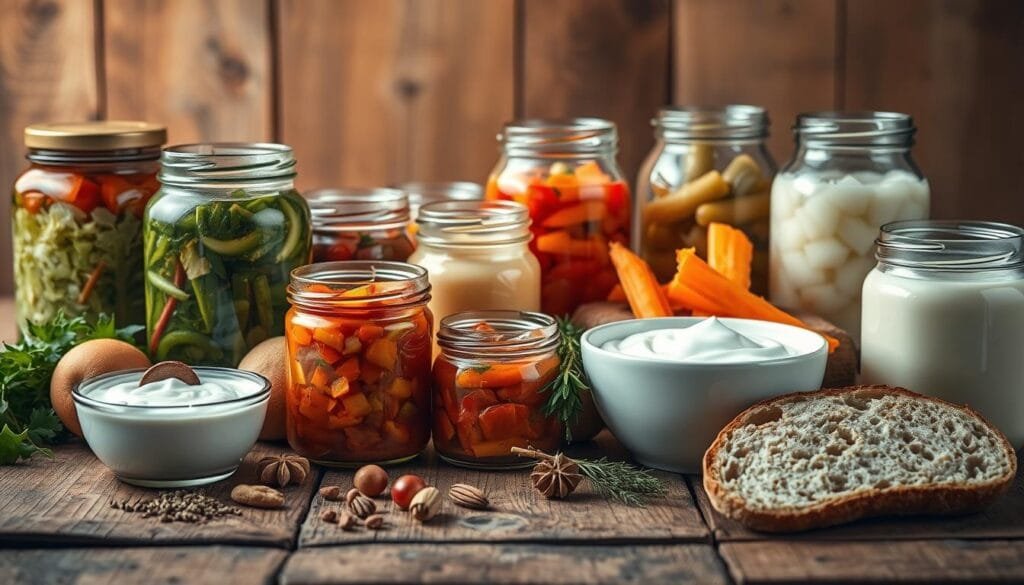
Yogurt, kefir, miso, kombucha, sauerkraut, kimchi and some pickles are easy additions. These fermented foods often carry live cultures when labeled correctly.
How to check labels and processing
Look for “live and active cultures.” That label helps confirm the food contains live microbes at purchase. Beware of pasteurized or heavily processed products because heating can reduce viable counts.
- Start small with kimchi or sauerkraut to gauge tolerance.
- Pair ferments with meals for variety and gentle support to the body.
- Use food-based cultures to complement targeted supplements rather than replace them.
| Fermented item | What to check | Local tip (Malaysia) |
|---|---|---|
| Yogurt, kefir | “Live and active cultures” on label | Find plain options at wet markets and supermarkets |
| Kombucha, miso | Minimal processing, unpasteurized | Choose artisanal or refrigerated aisles |
| Kimchi, sauerkraut | Fermented, not heat-treated | Start with small servings from trusted brands |
For help integrating fermented foods with supplements, contact Wellness Concept at +60123822655 during Malaysia hours. These choices can add good bacteria and support dietary diversity.
From Stomach to Gut: Mapping the Probiotic Journey
This passage traces the path live cultures take from the gastric chamber into the small bowel and beyond. It highlights the checkpoints that shape whether strains reach the gut and can act.
Acid exposure and timed release in the intestines
Initial exposure in the stomach tests resilience. Lactobacillus species tolerate low pH to a point, but sensitivity rises below ~3.0. L. rhamnosus GG has shown survival near 2.5 for hours, with better outcomes when metabolizable sugars are present in simulated gastric juice.
Transit time, bile tolerance, and colonization potential
Time moving through the gastrointestinal tract matters. Shorter gastric residence and higher bile tolerance raise the chance the bacteria reach the small intestine alive.
Colonization is not certain. Many strains act transiently yet still help as they pass through the tract. Targeted-release formats reduce early exposure and release contents in higher pH zones.
| Stage | Main challenge | Practical tip |
|---|---|---|
| Stomach | Low pH and acid exposure | Take with a light snack or use enteric formats |
| Small intestine | Bile and enzymes | Choose strains with documented bile tolerance |
| Colon | Persistence and competition | Consistent dosing and dietary support |
For practical strategies to support this journey in Malaysia, readers can message +60123822655 (Mon–Sat hours) for guidance on timing, formulation, and matching strains to personal system responses.
Malaysia-Friendly Routine: Simple Ways to Support Your Gut
A Malaysia-friendly schedule pairs common meals with modest servings of fermented items and timed supplement use.
Sample daily plan with local mealtimes and fermented foods
- Take a dose about 30 minutes before breakfast to reduce harsh exposure and help early transit.
- Have a serving of yogurt at lunch for added live cultures and gentle digestive support.
- Add a small portion of kimchi or sauerkraut at dinner to diversify cultures without overwhelming the body.
Alternate days include kombucha or kefir for variety and taste. Start with modest portions and observe how the system responds over one to two weeks.
Practical tips
- Store products per label instructions; refrigerate when required.
- Avoid very hot drinks right after dosing to protect viability.
- Set a phone reminder to keep the same time window each day — consistency helps produce steady effects.
| Action | Malaysia-friendly timing | Why it helps |
|---|---|---|
| Supplement | 30 min before breakfast | Shorter exposure and better comfort |
| Yogurt | Lunch | Daily live cultures and meal pairing |
| Kimchi / Sauerkraut | Dinner (small portion) | Diversity of cultures and flavour |
| Kombucha / Kefir | Alternate days or snacks | Variety without overload |
Tracking helps. Note the time, servings, and sensations so one can tweak timing and product choice. For tailored plans that fit local routines, Wellness Concept offers personalized guidance via WhatsApp at +60123822655 during Malaysia hours.
When to Expect Results and What to Track
Tracking simple markers helps people tell whether a supplement or food change is making a difference.
Many users review results after two to six weeks of daily use. Some studies recommended 4–6 weeks with certain Lactobacillus strains to observe clear shifts.

What to record: note the time and dose for each intake and jot down how the digestive system feels. Small, regular notes make subtle effects easier to spot.
- Record daily dosing time, product, and any immediate reactions.
- Rate comfort, bloating, and regularity on a simple 1–5 scale.
- List diet, stress, and sleep changes that might affect gut health.
Here is a brief example weekly log layout to copy: Day | Meal | Dose time | Comfort (1–5) | Notes.
| Marker | Why it matters | What to expect |
|---|---|---|
| Regularity | Shows bowel response | Improved frequency or consistency in 2–6 weeks |
| Bloating | Common early effect | May lessen or vary by strain and dose |
| General comfort | Overall digestive wellbeing | Gradual improvements if routine is steady |
Adjust one variable at a time—such as timing or product—so results remain attributable. If progress stalls, consult Wellness Concept for troubleshooting and progress checks via WhatsApp at +60123822655 during business hours.
Reminder: subtle gains add up. Review goals monthly and decide whether to maintain, modify, or rotate products to support a balanced gut microbiome and lasting health.
Talk to Wellness Concept
Simple, tailored advice reduces guesswork when selecting strains and delivery formats.
Wellness Concept offers one-on-one guidance to match a probiotic and related products to a person’s routine and goals. They explain label details such as CFU at end of shelf life and storage directions to protect viability.
Contact: WhatsApp +60123822655. Business hours (Malaysia): Monday–Friday 9:30 am–6:30 pm; Saturday 10 am–5 pm; Sunday closed.
Personalised support they provide
- Match specific strains or a targeted-release supplement to time and lifestyle.
- Interpret labels, storage instructions, and realistic expectations for health effects.
- Suggest how to combine foods and supplements and note how the body may respond.
How to prepare for the chat
Share a short summary of routine, dosing time, and any reactions so far. This helps create a practical plan and speeds progress.
| Service | What to share | Benefit |
|---|---|---|
| Strain matching | Goals and current products | Better fit to needs and schedule |
| Label review | Photo of packaging and expiry | Clear view of viable counts and storage |
| Follow-up | Two-week notes on comfort and regularity | Adjust timing or supplements to improve results |
Next step: message +60123822655 to set a quick session. Their aim is a practical plan that fits daily life and supports lasting gut health while reducing trial-and-error.
Conclusion
In short, the evidence points to simple choices that boost delivery of helpful bacteria to the gut.
Key findings show that adding metabolizable glucose in simulated gastric juice greatly improved L. rhamnosus GG survival via ATP-driven proton exclusion and the F0F1-ATPase mechanism. Studies confirmed that outcomes vary by strain and by pH thresholds, so selection matters.
Practical steps make these lab insights usable: choose targeted-release formats, time doses with meals, use steady daily routines, and pair supplements with live-culture foods to diversify the gut microbiome. Track changes over weeks to verify benefits and adjust in order.
For product selection or a local plan, message Wellness Concept on WhatsApp at +60123822655 during Malaysia business hours for tailored guidance.
FAQ
Do probiotic supplements reach the intestines alive?
Many strains can reach the intestines, but survival depends on the strain, formulation, and how they are taken. Enteric-coated capsules, delayed-release formulas, and high-quality products that list viable strain identity and CFU at end of shelf life improve the odds. Taking a supplement with food often helps buffer gastric acidity and increase survival compared with taking it on an empty stomach.
How does stomach acid threaten beneficial bacteria?
The stomach’s low pH and digestive enzymes create a harsh environment that can damage cell membranes and denature proteins in bacteria. Some species tolerate this better by using cellular pumps, producing protective proteins, or entering a dormant state. Strain-specific traits determine whether a culture can endure brief acid exposure and reach the lower gut.
Which bacterial traits improve acid tolerance?
Traits include robust cell walls, effective proton pumps such as F0F1-ATPase to expel H+ ions, production of stress-response proteins, and the ability to use available sugars for quick energy. These mechanisms let some strains maintain ATP levels and intracellular pH, improving survival during stomach passage.
Can food or sugar help cultures survive gastric transit?
Yes. Consuming a supplement or fermented food with a meal or with metabolizable carbohydrates can enhance survival. Glucose and other simple sugars can fuel acid-resistance mechanisms in some Lactobacillus strains, improving viability in simulated gastric conditions and in real-world use.
Are all strains equally resistant to acid?
No. Resistance varies by species and strain. For example, different Lactobacillus strains show distinct pH thresholds and survival profiles. Product labels that specify strain IDs (such as Lactobacillus rhamnosus GG) let consumers and clinicians check published data for that exact strain’s acid tolerance and clinical benefits.
Do simulated gastric juice studies reflect real-world survival?
Simulated studies provide controlled insight into mechanisms but cannot fully replicate the complexity of a living stomach—meal composition, transit time, bile release, and individual variability matter. These studies are useful for comparison and product development but should be interpreted alongside clinical trials and real-world outcomes.
How should someone take a supplement for best survival?
Take targeted-release or enteric-coated products or choose formulas designed for gastrointestinal delivery. Taking them with a meal, ideally containing some fats or carbohydrates, helps buffer stomach pH. Use consistent daily dosing and follow the manufacturer’s storage recommendations to preserve viability.
What labels and claims indicate a trustworthy product?
Look for clear strain identity (e.g., Bifidobacterium longum BB536), CFU listed at end of shelf life, third-party testing, and storage guidance. Claims like “enteric-coated,” “delayed release,” or “microencapsulated” suggest technologies intended to protect cultures during gastric transit.
Which fermented foods reliably deliver live cultures?
Yogurt with “live and active cultures,” kefir, kimchi, sauerkraut, miso, and certain kombuchas are good sources. Minimally processed, refrigerated products that state live cultures on the label are more likely to contain viable organisms than heavily pasteurized options.
How long after starting will someone notice benefits?
It varies by goal and individual. Digestive changes such as reduced bloating or more regular stools can appear within days to weeks for some people. Other outcomes like immune modulation or shifts in microbiome composition may take several weeks to months. Track symptoms, bowel habits, and any side effects to assess progress.
Can probiotic cultures colonize the gut permanently?
Most strains do not permanently colonize a healthy adult gut; they often persist only while being consumed regularly. Some strains may transiently increase in abundance and exert benefits, but long-term changes typically require ongoing intake or dietary patterns that support that microbiota.
Are there safety concerns or interactions?
For healthy individuals, most strains are safe. People with weakened immune systems, recent surgery, or central lines should consult a clinician before use. Probiotic products can interact with certain medications or clinical conditions, so personalized advice is recommended.
How should products be stored to keep cultures alive?
Follow label directions: many formulations require refrigeration, while shelf-stable products use strains or packaging designed for room temperature. Avoid heat, humidity, and long storage past the expiration date to maintain viable counts.
Where can someone get personalized guidance on strains and products?
A registered dietitian or clinical pharmacist with experience in gut health can recommend strains and dosages tailored to the individual’s goals and medical history. Wellness Concept also offers consultations and product guidance via WhatsApp at +60123822655 during listed business hours.