
Currently Empty: RM0.00
0 Comments
Surprising fact: recent analyses found that concentrating nutrients in a drink can strip away the roughage that keeps blood sugar steady and the microbiome balanced.
A juice cleanse is a short plan where someone swaps regular food for freshly pressed drinks made from fruits and vegetables. Many try it for quick benefits, like a reset or speedy weight loss, but the shift from solids to liquids can affect digestion and comfort.
Adding a considered fiber approach helps keep energy steadier and cravings lower without undoing the plan. Practical choices—drink plenty of water, save pulp for recipes, and pair juices with a gentle probiotic—made many cleanses feel supportive rather than depleting.

Malaysia readers can reach Wellness Concept on WhatsApp at +60123822655 for advice on safe options, local availability, and how to fit a plan into busy schedules. Their hours are Monday–Friday 9:30 am–6:30 pm and Saturday 10 am–5 pm.
Key Takeaways
- Juicing concentrates nutrients but often removes roughage that supports gut balance.
- Keeping some roughage makes energy and cravings easier to manage.
- Simple steps—hydrate, save pulp, and consider a probiotic—improve tolerance.
- Wellness Concept can advise Malaysia readers by WhatsApp for timing and product choices.
- Safe, short plans beat extreme fast approaches for lasting health results.
Why Fiber Matters When Juicing: What the Science Says About Gut Health, Blood Sugar, and Weight Loss
Science shows that removing pulp from fruits and vegetables changes how the gut community feeds and responds.
Juicing separates liquid from bulk, so the microbes that make short-chain fatty acids lose their fuel. Short human trials found a juice-only group developed shifts tied to inflammation and gut permeability. People who paired drinks with whole foods saw milder changes, and those on whole plant meals improved.
Sugar without plant bulk is absorbed faster. One medium navel orange has about 66 calories and 12 g sugar, while an 8 oz fresh-squeezed version has ~112 calories and ~21 g sugar. That explains why fruit and juices act differently for blood sugar, energy, and appetite.
Blending keeps pulp and helps preserve vitamins and minerals plus the bulk the microbiome needs. For practical swaps and daily targets, readers in Malaysia can message Wellness Concept on WhatsApp at +60123822655.

- Choose whole fruits vegetables or blended drinks to protect gut balance.
- Expect short-term weight dips mostly from water and glycogen; long-term results need steady diet changes.
- Learn more about daily needs at how much to aim for each.
Fiber supplement during juice cleanse: evidence-based benefits and practical recommendations
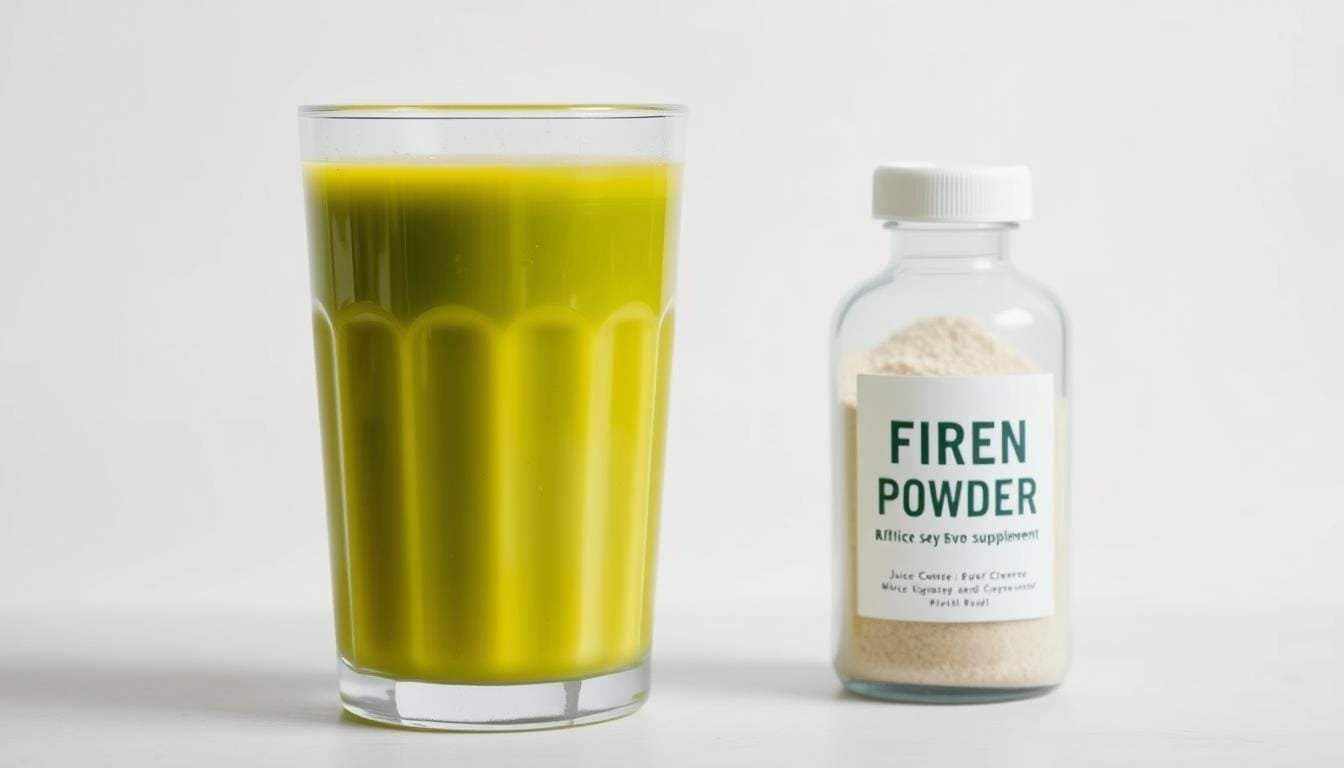
Restoring some bulk helps most people tolerate a short liquid plan with fewer spikes and less discomfort. Adding a soluble product restores roughage that supports steady glucose, softer stools, and satiety without undoing the goal of a short cleanse.
Key benefits include smoother digestion, steadier blood sugar, greater fullness, and microbiome support.

Types and amounts
Common choices are soluble powders such as psyllium husk and inulin. Start small: about 1/2 teaspoon once daily and increase every few days toward 1–2 teaspoons once or twice daily, adjusting to tolerance.
Timing and mixing
Space the dose 30–60 minutes from a juice and take it with a full glass of water. Keep it separate from prescription meds and other pills to avoid absorption issues.
Who should be cautious
People with diabetes should monitor readings closely, and those prone to kidney stones should limit high-oxalate greens like spinach or beets. Pregnant or nursing readers and anyone with chronic conditions should consult a clinician first.
“Wellness Concept can recommend specific options and help Malaysians time amounts and intake — WhatsApp +60123822655 (Mon–Fri 9:30 am–6:30 pm; Sat 10 am–5 pm).”
- Stir saved pulp into a blended snack to nudge up bulk.
- Check total minerals and vitamins from other products to avoid overlap.
How to add fiber without derailing your cleanse: step-by-step for Malaysia
A simple, phased plan makes it easy to add bulk without upsetting goals or energy. Start low and let the body adapt over a few days. Prioritize vegetable-forward drinks and hydrate between servings to steady appetite and weight.
Step-by-step plan
Days 1–2: mix 1/2 teaspoon of soluble powder into a glass of water once daily. Increase to twice daily over the next days if tolerated.
Choose vegetables such as cucumber, celery, kale or broccoli with just a little fruit for taste. Add one blended drink a day to keep fruit vegetable bulk in the glass.
Sample past-timeframe day
- Morning: green vegetable drink, water an hour later.
- Midday: green juice, saved pulp folded into a small snack.
- Afternoon: carrot-beet-citrus juice, then a blended berries-and-banana smoothie.
- Evening: water and a light transition meal after the plan ends.
Storage and safety: prepare bottles for 24–36 hours, keep cold and sealed in Malaysia’s heat. Keep portions modest to avoid spikes and help long-term results.
“For product ideas and timing help, Malaysians can message Wellness Concept at +60123822655 (Mon–Fri 9:30 am–6:30 pm; Sat 10 am–5 pm).”
Safety checks and red flags during a juice cleanse in Malaysia
A clear safety checklist helps people spot early problems and protect health while following a short liquid plan. Small signs can point to bigger issues, so regular checks matter.
Watch for warning symptoms such as dizziness, fatigue, palpitations, or muscle cramps. These often signal electrolyte shifts, made worse by hot weather or long gaps between drinks.
Common risks and simple steps
- Blood and sugar swings: juicing without bulk can cause highs or lows. People with glucose issues should only proceed with clinical input.
- Unpasteurized juices carry infection risk for older adults, children, and anyone immunocompromised. Wash produce, remove damaged parts, and refrigerate.
- Spinach and beets are high in oxalates; rotate recipes to lower kidney stone risk in susceptible people.
- Very low calories over several days can slow metabolism and prompt rapid weight regain. Reintroduce whole foods gradually to protect long-term health and weight.
- Mental health: strict patterns may trigger food preoccupation or rigidity. Seek support if anxiety about foods increases.
Practical checkpoints: keep fluids up, include measured fiber in small amounts, avoid sugar-heavy juices, and stop if the body signals distress. Rest and light movement help; avoid hard exercise on low intake days.
“Wellness Concept can help screen for red flags and adjust plans. Reach them on WhatsApp at +60123822655 (Mon–Fri 9:30 am–6:30 pm; Sat 10 am–5 pm).”
Conclusion
Keeping some whole-plant elements in place prevents sharp sugar swings and eases digestion.
Blending and small add-backs preserve more plant bulk and nutrients than a strict liquid plan. That helps the body adapt, protects gut balance, and makes any short-term weight loss more stable.
Finish by returning to whole foods—fruits, vegetables, legumes and whole grains—to restore steady intake and longer-term diet goals. Wash produce and refrigerate drinks for 24–36 hours for safety.
Quick checklist: choose a soluble option, time doses away from drinks, rotate produce, and store bottles cold.
For Malaysia-specific advice or product ideas, message Wellness Concept on WhatsApp at +60123822655 (Mon–Fri 9:30 am–6:30 pm; Sat 10 am–5 pm; Sun Closed). Thanks for focusing on your health — take what worked, drop what didn’t, and move forward.
FAQ
What are the main benefits of adding a soluble fiber powder while doing a juice cleanse?
Adding a soluble fiber powder can help soften stool, slow absorption of sugars, and promote a sense of fullness. That supports steadier blood glucose levels and reduces hunger between juices, which helps people stick to a short-term cleanse without extreme spikes or dips in energy.
Will keeping pulp or blending fruits and vegetables defeat the purpose of a cleanse?
No. Including some pulp or switching to blended drinks keeps more plant bulk and nutrients, supports the gut microbiome, and prevents rapid sugar absorption. For many, a vegetable-forward cleanse that preserves fiber gives benefits of detox feelings without excessive blood sugar swings.
How much soluble fiber is safe to add each day, and how should someone build up intake?
Start low—about 3–5 grams a day—and increase gradually over several days to 15–20 grams if tolerated. Slowly ramping reduces bloating and cramping. Always pair with extra water so the viscous fiber moves through the gut properly.
Which fiber types are easiest to tolerate when paired with juices?
Psyllium husk, partially hydrolyzed guar gum, and inulin are common options. Psyllium forms bulk and promotes regularity; inulin is prebiotic and feeds beneficial bacteria. People should test small amounts first and choose a milder option if they have gas or discomfort.
Can adding fiber affect nutrient absorption from juices?
Large amounts of viscous fiber can slightly slow absorption of some vitamins and minerals, but moderate intake mostly improves glucose control without blocking essential nutrients. Space fiber supplements and high-iron or high-calcium drinks by an hour if there is concern.
Are there safety concerns for people with diabetes or kidney disease?
People with diabetes should monitor blood sugar closely and consult a healthcare provider before changing intake. Those with kidney issues should be cautious with certain greens high in oxalates, such as spinach and beet greens, and speak with a clinician about overall mineral load before a strict cleanse.
How should someone time fiber with their juice schedule and water intake?
Take fiber with at least 8–12 ounces of water and allow 30–60 minutes before or after a juice if aiming to avoid thick textures. Maintain regular hydration throughout the day—target at least 2–3 liters depending on climate and activity—so fiber works effectively and helps prevent dizziness.
Will adding fiber prevent weight loss during a short cleanse?
Adding modest amounts of fiber may reduce hunger and help preserve lean mass by preventing rapid energy crashes; it won’t stop short-term weight loss from a low-calorie juice plan. For sustainable results, combining vegetable-forward drinks and preserved pulp gives better appetite control than juices alone.
What practical steps can people in Malaysia take to include fiber without disrupting a cleanse?
Choose local vegetables like cucumber, leafy greens, and watermelon for low-sugar blends, save pulp for redistribution into broths or smoothies, start with small fiber servings, and stay well hydrated in the tropical climate. Avoid unpasteurized street-pressed juices and follow food-safety guidance.
What warning signs indicate someone should stop the cleanse or seek medical help?
Stop and contact a clinician for severe dizziness, fainting, persistent vomiting or diarrhea, signs of dehydration, or blood-glucose instability. Also seek help if disordered eating behaviors appear or if preexisting conditions make a restrictive program risky.