
Currently Empty: RM0.00
0 Comments
Nearly 6 in 10 Malaysians weigh quick fixes against natural choices when they try to feel better fast.
Wellness Concept helps people balance convenience and nutrition with tailored strategies for digestion and blood sugar management.

The article shows how a combined approach — smart use of a fiber product plus nutrient-dense whole choices — can boost daily intake without big disruptions.
Readers will find practical tips for steadier energy, more comfortable digestion, and real dietary benefits that fit busy Malaysian lives.
Wellness Concept offers free WhatsApp consultations at +60123822655 and keeps hours that suit working schedules: Monday–Friday 9:30 am–6:30 pm, Saturday 10 am–5 pm, Sunday closed.
Key Takeaways
- Small changes to everyday meals can improve digestion and energy.
- Combining targeted products with nutrient-dense choices often works best.
- Wellness Concept gives tailored advice for Malaysian lifestyles.
- Free WhatsApp help is available at +60123822655 during listed hours.
- Readers will learn easy swaps and shopping ideas that last.
Fiber Supplement Whole Foods: What It Means and Why It Matters
Choosing between more plant-based choices and a packaged aid can shape daily energy and digestion in very different ways.
Dietary fiber from fruits, vegetables, legumes, and whole grains brings broad health benefits. It helps steady blood sugar, eases constipation, and supports heart health.
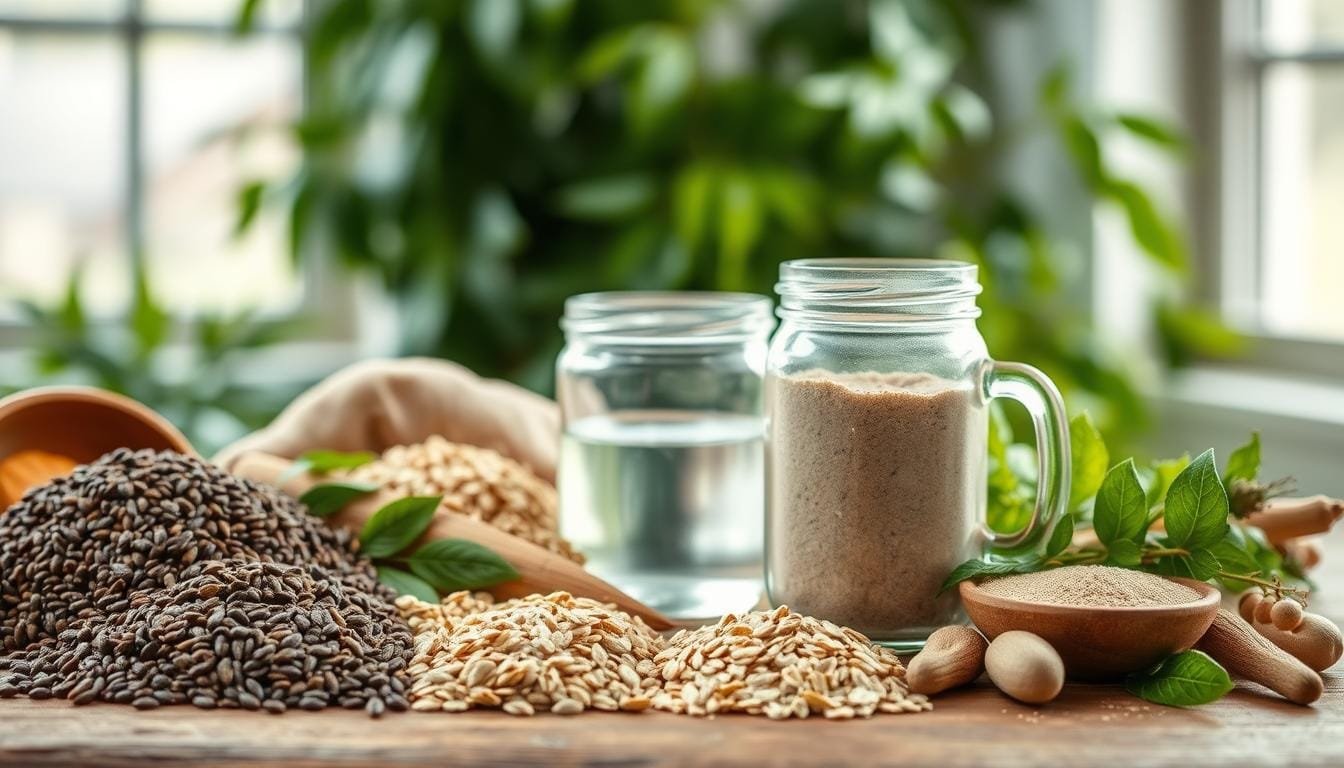
Many accessible options in Malaysia include pears, apples, strawberries, oats, chia seeds, kidney beans, and dark chocolate. These items deliver vitamins, minerals, antioxidants, and natural compounds that a single isolated product cannot match.
That said, there are times a concentrated option adds value — on long trips, during short-term digestive needs, or when access to fresh choices is limited.
Wellness Concept helps people turn these food lists into weekly plans and practical swaps. Readers can get tailored guidance via WhatsApp at +60123822655 during business hours to align a diet and any added support with their goals.
- Quick takeaway: prioritize plants for broad benefits, and use targeted additions when convenience or specific needs demand it.
- Small, steady changes add up and improve overall diet quality over time.
Understanding Dietary Fiber and Daily Targets
Understanding clear daily goals is the first step toward smoother digestion and steady blood responses.
Dietary fiber is the indigestible plant material that helps move food through the gut and supports metabolic balance. It slows absorption after meals, which aids steadier blood responses and lasting fullness.
How much to aim for
Guidance recommends 14 g of dietary fiber per 1,000 kcal — roughly 25 g/day for women and 38 g/day for men.
Why targets matter today
Most people average about 15 g/day, well below recommended levels. That shortfall helps explain common issues: sluggish digestion, irregular comfort, and uneven energy.
- Plant-based sources also supply vitamins, minerals, and antioxidants — valuable nutrients that travel with the indigestible matter.
- Progress over perfection: add one or two simple swaps this week to close the gap.
- Track comfort, regularity, and hunger to see if changes help.
“Small, steady steps raise intake without disrupting routines.”
For personalized daily targets and Malaysian pantry ideas, chat with Wellness Concept on WhatsApp: +60123822655 (Mon–Fri 9:30 am–6:30 pm; Sat 10 am–5 pm; Sun Closed).
Soluble vs. Insoluble: Two Types, Different Roles
A clear split helps people choose what to eat for digestion and metabolic goals.
Think of these types as teammates. One forms a gel that slows digestion. The other adds bulk and keeps the gut moving.

Soluble benefits and how it works
Soluble fiber dissolves in water and increases viscosity to form gels. That gel slows absorption after a meal, which helps steady blood sugar and can lower elevated cholesterol.
Insoluble role for regularity
Insoluble fiber acts like gentle roughage. It adds bulk to stool and supports regular bowel comfort and transit.
- Many staples, like oatmeal and lentils, contain both types — practical for meal planning.
- Simple cue: “soluble slows, insoluble moves.”
- Mix choices across the day (oatmeal morning, crunchy veg at dinner) to cover multiple benefits.
“Aim for balance rather than perfection; a mix across meals usually delivers noticeable health gains.”
If unsure which type to emphasize for current goals, ask Wellness Concept on WhatsApp: +60123822655 during posted hours.
Proven Health Benefits Backed by Research
Research links certain viscous plant polysaccharides to steadier energy, clearer digestion, and heart benefits.
Gel-forming compounds such as high-molecular-weight β-glucan from oats and psyllium raise chyme viscosity. This slows nutrient entry into the bloodstream and helps steady post-meal blood sugar. Long-term studies show improved fasting glucose and lower hemoglobin A1c with regular intake alongside meals.
Cholesterol and cardiovascular advantage
These viscous agents bind bile acids and reduce LDL cholesterol over time. That action supports overall heart health when paired with balanced meals and other nutritious choices.
Gut regularity, microbiome support, and satiety
Psyllium’s non-fermented gel softens hard stools and firms loose stools, improving comfort. Many high-plant items also deliver vitamins and other nutrients that feed a healthy microbiome and boost long-term fullness.
- Oats at breakfast or a psyllium-in-water mix with a meal can reduce spikes and crashes.
- Small, daily steps often show measurable gains within weeks to months.
| Attribute | Oats (β-glucan) | Psyllium |
|---|---|---|
| Primary action | Increases viscosity; slows glucose | Forms non-fermented gel; normalizes stool |
| Evidence | Improves postprandial control; lowers LDL | Helps A1c in trials; firms or softens stool |
| Additional benefit | Provides nutrients and prebiotic effects | Useful for targeted gut comfort |
“Small, consistent habits deliver real health benefits without strict routines.”
Wellness Concept can help align these outcomes with personal needs. Chat on WhatsApp: +60123822655 (Mon–Fri 9:30 am–6:30 pm; Sat 10 am–5 pm; Sun Closed).
Fiber Supplements vs. Whole Foods: Choosing Smartly
Smart choices pair short-term convenience with long-term meal quality.
Some days call for a compact product, such as during travel or a hectic workweek. In those moments, a trusted fiber supplement can ease bowel needs or keep routine steady.
Most days, colorful plates win. Whole foods bring vitamins, minerals, antioxidants, and phytonutrients. They act as meal replacements that feed the body beyond just dietary fiber.
When targeted products help
Gel-forming agents like psyllium or high-molecular-weight β-glucan deliver clinically meaningful outcomes: better glycemic control and lower LDL. Only a minority of marketed products have this viscosity.
Why meals matter daily
Rapidly fermented options (inulin, wheat dextrin) may cause gas and lack gel-dependent benefits. A good source of mixed plant choices reduces that risk and adds lasting nutrients.
| Use case | Gel-forming product | Meal-based option |
|---|---|---|
| Convenience | Portable psyllium drink | Oats with fruit |
| Metabolic goals | Viscous soluble agent (helps A1c, LDL) | Oat-based breakfast (β-glucan + nutrients) |
| Digestive comfort | Non-fermented gel normalizes stool | Legumes and vegetables for bulk and micronutrients |
“Combine modest supplemental help with nutrient-dense meals for a sustainable plan.”
For help choosing products and meal pairings, message Wellness Concept on WhatsApp: +60123822655 (Mon–Fri 9:30 am–6:30 pm; Sat 10 am–5 pm; Sun Closed).
Top Whole-Food Sources to Boost Intake Today
Every market trip can add meaningful grams to your daily intake with the right picks. This short list shows practical, high fiber choices and approximate serving amounts to simplify shopping in Malaysia.
High-fiber fruits
Pears (half large ≈2.9 g), apples (3–4 g), strawberries (half-cup ≈2 g), raspberries (1 cup ≈3.3 g), banana (half ≈1.1 g), and avocado (one medium ≈10 g).
Vegetable powerhouses
Try broccoli (½ cup cooked ≈2.5 g), carrot (one ≈2 g), beets (100 g ≈2 g), Brussels sprouts (1 cup cooked ≈6.4 g), sweet potato (1 cup cooked ≈6.4 g), and artichoke (1 cup cooked ≈9.6 g).
Legumes and seeds
Half-cup servings pack a punch: lentils ≈7.8 g, split peas ≈8.2 g, kidney beans ≈5.7 g, chickpeas ≈6.2 g. Add chia seeds (1 tbsp ≈4.1 g) and a small handful of almonds (1 oz ≈3.5 g) as easy staples.
Whole grains and extras
Rolled oats (100 g ≈10.4 g with β-glucan), cooked quinoa (1 cup ≈8 g), air-popped popcorn (3 cups ≈5.8 g), and dark chocolate (70%+) for occasional treats.
- Quick tip: keep lentils, oats, chia seeds, and almonds in the pantry for fast meals.
- Pair items (oats + berries + chia) to boost texture, taste, and intake.
“Mix textures and servings across the day to reach targets without major changes.”
For a personalized grocery list and local swaps in Malaysia, message Wellness Concept on WhatsApp: +60123822655 (Mon–Fri 9:30 am–6:30 pm; Sat 10 am–5 pm).
How to Increase Fiber Without the Bloat
Small, steady changes make it easier to raise daily intake without upsetting digestion.
Present-day strategy: slow, steady steps
Start by adding about 5 g per week. A gentle rise lets the gut adapt and reduces the chance of gas or bloating.
Drink more water as intake rises — fluids help keep movement smooth and ease heaviness.
Simple swaps and practical ideas
Try oatmeal with berries at breakfast, swap white rice for brown rice, and choose whole-grain bread for sandwiches.
Rinse canned beans to lower sodium while keeping their benefit. Leave skins on apples and potatoes to preserve more grams per serving.
Air-popped popcorn is a crunchy, high fiber snack that replaces lower-fiber treats. Track fullness, comfort, and energy to fine-tune pace and variety.
“Occasional bumps are normal and usually improve with a slower ramp-up and good hydration.”
For a gentle step-by-step plan tailored to Malaysia, WhatsApp Wellness Concept at +60123822655 during business hours.
Managing Common Drawbacks Comfortably
A gradual, practical plan helps most people raise intake without persistent discomfort. Slow increases and good hydration are the first line of defense.
Gas and bloating now
Start by adding about 5 g per week. That pacing reduces gas and allows the gut to adapt.
Cook cruciferous vegetables to soften compounds that cause bloating. Add ginger or fennel as carminatives with meals.
Supplement gaps today
Rapidly fermented, non-viscous options such as inulin or wheat dextrin often raise gas and do not deliver gel-dependent benefits.
Gummies and many ready-made products may lack meaningful viscosity. Expect what they can realistically do and adjust portions.
- Spread servings across the day and space concentrated items away from big meals.
- Pair legumes with herbs and cook them well; start with small portions.
- Keep a short log of foods, timing, and sensations to spot triggers.
| Issue | Helpful choice | Why it helps |
|---|---|---|
| Bloating / gas | Cooked veg + ginger | Reduces fermentable compounds |
| Constipation | Psyllium gel | Normalizes stool form |
| Quick convenience | Non-viscous products | Portable but may increase gas |
“Most discomforts are solvable with pacing, hydration, and a few kitchen tweaks.”
For personalized adjustments, contact Wellness Concept on WhatsApp: +60123822655 if symptoms persist or to refine timing and portions.
Malaysia-Friendly Meal Ideas Rich in Fiber
A few pantry staples and local produce turn everyday plates into higher-nutrient meals for busy schedules.
Breakfast and lunch upgrades
Start the day with a quick bowl of oatmeal topped with berries and chia seeds. This combo is a good source of texture, taste, and lasting energy.
For lunch, choose lentil-based soups or salads that mix legumes with crunchy vegetables. Rinsed canned beans save time and lower sodium while keeping the benefit intact.
Dinner and snacks
At dinner, make veggie stir-fries—think broccoli and carrots—served over quinoa or brown rice as a whole grains base. Batch-cook lentils or chickpeas to speed weeknight meals.
Snack on roasted chickpeas, pear slices, and a small handful of almonds for portable choices that support a balanced diet.
| Meal | Example | Why it helps |
|---|---|---|
| Breakfast | Oatmeal + berries + chia seeds | Quick prep; steady energy |
| Lunch | Lentil soup or salad | Protein + legumes + vegetables |
| Snack | Roasted chickpeas, pear, almonds | Portable; keeps hunger in check |

“Consistent small swaps at breakfast and snacks often make the biggest difference by week’s end.”
For weekly meal plans tailored to local tastes and ingredients, WhatsApp Wellness Concept at +60123822655 (Mon–Fri 9:30 am–6:30 pm; Sat 10 am–5 pm; Sun Closed).
Personalized Support at Wellness Concept (Malaysia)
Wellness Concept helps people make small, lasting changes that fit real life. Their team builds plans for gut comfort and steady blood sugar using practical meals, timing, and gentle progress.
Chat now on WhatsApp: +60123822655
Hours: Mon–Fri 9:30 am–6:30 pm, Sat 10 am–5 pm, Sun Closed
Clients receive tailored advice that fine-tunes choices among whole foods and targeted additions. The goal is clearer digestion, better metabolic balance, and realistic routines you can keep.
- Translate dietary targets into daily portions and easy menus.
- Pace changes to reduce discomfort and improve long-term intake.
- Optimize meal timing and combinations for better digestion.
- Adapt plans as progress is made and tastes change.
The team encourages readers to bring favorite dishes and constraints so guidance fits real life. Quick questions or full consultations are just a WhatsApp message away during posted hours.
“Small, guided steps build confidence and deliver measurable benefits over weeks.”
Conclusion
Small, consistent choices lead to steady improvements in digestion, blood markers, and overall health benefits.
A practical plan blends high fiber meals from fruits, vegetables, legumes, and whole grains with targeted gel-forming options that support cholesterol and blood sugar. Soluble fiber like β‑glucan from oats and psyllium helps glycemic control, while insoluble fiber aids regularity and reduces constipation.
Keep increases gentle (≈5 g/week), drink enough water because soluble types dissolve in water and swell, and rotate sources to limit gas. Simple meals—oatmeal with fruit and chia, or a dinner of Brussels sprouts and lentils—make targets doable.
For a custom action plan or final questions, WhatsApp Wellness Concept at +60123822655 (Mon–Fri 9:30 am–6:30 pm; Sat 10 am–5 pm; Sun Closed).
FAQ
What does "Fiber Supplement Whole Foods" mean and why does it matter?
It refers to combining concentrated fiber products and nutrient-dense whole food sources to meet daily needs. They matter because they support digestion, steady blood sugar, and cholesterol management while delivering vitamins, minerals, and phytonutrients that isolated products cannot provide.
What is dietary fiber and how does it help digestion and metabolism?
Dietary fiber includes soluble types that dissolve in water and form gels, and insoluble types that add bulk. Together they slow glucose absorption, feed beneficial gut bacteria, and promote regularity, which supports metabolic health and long-term satiety.
How much should people aim for each day?
Current guidance is about 14 grams per 1,000 kcal, roughly 25 grams for most women and 38 grams for most men. Adjust targets for age, activity level, and personal health goals while increasing intake gradually.
What’s the difference between soluble and insoluble types?
Soluble forms dissolve in water and form viscous gels that lower cholesterol and moderate blood sugar—oats’ beta-glucan and psyllium are prime examples. Insoluble forms add bulk to stool, speeding transit and reducing constipation risk.
Which proven health benefits does the research support?
Evidence shows gel-forming fibers improve blood sugar control and reduce LDL cholesterol, while both types improve gut regularity and support a diverse microbiome that may help weight control and long-term cardiovascular health.
When are concentrated products appropriate versus whole food choices?
Concentrated products are useful for travel, picky eaters, or targeted clinical needs. Whole food choices remain preferable for daily use because they supply antioxidants, minerals, and more complete nutrition that gummies or non-viscous options often miss.
Which whole-food sources give the biggest boost?
Top picks include oats for beta-glucan, pears and raspberries for soluble and insoluble balance, legumes like lentils and chickpeas, seeds such as chia, and vegetables like Brussels sprouts and sweet potatoes.
How can someone increase intake without uncomfortable gas or bloating?
Add about 5 grams per week, drink more water, and mix soluble and insoluble sources. Cook cruciferous vegetables, use ginger or fennel to ease symptoms, and consider spreading servings across the day.
What simple swaps help raise intake quickly?
Swap white rice for brown, try oatmeal topped with berries and chia, choose whole-grain bread, and add rinsed canned beans to salads or stews for an easy fiber and protein lift.
Do gummies and non-viscous products provide the same benefits as gel-forming types?
Not always. Gummies and many non-viscous powders may relieve constipation but often lack the viscosity and fermentation profile needed for meaningful cholesterol and blood sugar effects.
How can people in Malaysia incorporate these ideas into local meals?
They can boost breakfasts with oats and chia or roti with lentil curry, add legumes to sambal or soups, and make vegetable stir-fries with quinoa or brown rice. Snacks like roasted chickpeas, pears, and almonds also fit well.
Where can someone get personalized advice at Wellness Concept (Malaysia)?
Wellness Concept offers support via WhatsApp at +60123822655 during business hours: Mon–Fri 9:30 am–6:30 pm and Sat 10 am–5 pm. They can help tailor targets, suggest food swaps, and recommend product choices based on goals.