
Currently Empty: RM0.00
0 Comments
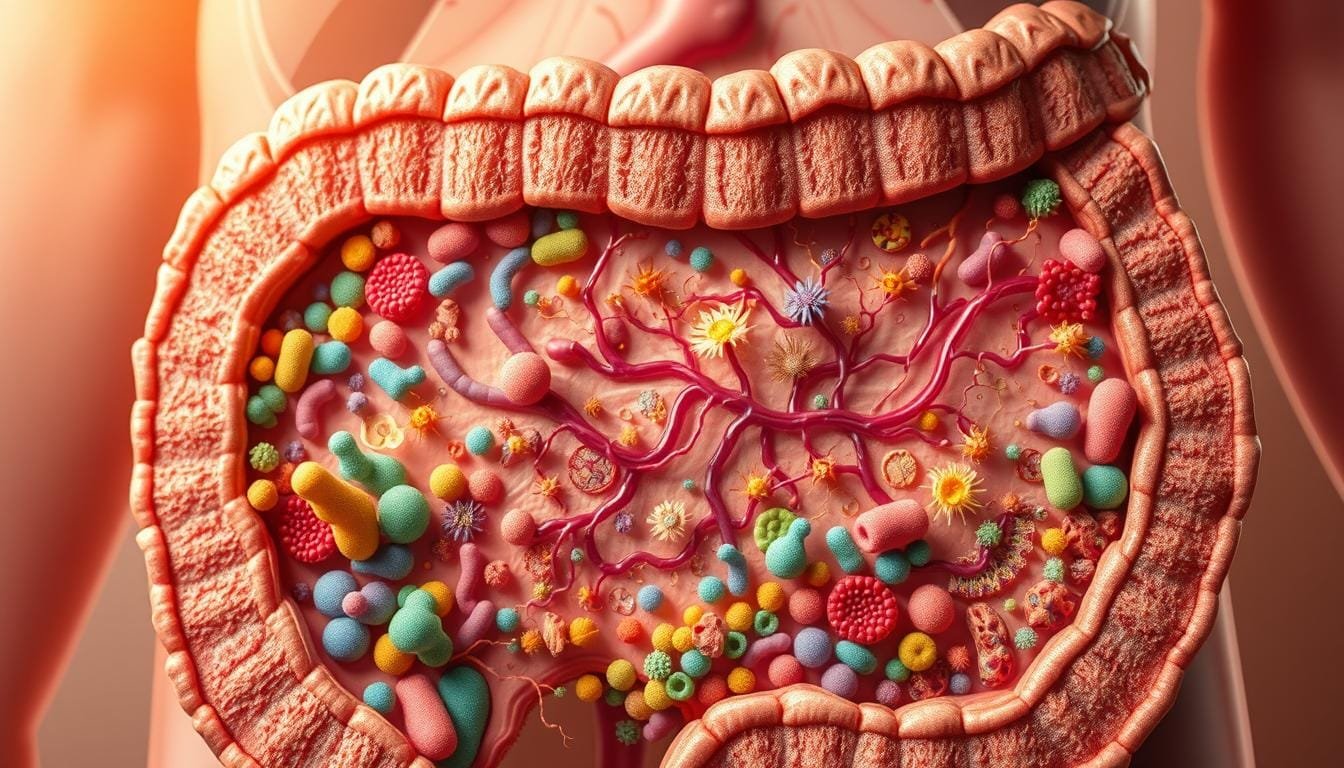
One surprising fact: up to 1,000 species live in the colon, and over 99% are anaerobes — tiny helpers that shape daily wellbeing.
The colon and cecum host most of these microbes. They break down fiber into short-chain fatty acids, support the intestinal barrier, and tune immune defenses.
Balance matters. A healthy microbiota helps digestion, supports heart markers like HDL and triglycerides, and even limits compounds linked to artery risk. When balance breaks, dysbiosis can follow — loss of helpful bacteria and overgrowth of harmful types.

This Ultimate Guide shows what the gut microbiome does in the body and why small steps can give big wins for people in Malaysia today. It previews foods to favor, exposures to avoid, signs of imbalance, and when to seek smart testing.
For friendly, personalized tips, readers may contact Wellness Concept on WhatsApp at +60123822655. Business hours: Mon–Fri 9:30 am–6:30 pm; Sat 10 am–5 pm; Sun Closed.
Key Takeaways
- The colon is the main hub for microbial life that aids digestion and immunity.
- Balanced microbiota supports heart and brain-related health markers.
- Dysbiosis means loss of helpful bacteria and possible health risks.
- Small, steady changes can improve daily health — seek personalized guidance as needed.
Why This Ultimate Guide Matters for Malaysia’s Gut Health Right Now
Malaysia faces rapid diet and lifestyle shifts that alter how intestinal communities function. The gut microbiome is sensitive to what people eat, how they live, and the local environment.
Plant-fiber diversity in the diet feeds helpful microbes and boosts short-chain fatty acid production. By contrast, high sugar and saturated fats from ultra-processed foods favor less helpful types and raise long-term health risk.
Chemicals and habits matter too. Alcohol, tobacco smoke, air pollutants, antibiotics, and acid blockers can reduce microbial diversity or change gut pH. Short exposures often recover, but chronic contact can change composition and raise the chance of related conditions.
Motility affects distribution: too fast transit limits microbial action; too slow may encourage overgrowth. Current local research links these patterns to symptoms Malaysians report daily.
- Focuses on local food patterns, urban stress, and environment.
- Explains why fibre diversity lowers risk and how common exposures harm balance.
- Offers practical, culturally relevant steps and testing guidance.
| Factor | Effect on Microbiota | Short-term | Chronic |
|---|---|---|---|
| High-fiber diet | Feeds beneficial species, increases SCFAs | Improved function | Lower long-term risk |
| Sugary/processed foods | Promotes less helpful types | Reduced diversity | Higher metabolic risk |
| Alcohol, pollutants, meds | Alters diversity and pH | Often reversible | Persistent composition change |
For Malaysia-specific advice and practical product tips, contact Wellness Concept on WhatsApp at +60123822655. Hours: Mon–Fri 9:30 am–6:30 pm; Sat 10 am–5 pm; Sun Closed.
Gut microbiome explained
A complex community of species lives along the intestine and helps break down food, defend against invaders, and make important compounds. This community is mostly concentrated in the large intestine, where conditions favour oxygen‑intolerant life.
What it is: bacteria, fungi, viruses, and more
The term describes a community of microorganisms — including bacteria, archaea, fungi, and viruses — that live together in the digestive tract. Bacteria are the best studied; they include dominant groups like Bacteroidota and Bacillota. One common member in healthy adults is Faecalibacterium prausnitzii.
Where microbes live: small intestine vs. large intestine
The small intestine has fewer microbes due to stomach acid and faster transit. Numbers rise toward the distal small bowel.
The cecum and colon host the densest communities. The colon can hold 300–1,000 species, and roughly 99% are anaerobic. Low oxygen and slow transit help microbes ferment fiber into short‑chain fatty acids, make some vitamins, and compete with pathogens.
| Location | Typical density | Main roles |
|---|---|---|
| Small intestine (proximal) | Low | Absorption; fewer microbes due to acidity |
| Distal small intestine | Moderate | Increasing fermentation and interaction |
| Cecum & colon | High (300–1,000 species) | Fiber fermentation, SCFA production, vitamin synthesis, pathogen resistance |
Balance among species matters as much as counts. Local readers can picture how common meals move through the intestine and meet different communities, influencing digestion and daily wellbeing.
How the Microbiome Develops Across Life
From birth to old age, a person’s intestinal community shifts in predictable stages. Early steps set long-term patterns for digestion, immunity, and daily comfort.
Birth to early childhood:
Birth to early childhood: diversification and immune tolerance
Infants acquire microbes at delivery and from their environment. By about age two, the community often reaches an adult-like state.
That early increase in diversity helps train the immune system. Bacterial signals guide IgA switching and teach barrier cells to tolerate friendly species and foods.
Adult stability, lifestyle shifts, and aging
Adults usually show higher diversity and a relatively stable profile compared with children. Still, diet changes, new jobs, stress, travel, and medications can nudge composition.
With aging, altered diet, lower activity, and more medicines may shift species and reduce resilience. Ongoing research links these shifts to changes in digestion and nutrient handling.
- Nurture diversity at every age with varied plant foods and regular habits.
- Limit unnecessary antibiotics and balance sleep, movement, and stress for steady communities.
| Life stage | Key change | Practical tip |
|---|---|---|
| Infancy | Rapid increase in diversity and immune training | Breastfeeding or fiber-rich complementary foods when appropriate |
| Adulthood | Relative stability; sensitive to lifestyle shifts | Consistent diet with varied plants and fermented foods |
| Aging | Possible loss of species and resilience | Protein, fiber, activity, and medication review with a clinician |
Key Roles of the Microbiome in the Body
Certain intestinal residents perform several vital roles that keep digestion, immunity, and metabolism working well. Below are the main ways they support daily health.
Digesting fiber and making short‑chain fatty acids
Some bacteria break down complex carbohydrates and fiber into short‑chain fatty acids (SCFAs).
SCFAs feed intestinal cells, help regulate blood sugar, and support metabolic balance.
Immune regulation and barrier protection
Resident microbes occupy niches and compete with harmful species. This reduces pathogen entry and helps maintain the intestinal barrier.
The community also fine‑tunes the immune system, teaching cells to react when needed and to avoid overreaction.
Gut‑brain signaling
Microbial metabolites influence nerves and signaling pathways that affect mood and digestion. For example, most serotonin is made in the gut region and links to local signaling.
Heart markers and metabolic links
Microbiota profiles can relate to HDL and triglyceride levels. Some species convert choline and L‑carnitine into TMAO, a compound tied to atherosclerosis risk.
- Practical takeaway: eat varied plants and aim for daily fiber to support these functions and resilient cells across the body.
What Dysbiosis Is and Why It Matters
Dysbiosis is a loss of beneficial bacteria combined with overgrowth of opportunistic species that together remove balance from the intestinal community. This shift can drive symptoms, raise infection risk, and increase the chance of chronic disease.

How diet and chemicals tilt the balance
Low-fiber, high-sugar, and high-saturated-fat diets favor less helpful bacteria and lower diversity. Diverse plant fibers feed beneficial strains and help keep intestinal pH lower.
Frequent exposure to alcohol, tobacco smoke, air pollutants, antibiotics, and acid blockers also changes the environment and can disrupt microbiota composition.
Why motility matters
Transit time affects colonization. Too fast transit limits bacterial activity and nutrient breakdown. Too slow transit encourages overgrowth and migration of species into the small bowel.
- Protect balance: boost plant-fiber variety and fermented foods.
- Use meds wisely: discuss antibiotics or acid blockers with a clinician.
- Reduce chronic exposures: limit alcohol, avoid tobacco, and reduce pollutant contact when possible.
Watch for persistent bloating, change in bowel habits, fever, or blood in stool. Seek care if infection or severe symptoms appear. For practical background on helpful versus harmful bacteria, see understand good vs bad bacteria.
Conditions Linked to an Unbalanced Microbiome
When intestinal balance shifts, a range of common medical problems can follow. Small changes in community composition may underlie several chronic conditions people report.
IBD, IBS, and small intestinal overgrowth
Inflammatory bowel disease (including Crohn’s disease, ulcerative colitis, and microscopic colitis) often shows patterns of dysbiosis that clinicians consider during diagnosis. Altered microbiota signatures are one piece of the puzzle.
Irritable bowel syndrome symptoms frequently stem from gas and chemical byproducts produced by bacteria after certain meals. Small intestinal bacterial overgrowth (SIBO) occurs when species expand in the small bowel, often after slow motility, and causes bloating and discomfort.
Cardiometabolic links
Certain gut microbes convert nutrients into TMAO, a compound tied to atherosclerosis risk. Some probiotic strains may help improve cholesterol or triglyceride markers, but effects vary by strain and dose.
| Issue | Microbial role | Clinical cue |
|---|---|---|
| Inflammatory bowel disease | Reduced diversity; unstable microbiota | Persistent pain, blood in stool |
| SIBO | Overgrowth in small intestine | Bloating after meals, slow transit |
| Atherosclerosis link | TMAO from specific bacteria | High cholesterol or family history |
Infections and inflammation
Dysbiosis raises vulnerability to infections and to inflammatory damage of the bowel lining. Seek care when fever, severe pain, persistent bleeding, or rapid weight loss occur.
- See a clinician for testing if symptoms persist or worsen.
- Keep a food symptom diary to spot triggers.
Diet, Fiber, and Fermented Foods: Building a Healthy Gut
Choosing whole grains, legumes and local fruits helps create an environment that favors helpful bacteria. A balanced diet focuses on variety and simple swaps to deliver key nutrients. Small, steady changes make it easier to support the microbiome in everyday life.
Diversity first: fruits, vegetables, whole grains, legumes
Include a mix of colourful fruits, leafy vegetables, whole grains and legumes each day. Different types of fiber feed different microbiota species and boost short‑chain fatty acid production.
- Daily staples: brown rice, oats, tempeh, lentils, papaya, leafy greens.
- Practical tip: add a fruit or vegetable to every meal to increase fiber variety.
Fermented foods and probiotics
Yogurt, kimchi, tempeh and fermented soy sauces bring live Lactobacilli and Bifidobacteria into the diet. These bacteria can aid digestion and may ease some IBS symptoms, though effects vary by strain and person.
What to limit: excess sugar, saturated fats, ultra‑processed items
High sugar and saturated‑fat foods favour less helpful microbes and often contain additives that harm diversity. Swap sugary drinks for plain water or fresh fruit, and choose grilled or steamed options over deep‑fried snacks.
Quick Malaysia-friendly plate idea: grilled ikan with brown rice, stir‑fried greens, tempeh, and a small fruit salad for dessert. This keeps meals familiar while feeding microbiota and supporting a healthy gut.
Medications, Chemicals, and Environmental Exposures
Common medicines and everyday pollutants can reshape intestinal communities in ways people rarely notice. Some changes are short lived. Others slowly reframe how species interact and what they do.
Antibiotics, acid blockers, alcohol, tobacco, and pollutants
Antibiotics kill pathogens but also reduce helpful bacteria. Broad‑spectrum courses may lower diversity. Recovery often occurs over weeks to months, but repeated or long courses slow rebound.
Acid blockers alter stomach pH and can shift which species colonize the small intestine. Heavy alcohol use, tobacco smoke, and air pollutants act as toxins that stress microbial communities and change function.
Short-term vs. chronic exposure and microbiota recovery
Necessary short courses of medication are usually recoverable events. Chronic use or constant pollutant exposure can re-shape the microbiome and raise long-term risk.
- Discuss antibiotic need and duration with a clinician.
- Limit long-term acid blocker use when possible and review options.
- Reduce alcohol and avoid tobacco to protect microbial balance and overall health.
Support recovery: allow time, eat a wide variety of plant fibers, and include fermented foods to help repopulate helpful strains. If symptoms persist, seek advice—local clinicians and research-aware providers can guide testing and safe changes.
Gut Motility and “Transit Time”
How quickly food moves through the digestive tract shapes what bacteria can do and what a person feels after meals. Motility distributes microbiota along the intestine and sets the scene for digestion and symptom patterns.
Too fast: limited extraction and loose stools
When transit is very rapid, microbes have less time to ferment fiber. That reduces nutrient and short‑chain fatty acid harvest and may cause loose bowel movements.
People may feel urgency, watery stool, or poor energy after meals. These signs suggest a need to review diet, hydration, and stress levels with a clinician.
Too slow: overgrowth and gas
Slow transit lets microbes linger and multiply. Over time, this can favour overgrowth in the small bowel and more gas, bloating, and constipation.
Persistent slow transit raises the chance that species usually confined to the colon move upward into the small bowel and cause symptoms that need testing.
- Watch bowel frequency and stool form as simple cues.
- Note changes after travel, new meds, or diet shifts.
- Discuss persistent change with a clinician for targeted testing.
Simple levers to support steady motility include regular fluid intake, a balanced mix of soluble and insoluble fiber, daily movement, and stress care.
| Transit pattern | Effect on microbiota | Common symptoms |
|---|---|---|
| Fast transit | Lower fermentation, reduced nutrient harvest | Loose stool, urgency, low energy |
| Normal transit | Balanced fermentation and nutrient absorption | Regular bowel movements, steady digestion |
| Slow transit | Higher growth, risk of small intestinal overgrowth | Bloating, gas, constipation |
Takeaway: monitor bowel patterns and make gradual lifestyle changes. Small steps often improve digestion and overall health, and a clinician can help when symptoms persist.
Weight, Blood Sugar, and the Microbiome
Microbial composition influences appetite signals and energy storage, altering how the body uses calories.
Calorie extraction and adiposity signals
Some microbiota harvest more energy from the same foods. Over time, that difference can affect body fat and weight trends.
Resident bacteria also affect hormones that control hunger and fat storage. These signals can change how easily someone gains or loses weight.
Why blood sugar responses vary
Two people may show different blood sugar levels after identical meals. Part of this comes from differences in microbial communities and how they break down carbohydrates.
Practical tip: pair fiber and protein with starchy foods to slow absorption and smooth post-meal glucose levels.
Where probiotics fit
Some studies suggest targeted probiotics may help weight management for certain individuals. They are not a cure for diabetes or type diabetes, but can complement diet and exercise.

- Track responses: keep a food and symptom log to see personal patterns.
- Focus on meals: combine fiber, protein, and whole foods to stabilise glucose levels.
- Seek advice: for weight or blood sugar concerns, consult a clinician—especially when managing diabetes or related disease.
The Malaysia Context: Diet, Lifestyle, and Microbiome Diversity
Traditional fermented foods and varied plant ingredients make it easy to support a resilient intestinal community in Malaysia.
Local food patterns: balancing fiber-rich staples with modern diets
Rice, noodles, and local fruits are everyday anchors. Adding leafy greens, legumes, and tempeh boosts dietary fibre and plant variety.
Simple swaps: mix brown rice or red rice with white rice, stir in lentils or tempeh, and choose fruit over sweetened snacks to lower added sugar.
Urbanization, stress, and practical daily tweaks
City life brings stress, convenience foods, and fast schedules. Stress can change microbiota and may worsen IBS-like conditions.
- Prioritise sleep regularity and short movement breaks.
- Practice mindful eating to slow meals and cut overeating of sugary snacks.
- Keep small, steady changes—add a vegetable to rice dishes and pick fermented side dishes.
For Malaysia-specific guidance on diet, foods, and gut health, contact Wellness Concept on WhatsApp at +60123822655. Hours: Mon–Fri 9:30 am–6:30 pm; Sat 10 am–5 pm; Sun Closed.
Testing the Microbiome: What You Can (and Can’t) Learn at Present
Home stool kits give a snapshot of species levels, but clinicians rely on targeted tests to find infections or inflammatory disease.
Consumer stool tests vs. clinical diagnostics
Consumer reports often list which bacteria appear and their relative abundance. They can spark curiosity and guide diet changes.
Limitations: these reports do not diagnose disorders or replace medical care. They offer composition data, not proven treatment plans.
Evidence-based tests for infections, SIBO, and related issues
Clinicians use specific tools: stool panels to detect pathogens or inflammation, blood tests for markers of systemic response, and breath tests for gas patterns that indicate SIBO.
Practical rule: providers test for clear conditions, not for a vague “dysbiosis.” Results guide targeted care.
“Testing is most useful when results are paired with symptoms, diet history, and clinical assessment.”
- Consider medical evaluation for persistent pain, bleeding, weight loss, or severe bloating.
- Use test results together with diet, sleep, and lifestyle changes for the best outcomes.
| Test type | What it detects | When it’s used |
|---|---|---|
| Stool panel | Pathogens, inflammation markers, microbial levels | Diarrhea, blood in stool, suspected infection |
| Blood tests | Inflammation, nutrient levels, systemic response | Unexplained symptoms, rule out inflammatory conditions |
| Breath test | Hydrogen/methane gases indicating SIBO | Recurrent bloating, post-meal gas, slow transit |
Action Plan: Daily Habits to Support a Healthy Gut
Simple daily habits can reshape digestion and strengthen overall resilience over weeks. This short plan bundles practical food choices, movement, and sleep tips to help readers make steady progress.
Build plant diversity and fiber targets
Build plant diversity and fiber targets
Aim for a wide mix of vegetables, fruits, whole grains, legumes, and nuts each week. Diverse plant food feeds beneficial microbes and increases short‑chain fatty acid production that helps barrier and immune function.
Smart probiotic and fermented food choices
Include fermented foods like tempeh, yogurt, and kimchi several times weekly. These foods bring Lactobacilli and Bifidobacteria that may ease IBS symptoms for some people. Consider targeted probiotics when a clinician suggests them.
Sleep, stress management, and movement for gut‑brain balance
Regular sleep, brief daily movement, and simple stress tools (breathing or short walks) support regular bowel patterns and gut‑brain signalling. Consistency matters more than perfection.
- Aim for many different plants across meals each week.
- Add a fermented side or yoghurt 3–5 times weekly.
- Prioritise 7–8 hours sleep and 20–30 minutes movement daily.
- Use a simple checklist to track consistency and progress.
| Daily habit | Why it helps | Simple goal |
|---|---|---|
| Plant variety | Feeds broad microbiota and raises SCFAs | 5+ different plant foods per day |
| Fermented foods / probiotics | Introduces beneficial strains; may reduce IBS symptoms | 3–5 servings weekly or as advised |
| Sleep & movement | Stabilises bowel rhythm and gut‑brain balance | 7–8 hrs sleep; 20–30 min activity |
For personalised habit-building, WhatsApp Wellness Concept at +60123822655 during business hours: Mon–Fri 9:30 am–6:30 pm; Sat 10 am–5 pm; Sun Closed.
Wellness Concept: Personalized Guidance in Malaysia
For people seeking practical support, Wellness Concept translates research into stepwise changes that fit Malaysian life. Their approach focuses on simple, evidence-based upgrades to diet, daily habits, and product choices to protect long-term health.
How they help: diet upgrades, product education, and lifestyle coaching
Practical plans target fibre diversity, fermented foods, and recovery after antibiotics or other exposures. Coaches explain which products make sense and how to add variety without big meal overhauls.
When coaching is enough: mild symptoms and habit change often improve with guided steps. For clear or persistent problems, they coordinate with clinicians for testing.
Visit hours
Monday–Friday: 9:30 am–6:30 pm. Saturday: 10 am–5 pm. Sunday: Closed.
Contact: WhatsApp
Message Wellness Concept on WhatsApp at +60123822655 for quick, local guidance. They help translate microbiome and microbiota science into routines that fit work, family, and daily life.
- Stepwise diet and product suggestions to support gut balance.
- Clear guidance on when clinical testing for infections or SIBO is appropriate.
- Support for people recovering after medications or environmental exposures.
Conclusion
Small, steady changes can shift which species thrive in the intestinal community and improve overall health. A balanced microbiota helps break down fiber into supportive compounds that feed barrier cells and steady the immune system.
Imbalances link with conditions from IBS and inflammatory bowel disease to SIBO and cardiometabolic risk. Diets rich in diverse plants and fermented foods, plus sensible stress care, often yield the biggest gains.
For specific symptoms, targeted stool, blood, or breath testing guides care more than broad screens. For tailored, Malaysia‑friendly plans, message Wellness Concept on WhatsApp at +60123822655. Hours: Mon–Fri 9:30 am–6:30 pm; Sat 10 am–5 pm; Sun Closed.
FAQ
What is the gut microbiome and why does it matter?
The gut microbiome is the community of bacteria, fungi, viruses, and other microorganisms that live in the digestive tract. It helps digest fiber, produce short-chain fatty acids (SCFAs), regulate the immune system, and influence nutrient absorption and metabolic signals. A balanced collection of species supports digestion, protects against infection, and reduces inflammation that can raise risks for conditions like type 2 diabetes, inflammatory bowel disease, and cardiovascular problems.
How does the microbiome develop from birth through adulthood?
Microbial composition starts at birth and diversifies in early childhood as a child encounters foods, environments, and microbes from caregivers. By adulthood the community stabilizes but still shifts with diet, medication, stress, and aging. Changes in lifestyle, antibiotics, or major diet shifts can reduce diversity and alter function, increasing vulnerability to dysbiosis and related disorders.
Where do most microbes live in the digestive tract?
Microbial populations vary by site. The small intestine contains lower microbial loads focused on nutrient absorption, while the large intestine — including the cecum and colon — holds the highest diversity and density. The colon is the main site for fiber fermentation and SCFA production, crucial to gut barrier protection and systemic health.
What is dysbiosis and how does it affect health?
Dysbiosis means loss of beneficial species and overgrowth of harmful microbes. It can impair digestion, weaken the gut barrier, provoke inflammation, and alter motility. These shifts contribute to conditions like irritable bowel syndrome (IBS), small intestinal bacterial overgrowth (SIBO), infections, and metabolic disturbances such as insulin resistance and unhealthy lipid profiles.
Which daily foods support a healthy microbial community?
Prioritize diversity: fruits, vegetables, whole grains, legumes, nuts, and seeds. Aim for fiber-rich staples and include fermented foods like yogurt, kefir, tempeh, and sauerkraut to supply beneficial strains such as Lactobacilli and Bifidobacteria. Limit excess sugar, saturated fats, and ultra-processed foods that feed pathobionts and reduce diversity.
Do probiotics and fermented foods really help?
Fermented foods and targeted probiotic supplements can help restore selected species and support gut function in many people. Benefits depend on strain, dose, and the condition treated. For specific issues like antibiotic-associated diarrhea or certain infections, evidence supports use; for complex conditions, personalized guidance from clinicians is best.
How do medications and environmental exposures change the microbial balance?
Antibiotics, acid blockers, alcohol, and pollutants can drastically alter species composition. Short-term exposures may allow recovery, but repeated or chronic exposures often cause lasting shifts. Lifestyle changes, diet, and time help recovery, yet severe disruption may need medical assessment for infections or SIBO.
How does gut transit time affect microbial health?
Transit time influences nutrient extraction and microbial growth. Too fast transit reduces fiber fermentation and SCFA production; too slow transit can promote bacterial overgrowth and increase toxin exposure. Managing fiber, hydration, physical activity, and addressing motility disorders can help normalize transit.
What links exist between the gut community and weight or blood sugar?
Microbes affect calorie extraction, produce metabolites that influence fat storage and appetite, and modulate glycemic responses. Certain microbial patterns associate with increased adiposity, higher triglycerides, and glycemic variability. Improving dietary fiber and diversity often helps metabolic control alongside lifestyle measures.
Are stool tests useful for assessing microbial health?
Consumer stool tests can profile species but have limits in clinical interpretation. They may offer insight into diversity and dominant taxa, yet they cannot always determine function or causality. Clinical diagnostics and targeted tests remain necessary for diagnosing infections, SIBO, or inflammatory bowel disease.
What practical tweaks fit Malaysia’s food culture to support microbial diversity?
Balance local fiber-rich staples like brown rice, lentils, and vegetables with fermented foods common to the region, and reduce reliance on ultra-processed snacks and sugary drinks. Urban stress and sedentary habits also affect microbial health, so include movement, sleep hygiene, and stress management in daily routines.
When should someone see a clinician about microbial-related problems?
Seek medical advice for persistent symptoms such as unexplained weight change, chronic diarrhea or constipation, bloody stools, severe abdominal pain, or signs of systemic infection. Clinicians can evaluate for IBD, SIBO, infections, or metabolic risks and recommend appropriate testing and treatment.
How can people support microbiome recovery after antibiotics?
After a course of antibiotics, focus on a varied, high-fiber diet, fermented foods, and hydration. Probiotic supplements may reduce antibiotic-associated side effects and speed recovery for some people. Avoid unnecessary repeat antibiotic use and consult a healthcare provider about tailored strategies for repopulation.
What role do fungi and viruses play in the microbial community?
Fungi (the mycobiome) and bacteriophages (viruses that infect bacteria) contribute to community dynamics, competition, and immune interactions. Though less studied than bacteria, they can influence inflammation, infection susceptibility, and overall ecosystem balance. Ongoing research continues to define their clinical importance.
Can lifestyle changes really lower risk for diseases linked to microbial imbalance?
Yes. Improving diet quality and diversity, increasing physical activity, managing stress and sleep, and reducing exposure to pollutants and tobacco all support a resilient microbial ecosystem. These measures lower inflammation, improve metabolic markers like HDL and triglycerides, and reduce risk for conditions such as type 2 diabetes and cardiovascular disease.