
Currently Empty: RM0.00
0 Comments
Every 7 grams of extra daily fiber links to a 9% drop in heart disease risk, a figure that surprises many people and shows how small changes can yield big health gains.
Wellness Concept offers a clear, friendly guide that helps Malaysians spot common signs of too little dietary fiber. Typical clues include hard stools, feeling hungry soon after meals, and energy dips tied to blood sugar swings.

Fiber supports gut comfort and regularity, and it also helps lower cholesterol and steady energy when paired with enough water. Studies show many people eat about half the fiber they truly need.
This introduction previews practical steps, easy Malaysian food swaps, and simple self-checks. For personalised advice, Wellness Concept is available via WhatsApp at +60123822655 during business hours: Monday–Friday 9:30 am–6:30 pm, Saturday 10 am–5 pm.
Key Takeaways
- Small increases in fiber can cut heart risk and improve gut health.
- Watch for constipation, fast return of hunger, and fatigue as signs.
- Pair more fiber with extra water to avoid bloating or cramps.
- Many people in Malaysia eat far less fiber than recommended.
- Wellness Concept offers practical, local tips and WhatsApp support.
Why dietary fiber matters right now for gut and overall health
Small swaps—like choosing whole grains or adding beans—yield noticeable gains for digestion and heart health.
Many studies show clear health benefits from eating more fruits, vegetables, whole grains and legumes. Diets rich in these foods help with weight control, steady blood levels, and better bathroom regularity.
Health benefits backed by studies: weight, gut regularity, heart and cancer risk
A review of 22 studies found each extra 7 grams per day linked to a 9% drop in heart disease risk. Higher intake also ties to lower diabetes and certain cancer risks and easier weight management.
What happens in the digestive system when intake is low vs. high
Low-fiber patterns move quickly through the digestive system. Food digests fast, hunger returns sooner, and blood sugar can spike.
By contrast, a higher-fiber approach holds water in stool and helps it pass smoothly. Soluble sources such as oats, barley, beans and psyllium can slow cholesterol absorption and support steadier blood responses. Increase intake gradually and drink more fluids to reduce bloating.
| Feature | Low intake | High intake |
|---|---|---|
| Transit time | Faster, often irregular | Slower, more regular |
| Hunger & blood | Hunger returns sooner; spikes | Fullness lasts; steadier blood |
| Long-term risk | Higher heart and cancer risk | Lower heart and cancer risk |
| Practical sources | Few whole foods | Vegetables, grains, beans, oats |
For one-on-one support, WhatsApp Wellness Concept at +60123822655 during business hours: Mon-Fri 9:30 am-6:30 pm, Sat 10 am-5 pm, Sun Closed.
How do I know if I’m lacking fiber?
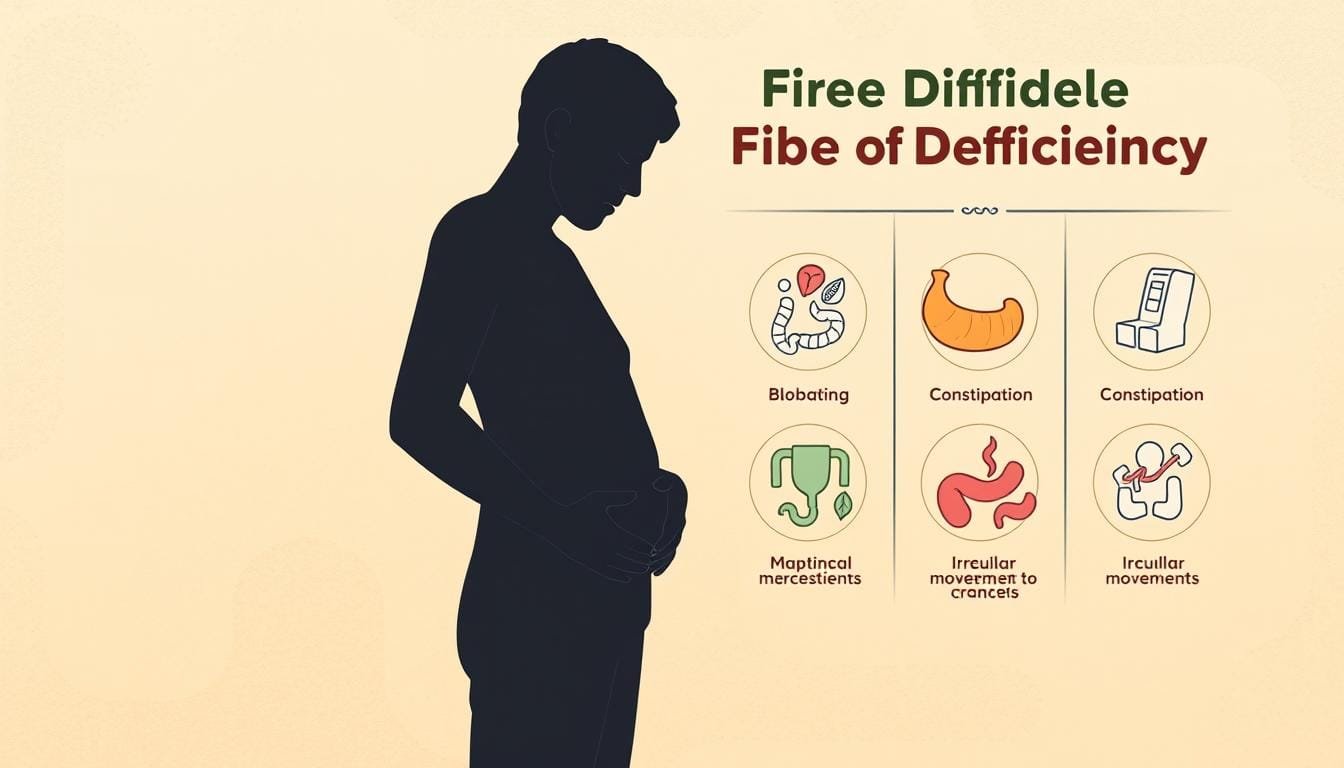
Small changes in stool and energy often reveal a bigger gap in daily fiber intake. These signs are helpful prompts from the body to check diet and habits.
Constipation, hard stool, and straining as red flags
Consistent constipation and hard, dry stool often mean the colon is absorbing too much water. Soluble fiber holds water to soften stool, while insoluble fiber speeds movement.
- Frequent straining raises discomfort and the risk of hemorrhoids.
- Softer, heavier stool passes faster and eases strain on the rectal area.
Feeling hungry soon after meals and energy crashes
Low-fiber meals clear the stomach quickly. That fast digestion can bring hunger back soon and cause blood sugar spikes and dips that feel like sudden tiredness.
Hemorrhoids risk and bowel discomfort
| Sign | Low fiber | Higher fiber |
|---|---|---|
| Transit through system | Longer time; drier stool | Shorter time; softer stool |
| Straining effect | More strain; higher hemorrhoid risk | Less strain; gentler passage |
| Bowel comfort | Tight or painful | Smoother, more regular |
“Look at small, recurring signals — they often point to a simple change that helps the whole digestive system.”
Need tailored help interpreting symptoms? Message Wellness Concept on WhatsApp: +60123822655 (Mon-Fri 9:30 am-6:30 pm, Sat 10 am-5 pm, Sun Closed). Adding more fiber gradually and drinking extra water eases transitions and reduces stomach upset.
Simple self-checks you can do today
A short self-audit shows where small changes can improve digestion and steady energy.
Stool check: Note how often the toilet visit happens, how the stool looks, and whether passing feels easy. A single soft, formed stool usually signals enough water and roughage. Hard or small pieces suggest time to tweak the plate.

Quick meal audit
Scan each meal and snack today for whole items: fruits, fruit, vegetables, beans, whole grains, nuts and seeds.
- Mark which meals contain at least two of these groups.
- Count how many meals lack any whole plant foods and plan one simple swap next time.
Reality check on daily intake
Many people need roughly 50% more intake than they eat now. Jot a rough amount for the day and add one extra fiber-rich choice at the next meal.
Comfort tip: Increase intake slowly and drink more water to reduce bloating and cramps. Track notes for a few day(s) to spot patterns like low-fiber breakfasts or meals missing vegetables.
For quick feedback on a plate audit, message Wellness Concept on WhatsApp: +60123822655 during operating hours.
Types of fiber and how they work in the body
Different fibers act in unique ways inside the body, and combining them gives the best results.
Soluble fiber
Soluble fiber absorbs water and forms a gel in the gut. This slows digestion and helps steady blood sugar after meals.
It also reduces cholesterol by lowering fat absorption in the digestive system. Common soluble sources include oats, barley, beans, and psyllium.
Insoluble fiber
Insoluble fiber adds bulk to stool and speeds transit through the digestive tract. This supports regular bowel habits and reduces straining.
Fruits, vegetables and many whole grains contain both types, so variety makes coverage simple.
- How they work together: soluble slows and soothes; insoluble moves and firms.
- Practical sources: mix oats, beans, whole grains and fresh produce in meals.
- Tip: increase intake slowly and sip extra water to cut gas and cramps.
If unsure which types suit a routine, message Wellness Concept via WhatsApp: +60123822655 (Mon-Fri 9:30 am-6:30 pm, Sat 10 am-5 pm).
Practical ways to raise your fiber intake without the stomach upset
Simple adjustments across a day can lift dietary fiber intake while keeping the stomach calm. Start small and let the body adapt over time.
Increase gradually and pair with more water
Increase the amount slowly — add a little every few days. Drinking extra water helps soluble fiber swell and move through the gut. This reduces bloating and cramps.
Add fiber at every meal
Make one swap per meal. Try nuts or seeds on yogurt, beans in lunch bowls, and extra vegetables with dinner. Small, steady changes beat big jumps and keep meals satisfying.
When supplements may help
Supplements can fill gaps on busy days. Take them with a full glass of water and away from some medications to avoid interactions.
- One change at a time: seeds at breakfast or a veg side at dinner.
- Track feelings: note any stomach changes and slow the pace if needed.
- Local fit: choices work at hawker stalls, cafes, or home kitchens.
“Pace the increase and pair it with water; comfort often follows within a week.”
For a step-by-step plan or supplement questions, contact Wellness Concept on WhatsApp: +60123822655 during business hours.
Fiber-rich foods and easy Malaysian-friendly meal ideas
Local plates can be packed with simple swaps that raise daily fiber without changing favourite flavours.
Grains and oats for breakfast and rice dishes
Swap white bread and rice for whole-wheat bread, brown rice or barley in mixed rice bowls. Oatmeal or overnight oats make a filling breakfast and help steady blood sugar.
Beans and legumes at lunch and dinner
Add dhal with chapati, tempeh or tofu stir-fries, or mix beans into soups and curries. These affordable food choices boost satiety and bowel regularity.
Fruits and vegetables: choose whole forms
Pick colourful fruits like papaya, guava, banana and dragon fruit. Include vegetables such as kangkung, ulam, cabbage and okra to diversify dietary fiber sources.
Nuts and seeds for snacks and toppings
Top bowls with peanuts, almonds or chia seeds. Stir psyllium into smoothies or yogurt, but always mix with enough water to avoid bloating.
- Practical swaps: whole-wheat sandwiches, barley mixed into rice, and oats for breakfast.
- Build plates: centre meals on whole grains and beans to raise fibre naturally while keeping costs low.
- Enjoy textures and flavours so higher-fibre food feels satisfying and easy to keep.
For more product tips or menu suggestions, see the best fibre to eat guide or WhatsApp Wellness Concept: +60123822655 (Mon-Fri 9:30 am-6:30 pm, Sat 10 am-5 pm).
Fiber’s effects on blood sugar, cholesterol, and weight
Small changes on the plate can change daily energy and long-term metabolic risk. After a meal rich in plant foods, glucose digestion slows and blood sugar rises less sharply.
Steadier blood sugar and fewer crashes across the day
Slower carbohydrate digestion helps avoid sudden sugar dips. That means fewer mid-morning and mid-afternoon energy crashes and steadier blood levels.
Soluble fiber and cholesterol: the absorption slowdown effect
Soluble fiber reduces nutrient absorption in the gut and increases excretion of cholesterol-rich bile. Over time this helps lower LDL cholesterol and supports heart health.
A review showed each extra 7 grams daily links to about a 9% drop in heart disease risk, so small gains matter.
Fullness, lower calorie absorption, and weight management
Fiber adds bulk and slows digestion, boosting fullness and making it easier to eat less without feeling deprived. Some types may bind a small amount of calories and lower overall absorption.
Tip: pair new choices with extra water so the digestive system stays comfortable while benefits accumulate.
For a cholesterol or blood sugar action plan, message Wellness Concept on WhatsApp: +60123822655 during business hours.
Avoiding common pitfalls when boosting fiber
Small, steady changes to meals ease the transition and keep digestive discomfort at bay.
Too much too fast: bloating, cramping, gas
Rapid increases often cause bloating, cramping and extra gas for a few days.
Normalize this as a short-term response. Slow the pace, cut portion sizes, then build up over several days or a week.
Keep a short log of which foods cause the least trouble. This helps tailor changes to personal comfort and daily routines.
Hydration habits that prevent constipation
Hydration matters. Soluble types absorb water, while insoluble ones speed movement through the digestive system.
Drink more water as servings rise to reduce constipation and support gut function throughout the day.
| Issue | Cause | Quick fix |
|---|---|---|
| Bloating | Too rapid increase | Reduce portion; add changes over time |
| Cramping | Low fluid with more bulk | Increase water; pause new foods |
| Constipation | Not enough water | Drink extra water; add fruits or prunes |
| Persistent symptoms | Underlying condition or mismatch | Consult a dietitian or healthcare professional |
“Listen to the system: slow down, log responses, then try again.“
If discomfort continues, chat with Wellness Concept on WhatsApp at +60123822655 (Mon-Fri 9:30 am-6:30 pm, Sat 10 am-5 pm) or consult a qualified dietitian for tailored advice.
Personalized guidance in Malaysia with Wellness Concept
Guided adjustments and local tips make steady improvements in digestion and daily energy more achievable. Wellness Concept offers friendly, practical support for gradual increases in fiber paired with better hydration and clear supplement timing.

Business hours and WhatsApp for quick support
WhatsApp: +60123822655
Hours: Monday–Friday 9:30 am–6:30 pm; Saturday 10 am–5 pm; Sunday Closed.
The team helps with shopping lists, simple recipes, and timing for supplements. They suggest working with a dietitian when medical conditions or medicines are involved so nutrition steps match personal needs.
- Friendly help for people across Malaysia seeking realistic plate changes.
- Practical ways to add whole foods at home, work, or when eating out.
- Tailored plans from a dietitian for those needing medical oversight.
“Small, consistent steps lead to real health gains over time.”
Conclusion
Small, consistent shifts in meals often bring faster comfort and longer-term health gains. Add more fruits, vegetables, beans, nuts, seeds and whole grains to lift daily intake. These food swaps help the gut, support weight goals and give broad health benefits that include lower cancer and heart risk.
Simple checklist: audit meals, add diverse plant sources, and sip more water across the day. Mixing soluble and insoluble types slows absorption and adds bulk so the bowel works more smoothly without big discomfort.
Even a few extra grams per day matter. For a quick plan or a tailored review, message Wellness Concept on WhatsApp: +60123822655 during business hours.
FAQ
What signs point toward too little dietary fiber?
Persistent constipation, hard or pellet-like stool, and frequent straining during bowel movements are common signals. People may also notice feeling hungry shortly after meals, which can link to faster digestion and blood sugar swings. Ongoing abdominal discomfort, hemorrhoids or a change in bowel regularity also suggest intake may be low.
Why does dietary fiber matter for gut and overall health?
Fiber supports regular bowel movements, feeds beneficial gut bacteria, and contributes to healthy weight management. Soluble types help steady blood glucose and lower LDL cholesterol, while insoluble fiber adds bulk and speeds intestinal transit. Studies associate adequate intake with reduced risks of heart disease and some cancers.
How does low fiber change digestive function compared with higher intake?
Low fiber slows stool bulk and transit, increasing water reabsorption and producing harder stools. High-fiber diets increase stool volume, soften consistency, and promote smoother transit. Soluble fiber also absorbs water, forming a gel that slows digestion and blunts post-meal blood sugar spikes.
What quick self-checks can someone do at home?
Check stool form and frequency: healthy patterns usually range from three times daily to three times weekly with soft, well-formed stool. Audit meals for servings of whole grains, fruits, vegetables, beans, nuts, and seeds. Compare typical daily intake against recommendations — many adults eat about half the fiber they need.
Which fiber types help which body processes?
Soluble fiber dissolves in water, slows digestion, helps manage blood sugar and lowers cholesterol. Foods include oats, barley, apples, beans, and psyllium. Insoluble fiber doesn’t dissolve; it adds bulk and speeds passage through the gut. Sources include whole-wheat products, bran, vegetables, and nuts.
How can fiber be increased without upsetting the stomach?
Increase intake gradually over several weeks and drink more water to aid absorption and movement. Add fiber to every meal in small steps—extra vegetables, a serving of beans, or a tablespoon of chia or ground flax. Consider a soluble supplement like psyllium if needed, taken with plenty of water and timed away from certain medications.
What are convenient fiber-rich foods and meal ideas for Malaysian tastes?
Choose whole grains like brown rice, oats, barley, and quinoa. Add lentils, chickpeas, tempeh or black beans to curries and soups. Include fruits such as papaya, guava, and banana, plus vegetables like kangkung, okra, and eggplant. Snack on nuts and seeds — chia, flax, and roasted peanuts — or top porridge with fruit and nuts for easy boosts.
How does fiber affect blood sugar, cholesterol, and weight?
Fiber slows carbohydrate absorption, producing steadier blood sugar and fewer energy crashes. Soluble fiber binds bile acids, lowering LDL cholesterol by reducing absorption. By increasing fullness and reducing calorie density, a fiber-rich diet supports weight control and may lower overall calorie intake.
What common pitfalls occur when increasing fiber intake?
Adding too much too fast often causes bloating, gas, cramping, or loose stools. Failing to increase fluid intake can worsen constipation. Relying on processed “high-fiber” snacks that contain added sugars or artificial ingredients undermines health goals. Gradual change and variety of whole-food sources prevent most issues.
When should someone consider supplements or professional advice?
Supplements like psyllium can help short-term or when dietary changes aren’t enough, but timing matters for medication interactions. People with chronic digestive conditions, persistent symptoms, or special needs should consult a registered dietitian or doctor. In Malaysia, Wellness Concept offers personalized guidance and can be reached via WhatsApp at +60123822655 during business hours.