
Currently Empty: RM0.00
0 Comments
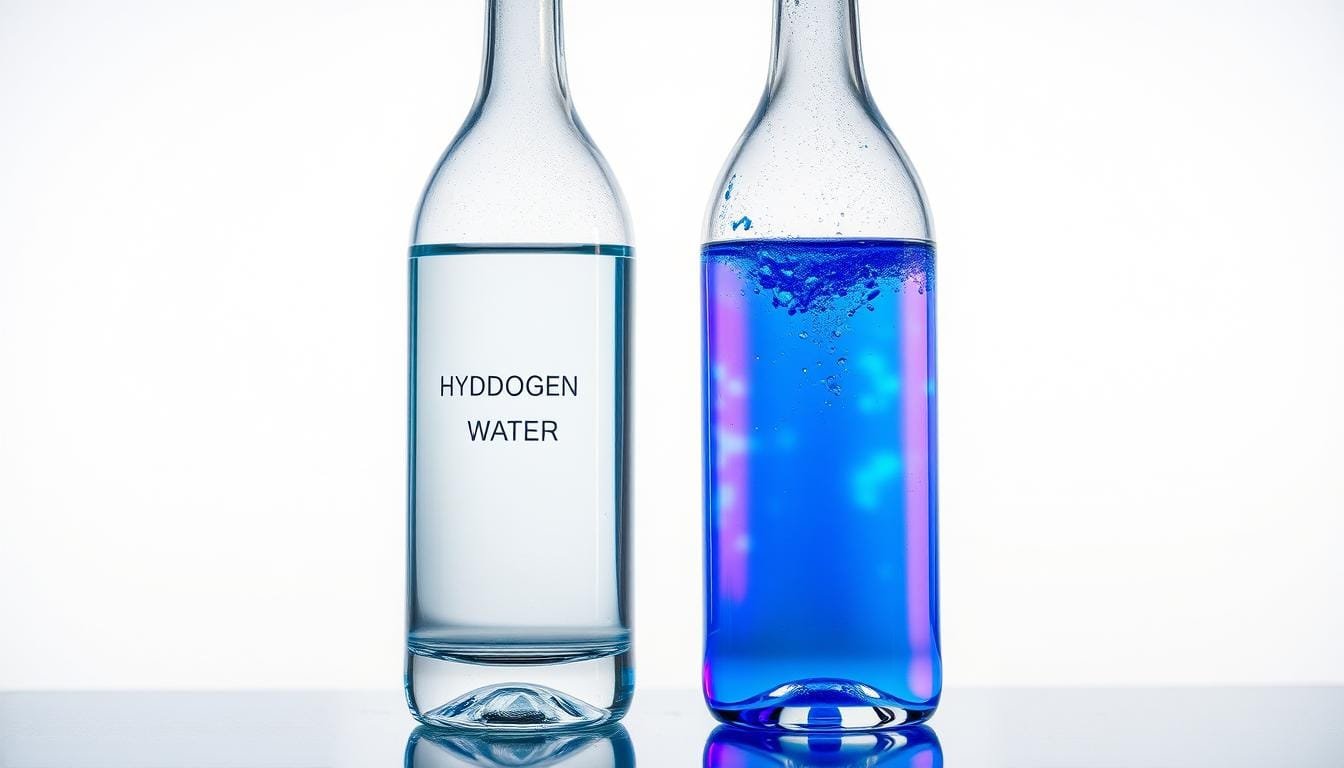
Can one simple choice in a bottle really change how people feel each day? This article invites readers in Malaysia to compare two popular options so they can decide what fits their goals.
The first option focuses on molecular hydrogen and its selective antioxidant action that may help reduce oxidative stress and target certain free radicals. Studies show promising effects, though research is still growing.
The other option centers on electrolysis and changing pH to create alkaline or acidic streams. It is often discussed for reflux support and taste differences, but some claims need more proof.
Practical concerns matter: portability and cost range from bottles and tablets to under-sink ionizers. For help comparing features and claims, Wellness Concept offers friendly guidance via WhatsApp at +60123822655 during Malaysia business hours: Monday–Friday 9:30 am–6:30 pm and Saturday–Sunday 10 am–5 pm.
Key Takeaways
- Hydrogen-focused products target molecular action and antioxidant potential.
- Ionizers emphasize pH shifts and alkaline output, with different uses and tastes.
- Research for antioxidant effects is growing; broader pH claims face more scrutiny.
- Costs and devices vary widely—portable options versus installed systems.
- Consider personal health goals, taste, and budget when choosing.
- Wellness Concept can help compare options via WhatsApp during Malaysian hours.
Understanding the debate: hydrogen water vs ionized water
People in Malaysia frequently want to know how dissolved H₂ differs from electrolysis-created alkaline streams. Readers search for quick differences, real benefits, and a straightforward way to choose for energy, recovery, or digestion.
What people in Malaysia are searching for right now
Top questions include what molecular hydrogen is, how electrolysis changes pH, and whether one option gives clearer health benefits. Interest centers on antioxidant effects, reflux support for alkaline options, and device practicality.
Search intent: quick differences, real benefits, and how to choose
People seek plain answers: short comparisons, summaries of studies, and practical factors like taste, maintenance, and cost. Daily habits matter — some prefer portable bottles, others prefer fixed ionizers for home use.
| Question | Focus | Common concern | Local note (Malaysia) |
|---|---|---|---|
| What is it? | Dissolved H₂ | H₂ levels and effects | Portable devices are popular |
| How does it work? | Electrolysis and pH | Alkaline claims and taste | Installation and source vary by region |
| What do studies say? | Emerging antioxidant research | Broad alkalinity claims need more proof | Ask local suppliers about maintenance |
Hydrogen water and ionized water explained
A quick, practical comparison helps readers in Malaysia match product types to daily goals. The focus here is on how each product is made, how it tastes, and where each may help most.
Hydrogen water: dissolved molecular hydrogen and antioxidant action
Hydrogen water is regular liquid with dissolved molecular hydrogen added by infusion devices, generators, or tablets.
The goal is to raise dissolved gas content to deliver potential antioxidant effects without changing pH much. This makes it a simple option for people who want recovery or antioxidant support.
Ionized water: electrolysis, alkaline vs acidic streams, and pH focus
Ionized water comes from water ionizers that split streams into alkaline and acidic outputs with pH commonly between 8 and 10 for the alkaline side.
The primary variable is pH and -ORP rather than guaranteed dissolved gas. Not every system creates meaningful dissolved hydrogen; special tech is needed to get both.
Key parameters at a glance: pH, H₂ content, taste, and use cases
| Parameter | Typical for hydrogen water | Typical for ionized water |
|---|---|---|
| pH | Near-neutral | Alkaline (8–10) or acidic |
| H₂ content | Measured dissolved gas from infusion | Variable; not always high unless designed for it |
| Taste & use | Cleanselike taste; for recovery and antioxidant support | Silky or slippery mouthfeel; used for cooking, drinking, cleaning, or topical acidic uses |
- Advantages: infusion systems are portable; ionizers give multiple outputs for home tasks.
- Choose by goals: antioxidant and recovery or a pH-focused appliance for specific household uses.
Hydrogen water benefits backed by emerging research
Studies are beginning to map how targeted antioxidant action may deliver practical health benefits. Early work suggests selective neutralization of harmful oxygen species while leaving beneficial signals intact. This selective action is the central idea behind recent findings.
Antioxidant properties: targeting free radicals and reducing oxidative stress
Molecular hydrogen acts as a selective antioxidant that can target damaging free radicals without blocking useful cellular signals. Foundational lab work (Ohsawa 2007) first described this selective effect.
Clinical studies followed. Nakao (2010) reported reduced biomarkers of oxidative stress in metabolic syndrome. Pilot trials in inflammatory conditions like rheumatoid arthritis (Ishibashi 2012) show promising signals, though samples were small.
Potential effects on recovery, energy, and metabolic health
Research into exercise and recovery (Song 2013) suggests possible improvements in soreness and energy metabolism after training. Together, studies indicate practical antioxidant benefits that could aid daily recovery and metabolic markers.
- Selective antioxidant properties aim to reduce oxidative stress without broad suppression of signaling.
- Evidence hints at faster post-exercise bounce-back and better metabolic indicators in some studies.
- Findings are early; consistent intake and freshness of dissolved levels matter for effects.
| Finding | Source | Practical note |
|---|---|---|
| Selective reduction of harmful radicals | Ohsawa 2007 | Targeted antioxidant action; preserves normal cell signals |
| Lower oxidative stress markers in metabolic syndrome | Nakao 2010 | May support metabolic health when used consistently |
| Pilot benefit in rheumatoid arthritis | Ishibashi 2012 | Promising but preliminary; larger trials needed |
| Exercise recovery and energy metabolism | Song 2013 | Early evidence for reduced soreness and faster recovery |
Ionized alkaline water: what it does and what the science says
Alkaline output from a countertop unit mainly alters pH rather than delivering a single biological agent.
Electrolysis separates streams to create alkaline and acidic outputs. Typical alkaline pH sits near 8–10 and many people use each stream for different household tasks.
One small study found pH 8.8 deactivated pepsin, suggesting possible help for reflux. That finding is promising but not a blanket endorsement of broad health benefits.
The body tightly controls internal pH, so drinking alkaline liquids rarely changes blood chemistry. Results depend on source levels, device design, and how a unit manages -ORP and dissolved gases. Not every water ionizer makes meaningful dissolved hydrogen.

| Feature | What it does | Practical note |
|---|---|---|
| pH change | Creates alkaline (8–10) and acidic streams | Useful for cooking, rinsing, or topical uses |
| -ORP | Can shift oxidation-reduction metrics | Varies by model and source levels |
| Dissolved gas | May be low unless designed otherwise | Check specs if hydrogen content matters |
How to read the research: treat single studies as clues, not guarantees. Readers in Malaysia may prefer tasting and home tests, or ask an expert.
For a clear comparison and local guidance, see the detailed guide at Wellness Concept’s comparison post.
Molecular hydrogen vs alkalinity: how they differ in the body
Mechanism matters more than marketing. One approach delivers small, neutral molecules that penetrate cells and may act on specific reactive species. The other changes the pH of a drink and influences surface chemistry in the digestive tract.
Selective antioxidant effects of H₂ and broader pH claims
Molecular hydrogen can diffuse quickly into tissues and reach cellular compartments. Studies starting with Ohsawa (2007) suggest it selectively neutralizes harmful free radicals without blocking useful signals, which links to reduced oxidative stress in some trials.
By contrast, alkaline water raises pH outside cells. This can change local conditions, but the body keeps blood pH tightly controlled. Broad claims that drinks will “balance” systemic acidity often ignore those homeostatic limits.
When alkaline choices may help — and when they won’t
Alkaline profiles can soothe the throat or reduce pepsin activity, so they may offer relief for reflux in some people. That is a situational, practical benefit rather than proof of wide systemic change.
“Choose based on goals: targeted antioxidant support for recovery or a pH profile that helps digestion and taste.”
Both approaches can fit a routine. Observe personal response, check reported levels and device claims, and pick what matches recovery, reflux sensitivity, or taste preferences.
Devices and costs: hydrogen water bottles, generators, and water ionizers
Choosing a device means balancing price, daily volume, and upkeep. Small units suit people who want portability. Installed systems suit families that want multiple outputs.
Hydrogen infusion options: bottles, machines, and tablets
Portable hydrogen water bottles cost about $80–$300 and fit a busy routine. Countertop hydrogen water machines and premium generators can top $1,000 for higher output and durability.
Water ionizers: electrolysis plates, alkaline/acidic outputs, and -ORP
Water ionizers use electrolysis plates to split alkaline acidic streams and adjust levels for different tasks. Not every model produces high dissolved hydrogen, so check the content and -ORP specs before buying.
Cost-benefit overview: investment, maintenance, and practicality
Ionizers range from roughly $1,000–$4,000. Filters typically need replacement every 6–12 months at $100–$300. Portable units and tablets cost less but may need more frequent top-ups.
- Advantages: portability and ease for bottles; whole-home function and multiple outputs for ionizers.
- Verify H₂ content if antioxidant action is the priority.
- Balance budget, expected daily use, and filter schedules for the best ownership experience.
“Request a demonstration or test outputs to confirm claims before committing to a purchase.”
Real-world fit in Malaysia: who benefits from each type of water
Choices often come down to daily habits: gym bags, office desks, or family kitchens.
Athletes and busy professionals
Hydrogen water is popular with active people who want quick recovery and simple hydration on the go. Portable bottles suit commuters and gym-goers. They drop one in a bag and use it between sessions.
Families and kitchen-focused users
Ionized water appeals to households that want multiple outputs for cooking, rinsing, or soothing reflux. Under-sink or countertop units serve several people and reduce the need for multiple bottles.
- Choose based on taste, daily schedule, and reflux sensitivity.
- Try portable bottles for solo routines; choose installed units for shared kitchen tasks.
- Track any changes for a few weeks before judging effects.
| User | Suggested option | Main benefit | Local note (Malaysia) |
|---|---|---|---|
| Athlete / Fitness | Portable hydrogen water bottle | Recovery and quick hydration | Easy to carry between gym and office |
| Busy professional | Small bottle or desk unit | Convenient daily hydration | Fits commutes and work routines |
| Family / Kitchen | Under-sink ionized system | Multiple pH outputs for cooking and cleaning | Serves several people and tasks |
| Reflux-sensitive | Alkaline profiles from ionizers | May help soothe throat or reflux episodes | Try short trial and note personal response |
Local support: Wellness Concept helps Malaysian customers choose and set up units. Message WhatsApp +60123822655 during business hours for tailored advice.
How to choose with confidence—and where Wellness Concept can help
Start by deciding which benefit matters most—targeted antioxidant support or pH-focused versatility. That quick check narrows choices and saves time when comparing devices and claims.
Match goals to water type: antioxidants, pH focus, or both
Choose hydrogen water if antioxidant benefits and recovery are the priority. Studies and research tend to support targeted antioxidant benefits that may help reduce oxidative stress.
Choose alkaline outputs when kitchen use, reflux relief, or multi-output convenience matters. Some people prefer the taste and household versatility of water alkaline profiles.
Talk to Wellness Concept today: WhatsApp +60123822655
Compare a portable infusion or compact bottle to larger water machines and installed water ionizers by asking about installation space, maintenance cycles, and daily output.
Short trials are recommended — try an option for a few weeks to see effects on hydration and daily energy before spending more.
Business hours (Malaysia)
Message Wellness Concept on WhatsApp at +60123822655. Business hours: Mon–Fri 9:30 am–6:30 pm; Sat–Sun 10 am–5 pm.
“Wellness Concept helps people understand hydrogen water machines, water ionizers, and mixed-output solutions in plain language.”
Conclusion
In short, the two approaches are different, and choosing depends on clear goals and practical needs.
Molecular hydrogen targets selective antioxidant effects and may help reduce oxidative stress in some studies. By contrast, alkaline outputs focus on pH and can be useful for reflux or kitchen tasks.
Some modern systems combine alkaline output with dissolved gas, so households can cover taste, reflux and antioxidant interests with one unit. Consider installation, filter upkeep, and daily output when deciding between a portable infusion and a built-in water machine or water ionizers.
Balance current research with personal experience. Try a short trial, watch hydration and energy, and seek expert local advice before investing.
FAQ
What is the main difference between hydrogen water and ionized water?
The key distinction lies in mechanism and target. One delivers dissolved molecular H₂ that acts as a selective antioxidant at the cellular level. The other changes pH via electrolysis to produce alkaline and acidic streams, with claims centered on pH balance and reduced oxidation-reduction potential (-ORP).
Are there proven health benefits for people who drink hydrogen-enriched water?
Emerging studies suggest potential benefits such as reduced oxidative stress, faster recovery after exercise, and support for metabolic health. Research is growing but not yet definitive; results often depend on H₂ concentration, duration, and study design.
Does alkaline ionized water provide the same antioxidant effects as molecular H₂?
No. Alkalinity changes pH and can lower -ORP temporarily, but it does not provide the selective antioxidant signaling effects that dissolved H₂ delivers. The two work through different biological pathways.
Can either type of treated water help with acid reflux or digestive issues?
Some people report relief from reflux with alkaline streams because temporary pH change may neutralize stomach acid. Evidence is mixed; those with persistent symptoms should consult a clinician before relying on pH-altered water as a treatment.
How should someone choose between a hydrogen generator, tablet, or a water ionizer?
Choice depends on goals and budget. Portable H₂ bottles or tablets are convenient for antioxidant support. Standalone generators offer higher, consistent concentrations for frequent use. Ionizers suit users focused on pH management and household filtration plus alkaline output.
Is it safe to drink either type daily?
Generally yes for most healthy adults. Both options are widely used and typically safe when devices meet quality standards and source tap or filtered water is clean. People with specific medical conditions or on medications should check with a healthcare provider.
How long does dissolved H₂ remain in a bottle, and does temperature matter?
Dissolved gas dissipates over hours, faster if the container is open or warm. Cold, sealed bottles retain higher concentrations longer. For best effect, consume soon after generation or infusion.
Do water ionizers remove contaminants like a typical filter?
Many ionizers include built-in carbon or multi-stage filters that reduce chlorine, sediment, and some contaminants. However, not all models offer complete filtration; users should verify filter specifications and consider pre-treatment for poor source water.
Will drinking this treated water replace other antioxidant strategies like diet and exercise?
No. Treated beverages can complement a healthy lifestyle but should not replace a balanced diet rich in fruits and vegetables, regular exercise, sleep, or medical care. They are one tool among many for reducing oxidative stress.
How can consumers in Malaysia test product claims for H₂ concentration or -ORP?
Reliable vendors provide third-party lab reports or in-device readouts. Buyers can look for certificates showing mg/L H₂ and independent -ORP testing. Local retailers like Wellness Concept can often demonstrate units and share test data.
What maintenance is required for generators and ionizers?
Maintenance varies: replaceable filters, periodic plate cleaning for ionizers, and cartridge changes for some H₂ generators. Following manufacturer schedules preserves performance and water quality, and reduces long-term costs.
Are there particular brands or certifications consumers should look for?
Seek manufacturers with transparent testing, CE/ISO certifications where applicable, and positive third-party reviews. Reputable names provide clear specs for H₂ output, pH range, and filtration performance; verify warranty and local service options.
Can athletes expect performance or recovery gains from using H₂-enriched fluids?
Some studies and athlete reports indicate improved recovery and reduced muscle fatigue, likely due to lower oxidative stress and inflammation. Effects vary by individual, training load, and concentration consumed, so results are not guaranteed.
How does cost compare between portable hydrogen bottles, tablet options, and full water ionizers?
Portable bottles and tablets have lower upfront cost but ongoing consumable expenses. Generators cost more initially but often deliver higher output per use. Ionizers are the largest investment, offering continuous home use and pH control. Consider frequency of use and maintenance when comparing value.
Where can someone in Malaysia get reliable advice or try devices before buying?
Authorized retailers and specialists like Wellness Concept provide consultations, demos, and test data. They can match goals—antioxidant support, pH focus, or both—to suitable devices and explain local service and warranty details.