
Currently Empty: RM0.00

0 Comments
Wellness Concept explains how friendly bacteria can help the gut manage daily discomfort. The guide focuses on practical steps that fit Malaysian routines.
They cover fermented foods, supplements, timing (often 30 minutes before breakfast), and gentle troubleshooting for temporary bloating as the gut adapts.

The plan sets simple expectations: consistent intake tends to show benefits in a few weeks. Readers will learn about strains, dosing, food pairings, and ways to support immune balance without overcomplicating the process.
Local help is available via WhatsApp at +60123822655 during business hours: Monday–Friday 9:30 am–6:30 pm, Saturday 10 am–5 pm (Sunday closed).
Key Takeaways
- Specific strains can influence immune signaling related to swelling.
- Try fermented foods or supplements taken ~30 minutes before breakfast for best survival.
- Most people notice changes in 2–4 weeks of steady use.
- Temporary bloating may occur; the guide offers gentle fixes.
- Wellness Concept offers tailored advice on WhatsApp at +60123822655.
How probiotics can help reduce puffiness and inflammation: what they are and why they matter
Understanding live cultures helps people see why gut balance matters for comfort and digestion.
Probiotics are live microorganisms, often called beneficial bacteria, that support the gut’s daily functions. They join existing gut bacteria and help strengthen the gut lining.
Certain strains, like Lactobacillus and Bifidobacterium, produce short-chain fatty acids that feed gut cells. That nourishment supports barrier integrity and calmer immune signaling tied to swelling and bloating.
A healthy microbiome improves digestion and overall health. Effects depend on specific strains and steady intake, not a single dose. Many people notice gentler digestion and less bloating within a few weeks.
- Sources: fermented foods (yogurt, kefir, kimchi, sauerkraut) or tailored supplements.
- Everyone’s gut is unique; try gentle experimentation and track symptoms.
For help choosing foods or a product, contact Wellness Concept on WhatsApp at +60123822655. Service is available Monday–Saturday during business hours.
The science-backed link between the gut microbiome, immune responses, and swelling
Research now links gut microbial balance to immune signals that influence tissue swelling and daily comfort.
Barrier integrity, short-chain fatty acids, and immune signaling
Beneficial bacteria strengthen the gut lining so unwanted compounds stay out of circulation. This barrier function helps limit immune triggers that can lead to visible swelling and discomfort.
Certain strains boost short-chain fatty acid production, which feeds lining cells and calms cytokine activity. That process supports longer-term balance and gentler immune responses in the digestive tract.
What clinical reviews suggest about IBS, bloating, and inflammation
A 2018 analysis of multiple trials found that probiotics eased irritable bowel syndrome and lowered bloating for many participants. A Stanford trial showed ten weeks of more fermented foods raised microbial diversity and cut markers of inflammation.
Some people see more gas at first as the microbiome adapts, but steady intake often leads to fewer symptoms over weeks. For practical help in Malaysia, readers can contact Wellness Concept on WhatsApp at +60123822655, Monday–Saturday, to apply this evidence to daily routines.
Reduce puffiness and inflammation with probiotic: a simple how-to roadmap
Small changes in routine can create steady benefits for gut comfort over weeks.
Start small. Many adults begin at 1–10 billion CFU daily and increase slowly if needed. A lower dose helps the gut adapt and lowers the chance of early upset.
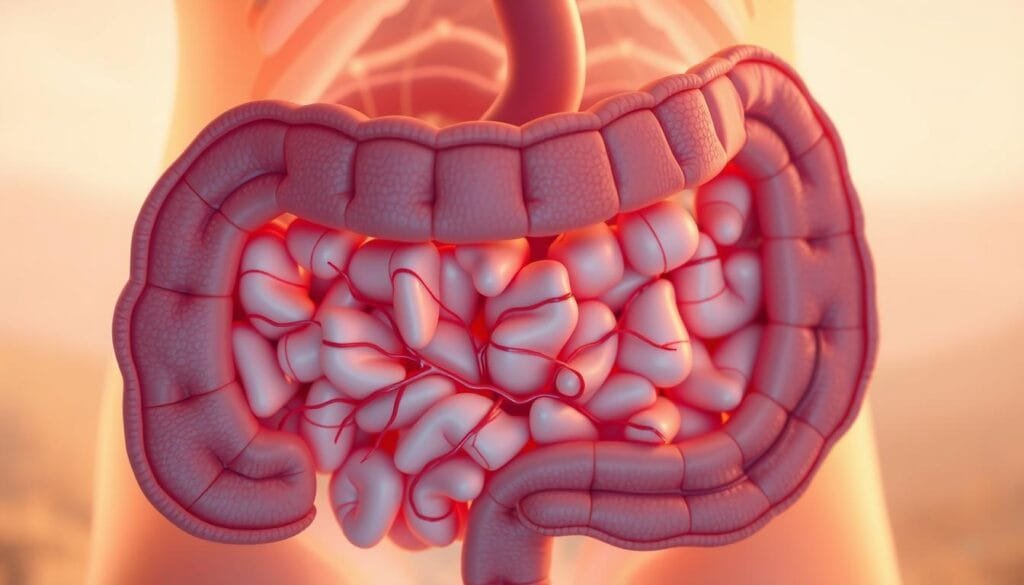
Start small, be consistent, and track symptom changes over weeks
Take a capsule about 30 minutes before breakfast to improve survival through stomach acid. Pair that morning dose with a fermented food at lunch or dinner to keep exposure steady.
- Keep a simple weekly tracker for bloating, abdominal comfort, and stool regularity.
- Maintain the same routine for at least 2–4 weeks before changing products or dose.
- If symptoms appear, lower the dose or skip a day until comfort returns.
- Add one variable at a time—new strain or new food—to see what helps.
- Busy people can use a daily alarm and a quick notes app entry to track trends.
Longer view: benefits often start in 2–4 weeks and build over 6 weeks or more as balance improves. For personalised pacing and product choices, contact Wellness Concept on WhatsApp at +60123822655. Support hours: Mon–Fri 9:30 am–6:30 pm, Sat 10 am–5 pm; Sun closed.
Choosing the right strains for comfort: Lactobacillus, Bifidobacterium, and more
Choosing targeted strains helps people match microbial tools to specific digestive goals.
Lactobacillus acidophilus: easing digestion and supporting IBS symptoms
Lactobacillus acidophilus is linked to better stool consistency in irritable bowel and can ease dairy digestion.
Clinical evidence shows it may improve bowel comfort for some people with ibs.
Bifidobacterium lactis: helping with gas, bloating, and regularity
Bifidobacterium lactis has been associated with fewer bloating episodes and steadier stool regularity after several weeks.
Bifidobacterium infantis and Saccharomyces boulardii: calming flare-ups and protecting balance
Bifidobacterium infantis can help moderate cytokine signals that drive flare-ups.
Saccharomyces boulardii supports microbial balance, especially during or after antibiotics.
“Different strains act like specialized tools, each targeting a distinct aspect of digestive comfort.”
- Combine strains thoughtfully to cover bloating, gas control, and regularity.
- Introduce new bacteria slowly to reduce temporary adjustment symptoms.
- Track which strains link to better daily comfort before changing products.
Practical note: For personalised strain guidance in Malaysia, readers can request help via WhatsApp at +60123822655 during business hours.
Food or supplement? Practical ways to get beneficial bacteria daily
Small daily choices shape the mix of helpful microbes in the gut.
Fermented options are easy to add. Live yogurt, kefir, kimchi, and sauerkraut deliver natural cultures and flavor. A Stanford trial showed that rising fermented foods over ten weeks raised microbial diversity and lowered markers of inflammation.
Simple serving ideas
- Yogurt with fruit at breakfast.
- Kefir as a quick smoothie base.
- Kimchi with rice or a light lunch.
- Sauerkraut alongside grilled protein.
Smart supplement use
Supplements give precise strains and CFU. Common starter ranges are 1–10 billion CFU daily. Take a capsule about 30 minutes before breakfast to improve survival through stomach acid.
Morning vs evening dosing
Morning dosing helps acid survival. Evening doses pair well with a light snack. Combining fermented foods and a measured supplement can broaden daily exposure to beneficial bacteria and support digestion.
“Pair foods and supplements thoughtfully, then track changes over several weeks.”
| Option | When | Why |
|---|---|---|
| Yogurt / kefir | Morning or snack | Easy, diverse bacteria; fits diet |
| Kimchi / sauerkraut | Lunch or dinner | Adds flavour and live cultures |
| Supplement (1–10B CFU) | 30 min before breakfast or evening | Measured strains for specific goals |
Mild gas or bloating can happen at first but often eases as the gut adapts. For local product options and meal ideas in Malaysia, message Wellness Concept on WhatsApp at +60123822655. Hours: Mon–Fri 9:30 am–6:30 pm, Sat 10 am–5 pm; Sun closed.
Pair probiotics with prebiotics and lifestyle habits for lasting results
Small meal tweaks and regular habits often make the microbiome more resilient over weeks.
Prebiotics are fermentable fiber that feed beneficial microbes and help probiotics settle. Foods like onions, garlic, leeks, asparagus, bananas, whole grains, and legumes support butyrate production and steadier digestion.
Pairing a fermented food with a prebiotic-rich side creates synergy at one meal. Start slowly and increase fiber over days to avoid extra gas while the gut adapts.
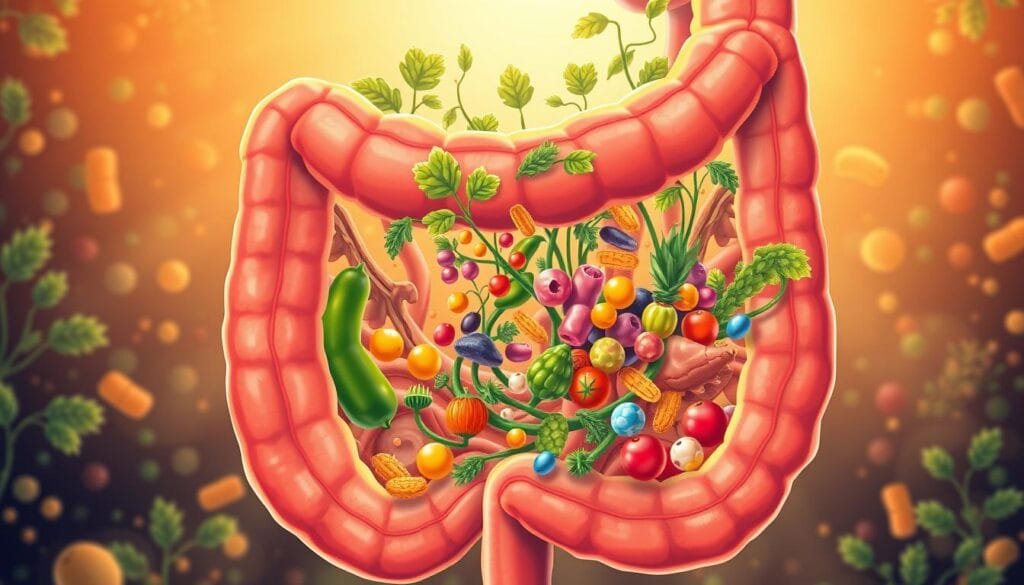
Diet swaps and daily habits to ease bloating
Choose whole foods over ultra-processed items to lower salt, fat, and artificial sweeteners that can add water retention and gas.
Gentle movement, steady hydration, and short breathing breaks support motility and stress resilience. Tracking which foods link to better days helps long-term management.
“Feed helpful microbes first, then support them with simple habits—small steps build lasting balance.”
| Prebiotic food | Typical serving | Why it helps |
|---|---|---|
| Onion / garlic | 1–2 tbsp cooked | Contains inulin and FOS to feed good microbes |
| Banana / whole grains | 1 medium banana / ½ cup cooked grains | Gentle fiber for steady fermentation and butyrate |
| Leeks / asparagus / legumes | ½ cup cooked | High fermentable fiber supports microbial diversity |
- Introduce prebiotics gradually to limit early bloating.
- Pair a probiotic food or supplement with a prebiotic side for best results.
- Use a simple tracker to note which habits ease symptoms and pain.
For Malaysian meal ideas that match local tastes and schedules, message Wellness Concept on WhatsApp at +60123822655. For guidance on product choice, see what probiotic should I take for.
Troubleshooting: when probiotics cause temporary gas or bloating
When the gut ecosystem shifts, mild gas or fullness can appear before things improve. This is a common short-term effect as beneficial bacteria settle in.
Adjust dose and timing
Lower the CFU or pause for a few days if bloating or gas feels bothersome. Restart at a smaller dose, then raise gradually.
Choose strains to match symptoms
Lactobacillus can ease bloating for some people. Bifidobacterium often helps regularity and lessens abdominal pain linked to irritable bowel.
Simple habit fixes
- Eat slowly and chew well to cut swallowed air.
- Try light walks after meals to ease gas and discomfort.
- Re-introduce fermented foods in small portions if large servings caused upset.
Track, test, and get help
Keep notes on stool form, gas patterns, and other symptoms to guide changes. If issues persist or are severe, evaluation for lactose intolerance or other disorders is wise.
Need personalised help? Message Wellness Concept on WhatsApp at +60123822655. Support hours: Mon–Fri 9:30 am–6:30 pm, Sat 10 am–5 pm.
Personalized guidance in Malaysia: Wellness Concept support and hours
A short chat on WhatsApp can clarify which strains best match a person’s symptoms and daily life.
Chat on WhatsApp at +60123822655 for tailored strain and product advice
Wellness Concept offers one-to-one help so people can match strains and CFU to bowel and gut goals.
- They compare products and explain labels to fit budget and routine.
- Food-first plans use fermented items and prebiotic staples when preferred.
- Timing advice—morning or evening—will match work and meal patterns.
- Simple trackers and gradual tweaks help long-term management of symptoms.
“Local experts turn clinical evidence into practical steps for daily gut health.”
Business hours: Mon–Fri 9:30 am–6:30 pm, Sat 10 am–5 pm; Sun Closed
They coordinate follow-ups during business hours and share tips for Malaysian groceries and dining. This support helps people adopt probiotics and lifestyle habits with less trial and error.
| Service | What they cover | Best for |
|---|---|---|
| One-to-one consultation | Strain choice, CFU range, symptom mapping | Targeted bowel or gut symptoms |
| Product comparison | Label reading, product fit, budget options | Choosing supplements and food products |
| Meal & habit plan | Food-first menus, timing, tracking methods | Daily management and lasting gut health |
Message +60123822655 during Monday–Saturday hours for personalised support and practical next steps with products, probiotics, and gut-friendly bacteria.
Conclusion
Small, consistent steps made each day help the microbiome settle and support calmer digestion.
Wellness Concept says steady intake of fermented foods and chosen supplements can raise microbial diversity and lower markers of inflammation over weeks. Pairing probiotics with prebiotics, a balanced diet, hydration, and light movement builds lasting gut health.
Most people notice changes in 2–4 weeks; mild gas or bloating may appear and can be managed by adjusting dose or timing. Track symptoms and bowel comfort to spot what helps the body most.
For personalised advice in Malaysia, message Wellness Concept on WhatsApp at +60123822655. Hours: Mon–Fri 9:30 am–6:30 pm; Sat 10 am–5 pm.
FAQ
What is the Wellness Concept approach to easing puffiness and swelling using beneficial bacteria?
Wellness Concept recommends a gut-first approach that uses specific strains of beneficial bacteria and diet changes to support barrier function, reduce immune-driven swelling, and ease digestive discomfort. They focus on clinically studied strains, prebiotic fibers, fermented foods like yogurt and kefir, and gradual lifestyle shifts rather than quick fixes.
How do gut bacteria influence immune responses and visible swelling?
The gut microbiome helps maintain the intestinal barrier, produces short-chain fatty acids that calm immune signaling, and shapes systemic inflammation. When the microbiome is balanced, it lowers signals that can drive fluid retention and tissue swelling, which can help ease sensations of bloating and abdominal pain.
Which scientific mechanisms support using beneficial microbes for IBS, gas, and bloating?
Research highlights barrier integrity, short-chain fatty acids (like butyrate), and modulation of immune cells as key pathways. Clinical reviews note that some strains reduce abdominal pain, normalize bowel habits, and lessen gas and bloating in people with irritable bowel syndrome.
What is a simple, practical roadmap to start improving gut comfort?
Start small by adding one fermented food or a low-dose supplement, be consistent for several weeks, and log symptoms. Gradual changes help identify what helps or triggers symptoms. Track bowel habits, bloating, and pain to evaluate progress over 4–12 weeks.
Which strains should people consider for digestion and comfort?
Useful strains include Lactobacillus species to support digestion and IBS symptoms, Bifidobacterium lactis for gas and regularity, Bifidobacterium infantis for calming flare-ups, and Saccharomyces boulardii to protect balance during disturbances like antibiotics.
How does Lactobacillus acidophilus help with digestion and IBS symptoms?
Lactobacillus acidophilus can aid digestion by helping break down lactose and supporting a balanced microbiome. It may reduce discomfort for some people with irritable bowel symptoms and help lower gas production when combined with the right diet.
What foods and supplements offer the best daily sources of beneficial bacteria?
Fermented foods such as yogurt, kefir, kimchi, and sauerkraut provide live cultures. For consistent dosing, standardized supplements offer targeted strains and CFU counts. Pairing both food and supplements often gives the best practical results.
How should someone choose CFU range, timing, and duration for supplements?
Typical daily CFU ranges vary by product and strain. Start with a moderate dose, follow label guidance, and use for at least 4–12 weeks to assess effect. Timing can be flexible, but pairing with a meal may improve survival through the stomach.
Is it better to take probiotics in the morning or evening?
Both can work. Morning dosing with breakfast suits many people, while others prefer evening. The key is consistent daily use. Some strains tolerate stomach acid better and are less dependent on timing.
What prebiotic fibers support beneficial bacteria and reduce bloating long term?
Prebiotic fibers such as inulin, fructooligosaccharides (FOS), resistant starches, and certain oligosaccharides feed good bacteria. Introducing them slowly and pairing with hydration helps limit temporary gas as the microbiome adapts.
Which diet swaps and lifestyle habits help reduce bloating?
Simple swaps include increasing fiber slowly, choosing fermented foods, reducing excess salt, and limiting gas-producing large servings of legumes and cruciferous vegetables until tolerance improves. Staying hydrated and engaging in gentle movement supports digestion and reduces fluid retention.
What should someone do if probiotics cause temporary gas or bloating?
They should lower the dose, pause for a few days, then reintroduce slowly. Switching to different strains or taking a product with lower CFU can help. If symptoms persist beyond a few weeks, consult a healthcare professional for personalized advice.
How can individuals in Malaysia get personalized guidance from Wellness Concept?
Wellness Concept offers tailored strain and product advice via WhatsApp at +60123822655. They provide recommendations based on symptoms, diet, and goals to help choose strains, CFU ranges, and appropriate food or supplement strategies.
What are the Wellness Concept business hours for support?
Their hours are Mon–Fri 9:30 am–6:30 pm and Sat 10:00 am–5:00 pm. They are closed on Sunday. Customers can use the WhatsApp number during business hours for a faster response.