
Currently Empty: RM0.00
0 Comments
Surprising fact: studies show that up to 70% of the body’s immune activity is linked to the gut, highlighting how much small microbes can matter.
Wellness Concept explains what this means for everyday health. Readers will learn what probiotics are, how they differ from harmful microbes, and which steps help the gut support overall wellness.

This short guide sets clear expectations. It outlines the potential benefits and notes that outcomes depend on strain, dose, and duration. It also points to current research and why realistic plans beat quick fixes.
People across Malaysia — busy families, working adults, and older adults — can get tailored advice. For personalized support, contact Wellness Concept via WhatsApp at +60123822655 during business hours: Mon–Fri 9:30 am–6:30 pm; Sat 10 am–5 pm; Sun Closed.
Key Takeaways
- Gut microbes play a central role in how the immune system communicates.
- Certain probiotics can help restore balance and may reduce inflammation.
- Benefits vary by strain, dose, and how long someone uses them.
- Start with food, add a targeted supplement if needed, and stay consistent.
- Research is growing; professional guidance helps avoid trial-and-error.
- Wellness Concept offers WhatsApp support for product choice and safe use.
Why this how-to guide matters for Malaysia’s health-conscious readers
Malaysia’s dynamic food culture and city routines make practical gut advice valuable for daily health.
This guide turns research into steps that fit local habits. It shows how fermented foods like yogurt, kefir, miso, kimchi, and sauerkraut add live cultures to meals.
Everyday stress and sleep loss can weaken body systems and raise infection risk. Small food choices add up and can change results over weeks.
- Practical pairing: match fermented items with familiar dishes for easy adoption.
- When to use supplements: consider convenience, tolerance, and goals.
- Track outcomes: note infection frequency, digestion, and energy.
Wellness Concept helps people personalise plans. Message WhatsApp +60123822655 for tailored advice. Business hours: Mon–Fri 9:30 am–6:30 pm; Sat 10 am–5 pm; Sun Closed.
| Approach | Benefits | Practical note |
|---|---|---|
| Fermented foods | Live cultures, lowers inflammation | Easy to add to local dishes |
| Targeted supplements | Strain-specific results | Best when matched to goals |
| Lifestyle habits | Reduces stress impact on gut | Sleep, activity, and diet matter |
Understanding probiotics and your immune system basics
Knowing what live cultures do makes it easier to pick useful products and foods.
What probiotics are and how they differ from harmful bacteria
Probiotics are live microbes taken to help correct dysbiosis by adding helpful strains to the gut microbiome. Common species include L. acidophilus, L. rhamnosus, L. casei, L. plantarum, B. longum, and B. breve.
They differ from harmful bacteria because they support balance rather than causing infection or releasing toxins. Fermented foods and oral supplements both deliver live cultures, but product labels must show viable counts and strain IDs for transparency.
Key immune components probiotics interact with
The gut is watched closely by the immune system. Many immune cells sample microbes and shape responses that affect the whole body.
- Gut-associated lymphoid tissue helps monitor microbes.
- Dendritic cells, T cells, and B cells coordinate defense and tolerance.
- IgA-producing cells help block unwanted microbes at the mucosal surface.
Not all probiotics are the same. Different species and strains have specific effects, so quality matters. A reliable product shows survivability data so microbes reach the intestine and can work.
For personalized product selection and questions about quality, message Wellness Concept on WhatsApp at +60123822655 during business hours.
The gut-immune axis explained in plain language
Understanding how the microbiome talks to the body makes health choices more practical.
Certain microbes in the gut send clear signals to immune cells. They help teach T cells, B cells, and dendritic cells when to calm down and when to act. This training lowers unnecessary inflammation and supports steady defense.
How beneficial bacteria support tolerance and reduce inflammation
Some friendly bacteria make short-chain fatty acids (SCFAs). SCFAs feed colon cells and cut inflammation. They also help keep the intestinal lining strong so fewer microbes leak into the blood.
Short-chain fatty acids, the gut barrier, and systemic immunity
A firm barrier limits translocation and eases load on the immune system. When the barrier works, the whole system stays more balanced and less reactive in distant tissues.
When microbiome balance goes off and immunity pays the price
After antibiotics, illness, or poor diet, balance can shift. Dysbiosis may raise risk for infections, allergy, or chronic inflammation. Rebuilding variety through food and targeted supplements takes weeks, not days.
| Feature | What it does | Practical note |
|---|---|---|
| SCFAs | Reduce inflammation and fuel colon cells | Boost with fiber-rich local foods |
| Barrier | Limits microbe leakage to blood and tissues | Sleep, low stress, and good diet help |
| Dysbiosis | Links to IBD, allergy, obesity | Restore with diversity and consistent care |
Questions about translating this science to product choices? Message Wellness Concept on WhatsApp at +60123822655 during business hours for tailored advice.
Role of probiotics in a strong immune system
Research has begun to map how specific strains shift antibody production and innate responses across the gut and body.
Evidence-backed effects on antibody production and innate defenses
Certain probiotics can stimulate mucosal IgA responses that help block microbes where the gut meets the outside world.
They also modulate dendritic cells and may boost innate cells like NK cells, which act fast against invaders.
What research suggests—and what still needs more proof
Some trials report fewer coughs and shorter fever episodes with particular strains, but results vary by product, dose, and duration.
Overall benefits tend to be modest. Evidence is stronger for targeted outcomes, such as easing acute diarrhea, than for preventing all seasonal illness.
- Define a clear goal (fewer URTIs, better gut comfort) before choosing strains.
- Track simple metrics—days ill, symptom severity, energy—so results become clear.
- Coordinate supplements with diet and sleep to support the body’s adaptive responses.
Wellness Concept can help interpret study-backed strains and build a practical routine. Message WhatsApp +60123822655 during business hours for tailored guidance.
Choose the right strains for immune support
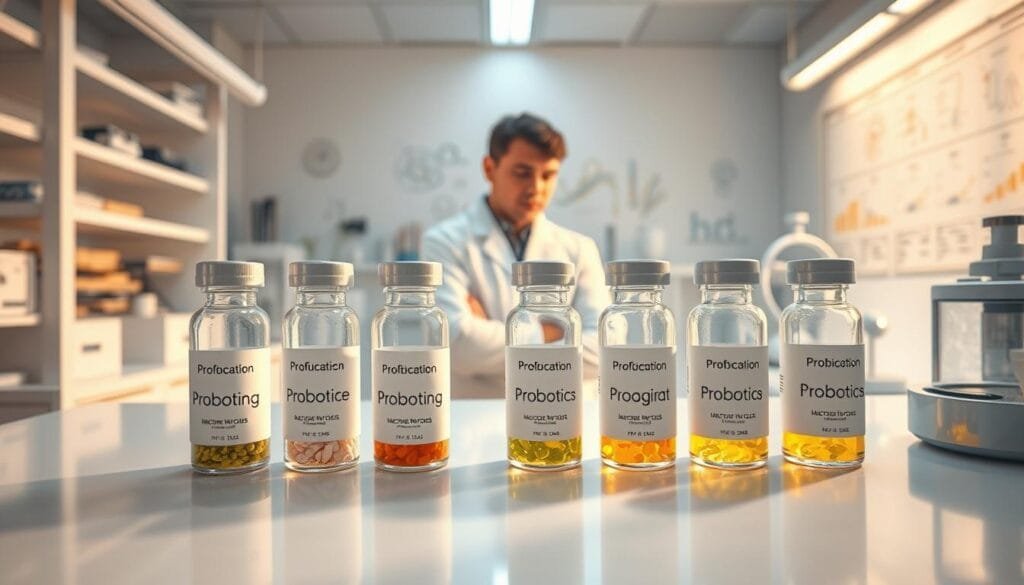
Picking the right strains makes the difference between vague benefit and measurable results. Start by matching a goal to proven species, then read labels before you buy.
Frequently studied genera include Lactobacillus (L. acidophilus, L. rhamnosus, L. casei, L. plantarum) and Bifidobacterium (B. longum, B. breve). These bacteria appear most often in trials that target gut comfort and immune outcomes.
Strain specificity and product checks
- Focus on strain IDs: benefits are strain-specific, not generic to a genus or brand.
- Label details: look for viable counts through shelf life and storage instructions to protect quality.
- Delivery: consider enteric-coated capsules or similar delivery if small intestine or colon delivery matters.
- Match the goal: choose a supplement or foods to suit travel, antibiotic recovery, or seasonal support.
- Complement with variety: add fermented foods for more touchpoints in the gut.
When to get medical advice
People with immune conditions, on medication, pregnant, or older should consult a doctor before starting new products. Careful selection keeps outcomes safe and aligned with research.
“Start with one product at a time so you can track effects clearly.”
Unsure which product suits your goals? Message Wellness Concept on WhatsApp +60123822655 (Mon–Fri 9:30 am–6:30 pm; Sat 10 am–5 pm; Sun Closed).
Food first or supplements? A practical path
Many people start with food first, then add a supplement when they need consistent results.
Fermented foods with live and active cultures
Choose familiar items that fit daily meals. Yogurt, kefir, miso, kimchi, sauerkraut, kombucha, and some cottage cheese or pickles labeled “live and active cultures” are good starters.
Mix these foods across the week—yogurt at breakfast, kimchi with rice, miso soup at dinner—to bring varied bacteria into the gut.
When a supplement may be more suitable
Supplements offer clear strain IDs and standardized viable counts when diet alone is impractical. They help during travel, after antibiotics, or when targeting a specific benefit.
If lactose-sensitive, pick lactose-free yogurts, non-dairy cultured options, or a capsule that suits digestion.
- Start with fermented food choices that match taste and routine; check labels for live cultures.
- Keep a product with strain IDs and potency if you need measurable results.
- Store cold items properly and follow label guidance to protect quality.
- Take capsules with meals unless instructions say otherwise to help microbes survive stomach acid.
- Pair fermented foods with fiber-rich items so beneficial microbes can thrive once they reach the intestine.
| Option | When to use | Practical tip |
|---|---|---|
| Fermented foods | Daily variety, mild goals | Rotate types weekly; check “live and active cultures” |
| Targeted supplement | Defined strain, travel, recovery | Choose clear strain IDs and potencies |
| Hybrid approach | Busy schedules with specific goals | Food-first plus short supplement course as needed |
For help choosing between foods and a supplement, WhatsApp Wellness Concept at +60123822655 during business hours.
How long probiotics take to show immune benefits
Expectations shape success; knowing a realistic timeline helps people stick with treatment.
Many users notice subtle gut changes and improved overall immune balance after about two to three weeks of daily use. This early shift reflects rising counts of helpful microbes and a slow drop in low-level inflammation.
For acute diarrhea, certain strains can shorten symptoms within roughly 48 hours. Those quick wins are strain-specific and backed by focused research.
Typical timelines for general wellness versus specific issues
- General wellness: 2–3 weeks for initial results.
- Acute diarrhea: ~2 days with effective strains.
- Upper respiratory goals: 8–12 weeks for measurable reductions in illness.
- Irritable bowel syndrome: allow at least 4 weeks to judge benefit.
Consistency, dose, and realistic expectations
Daily intake matters more than sporadic use. Follow label guidance on viable counts and avoid under-dosing when studies used higher regimens.
Track simple markers—sick days, symptom intensity, and energy—so changes match intake. If no improvement after a full trial, switching strains is often wiser than just increasing dose.
| Goal | Typical timeline | Practical note |
|---|---|---|
| General wellness | 2–3 weeks | Daily use; pair with fiber and sleep |
| Acute diarrhea | ~2 days | Choose well-studied strains for fast relief |
| Upper respiratory illness | 8–12 weeks | High-dose regimens in trials showed effects |
| Irritable bowel syndrome | ≥4 weeks | Assess for at least one month per strain |
“Consistency beats sporadic dosing; set a daily reminder and anchor intake to meals.”
For timeline planning and dosing questions, contact Wellness Concept on WhatsApp +60123822655 (Mon–Sat).
Dosage, quality, and safety checkpoints before you start
Not all live-culture products reach the lower gut, so survivability matters most. Before taking any supplement, users should confirm strain IDs, viable counts, and storage rules. These checks help ensure the product can deliver benefit.
Survivability through digestion and viable counts
Effective supplements must contain live microbes that survive processing and stomach acid. Look for labels that list strains and viable counts at the end of shelf life, not just at manufacture.
- Choose products that document end-of-life counts and testing standards.
- Prefer delivery technologies that protect bacteria through acid and bile to the lower gut.
- Verify strain IDs and match evidence to the intended goal; research is strain-specific.
Who should avoid or seek medical advice first
People with recent major surgery, central lines, or weakened immune systems should consult a doctor before use. Though rare, cases of bacterial or fungal infection have been reported with supplements.
- Start one product at the labeled dose and reassess after the trial window.
- If unusual symptoms appear, pause use and contact a healthcare professional.
- Buy brands that publish testing and storage guidance to protect quality in Malaysia’s climate.
For safe-start guidance, message Wellness Concept on WhatsApp at +60123822655 during business hours.
Build an immunity-friendly plate with Malaysian favorites
Simple menu swaps can turn everyday meals into practical tools for gut wellness. Small, consistent servings of fermented items plus fiber help nourish helpful microbes and support overall health.
Pairing probiotic foods with prebiotic fibers
Combine live-culture foods with fibers that feed them. Fermented options such as yogurt, kefir, kimchi, miso, and kombucha bring live cultures to the plate. Prebiotic fibers like inulin and fructo-oligosaccharides—found in bananas, oats, onion, and garlic—help those microbes thrive.
- Add kimchi or tempeh as a side to rice dishes for easy live cultures.
- Pair yogurt with banana and oats to supply both cultures and fuel.
- Choose whole grains and vegetables daily to feed beneficial bacteria and boost variety.
Simple swaps to support a balanced gut daily
Swap sugary drinks for kombucha or diluted kefir with lime for a lighter option. Use fermented condiments to add flavor while moderating fried foods.
Tip: small, regular servings beat occasional large portions. This steady approach helps lower low-level inflammation and supports the whole body.
For menu ideas and product pairing, WhatsApp Wellness Concept at +60123822655 (Mon–Sat).
Lifestyle habits that amplify probiotic benefits
Small daily habits shape how well gut microbes and the body’s defenses work together. Simple routines for sleep, movement, and stress help the gut support wider health and reduce chances of illness.
Sleep, stress management, and regular aerobic activity
Prioritize 7–9 hours of sleep. Sleep supports cytokine production that helps fight infections and keeps the immune system ready. Short walks, box breathing, prayer, or brief meditation lower stress quickly and protect gut rhythms.
Aim for 150 minutes of moderate aerobic activity weekly to improve circulation and resistance to common illness. These habits give added benefits when paired with cultured foods or a chosen supplement.
Alcohol moderation and smoke-free living
Keep alcohol moderate and avoid smoking. Excess drinking and tobacco harm gut integrity and weaken immune readiness. Cutting these habits preserves the benefits people seek from diet and supplements.
Outdoor time and balanced routines
Add brief outdoor time for sunlight and rhythm support. Hydrate, eat at regular times, and anchor probiotics to breakfast or toothbrushing so adherence improves.
“Combine lifestyle changes with your chosen probiotic to amplify benefits and reduce illness disruptions.”

For habit-stacking tips with your probiotic plan, contact Wellness Concept via WhatsApp +60123822655.
Supporting children’s immunity with probiotics
Small routines at home can strengthen a child’s defenses and help reduce common illness days. Many antibody-producing cells live in gut-associated tissues, so feeding the gut supports wider immunity.
Breastfeeding, vaccines, hygiene, and sleep basics
Start with foundations. Breastfeeding when possible, on-time vaccinations, regular handwashing, and steady sleep routines give children layered protection.
Balanced meals with fruit, vegetables, and fiber feed helpful gut microbes and provide steady energy for growth and health.
When to discuss strains and doses with a pediatrician
Pediatric use of probiotics should be discussed with a doctor, especially for infants, immunocompromised children, or those on medication. A clinician can reduce risk and match any treatment to age and need.
- Introduce fermented foods as age-appropriate and watch tolerance and preferences.
- For acute diarrhea, pediatricians may recommend specific strains and short-term dosing.
- If chronic digestive pain or irritable bowel features appear, ask about safe strain trials.
- Choose child-friendly formats—powders or drops that mix easily with familiar foods.
- Keep a simple symptom and illness log to track school attendance and energy.
“Avoid overpromising; these measures support the gut and work best with sleep, nutrition, and hygiene.”
Parents can WhatsApp Wellness Concept at +60123822655 for age-appropriate options and product guidance. Hours: Mon–Fri 9:30 am–6:30 pm; Sat 10 am–5 pm.
Managing IBS, diarrhea, and gut-related symptoms
Managing frequent bowel pain and loose stools calls for a mix of short-term care and longer trials. Start with clear goals: reduce pain, normalize bowel frequency, or shorten diarrhea episodes.
IBS trial periods require patience. For irritable bowel syndrome, commit to a single strain for at least four weeks before judging response. Keep a simple symptom tracker for bloating, pain, and bowel frequency to measure change.
Acute diarrhea support focuses first on hydration and electrolytes. Certain probiotics may cut symptom length to about two days, but effects are strain-specific and vary by person.
- Introduce only one new element at a time to spot what helps.
- Switch strains if no benefit after the trial window.
- Separate supplements from antibiotics by several hours when both are used.
- Seek care if fever, blood, or severe dehydration appear.
| Issue | Practical step | When to see a clinician |
|---|---|---|
| Irritable bowel syndrome | Single-strain trial ≥4 weeks; symptom log | No improvement after trial or worsening pain |
| Acute diarrhea | Hydration, electrolytes, short-term evidence-based strains | Persistent diarrhea >48–72 hrs or red flags |
| Diet flare | Use low-FODMAP options and reduce spicy/fried foods | Ongoing intolerance despite diet changes |
“People differ in how their gut and bacteria respond; work with a clinician to match research to your symptoms.”
For strain ideas and trial durations, message Wellness Concept on WhatsApp +60123822655 for personalised guidance.
A step-by-step plan to add probiotics to your routine
Pick one goal, one product, and one start date to avoid confusion and see real changes. This focused plan makes it easier to match strain evidence to practical needs and track outcomes over time.
Assess needs, select strains, set a start date.
- Define the goal: fewer seasonal sick days, better gut comfort, or recovery after antibiotics.
- Choose one product that lists strain IDs and viable counts so quality and evidence are clear.
- Set a start date and plan a trial window (4–12 weeks depending on the objective).
Daily schedule, food pairing, and habit stacking.
- Take the supplement with a meal to improve survivability through the stomach and help the body accept the microbes.
- Stack the habit: pair intake with breakfast, a phone alarm, or nightly toothbrushing to boost adherence.
- Add fermented foods with “live and active cultures” and fiber gradually to provide variety for the incoming microbes.
Adjustments based on tolerability and outcomes.
Monitor tolerability for 7–10 days; mild gas can be normal and often eases. Track simple weekly markers—energy, digestion, and sick days—to see early signs of benefits.
If results are unclear after the trial, revisit strain fit, dose, or product quality. Store products per label to protect potency in Malaysia’s climate and build a quarterly review to refresh the plan.
| Step | Action | Practical tip |
|---|---|---|
| Assess | Define goal and pick strain-aligned product | Use labels with strain IDs and end-of-life counts |
| Start | Set date and daily routine | Take with meals; stack with a habit |
| Support | Add fermented foods and fiber | Rotate types weekly for variety |
| Review | Track tolerability and results | Adjust dose or switch product after trial window |
“Consistency over weeks gives the best chance to see real benefits.”
For personalised plans, WhatsApp Wellness Concept at +60123822655. Hours: Mon–Fri 9:30 am–6:30 pm; Sat 10 am–5 pm.
Track your results like a pro
A weekly log turns small changes into visible progress over time. Simple records make it easy to compare baseline status with later weeks and spot real results.
Symptom logs, illness frequency, and energy levels
Use a simple tracker for symptoms, illness frequency, energy, and digestion. Note sleep and stress too, since they affect how the body responds.
Compare baseline to weeks 2–3 and weeks 8–12 to judge if changes match trial timelines shown by research. Celebrate small wins like shorter colds or steadier energy as signs the gut environment is shifting.
When to escalate, switch strains, or pause
If infections persist or symptoms do not budge after a full trial, consider switching to a strain with stronger evidence for your goal. Escalate dose only within label guidance; more is not always better.
Pause and consult a healthcare provider if unusual adverse effects appear. For troubleshooting and next steps, message Wellness Concept via WhatsApp at discover probiotic perfect for busy lifestyles.
| What to track | When to compare | Next step |
|---|---|---|
| Symptoms & digestion | Baseline → weeks 2–3 | Adjust strain or dose |
| Illness frequency | Baseline → weeks 8–12 | Switch to evidence-backed option |
| Energy & recovery | Weekly notes | Keep lifestyle context (sleep, diet) |
| Adverse signs | Any time | Pause and seek care |
“Keep clear records; concrete data speeds better guidance.”
Talk to Wellness Concept for personalized guidance
Wellness Concept helps people choose the right products for local needs, matching quality and safety to daily routines. Expert support shortens trial-and-error and clarifies what to expect from your plan.
WhatsApp +60123822655 for support and product advice
Message during business hours for tailored help selecting a product with clear strain IDs, viable counts, and storage guidance suited to Malaysia’s climate.
Business hours
Monday 9:30 am-6:30 pm; Tuesday 9:30 am-6:30 pm; Wednesday 9:30 am-6:30 pm; Thursday 9:30 am-6:30 pm; Friday 9:30 am-6:30 pm; Saturday 10 am-5 pm; Sunday Closed.
- Get tailored advice on choosing products, formats, and the right use for your routine.
- Explore a range of capsules, powders, and cultured foods if diet alone misses the benefits you want.
- Review label checkpoints so quality and potency stay protected at home.
- Discuss safety if you have medical conditions that raise infection risk; some people should consult a clinician first.
- Set up simple tracking so an advisor can refine your plan and measure real change in systems that support health and immune responses.
Conclusion
Summing up shows how gut balance, lifestyle choices, and careful product selection together shape health outcomes. A resilient gut ecosystem helps educate immune cells, keep the barrier intact, and lower inflammatory effects that travel through the blood.
Probiotics can help restore balance, but benefits depend on species, strain, dose, and steady use. Dysbiosis links to IBD, allergy, obesity, and autoimmunity, so treatment should match goals and medical needs. Ongoing research will refine which variety and species work best for specific illness targets.
For next steps, WhatsApp Wellness Concept, +60123822655 during business hours for tailored recommendations on products, supplements, and practical plans. Track symptoms, illness frequency, and energy so adjustments are evidence-guided and local needs in Malaysia are met.
FAQ
What can readers expect from "Role of Probiotics in a Strong Immune System: Wellness Concept"?
It introduces how beneficial bacteria interact with the body to support immunity, explains scientific mechanisms in plain language, and offers practical steps for Malaysians to include fermented foods and supplements safely.
Why does this guide matter for Malaysia’s health-conscious readers?
It adapts global research to local diets, highlights Malaysian fermented foods, and provides culturally relevant tips so people can make informed choices that fit their lifestyle and food availability.
What are the key differences between helpful microbes and harmful bacteria?
Helpful microbes, like certain Lactobacillus and Bifidobacterium strains, aid digestion, strengthen gut barriers, and modulate inflammation. Harmful bacteria can cause infection and disrupt balance, leading to symptoms such as diarrhea or immune activation.
Which immune components do beneficial microbes interact with?
They influence gut-associated lymphoid tissue, antibody production (including IgA), innate cells like macrophages and dendritic cells, and signaling molecules that shape systemic immune responses.
How do microbes support immune tolerance and reduce inflammation?
They promote regulatory immune pathways, support production of anti-inflammatory molecules, and help the body distinguish harmless microbes and foods from threats, lowering unnecessary immune reactions.
What role do short-chain fatty acids and the gut barrier play in immunity?
Short-chain fatty acids, produced by fiber-fermenting bacteria, nourish colon cells, tighten the gut barrier, and have systemic anti-inflammatory effects that support overall resistance to infection.
What happens to immunity when microbiome balance is disrupted?
Dysbiosis can weaken the gut barrier, raise systemic inflammation, impair pathogen defense, and contribute to conditions like increased infection risk, IBS flares, or prolonged recovery from illness.
Do supplements improve antibody production and innate defenses?
Certain strains have evidence for modest boosts to antibody response and innate activity, particularly for respiratory and gastrointestinal infections, though effects vary by strain and population.
What does research still need to prove about microbial supplements and immunity?
Larger, longer trials are needed to confirm which strains work for specific diseases, optimal doses, and long-term safety across diverse age groups and people with chronic conditions.
Which strains are commonly studied for immune support?
Research often focuses on Lactobacillus rhamnosus, Lactobacillus casei, Bifidobacterium longum, and Bifidobacterium breve, among others. Each strain can have distinct effects.
How should consumers interpret product labels and strain claims?
Look for full strain names (genus, species, strain ID), viable counts at expiry, third-party testing, and clear usage guidance. Avoid products that list only genus without strain detail.
When should someone with immune conditions consult a doctor?
People with immune deficiency, autoimmune disease, those on immunosuppressants, or with serious illnesses should discuss strains, doses, and safety with their physician before starting supplements.
Which fermented foods deliver live cultures suitable for daily eating?
Malaysian options include tempeh, tapai, budu, and plain yogurt with live cultures, plus kimchi and natto. Fresh, refrigerated products with “live and active cultures” labels work best.
When might a supplement be more appropriate than food?
Supplements help when higher, specific strains or consistent dosing are needed—such as during antibiotic use, travel, or targeted trials for IBS or recurrent infections.
How long before someone notices immune-related benefits?
General wellness changes may appear within 2–8 weeks; symptom relief for issues like diarrhea or IBS can show sooner. Results depend on strain, dose, and individual biology.
What factors influence effectiveness and timelines?
Consistent daily use, adequate dose (CFU), strain survivability through digestion, diet, stress, sleep, and medication use all shape outcomes and speed of effect.
What should consumers check for dosage and product quality?
Verify viable counts at expiry (not just at manufacture), storage recommendations, documented strains, and third-party quality seals. Choose reputable brands sold by reliable retailers.
Who should avoid certain supplements or seek medical advice first?
Infants, people with severe immune compromise, seriously ill patients, and those with central venous catheters should consult healthcare providers before starting live microbial products.
How can Malaysians pair probiotic foods with prebiotic fibers?
Combine fermented foods with local fiber-rich choices—banana, yam, oats, and legumes—to feed beneficial microbes and boost short-chain fatty acid production.
What simple daily swaps support a balanced gut?
Replace sugary snacks with yogurt, add tempeh to meals, choose whole grains over refined rice, and include fruits and vegetables for fiber and diversity.
Which lifestyle habits boost microbial benefits?
Sufficient sleep, stress reduction techniques, regular aerobic exercise, limited alcohol, and avoiding tobacco amplify microbial and immune health gains.
How can parents support children’s immunity with microbes?
Breastfeeding when possible, age-appropriate fermented foods, vaccination, good sleep habits, and hygiene balance help. Discuss specific strains and doses with a pediatrician before supplements.
Can supplements help with IBS or acute diarrhea?
Certain strains can reduce IBS symptoms and shorten acute infectious diarrhea. A planned trial—typically several weeks—helps determine benefit for an individual.
What steps should someone take to start using probiotics effectively?
Assess needs, choose strains aligned with goals, set a start date, follow dosing instructions, pair with prebiotic foods, and track changes in symptoms and wellbeing.
How should results be tracked and when should adjustments be made?
Keep short daily logs of symptoms, energy, and illness frequency. If no improvement after the expected trial period, consider adjusting strain, dose, or consulting a clinician.
How can readers contact Wellness Concept for personalized advice?
They can WhatsApp +60123822655 for product guidance and support during business hours: Mon–Fri 9:30 am–6:30 pm, Sat 10 am–5 pm. Sun closed.