
Currently Empty: RM0.00
0 Comments
Can a tiny, invisible element shape how a person feels each day? This short article separates basic science from marketing claims, showing why this gas appears everywhere in life and why it matters for health.
Hydrogen is the universe’s most common element and forms the water that fuels circulation and nutrient flow. It also joins sugars, proteins, and fats that support ATP energy at the cellular level. Later sections will explore real research, possible effects, safety, and practical notes for readers in Malaysia.
For quick local guidance, Wellness Concept can be contacted on WhatsApp +60123822655. Business hours: Monday–Friday 9:30 am–6:30 pm; Saturday–Sunday 10:00 am–5:00 pm.
Key Takeaways
- The article frames the central question about hydrogen and health.
- Hydrogen underpins water, macromolecules, and cellular energy.
- Readers will see the science behind claims and safety notes.
- Practical guidance is available from Wellness Concept for Malaysia.
- Later parts cover antioxidant topics, inflammation, and research gaps.
Understanding hydrogen: the universe’s most abundant element and a cornerstone of life
The most abundant atom across space also plays quiet but vital roles in tissues and fluids.
Hydrogen at a glance: properties, isotopes, and ubiquity
At the simplest level, this element has the symbol H and atomic number 1. About 90% of atoms in the universe are this atom. It is a colorless, odorless, tasteless, highly flammable gas first noted as unique in 1671.
Three isotopes exist: protium, deuterium, and tritium. These variants differ by neutron count but share core chemistry.
From cosmos to cells: why it shows up in human tissues and fluids
This atom bonds with oxygen to form water and combines with carbon to build diverse molecules. Water-rich compartments—plasma, interstitial fluid, and synovial fluid—carry nutrients and remove waste.
Scientists study hydrogen gas in medicine to link basic chemistry with possible therapeutic effects. The element’s presence is foundational and noncontroversial, setting a clear baseline before exploring interventions.
- Cosmic abundance translates into biological ubiquity.
- Simple properties explain how it forms water and biomolecules.
- Its role in fluids supports transport, lubrication, and clearance.
| Feature | Fact | Relevance to tissues |
|---|---|---|
| Abundance | ~90% of atoms | Ubiquitous in cells and fluids |
| Isotopes | Protium, deuterium, tritium | Minor biological differences |
| Chemistry | Bonds with oxygen, carbon | Forms water and biomolecules |
| Medical interest | Early studies ongoing | Bridges chemistry and clinical research |
“A clear grasp of basic terms makes later studies easier to follow.”
For friendly, jargon-light explanations tailored to readers in Malaysia, contact Wellness Concept via WhatsApp during business hours.
Water, cells, and energy: where hydrogen shows up in everyday biology
Water molecules play a quiet role each time nutrients travel and cells repair. This short section links simple chemistry to common health routines in a tropical setting.
H2O and hydration: transporting nutrients, removing waste, and lubricating joints
Water, made of hydrogen and oxygen, keeps fluid balance for cells and helps move nutrients where they are needed. Hydration supports waste removal through circulation and urine production.
Synovial fluid contains water and eases joint movement. Stable hydration also helps temperature control during hot days.
Hydrogen in biomolecules: carbohydrates, fats, and proteins fueling ATP production
Hydrogen atoms sit inside sugars, fats, and proteins. Enzymes guide a metabolic process that frees chemical energy and drives ATP production for daily tasks.
That continuous cycle links simple eating and drinking habits to steady energy levels.
“Small habits such as steady plain water intake support metabolism and comfort.”
- Tip: Prioritize plain water in Malaysia’s heat and sip regularly to aid energy and circulation.
- For tailored hydration and metabolic tips, WhatsApp Wellness Concept at +60123822655 during business hours.
| Role | Example | Everyday impact |
|---|---|---|
| Transport | Water moves glucose and oxygen | Supports steady energy and organ function |
| Lubrication | Synovial fluid | Smoother joints and less friction |
| Energy production | Hydrogen in macronutrients | Feeds ATP via metabolism and enzymes |
Do we need hydrogen in our body?
This section separates the element’s essential presence from optional supplement trends.
Essential by composition versus supplemental by choice. Hydrogen appears as part of water and biomolecules, and that role is nonnegotiable for cells, transport, and ATP production. Regular hydration supports circulation, nutrient delivery, and joint lubrication—basic functions tied to everyday health.
Baseline physiological roles versus proposed therapeutic roles
Naturally occurring hydrogen within water and macromolecules supports metabolism and structural chemistry. Those functions explain why people must maintain fluid balance and steady nutrient intake.
Separate from this baseline, studies explore molecular gas or hydrogen-rich water as a possible therapy. Much of the evidence comes from animal work and small human trials, so treatment claims remain preliminary.
“Supplemental options are a choice, not a universal requirement.”
- Hydration first: plain water matters most, especially in Malaysia’s heat.
- Supplemental products may offer complementary effects, but evidence is early.
- Consult clinicians before using treatment-adjacent options and review study summaries.
For personalized, friendly guidance on balancing hydration and optional products, contact Wellness Concept via WhatsApp at +60123822655 during business hours. Readers may also learn more about specific products and early research at hydrogen water for cancer prevention.
Oxidative stress, free radicals, and why hydrogen is in the conversation
When reactive oxygen species climb, normal repair and signaling can falter.
Oxidative stress describes an imbalance where oxidants overwhelm antioxidant defenses. Common reactive oxygen species include H2O2, O2−, hydroxyl radical (-OH), NO-, and peroxynitrite (ONOO−). These molecules can attack lipids, proteins, and nucleic acids and cause lasting cellular damage.
ROS 101: hydroxyl radical, peroxynitrite, and cellular damage
The hydroxyl radical and peroxynitrite are among the most reactive and harmful radicals. They trigger peroxidation of fatty acids and strand breaks in DNA. This process alters normal signaling and raises markers that clinicians follow.
Inflammation and apoptosis: downstream results of imbalance
Oxidative stress often sparks inflammation. Persistent signaling shifts can push damaged cells toward apoptosis. Accumulation of oxidative byproducts links to fatigue, slower recovery, and tissue decline.
Animal work and early human trials suggest molecular hydrogen may lower some oxidative markers and reduce inflammation. This article will next cover how selective targeting of specific radicals is being studied.
“Foundational habits that limit oxidative load remain the simplest, most reliable first step.”
For approachable explanations tailored to Malaysia, Wellness Concept offers friendly chats on WhatsApp +60123822655 during business hours.
Molecular hydrogen as a selective antioxidant: what studies suggest
A landmark 2007 experiment showed a tiny gas lowered the most damaging free radicals during stroke models.

Selectivity matters: molecular hydrogen appears to neutralize hydroxyl radicals (-OH) and peroxynitrite (ONOO−) while leaving normal signaling molecules intact. This selective scavenging may limit unwarranted disruption of cell communication.
Selectively neutralizing -OH and ONOO− without disrupting signaling
Animal data used low concentrations of the gas or hydrogen-rich saline. Those studies reported lower oxidative stress markers and less tissue damage after ischemia-reperfusion events.
Anti-inflammatory and anti-apoptotic pathways observed in models
Preclinical work shows reduced pro-inflammatory cytokines such as TNF-α and IL-6. Models also reveal fewer apoptosis markers, suggesting cellular protection when oxidative cascades are damped.
“Effects observed in animals offer promise but require careful human validation.”
- Delivery and dose matter: inhalation at ~2% or injected saline were common in studies.
- Potential benefits target conditions where oxidative stress drives disease and damage.
- Clinical translation remains early; readers should treat this as investigational medicine.
For a friendly summary comparing options, Wellness Concept explains study findings via WhatsApp at +60123822655 during business hours.
Inside the mechanisms: proposed networks, Nrf2, and antioxidant defenses
Cell signaling networks offer clues about how small gases trigger larger defensive programs. Research suggests that molecular hydrogen may act less like a simple scavenger and more like a trigger for internal protection.
Nrf2 activation and downstream SOD, GSH, and HO-1: Studies report that Nrf2 behaves as a master switch. When flipped, it raises production of antioxidants such as superoxide dismutase (SOD), glutathione (GSH), and heme oxygenase-1 (HO-1). These molecules help cells resist oxidative stress and limit damage from free radicals.
Direct scavenging versus indirect signaling
Direct neutralizing of radicals explains some short-term effects. Yet preconditioning data point to longer-lived responses that outlast gas presence. That suggests indirect signaling and gene-level shifts are part of the picture.
Dose, timing, and transient presence
Hydrogen clears fast—exhaled within about 30 minutes after stopping delivery—so dose and exposure time matter. Short, repeated exposures may train the system and boost internal defense production more than a single brief dose.
- Mechanism focus: Nrf2-driven antioxidant rise supports systemic resilience.
- Pathways: links to arachidonic acid, lipid peroxidation, and inflammation modulation are under study.
- Clinical note: signals rather than sustained gas levels may explain durable benefits seen in models.
“Mechanistic claims are promising but require careful clinical validation.”
Practical help: Wellness Concept can translate these mechanisms into cautious, practical choices. Contact via WhatsApp +60123822655 during business hours for friendly, evidence-aware guidance.
What the research says right now: scope, strengths, and gaps
A broad literature now spans animal work and small human trials that probe biological signals and clinical hints.
Since 2007, over 400 papers and reviews have explored therapeutic potential across tissues and model diseases. Most work comes from animal models that show reduced oxidative stress, lower inflammatory cytokines, and less tissue damage after brief exposures.
Small clinical trials report modest changes in metabolic markers and inflammation. Those results suggest possible short-term effects on production of antioxidant molecules and signaling factors. Yet trials are few, often underpowered, and vary in delivery methods and exposure levels.
What small human trials can and cannot tell readers
Early studies measure biomarkers rather than hard clinical endpoints. That helps identify plausible mechanisms but does not prove disease prevention or treatment. Translating marker shifts into meaningful health outcomes requires larger randomized controlled trials.
Key limitations and research gaps
- Heterogeneous methods affect observed effects and levels.
- Short durations and small samples limit reliability.
- More RCTs are needed across liver, neurodegeneration, cancer-adjacent care, and cardiovascular models.
Summary: Evidence is promising but preliminary; molecules and pathways remain under study and clinical efficacy is unconfirmed.
For plain-language summaries of current studies and what they mean for specific conditions, Wellness Concept offers friendly help. WhatsApp +60123822655 during working hours for tailored guidance.
Hydrogen gas, hydrogen water, and delivery methods: what’s the difference?
Choice of delivery affects concentration, timing, and likely biological signals.
Inhalation uses controlled mixes (often about 2% H2 in air) in clinical settings. That method delivers the gas fast and can reach tissues rapidly during short sessions.
Hydrogen-rich saline appears in animal and some clinical study work. It requires injection and is mainly a research tool rather than a consumer option.
Bioavailability and practical points
Commercial hydrogen water varies by product. Concentration and container permeability change dissolved levels quickly. Experts advise sealed, non-permeable bottles and fast consumption to retain gas.
Claims about “free” molecules in water are debated. The gas dissolves, then escapes, so timing and dose shape expected effects tied to oxidative stress markers.
- Study conditions often differ from home use; inhalation settings are not the same as canned drinks.
- For practical testing, keep a simple log: method, time, perceived effects.
- Ask sellers for concentration and storage advice before buying.
Tip: Prioritize plain water for hydration first; consider options as small add-ons. For practical tips on timing and choice, Malaysians can WhatsApp Wellness Concept at +60123822655 during business hours.
Hydrogen water in everyday life: potential benefits and the current evidence
A handful of trials examine how hydrogen water may affect recovery, lipids, and inflammation.
Antioxidant activity and oxidative stress markers
Small studies show reduced oxidative stress after daily use of hydrogen water. An eight-week trial of 49 people undergoing radiotherapy for liver cancer reported lower hydroperoxide levels and preserved antioxidant activity among drinkers who consumed 1.5–2.0 L/day.
Metabolic indicators and inflammatory factors
A 10-week pilot study of 20 people with metabolic syndrome signs found lower LDL and total cholesterol, higher HDL, and decreased TNF-α. Those shifts suggest possible benefits for metabolism and inflammatory factors, but sample sizes were small.
Athletic performance: lactate, fatigue, and power
Short athletic trials measured less lactate accumulation and modestly improved power output after hydrogen water consumption. Results are promising for recovery and perceived fatigue, yet they remain preliminary.
Product variability, containers, and timing
Practical note: no industry standard exists for concentration. Non-permeable packaging and quick consumption help keep levels high and may influence observed effects.
“Antioxidant marker changes appeared, but larger trials are needed to confirm clinical benefits.”
| Outcome | Study type | Reported finding | Practical takeaway |
|---|---|---|---|
| Oxidative stress | Radiotherapy trial (n=49) | Lower hydroperoxides; preserved antioxidants | May support oxidative markers during treatment—consult clinicians |
| Lipids & inflammation | Metabolic pilot (n=20) | Lower LDL; higher HDL; reduced TNF-α | Possible metabolic improvement; larger studies needed |
| Athletic recovery | Small performance trials | Less lactate; better short-term power | Use as adjunct to hydration and training logs |
Everyday advice: treat hydrogen water as an optional complement to plain water. Track responses and consult a clinician before adding new beverages during cancer care. For practical integration and personalised tips in Malaysia, contact Wellness Concept on WhatsApp +60123822655 during business hours.
Safety and side notes: what’s known about risks, doses, and standards
Safety notes focus on practical limits, product transparency, and realistic expectations.
Current safety view: hydrogen water holds a GRAS status for consumption. Inhaled gas is typically used below about 4.6% in air to avoid flammability; many clinical protocols use ~2% hydrogen gas for short sessions.
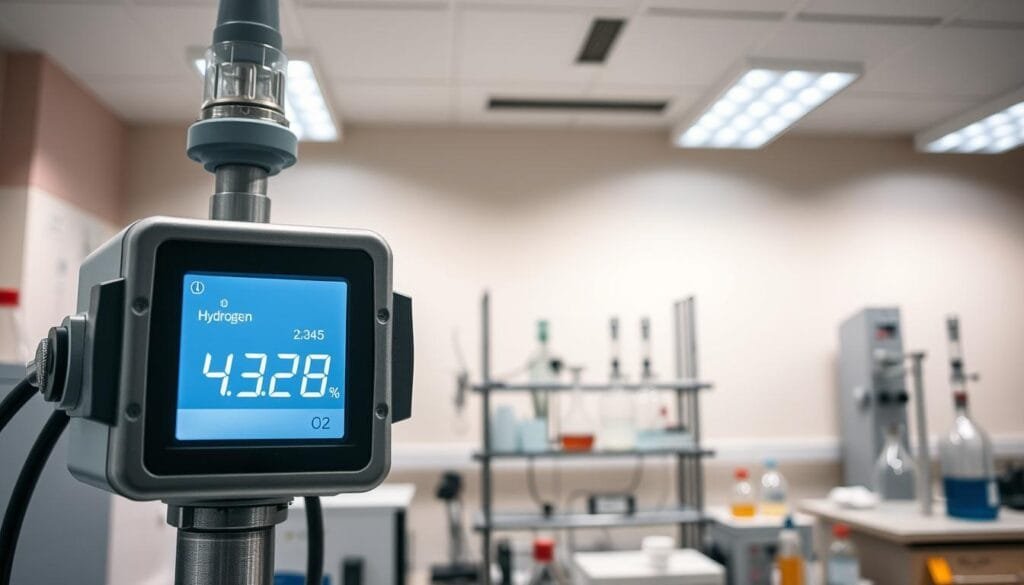
Concentrations vary widely because no industry standard sets levels for consumer products. That variation affects expected response and antioxidant signals reported by small studies.
Hydrogen clears fast from the system—usually exhaled within about 30 minutes after exposure stops. Timing and frequency may therefore shape any measurable effect.
- Store products in sealed, non-permeable containers and check shelf life.
- Start conservatively and monitor personal response; stop if any adverse reaction appears.
- Consult a clinician when chronic disease, medications, or planned treatment exist.
Hydrogen shows antioxidant potential but is not a substitute for prescribed treatment.
More well-designed studies and longer trials are needed to define optimal dosing and long-term safety. For practical, evidence-aware guidance about safe use and product selection, contact Wellness Concept on WhatsApp +60123822655 during business hours.
Myths versus facts: separating elemental truths from marketing claims
Marketing headlines often blur simple chemistry with bold health promises. This article separates clear facts from overstated claims so readers can judge options with calm curiosity.
Basic fact: the element exists inside water and biomolecules, and that role is essential for metabolism and transport. Claims that products deliver universal cures exceed available evidence.
Many positive findings come from animal work or small human trials. These studies report antioxidant, anti-inflammatory, and anti-apoptotic signals, but large randomized trials remain limited.
“Improved markers do not always translate into better clinical outcomes without larger trials.”
- Ask sellers for concentration data and third-party testing before buying.
- Treat options as adjuncts rather than replacements for proven care.
- Remember individual factors—diet, activity, baseline health—shape responses.
- Evaluate claims by research design, population, and relevance to personal goals.
For a friendly reality check and evidence-based explanation, message Wellness Concept on WhatsApp +60123822655 during business hours for practical guidance tailored to Malaysia.
How this relates to Malaysia’s lifestyle and wellness goals
Malaysia’s tropical climate shapes simple priorities for daily hydration and steady energy. Plain water remains the best first choice to support circulation, temperature control, and everyday health.
Hydration habits in the tropics: plain water first
Carry a bottle and sip regularly. Short, frequent breaks prevent large fluid losses during hot days and busy work routines.
Pair drinks with meals and activity breaks to keep the system stable. Quick consumption of specialty drinks lowers dissolved levels, so sealed containers and fast intake help if trying an alternative.
Complementary approaches for stress, energy, and recovery
Hydration links to perceived stress and recovery after activity. Small routines—timed sips, scheduled breaks, and sleep hygiene—support energy and reduce stress across the day.
Hydrogen options may be layered after foundational habits. Treat them as optional tools for specific goals such as warm-weather workouts or busy workdays, not replacements for sleep, nutrition, or movement.
“Start with plain water, then test additions briefly while noting timing and container quality.”
- Prioritize plain water for steady hydration in this area.
- Use short trial periods if curious about hydrogen products; check container quality.
- Monitor energy patterns and stress to decide if an added option seems useful.
For local-friendly, evidence-aware planning, Wellness Concept tailors advice for Malaysia’s routines. Message via WhatsApp +60123822655 during business hours for practical tips aligned with the article’s guidance on inflammation and recovery.
Who might consider hydrogen-rich options, and who should wait
Some readers look for small, evidence-aware tools to support fitness, recovery, or metabolic goals.
Active people and those managing metabolic risk
Active adults and people tracking metabolism or weight-related factors may find optional hydrogen water worth a short trial. Small studies link such drinks to modest shifts in recovery and certain markers.
Keep expectations modest: results vary. Track timing, consistency, and perceived effects while keeping plain hydration first.
Anyone undergoing medical care
People receiving treatment for cancer or other diseases should consult clinicians before trying any product. Clinical trials sometimes use inhaled gas or supervised protocols that differ from consumer products.
Important: these options are adjuncts, not substitutes for prescribed care.
“Start with a short, timed trial and track responses; revisit choices as new evidence appears.”
- Try a brief trial with consistent timing and note effects.
- Distinguish consumer hydrogen water from clinical hydrogen gas protocols.
- Prioritize clinician input for treatment or chronic disease.
| Who | Why | Practical step |
|---|---|---|
| Active individuals | Recovery, reduced muscle fatigue in small trials | Short trial, track hydration and performance |
| Metabolic risk | Small studies show marker changes | Pair with diet and activity; review markers with clinician |
| Undergoing treatment | Possible interactions and protocol differences | Consult treating clinician before use |
For personal suitability and planning that fits Malaysian routines, message Wellness Concept on WhatsApp +60123822655 during business hours to discuss goals and current health status.
How Wellness Concept supports informed choices
Wellness Concept turns study signals into clear, everyday guidance without hype.
Friendly guidance on evidence-based wellness tools
The team reviews animal models and small human studies to highlight what matters. They explain which markers shifted, what trials lacked, and why clinical endpoints remain limited.
Personalized recommendations within a holistic plan
Practical approach: choices are placed inside a broader system that values sleep, nutrition, movement, and stress management first. Suggestions consider medicine schedules and therapy timelines so plans fit daily life.
Staff evaluate product quality, production details such as concentration, and timing for short trials. They recommend setting simple goals, tracking outcomes, and adjusting based on measurable results.
“Small, careful tests beat big promises; clinical alignment matters for safety.”
| Service | What they do | Why it helps |
|---|---|---|
| Study review | Summarizes studies and key limits | Clears confusion about evidence |
| Product check | Assesses production and concentration | Reduces risk from poor-quality items |
| Personal plan | Fits recommendations to medicine and lifestyle | Keeps choices safe for diseases or disease risk |
Readers may message Wellness Concept on WhatsApp +60123822655 for friendly, tailored help during business hours: Monday–Friday 9:30 am–6:30 pm; Saturday–Sunday 10:00 am–5:00 pm. This article supports health-first choices without overpromising.
Get in touch with Wellness Concept
Wellness Concept offers short consults by WhatsApp to turn study findings into usable daily steps. The team keeps advice practical and focused on safe choices for hydration, recovery, and optional products.
Quick contact:
WhatsApp: +60123822655
Business hours
Monday 9:30 am-6:30 pm; Tuesday 9:30 am-6:30 pm; Wednesday 9:30 am-6:30 pm; Thursday 9:30 am-6:30 pm; Friday 9:30 am-6:30 pm; Saturday 10:00 am-5:00 pm; Sunday 10:00 am-5:00 pm (Malaysia).
Readers across the Malaysia area can reach a friendly advisor fast. Short chats cover practical steps, product checks, and timing tips.
- The team explains study results as simple actions for daily routines.
- Consultations are tailored to personal goals and current health context.
- They welcome questions about product quality, storage, and timing.
- Safe, sensible experimentation is encouraged; basics come first.
“Share goals and current routines so guidance fits real life.”
| Service | What to ask | How it helps |
|---|---|---|
| Quick evidence check | Ask about specific study claims in this article | Clarifies relevance and limits for personal plans |
| Product review | Share label or storage details | Flags quality and shelf-life concerns |
| Trial planning | Discuss timing, dose, and tracking | Sets realistic expectations and safety steps |
Conclusion
The closing view balances what lab studies show with sensible daily routines for health and recovery.
, The element is essential by composition—part of water, molecules that fuel energy production, and tissues—while supplemental use stays optional. Molecular research targeting oxidative stress shows selective reduction of damaging radicals and Nrf2-linked antioxidant responses, but available studies remain small and preliminary.
Observed signals for reduced inflammation and tissue protection deserve more research, not broad treatment claims. Therapy choices belong to clinicians, especially for liver care, cancer, and chronic diseases.
Foundational habits—hydration, sleep, nutrition, movement—deliver reliable benefits as research evolves. Readers should judge any study by design, dosing, and population and try cautious, measured experiments if curious.
For friendly, local guidance and practical next steps, message Wellness Concept on WhatsApp +60123822655 during business hours listed above.
FAQ
What role does hydrogen play in human tissues and fluids?
Hydrogen is a fundamental component of water and many biomolecules. It helps form the structure of carbohydrates, lipids, and proteins, supports cellular hydration, and participates indirectly in energy metabolism by contributing to molecules that deliver electrons during ATP production.
Is hydrogen essential by composition or as a supplemental therapy?
Elemental hydrogen as part of compounds like water is essential by composition. Supplemental forms, such as hydrogen gas or hydrogen-rich water, are proposed therapeutic options. Current evidence suggests potential benefits in specific models, but routine supplementation is not universally established.
How does molecular hydrogen interact with free radicals and oxidative stress?
Laboratory studies indicate molecular hydrogen can selectively neutralize highly reactive species like hydroxyl radical and peroxynitrite without broadly suppressing physiologic signaling. It may reduce oxidative damage and downstream inflammation in some experimental systems.
What mechanisms are proposed for hydrogen’s biological effects?
Proposed networks include direct radical scavenging and indirect modulation of cellular signaling. Studies point to activation of antioxidant pathways such as Nrf2, increased expression of SOD and glutathione-related enzymes, and anti-apoptotic signaling in preclinical models.
What does clinical research say about hydrogen therapies?
Research includes animal studies and small human trials reporting reductions in oxidative stress markers and some metabolic and inflammatory measures. However, many trials are small, short, or preliminary, and larger randomized controlled trials are needed to confirm efficacy and optimal regimens.
How do delivery methods differ: inhalation, hydrogen-rich saline, and hydrogen water?
Inhalation delivers higher doses quickly and suits acute settings. Hydrogen-rich saline is used in research and clinical infusions. Hydrogen water offers convenience but delivers lower, transient concentrations. Bioavailability, dose control, and practicality vary across methods.
Are there safety concerns or side effects with hydrogen therapies?
At concentrations used in most studies, molecular hydrogen shows a favorable safety profile with few reported adverse effects. Safety depends on delivery method, dose, and clinical context; people undergoing medical treatment should consult clinicians before use.
Can hydrogen-rich water improve athletic performance or recovery?
Some small trials report reduced markers of fatigue and lower lactate accumulation, while others show minimal effects. Results are mixed, and benefits may depend on study design, participant fitness, and timing of intake.
Does hydrogen therapy help with metabolic conditions or inflammation?
Early human and animal data suggest improvements in certain metabolic markers and reductions in inflammatory cytokines for some participants. These findings are encouraging but not yet definitive for broad clinical recommendation.
How long does hydrogen remain in the body after ingestion or inhalation?
Molecular hydrogen is transient; it is rapidly absorbed and eliminated. Concentrations peak soon after exposure and decline over minutes to hours depending on dose and delivery method, which influences dosing frequency for any intended effect.
What limitations exist in the current evidence base?
Key limitations include small sample sizes, short follow-up periods, heterogeneity of delivery methods, variable product quality, and a need for well-powered randomized controlled trials to establish clinical benefit and dosing guidelines.
Should people in tropical climates like Malaysia prioritize hydrogen-rich water over plain water?
Plain water remains the primary priority for hydration, especially in hot, humid climates. Hydrogen-rich options can be considered complementary health tools but should not replace standard hydration and evidence-based practices for heat and wellness management.
Who might consider trying hydrogen-rich products, and who should avoid them?
Active individuals seeking recovery support and people managing certain metabolic risks may explore hydrogen-rich options. Individuals undergoing medical treatments or with serious health conditions should consult their healthcare provider before use.
How can consumers assess hydrogen water products for quality?
Look for independent testing of dissolved hydrogen concentration, clear manufacturing practices, appropriate packaging to limit gas loss, and transparent labeling. Avoid products that make sweeping disease-treatment claims without clinical backing.
Where can people find more evidence-based guidance on hydrogen and wellness options?
Reputable sources include peer-reviewed journals, clinical trial registries, and guidance from healthcare professionals. Wellness centers and clinicians who review current research can offer personalized advice aligned with an individual’s health goals.