
Currently Empty: RM0.00
0 Comments
Surprising fact: two beloved fruits differ by only 0.2g of fiber per 100g, yet they can affect energy, digestion, and comfort in Malaysia’s heat in different ways.
This short guide helps readers weigh real-world tradeoffs. Apples are lighter in calories and higher in water, while bananas bring more potassium and resistant starch when less ripe.

The focus is quality, not just the number on the label. The piece highlights pectin and polyphenols from apples versus resistant starch and B6 in bananas, and explains how that shapes satiety and recovery.
For Malaysians juggling work, workouts, and warm afternoons, small differences in glycemic index, hydration, and calorie content can matter. Practical tips and menu ideas follow, and readers can dive deeper into daily intake with this guide on recommended amounts: daily fiber needs.
Key Takeaways
- Apples and bananas have nearly the same fiber content but different types with unique effects.
- Apples are lower in calories and higher in water, useful for hot climates.
- Bananas give more potassium and certain vitamins for energy and recovery.
- Choose based on goals: steady glucose, fullness, or pre-workout fuel.
- Wellness Concept offers tailored advice and easy snack ideas for busy days.
What Malaysians need to know now about apple vs. banana fiber
For people juggling office hours and commutes in Malaysia, small food choices affect focus and recovery.
User intent and quick answer
Quick answer: both fruits are solid snack options, but they suit different moments. Apples often support steady focus during long meetings. Bananas usually work better before exercise or when quick energy and electrolytes are needed.
Why fiber type matters more than fiber amount
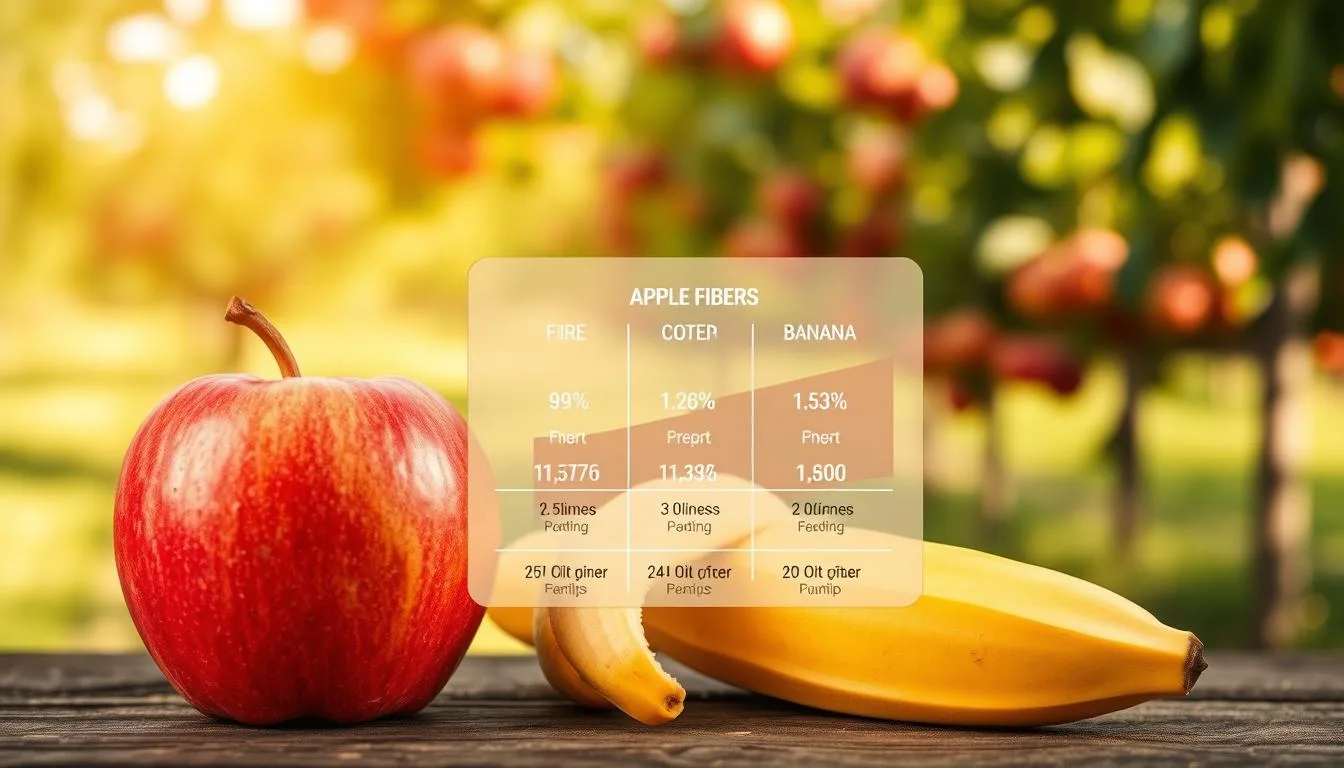
Per 100g the content is nearly equal (apples ≈ 2.4g; bananas ≈ 2.6g). The key is the type of fiber.
- Pectin in apples forms a gel that slows digestion and helps smooth blood sugar.
- Resistant starch in greener bananas acts like prebiotic fuel for gut microbes and gives denser carbs.
- In Malaysia’s heat, apples bring more water for refreshment, while bananas add potassium to help with cramps and sweat.
If readers want tailored advice for diet, training, or blood sugar control, Wellness Concept can help via WhatsApp +60123822655.
apple fiber better than banana fiber: where the claim holds—and where it doesn’t
Small choices at snack time shape energy, hydration, and recovery across a busy Malaysian day.
Steady daytime focus
With a glycemic index near 38, apples slow carbohydrate uptake thanks to pectin. That leads to more even blood sugar levels and steady energy for long meetings or desk work.
Hydration and lighter calories
Higher water content helps cooling in humid afternoons and supports a lower calorie snack option for weight control.
Situations favoring bananas:
Pre-workout fuel and recovery
Less ripe bananas supply resistant starch and quick-acting sugar for fast energy. They also offer potassium and vitamin B6, which help muscle recovery after sweat-heavy sessions.
Gentle digestion and pairing tips
Greener fruit with resistant starch may ease some stomachs. For blood sugar targets, pair a banana with nuts or yogurt to temper spikes.
“Let the goal decide — steady focus, quick energy, hydration, or recovery.”
Need help choosing? Wellness Concept can assist with goal-based picks. Contact via WhatsApp +60123822655.
Fiber types decoded: pectin vs. resistant starch
Knowing which fruit delivers gel-forming soluble material or resistant starch makes meal timing more useful for health.
Apple pectin and gel-forming soluble material for glucose control
Pectin forms a gentle gel in the gut. It delays stomach emptying and slows carbohydrate uptake. This helps smooth post-meal glucose and supports long-lived fullness.
Banana resistant starch across ripeness stages and gut effects
Unripe fruit supplies resistant starch that resists digestion and acts like a prebiotic. Beneficial microbes feed on it and make short-chain fatty acids. As the fruit ripens, that starch turns to sugars and the glycemic response shifts.
Soluble vs. insoluble roles in regularity and cholesterol
Soluble gel-formers add viscosity and can bind bile acids, which aids LDL reduction over time. Insoluble components add bulk to stool and speed transit. Choosing by type helps match goals: glucose control or microbiome support.
| Property | Pectin (gel) | Resistant starch | Insoluble |
|---|---|---|---|
| Main action | Forms gel; slows absorption | Feeds microbes; ferments | Adds bulk; speeds transit |
| Benefits | Glucose smoothing; lowers LDL | Gut diversity; SCFA production | Regularity; stool form |
| Timing tip | Good for daytime focus | Useful near workouts when unripe | Pair with water for comfort |
For more on how these components support daily intake and digestion, see what does fiber do for the.
Blood sugar and glycemic index compared
A quick look at glycemic index and sugar types shows how each fruit affects midday focus and post-meal energy.
GI snapshot
Glycemic index values differ: apples ≈ 38 and bananas ≈ 51. Both sit in the low-GI range, but the curves matter for how blood sugar responds during long meetings or commutes.
Sugar timing and composition
Apples skew toward fructose, which is absorbed more slowly. Bananas contain more glucose and sucrose, so sugar appears in the blood sooner.
Practical pairings for stable blood sugar
- Apples with almonds or peanut butter adds protein and fat to blunt glucose spikes and lengthen satiety.
- Bananas paired with Greek yogurt gives quick fuel plus protein for pre-workout energy and smoother recovery.
- Consider portions: 100g of apple has about 52 kcal, while 100g of banana has roughly 89 kcal—use this when tracking calories and blood sugar levels.
“Alternate these fruits across a busy day to balance immediate fuel with sustained focus.”
Detailed nutrition comparison beyond fiber
Examining calories and micronutrients helps Malaysians pick snacks that match work or workouts.
Calories, water, and energy
Apples provide about 52 calories per 100g and ~86% water. This makes them a lighter, more refreshing choice for hot afternoons and in-between meals.
Bananas give roughly 89 calories per 100g and ~75% water. They deliver denser energy per bite, useful before exercise or long activity.
Micronutrients and roles
Apples supply vitamin K and diverse polyphenols such as quercetin, which complement soluble fiber for heart and metabolic support.
Bananas supply vitamin B6, vitamin C, potassium (~360mg/100g), and magnesium (~27mg/100g). These nutrients help metabolism, immune support, and electrolyte repletion.
Protein, carbs, and practical guidance
Bananas have a small protein edge (~1.09g/100g) and higher net carbs and sugar by weight, serving as quick fuel. Apples are lower in sugar and calories, helping fullness per calorie.
- Quick plan: use apples for cooling, low-calorie snacks; use bananas for training or when electrolytes are needed.
- Combining both across a day covers more vitamins and minerals with minimal fuss.
| Attribute | Apples (per 100g) | Bananas (per 100g) |
|---|---|---|
| Calories | 52 kcal | 89 kcal |
| Water | ~86% | ~75% |
| Key vitamins | Vitamin K, vitamin C (4.6 mg), polyphenols | Vitamin B6 (0.367 mg), vitamin C (8.7 mg) |
| Minerals | Small amounts of potassium, trace magnesium | Potassium ~360 mg, magnesium ~27 mg |
| Protein & carbs | Lower carbs; modest protein | Higher carb density; protein ~1.09 g |
Digestive comfort and gut health
Some fruits soothe digestion while others boost microbial diversity — choosing matters for daily comfort. This section explains how prebiotic action and tolerance differ, and how ripeness changes effect.
Prebiotic actions and microbial benefits
Pectin from apples feeds beneficial microbes. These bacteria make short-chain fatty acids that support colon health and overall gut comfort.
Resistant starch in unripe bananas acts similarly by reaching the colon intact. It helps increase microbial diversity and can improve stool form over time.
FODMAP notes and tolerance tips
Some people with IBS find that fermentable carbs in apples contain components that trigger bloating. In contrast, greener bananas are often gentler and lower in FODMAPs.
- Ripeness matters: as fruit ripens, starch converts to sugars and tolerance can change.
- Rotate both fruits across the week to broaden prebiotic exposure and digestive comfort.
- Pairing slices with yogurt or kefir introduces live cultures that complement prebiotic fibers for better tolerance.
“Trial small portions and note how the gut responds; simple swaps can cut bloating while keeping gut health on track.”
Weight management, heart health, and cholesterol support
Small swaps at snack time can add up to real changes in weight and heart markers. In humid Malaysia, choosing fruits by water content and nutrient mix helps control calories while protecting the circulatory system.
Satiety levers: water volume and fiber viscosity
Apples deliver high water volume and viscous soluble material that increases fullness with fewer calories. This low energy density helps with weight targets and cuts overall intake when used as an afternoon snack.
LDL effects: gel-forming fibers and bile acid binding
Pectin-like gel-forming components bind bile acids in the gut. Over time, this process can reduce LDL cholesterol when combined with a balanced diet and regular intake of other whole-food sources of fiber.
Blood pressure and muscle function: potassium advantage
Bananas supply potassium that supports healthy blood pressure and muscle contraction. For active Malaysians who sweat in warm conditions, that mineral helps maintain normal blood and muscle function during training and daily chores.
- Use apples for low-calorie fullness during long workdays.
- Add nuts or yogurt to a banana to supply protein for post-exercise recovery and sustained energy.
- Rotate both fruits across the week to support heart health, blood pressure, and training performance.
“Consistency matters: small, daily fiber steps add up to meaningful cardio-metabolic gains.”
When to eat which: use-cases for Malaysian lifestyles
Match a snack to the task — a quick carb boost before exercise or a hydrating bite for afternoon focus. This short guide helps choose what to eat around work, heat, and training.
Pre-workout fuel
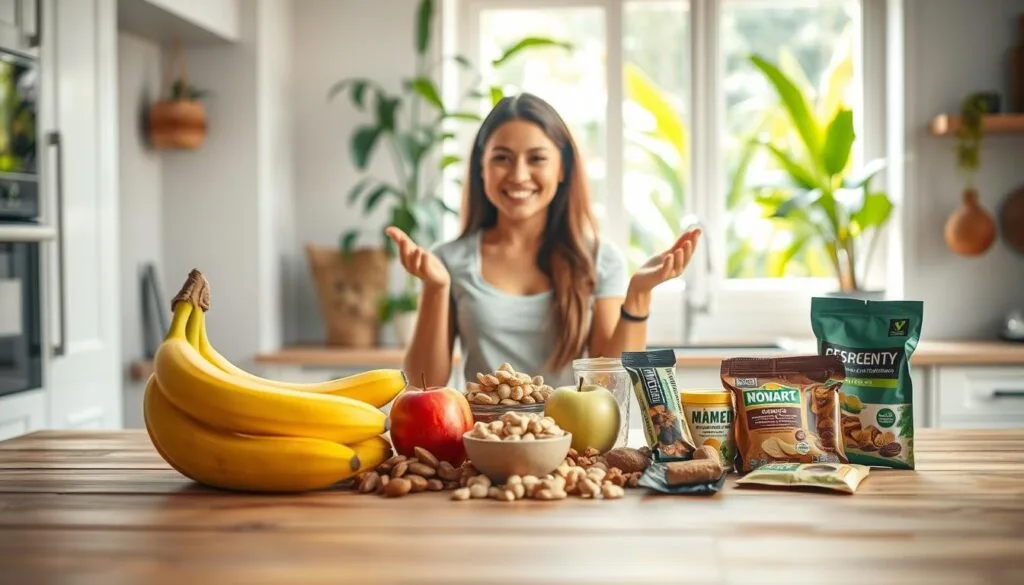
Grab a banana 30–60 minutes before training for quick energy and electrolytes. The sugar and minerals help sustain effort and support muscle recovery.
Office snack for steady focus
Keep apple slices and nuts at the desk to slow glucose rise and extend concentration. Pairing with a little protein makes the effect last longer.
Heat and hydration
On scorching days, choose hydrating fruit to refresh without heavy calories. Water-rich pieces help cooling and curb mid-afternoon hunger.
Local meal ideas
- Stir a ripe banana into overnight oats or smoothies for morning energy before sport.
- Layer apple with yogurt and cinnamon for a tidy office parfait that supports steady blood sugar.
- Add greener banana to curries or salads for resistant starch and a savory twist.
“For weight goals, plan hydrating snacks between meals and reserve quick energy foods around activity windows.”
Ripeness, varieties, and sugar shifts
Choosing the right ripeness level and variety can tune a snack to support work, training, or heat relief across a Malaysian day.
Unripe to ripe: starch-to-sugar transition
Green fruit supplies more resistant starch. As the peel yellows, that starch converts into simple sugars and the energy feel speeds up.
The total fiber content stays similar, but the sugar rise changes how quickly blood glucose responds. Match ripeness to the goal: less ripe for gentler digestion and steadier energy; riper for quick fuel before exercise.
Apple variety tips: tart vs. sweet for cooking or snacking
Different types suit different uses. Granny Smith offers tart, firm slices for salads and baking. Sweeter varieties make a dessert-like snack.
- Practical rule: apples contain lower sugars per 100g than ripe bananas, so they fit desk hours.
- Save riper bananas for pre-workout windows when fast energy and potassium support performance.
- Track personal responses — individual tolerance and blood reactions vary.
| Attribute | Green | Ripe |
|---|---|---|
| Starch vs sugar | High starch | High sugars |
| Use-case | Steady energy, digestion | Quick fuel, training |
Evidence highlights from trusted sources
Evidence from nutrition research shows that comparable portions can produce different outcomes because of the types of carbs and phytochemicals they carry.
Similar amounts, different physiological impacts
Multiple analyses confirm that per 100g both fruits provide nearly equal amounts of fiber (apples ≈ 2.4g; bananas ≈ 2.6g). The small quantitative gap hides large qualitative differences.
Pectin forms a gel that slows digestion and helps steady blood sugar. Resistant starch resists digestion and feeds the colon’s microbes, producing beneficial short-chain fatty acids.
Antioxidant/polyphenol benefits vs. electrolyte support
Apples contain polyphenols like quercetin that add antioxidant and anti-inflammatory effects. Those compounds, combined with soluble material, support heart and metabolic markers over time.
By contrast, bananas supply electrolytes — potassium (~360 mg/100g) and magnesium (~27 mg/100g) — plus vitamin B6 and vitamin C. These nutrients help blood pressure, nerve function, and muscle recovery, especially in warm climates.
- Both fruits align with low-risk patterns in population studies for metabolic and cardiovascular outcomes.
- Apples’ antioxidants pair with soluble material to support inflammation and cholesterol.
- Bananas’ minerals and vitamins support electrolyte balance and physical performance.
- Low glycemic responses for both help steady blood when paired with protein or fat.
- Best results come from variety: include other whole foods and rotate fruit choices in a balanced diet.
“Rotating fruit choices and pairing them with protein or healthy fats amplifies long-term health benefits.”
| Evidence point | Apples (per 100g) | Bananas (per 100g) |
|---|---|---|
| Fiber content | ≈ 2.4 g | ≈ 2.6 g |
| Key bioactives | Polyphenols (quercetin), vitamin K | Vitamin B6, vitamin C |
| Electrolytes / minerals | Small potassium, trace magnesium | Potassium ~360 mg, magnesium ~27 mg |
| Physiological emphasis | Antioxidant, anti-inflammatory, cholesterol support | Electrolyte balance, muscle and nerve support |
| Practical takeaway | Use during office hours for steady energy and cardiac support | Use near workouts or heat exposure for electrolyte replenishment |
Talk to Wellness Concept for a tailored plan
Wellness Concept helps Malaysians turn food choices into practical plans for work, training, and everyday health. They offer quick, local advice on pairing fruits with proteins, greens, and hydration to meet specific goals.
WhatsApp +60123822655 for nutrition guidance and product pairing
Message for a goal-based plan: steady office energy, pre-workout fueling, or digestive comfort. A short chat helps match foods and supplements to daily routines and weather.
Business hours
Monday–Friday: 9:30 am–6:30 pm. Saturday: 10:00 am–5:00 pm. Sunday: Closed. Wellness Concept | WhatsApp +60123822655.
Featured wellness picks
Curated products support fruit-forward eating that focuses on hydration and gut support:
- BARLEYGREEN Premium — green boost for a balanced diet and micronutrient variety.
- H2zen Portable hydrogen water generator — a hydration tool for Malaysia’s heat.
- Protein Omega — protein plus healthy fats to pair with morning or post-workout fruits.
- TrioGut Stickpack — gut-supporting superfood to complement resistant starch and pectin sources.
| Service | What it helps | Best use |
|---|---|---|
| Personalised plan | Match foods to goals (energy, weight, gut) | Office snacks, pre-workout, hydration strategy |
| Product pairing | Supplements and greens to fill nutrient gaps | Daily balanced diet and recovery |
| Quick WhatsApp support | Fast, local guidance | On-the-go questions and menu swaps |
“Rotate fruits and pair them with protein and greens to amplify the benefits while keeping energy and blood measures steady.”
Next step: Message Wellness Concept on WhatsApp +60123822655 during business hours to get a practical plan that fits Malaysia’s climate and your routine.
Conclusion
Conclusion
In short, the right snack moment can shape hydration, glucose control, and muscle readiness.
Choose by type and timing, not only by grams of fiber. One fruit offers ~52 kcal/100g, ~86% water and a glycemic index near 38; the other gives ~89 kcal/100g, ~75% water and GI ≈ 51. The 0.2g difference in content hides real effects: pectin-like gel vs. resistant starch and distinct vitamins and minerals that affect energy and recovery.
Keep sugar levels steady by pairing fruit with protein or healthy fats, rotate variety across the week for cholesterol and weight support, and plan hydrating snacks for heat or quick energy before activity.
For a personalised plan, message Wellness Concept on WhatsApp +60123822655 during business hours for practical, Malaysia-focused guidance.
FAQ
What is the quick takeaway about whether apple fiber is better than banana fiber?
They each offer strengths. One fruit often provides more pectin, a gel-forming soluble fiber that helps steady glucose, while the other supplies resistant starch that feeds gut microbes and gives quick energy when ripe. Choice depends on goals like blood sugar control, gut health, or exercise fueling.
How do types of fiber affect blood sugar differently?
Gel-forming soluble fiber slows gastric emptying and glucose absorption, which helps blunt post-meal spikes. Resistant starch resists digestion in the small intestine and ferments in the colon, producing short-chain fatty acids that support insulin sensitivity over time. Both can help, but their timing and mechanisms differ.
Which fruit is better pre-workout or for recovery?
For quick energy and potassium to support muscles, the ripe, starchy-to-sweet fruit is often preferred. For steady, lower-GI fuel or between-meal satiety, the higher-water, pectin-rich fruit paired with protein or nuts works well.
Are there glycemic index differences to consider?
Yes. The lower-GI option tends to produce a slower rise in blood sugar (roughly mid-30s on GI), while the other registers higher (around low 50s). Those numbers reflect average values and individual responses vary.
How do calories and hydration compare?
The lower-calorie option typically contains more water per 100 grams and can enhance fullness with fewer calories. The sweeter, denser fruit has more calories and carbs per same weight, useful when extra energy is needed.
What micronutrients set them apart?
One supplies notable polyphenols and vitamin K plus a modest vitamin C contribution; the other offers B6, vitamin C, potassium, and magnesium—important for blood pressure and muscle function.
Can either cause digestive discomfort or bloating?
Yes. The pectin-rich fruit can trigger symptoms in people sensitive to FODMAPs, while greener, less-ripe fruit with more resistant starch often feels gentler. Personal tolerance and ripeness matter.
Do these fruits help cholesterol and heart health?
Gel-forming soluble fibers bind bile acids and may help lower LDL cholesterol modestly. Both fruits contribute to a heart-healthy diet when eaten as part of balanced meals rich in whole grains, vegetables, and lean proteins.
How should Malaysians choose between them day to day?
Consider purpose: choose the potassium-and-carb-dense option for workouts or quick energy; pick the higher-water, steady-glucose option for office snacks, hydration, and longer satiety. Local dishes like oats, yogurt bowls, or salads adapt well to either.
What about ripeness and variety—does it change benefits?
Yes. As the starchy option ripens, resistant starch converts to sugars, increasing quick energy and sweetness. Varieties of the other range from tart to sweet, influencing use for cooking versus snacking and altering glycemic and flavor profiles.
Where can someone get personalized advice in Malaysia?
They can contact the Wellness Concept team via WhatsApp at +60123822655 for tailored nutrition guidance, product pairing, and meal planning during business hours Monday–Friday 9:30 am–6:30 pm and Saturday 10 am–5 pm.