
Currently Empty: RM0.00
0 Comments
Can a bottled trend really change daily hydration in Malaysia? Wellness Concept asks this to help shoppers sort fact from hype.
The brand aims to guide people who compare hydrogen infused mineral water with alkaline options. It focuses on real outcomes: taste, device fit, upkeep, and measurable benefits for daily use.
This short guide explains the main difference: dissolved hydrogen levels versus pH marketing. They are not the same, and that matters when choosing what to drink.
Readers will get practical checks on source quality, mineral content, scaling risks, packaging freshness, and value. The piece stresses that basic hydration still matters most.
Wellness Concept presents information drawn from published summaries and device guidance. It is informational and not medical advice, helping Malaysians make clear, realistic choices.
Key Takeaways
- Wellness Concept helps compare hydrogen products and alkaline claims for everyday drinking.
- The core difference is dissolved gas levels versus pH focus.
- Taste, maintenance, and compatibility matter more than marketing labels.
- Hydration basics remain the top priority for health and daily use.
- Content is informational and based on device summaries, not medical advice.
Why Malaysians Are Comparing Hydrogen Water vs Alkaline Water Right Now
A rise in simple wellness choices has put two popular bottled options under the spotlight in Malaysia. Shoppers seek easy upgrades that fit busy days and modest budgets.
Hydration trends in Malaysia and what shoppers want most
People want a routine that helps with daily hydration, tastes good, and feels believable. Convenience matters: refillable bottles, low upkeep, and price all shape decisions.
Why “more research is needed” matters when evaluating claims
Several sources note that current research is early and limited. Saying “more research is needed” is a prompt to weigh evidence, not a dismissal.
- Look for clear study methods and transparent labels.
- Match product claims to real habits and budget.
- Remember no bottled choice replaces a balanced diet and basic care.
| Shopper Need | What to check | Practical tip |
|---|---|---|
| Taste & habit | Flavor profile, ease of drinking | Try a sample size before committing |
| Claim strength | Study references, clear labels | Favor products with transparent research |
| Cost & routine | Price per bottle, device upkeep | Choose what fits weekly budget and reuse plan |
This comparison helps readers decide now while the science evolves. The next part explains what hydrogen water actually is and how it’s made.
What Hydrogen Water Really Is and How It’s Made
Many consumers ask what exactly gets added to plain drinking water when brands talk about dissolved gas. This section defines the simple difference between H2 and H2O so readers know what is being introduced.
Molecular gas vs regular liquid
H2 is a tiny, colorless molecule. H2O is the liquid people drink every day. Adding H2 means the bottle holds extra dissolved gas, not new minerals or flavors.
Common production methods
PEM/SPE electrolysis is common in home devices. It uses a membrane to create dissolved H2 without changing pH. Users get steady output when feed water is low in minerals.
Tablets offer a portable choice. A tablet is dropped into a glass and the reaction releases gas. Results vary by brand and starting liquid.
Pressurized infusion appears in some packaged products. It can give high initial concentrations, but dissolved gas levels fall over time after bottling.
Why starting quality matters
Feed quality affects device performance and consistency. High dissolved solids can reduce gas output and cause scaling. For reliable results, choose a clean source and simple filtration.
hydrogen infused mineral water vs alkaline water: Key Differences That Affect Daily Use
Consumers often face a clear choice: products that focus on dissolved gas concentration versus those sold for a higher pH and taste. This section explains how those goals change daily use and device performance.
Primary goal comparison: dissolved hydrogen levels vs pH focus
Hydrogen-focused products target dissolved gas concentration. They aim for steady output and measurable levels.
Alkaline brands promote pH and a mineral profile that changes taste and mouthfeel. A higher pH does not equal higher dissolved gas.
Device compatibility and performance
Manufacturers and device guides warn that some alkaline or carbonated profiles can disrupt electrolysis. High dissolved solids may reduce output and speed scaling.
When each option fits an everyday routine
For office use or post-workout, users who want consistent dissolved gas may choose low-mineral sources and devices that require less cleaning.
Those who value taste or mineral mouthfeel may prefer alkaline-labeled products, accepting more upkeep and variable device results.
“Match the product goal to daily habits: consistency for routine use, taste for enjoyment.”
- Check device guidance for compatible input.
- Expect more cleaning with high-mineral supplies.
- Choose by convenience: steady output vs flavor preference.
Minerals and Natural Sources: Spring Water, Mineral Water, and “Trace Add-Ins”
Natural springs and branded blends each bring different minerals that change mouthfeel and perceived freshness.
Calcium, magnesium, potassium, and bicarbonate: what they do and how they taste
Calcium often gives a slight crispness and supports bone health in everyday nutrition. Magnesium can add a soft, rounded mouthfeel and is linked to muscle function.
Potassium lends a mild electrolyte sensation. Bicarbonate can create a smooth, clean finish that many Malaysians enjoy with meals.
Natural mineral profile vs manufacturer-added minerals
Sources vary by geology. A spring’s natural profile reflects the local rock and yields consistent trace elements.
Some brands add trace vitamins or salts like calcium carbonate or magnesium sulfate. Transparency matters: published analyses or clear labels help buyers compare nutrition and taste.
- Practical tip: choose a source that matches your taste and routine.
- Device note: higher minerals often improve flavor but can increase scaling and maintenance.
Hydrogen Output and Device Longevity: Why Low-Mineral Water Often Wins
Many Malaysian users report that feed quality directly shapes device output and upkeep. Device tests found nearly 60% of home units showed reduced output when fed high-mineral supplies. That cut expected performance by about half.
What the comparison reports say about reduced output
High TDS and mineral content reduce effective dissolved gas production and lower measured levels during use. This forces more frequent cleaning and part checks.
Scaling risk: TDS, mineral buildup, and membrane wear
Scale forms when dissolved salts precipitate on membranes. It increases wear on PEM/SPE parts and shortens service life. Greater scale means lower output and higher maintenance.
Why reverse osmosis distilled and osmosis distilled water work better
Low-mineral feeds such as reverse osmosis distilled or osmosis distilled water give steadier levels and protect electrolysis cells. They reduce scale and help devices run longer.
Carbonated and some alkaline options can interfere
Carbonated liquids and some alkaline choices add dissolved CO2 or pressure that can stress parts and disrupt electrolysis. For longevity and predictable output, choose low-mineral inputs and follow device guidance.
“Choose cleaner input sources to keep devices performing and minimize service needs.”
Health Benefits Comparison: Antioxidant Potential vs Mineral Nutrition
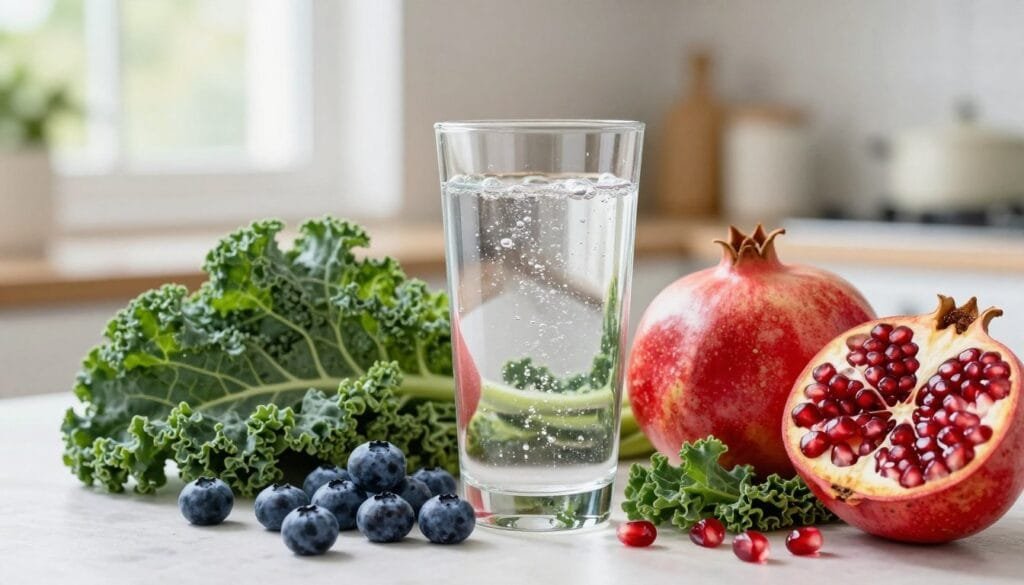
Consumers often weigh antioxidant claims against simple nutrition when choosing a bottled option. This short review compares claimed health benefits tied to dissolved gas with the clear nutrients found in naturally sourced bottles.
What early studies suggest about oxidative stress and inflammation
Early studies point to possible antioxidant and anti-inflammatory effects in some groups. Small trials and clinical reports, including one during radiation therapy of 49 people, noted better quality of life with antioxidant-rich intake.
Metabolic markers and cholesterol: what has been observed so far
Limited trials in people with metabolic issues reported modest drops in LDL and total cholesterol and lower inflammatory markers. Results look promising but remain small and short-term.
Athletic performance and recovery signals
Some athletic studies found reduced blood lactate, less fatigue, and small gains in sprint power. Findings vary, so athletes should view results as preliminary.
Minerals for bones, muscles, and fluid balance
Important: bottles marketed for antioxidant action usually add no calories and may lack meaningful minerals. For bone and muscle support, calcium, magnesium, and potassium matter more than dissolved gas.
“Larger, longer studies are needed before firm health conclusions can be drawn.”
- Practical tip: rely on diet for minerals and consider antioxidant routines for convenience and consistency.
- See more on clinical uses and trial notes like the radiation-therapy report at hydrogen water during treatment.
Taste, Mouthfeel, and “Will They Actually Drink It?”
Taste often decides whether a new bottle becomes part of someone’s daily routine or ends up forgotten in a cupboard.
How minerals change flavor and satisfaction
Natural minerals like calcium, magnesium, and bicarbonate add a fuller mouthfeel and subtle texture. That texture makes the sip feel more satisfying with meals and under the Malaysian heat.
People notice the difference at once: mineral content can bring crispness, softness, or a clean finish that encourages regular drinking.
Why low-mineral options can taste flat but help device results
Low-mineral water often tastes neutral or “flat.” Some households find that plain profile less appealing.
Yet, low-mineral feeds support steadier device performance and reduce scaling, so they tend to give more consistent results over time.
- Try one source for a week to judge daily liking and device output.
- Pair tastier options with meals and use low-mineral refill bottles at the office.
- Rotate samples before committing to a routine that balances taste and quality.
“If people stop drinking it, technical benefits are moot.”
What to Choose in Malaysia: Tap Water, Filtration, RO, and Bottled Options
Households across Malaysia balance taste, cost, and device needs when picking from tap, filtered, RO, or bottled options.
Filtered tap vs RO vs distilled: practical trade-offs for Malaysian homes
Filtered tap saves money and improves basic quality. It keeps a familiar taste and low cost but can vary by district.
RO systems and reverse osmosis distilled setups give steady, low-mineral feed. They reduce scale and protect PEM/SPE parts, but add upfront cost.
Distilled purchases or osmosis distilled water are convenient for renters. They cut maintenance but may taste flat to some.
How to reduce maintenance and keep quality consistent
- Check TDS monthly and label “device feed.”
- Replace filters on schedule and flush new cartridges.
- Use low-mineral supplies to limit scale and extend part life.
“Consistent sourcing beats occasional splurges for device longevity.”
| Choice | Cost & Convenience | Best for |
|---|---|---|
| Tap + basic filter | Low cost, high convenience | Everyday drinking with modest upkeep |
| RO / reverse osmosis distilled | Higher setup cost, steady supply | Low scale, consistent device quality |
| Distilled purchases / osmosis distilled water | Pay-per-use, very low maintenance | Renters and occasional users who want predictability |
| Bottled natural sources | Variable taste, moderate cost | Those who prefer minerals and flavor despite more scale |
Buying Checklist: How to Compare Quality, Concentration, and Value
Choosing the right bottle or device starts with simple checks that show true quality. This short guide gives clear tips to compare labels, packaging, and long‑term cost without getting lost in marketing.
Packaging and freshness
Look for non‑permeable containers and seals that limit gas loss. Stiff bottles or aluminum cans hold dissolved gas better than soft plastics.
Drink quickly after opening. Retention of dissolved gas drops with time and added pressure or agitation.
Label reading and transparency
Check declared levels and mineral content. Prefer brands that publish third‑party testing or lab results.
Note concentration units and any test date. Clear labels signal trustworthy quality and reliable sources.
Cost and format comparison
Bottled hydrogen water offers convenience but often costs more per litre. Machines have higher upfront cost and lower running fees. Tablets are low entry cost but vary in output and purity.
Device buyers should factor in maintenance and compatibility with local sources to avoid extra service costs.
“Pick the format that matches daily use, budget, and supply consistency.”
| Format | Cost Profile | Retention & Convenience | Best for |
|---|---|---|---|
| Bottled | High per‑use cost | Good if sealed; drink quickly | Travel, samples |
| Machine | High upfront, low running | Consistent levels with low‑mineral feed | Daily home use |
| Tablets | Low upfront, variable | Portable; output varies by source | Occasional use |
Contact Wellness Concept for Local Guidance and Product Fit
Local experts at Wellness Concept can walk households through simple checks to reduce maintenance and improve results. They help match a home’s supply—filtered tap, RO, distilled, or chosen bottled options—to the right device and routine.
Easy local help: message the team with questions about device compatibility, taste, and upkeep.
Contact Wellness Group via WhatsApp +60123822655 business hours
Reach out via WhatsApp at +60123822655 for quick, local advice. The Wellness group via whatsapp replies with practical steps and product-fit tips tailored to Malaysian homes.
Business hours
Monday–Friday: 9:30 am–6:30 pm. Saturday: 10:00 am–5:00 pm. Sunday: Closed.
- What “product fit” means: matching source quality to device, lowering scaling, and picking a taste profile users will keep drinking.
- Sample questions to send: “Is RO better than filtered tap for my bottle?” and “Which mineral content is easiest on maintenance?”
- Why message first: local guidance reduces guesswork and helps families set a consistent plan that protects device life and keeps quality high.
“A short chat with the wellness group whatsapp team often saves time and prevents unnecessary service later.”
Conclusion
,Deciding between a gas‑focused routine and an alkaline approach comes down to clear goals. One route aims for steady dissolved hydrogen and predictable device results; the other prioritises higher pH and a mineral taste.
Practical device takeaways matter. Low‑mineral sources such as RO or distilled help protect PEM/SPE parts and reduce scale. High mineral loads can cut output and raise maintenance needs.
Taste drives long‑term hydration. Minerals improve mouthfeel but add upkeep. Early studies suggest some health benefits, yet research remains limited.
Choose by goal: consistency for performance, minerals for flavour and electrolytes, or low hassle for daily drinking. For local advice, contact Wellness Concept via WhatsApp at +60123822655 during business hours.
FAQ
What is Wellness Concept: Your Source for Hydrogen Infused Mineral Water?
Wellness Concept is a brand focused on delivering bottled and device-made beverages that carry dissolved molecular gas known for antioxidant claims, paired with natural trace minerals from curated sources. They promote clarity on sourcing, production methods, and freshness so consumers can choose what fits their routine.
Why are Malaysians comparing hydrogen water vs alkaline water right now?
Malaysian shoppers want measurable benefits, clear labeling, and options that suit local tap profiles. The debate centers on whether antioxidant effects or higher pH and mineral content better match individual needs. Consumers also weigh device costs, convenience, and scientific evidence when choosing.
What hydration trends are shaping shopper choices in Malaysia?
Buyers prioritize transparent testing, low maintenance, and pleasant taste. Many look for lightweight bottles or compact home units, plus clear guidance on refill and filter practices. Convenience and proven short-term effects, like perceived energy or recovery, drive repeat purchases.
Why does “more research is needed” matter when evaluating claims?
Early studies show potential benefits but vary in size and methods. That means long-term and large-population trials are needed to confirm effects and safe usage patterns. Responsible brands highlight existing evidence while avoiding overstatements.
What is the difference between molecular gas (H2) and regular water (H2O)?
The dissolved gas is a tiny, neutral molecule that can disperse through the liquid without changing pH significantly. Regular water is the solvent that carries dissolved compounds and minerals—both affect how a product tastes and performs.
How is this product typically made: electrolysis, tablets, or pressurized infusion?
Common methods include PEM/SPE electrolysis devices, effervescent tablets that release gas, and factory pressurization. Each method delivers different concentrations, convenience levels, and technical trade-offs for longevity and safety.
How does starting water quality change results?
Source quality alters gas retention, device output, and taste. Low-mineral inputs often yield higher dissolved gas levels and less scaling in devices; high-mineral sources can reduce output and increase maintenance.
What are the primary differences between hydrogen infused mineral water vs alkaline water for daily use?
The core focus differs: one aims to deliver dissolved gas with potential antioxidant effects, while the other emphasizes higher pH and mineral content for taste and dietary mineral intake. Practical choice depends on whether a person values antioxidant signaling or mineral nutrition more.
Do devices and products perform differently depending on the source?
Yes. Device compatibility varies: electrolysis units perform best with low-TDS input, whereas bottled options are formulated to ensure stable concentrations. Labels and manufacturer guidance help match a device to local water.
When does each option fit an everyday routine?
Bottled ready-to-drink options suit on-the-go use and predictable dosing. Home devices or tablets fit daily users who prefer lower long-term cost and control. Consider taste preferences, storage, and maintenance when choosing.
Which minerals affect taste and why do they matter?
Calcium, magnesium, potassium, and bicarbonate influence mouthfeel and perceived smoothness. Higher mineral content can add flavor and texture, while low-mineral liquids taste flatter but often allow better dissolved gas levels.
What is the difference between natural mineral profiles and added minerals?
Natural spring profiles vary by source and bring complex trace elements. Manufacturer-added minerals are blended to target taste or pH and may be listed on labels for transparency. Consumers should read ingredient panels for specifics.
Why does low-mineral water often deliver better gas output and device longevity?
Low-TDS inputs reduce scaling and membrane wear in electrolysis systems, maintaining stable output over time. High-mineral supplies can precipitate and clog components, lowering efficiency and requiring more service.
How do scaling, TDS, and membrane wear affect performance?
High total dissolved solids (TDS) increase the chance of mineral buildup on electrodes and membranes. That buildup reduces production efficiency and shortens service intervals, raising maintenance costs.
Should reverse osmosis or distilled water be used as inputs?
Reverse osmosis and distilled water offer consistent, low-mineral inputs that maximize device output and reduce scaling risk. Many manufacturers recommend these as the reliable base for home units.
Can carbonation or some alkaline options interfere with electrolysis?
Yes. Pre-carbonated or highly alkaline products can lower device efficiency or alter gas retention. Manufacturers advise against using carbonated liquids in many home electrolysis units.
What health benefits have studies suggested about antioxidant potential and inflammation?
Preliminary research signals reduced markers of oxidative stress and modest anti-inflammatory effects in some short-term trials. Results vary by dose, product type, and study quality, so conclusions remain cautious.
Are there observed effects on metabolic markers and cholesterol?
Small studies have reported modest changes in certain metabolic markers and lipid profiles, but findings are inconsistent. Larger, controlled studies are necessary to draw firm clinical conclusions.
What about athletic performance, fatigue, and recovery?
Some trials note improved perceived recovery and reduced markers like lactate after intense exercise. Effects tend to be small and depend on timing, dose, and the athlete’s baseline condition.
Do these products replace minerals needed for bones, muscles, and fluid balance?
Not necessarily. While some bottled options include minerals, they are generally not a full substitute for dietary intake. A balanced diet remains the primary source for bone and muscle health.
How does mineral content change taste and satisfaction?
Higher mineral content often creates a fuller, more satisfying mouthfeel and distinct flavor. Low-mineral options taste flatter but may be preferred by those who want a neutral profile or better dissolved gas retention.
Will people actually drink it if it tastes flat?
Taste acceptance varies. Many choose flavored or mineral-enhanced versions for daily compliance, while others prefer the neutral profile for mixing with beverages or supplements.
What should Malaysians consider: filtered tap, RO, or bottled options?
Filtered tap systems reduce contaminants and preserve some minerals. RO and distilled give consistent low-mineral input ideal for devices. Bottled products offer convenience and known concentration but can cost more over time.
How can users reduce maintenance and keep quality consistent?
Using RO/distilled inputs, following manufacturer service schedules, and avoiding hard or carbonated inputs will lower maintenance. Regular cleaning and proper storage preserve freshness.
What should shoppers check when comparing quality, concentration, and value?
Look for transparent lab testing, concentration levels at time of bottling, mineral listings, packaging date, and company return or freshness policies. Compare per-serving cost across formats.
Why does packaging and freshness matter?
The dissolved gas can escape over time, so sealed, light-protective packaging and short shelf life help retain promised levels. Drinking shortly after opening preserves potency.
How should consumers read labels for minerals and content levels?
Check the nutrition or mineral panel for specific ions (calcium, magnesium, potassium, bicarbonate) and any listed dissolved gas concentration. Transparent brands list testing dates and methods.
What are cost considerations: bottled vs machines vs tablets?
Bottles are convenient but higher per-dose cost. Machines have upfront expense and maintenance but lower long-term cost per serving. Tablets sit between—portable and lower initial investment but variable consistency.
How can someone contact Wellness Concept for local guidance and product fit?
Wellness Group can be reached via WhatsApp at +60123822655 during business hours for consultations and product support.
What are the business hours for Wellness Group?
Business hours are Monday–Friday 9:30 am–6:30 pm and Saturday 10:00 am–5:00 pm. They are closed on Sunday.