
Currently Empty: RM0.00
0 Comments
Surprising fact: more than 60% of households in Singapore and Malaysia keep a simple pot of barley water on the stove or at room temperature as a daily refreshment.
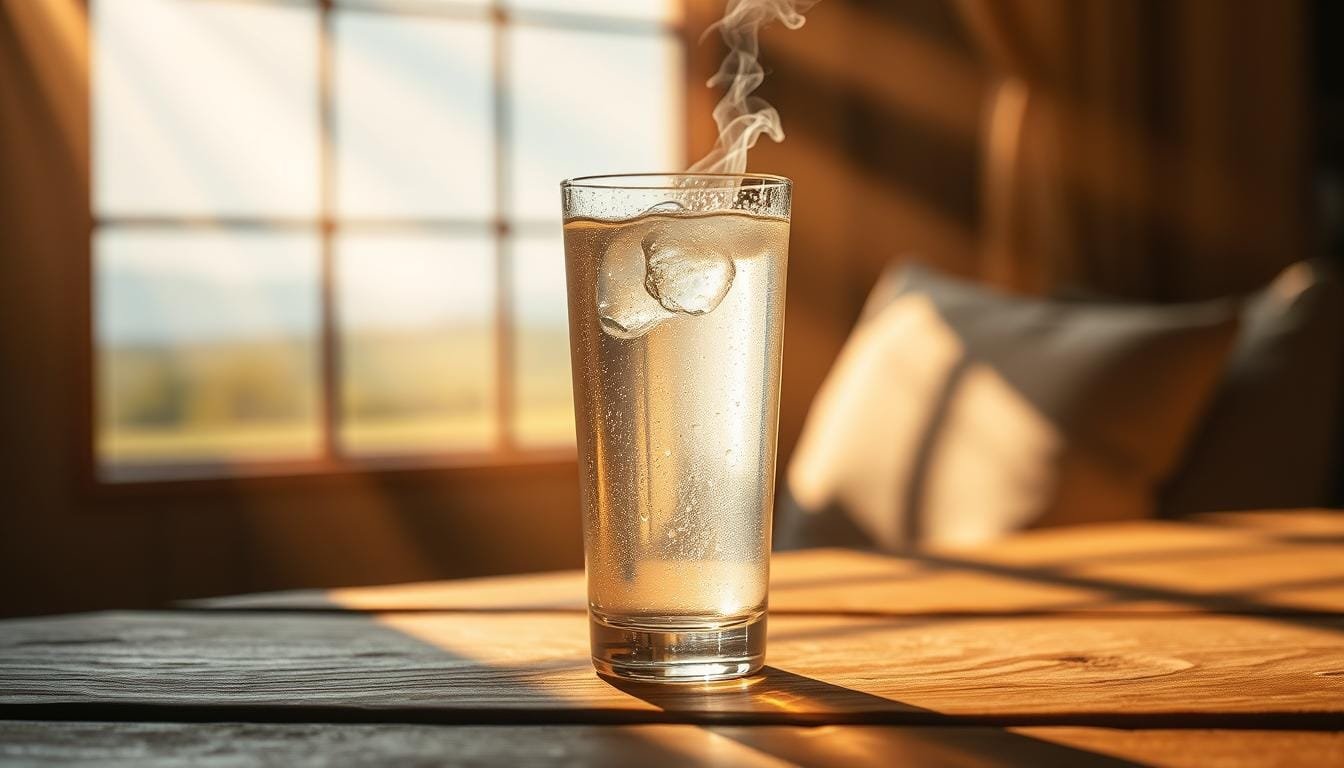
This classic drink is made by simmering whole grain and water to produce a mild, nourishing liquid. It has long use across Asia and fits well into a warm-climate diet.
Making it at home gives people clear control over sweetness and freshness. A homemade version keeps the recipe clean and avoids additives found in some bottled brands.
The basic mix supports hydration and simple wellness habits without grand claims. Optional additions like citrus or a light herb can lift the flavor while preserving the natural profile.
Wellness Concept serves customers in Malaysia and is happy to help by WhatsApp at +60123822655 during business hours Monday–Friday 9:30 am–6:30 pm and Saturday–Sunday 10 am–5 pm.
Key Takeaways
- Barley water is a traditional, low‑sugar way to stay hydrated in hot regions.
- Home preparation lets people control taste, water ratio, and added sweeteners.
- Simple flavors like lemon can enhance taste without masking the drink’s profile.
- The beverage aligns with casual wellness habits and a balanced diet.
- Wellness Concept offers guidance and product help via WhatsApp in Malaysia.
Barley Juice Ingredients at a Glance
A quick pantry check shows that a few simple items cover everything needed to make this cooling homemade drink.
Core items to start
Essential: whole grain and plain water. Serve over ice in hot weather and add a slice of lemon or calamansi for brightness.
Choosing the grain form
Hulled and pot (Scotch) types keep more fiber and a nuttier note. Pearl cooks faster and tastes milder. If whole grain is unavailable, a fine powder or flour makes a thin stovetop drink in minutes.
- Texture tip: use more water for a lighter drink or less for fuller body.
- Flavor boosters: ginger, pandan, or orange complement citrus without masking the grain.
- Control sugar by sweetening lightly or skipping it to keep calories down.
Pantry and sourcing: buy clean, whole grains from a trusted source and store them dry. For quick sourcing help in Malaysia, WhatsApp Wellness Concept at +60123822655 for tips on where to buy and which type to choose.
How to Make Healthy Barley Juice at Home
With basic kitchen gear, anyone can make a clear, cooling brew from whole grain and water. The steps below help ensure a smooth result and gentle digestion.

Prep: sort, rinse, and soak
Sort grains for debris, then rinse until the water runs clear. Soak for at least 7 hours to reduce phytic acid and ease how the body handles fiber. Soaking also helps break down gluten for a milder recipe.
Cooking methods
- Stovetop: simmer in plenty of water for 40–50 minutes until soft.
- Pressure cooker: 5–8 whistles on medium heat, then cool.
- Instant Pot: porridge mode for about 20 minutes, then natural release.
Finish, flavor, and storage
Strain while hot, cool, and serve plain at room temperature or over ice. Add lemon, calamansi, ginger, pandan, or orange for a gentle twist. Sweeten lightly with rock sugar or honey if desired. Best consumed the same day; refrigerate up to 1–2 days and strain before storing to avoid sliminess.
Quick tip: if using a pressure method, check water levels and top up as needed so the final drink made is clear and full. For troubleshooting, message Wellness Concept on WhatsApp at +60123822655 during business hours.
Barley Juice Ingredients: Nutrition and Health Benefits
A mild, clear drink can act as a low-calorie hydration option that also contributes useful fiber and vitamins.
Fiber-rich hydration
Soluble and insoluble fiber in the brew supports gut balance. It helps digestion and can make the body feel fuller, which aids weight loss when paired with a sensible diet.
One serving is about 83 calories with roughly 4 g fiber and 3 g protein, so it fits well into low-calorie plans.
Heart support and blood markers
Regular intake may support healthier cholesterol and assist with blood pressure considerations. These are modest benefits and do not replace medical care.
Blood sugar and steady energy
Slow-release carbs in the drink help steady energy and can lower spikes in blood sugar when taken with meals. Keep added sugar minimal to preserve these effects.
Vitamins and antioxidants
Barley grass adds vitamin A, vitamin C, vitamin K, plus polyphenols and flavonoids. These nutrients act as antioxidants and support general health.
| Component | Per Serving | Key benefits |
|---|---|---|
| Calories | ~83 kcal | Low calories; good for weight control |
| Fiber | ~4 g | Gut balance; fullness |
| Protein | ~3 g | Supports recovery and satiety |
| Vitamins & antioxidants | A, C, K + polyphenols | Cell protection; general nutrient support |
Practical note: bodies respond differently, so add the drink gradually and watch portions. For tailored guidance on aligning this drink with personal diet goals in Malaysia, WhatsApp Wellness Concept at +60123822655.
Barley Grass Variations: Powder, Fresh Juice, and Smoothies
Different formats — fresh greens, concentrated powder, or ready-made extract — change both flavour and nutrition.

Grass juice vs. water infusions
Grass products focus on leafy nutrients and antioxidants like vitamins A, C, and K and polyphenols. They taste grassy and can be slightly bitter to some palates.
The grain-based water offers a milder, nutty profile and lighter mouthfeel. Choose based on whether the body needs leafy vitamins or simple hydration and fibre.
Smoothie idea
Quick recipe: 1–2 tsp barley grass powder, 1 banana, 1 cup blueberries, and 1 cup milk. Blend until smooth for a filling breakfast or post-workout option.
When to choose which form
Pick fresh barley grass for peak vitamins and a short fridge life. Use powdered mixes for convenience, longer storage, and easy portion control. Bottled grass juice suits on-the-go use but check labels for consistency.
Practical note: start with half a serving to see how the body reacts. For local product suggestions in Malaysia, see product guidance or WhatsApp Wellness Concept at +60123822655.
Serving Tips, Storage, and Important Side Effects
In hot Malaysian weather, the simplest way to enjoy this cooling water is plain at room temperature for steady refreshment.
Best way to drink
People often sip it at room temperature during the day. This keeps flavour subtle and gentle on digestion.
If a colder sip is wanted, add a little ice or chill a small bottle for later in the day.
Sweeteners and diet
For lower calories, drink plain or add very small amounts of rock sugar or honey. Those watching their diet should count any added sugar and keep portions modest.
Safety notes
Gluten is inherent to the grain, so people with celiac disease must avoid it. Soaking can ease digestibility for others.
The drink can have mild diuretic effects. Those on blood thinners should be cautious with barley grass and vitamin K. People with kidney issues should check potassium levels before regular use.
Storage guide
For best flavour and texture, prepare fresh the same day. Refrigerate up to two days and strain off cooked grains to avoid sliminess.
Families can make a small morning batch and keep a chilled bottle for quick serves.
Need help?
For local guidance on recipes, storage, or product choice, WhatsApp Wellness Concept at +60123822655. Business hours: Monday–Friday 9:30 am–6:30 pm; Saturday–Sunday 10 am–5 pm.
Conclusion
A homemade brew like this gives practical, everyday benefits that fit into busy Malaysian routines. It is a low calories option that supports steady hydration and adds modest fiber and vitamin value to the diet.
Core steps stay simple: sort, rinse, soak, then cook in plain water. Pressure methods such as a pressure cooker or Instant Pot speed the process while keeping the drink clear. Choose the grain type to match cooking time and texture, and add citrus or a leaf for gentle flavor.
Those wanting more green can try barley grass powder, barley grass juice, or fresh barley grass in a smoothie. Watch sugar, note gluten and other personal effects, and consult a professional for heart disease or blood concerns like cholesterol.
For tailored tips and Malaysia-friendly advice, WhatsApp Wellness Concept at +60123822655 to learn how to make barley at home and adapt the recipe for family tastes.
FAQ
What are the main components of a wellness drink made from barley and water?
The drink uses whole grain kernels or grain-derived powder plus water. Common additions include ice and a splash of citrus like lemon or calamansi for brightness. Herbs such as ginger or pandan are optional for flavor and added antioxidants.
Which grain types work best: hulled, pot (Scotch), pearl, or flour?
Hulled retains most nutrients and fiber, making it best for nutrition-focused recipes. Pearl is quicker to cook but loses some bran. Pot (Scotch) gives a chewier texture, and flour suits smoothies or quick blends. Choice depends on desired texture, cooking time, and nutrient priorities.
How should one prepare kernels before cooking to improve digestibility?
Sorting out debris, rinsing under running water, and soaking for several hours helps reduce phytic acid and aids digestion. Soaking also shortens cooking time and improves texture.
What cooking methods are recommended for a healthy home-made brew?
Stovetop simmer works well for control, while a pressure cooker or Instant Pot delivers consistent results faster. All methods benefit from an initial soak and gentle simmer to extract soluble fiber and nutrients.
How is the liquid strained and served for best taste?
After cooking, strain through a fine mesh or cloth, cool to room temperature, then serve plain, over ice, or lightly sweetened. Chilling enhances refreshment, while a touch of citrus lifts flavor without many added calories.
What flavor additions pair well with this beverage?
Lemon, calamansi, ginger, pandan, or orange work nicely. These add antioxidants and improve palatability. Use small amounts to keep the drink light and suitable for hydration or post-workout use.
How does this drink support gut health and weight goals?
The soluble fiber in the liquid promotes a feeling of fullness and supports balanced gut bacteria. Low calorie content and slow-release carbohydrates help with appetite control and gradual energy release, aiding weight management when paired with a healthy diet.
Can it help heart health, cholesterol, or blood pressure?
Soluble fiber helps lower LDL cholesterol in some people, and the low-calorie profile supports weight control, which benefits heart health. People with blood pressure concerns should monitor added salt or high-sugar sweeteners and consult a clinician for personalized advice.
What effect does it have on blood sugar and energy levels?
The beverage contains slow-release carbohydrates that avoid sharp blood sugar spikes for most people. It can provide steady energy without the sugar rush associated with sweetened drinks, making it a better option for sustained activity.
Which vitamins and antioxidants are present?
The drink can supply modest amounts of vitamins A, C, and K plus polyphenols and flavonoids when made from whole grain or fresh leaf sources. Exact levels vary by form used—whole grain, grass juice, or powder.
What’s the difference between grass juice and grain water in nutrient profile and taste?
Grass juice (from leaves or powder) is more concentrated in chlorophyll, certain vitamins, and a grassy flavor. Grain-based water is milder, higher in soluble fiber and carbohydrates, and has a nuttier, softer taste.
How can one use grass powder in a smoothie?
Blend a small scoop of powder with banana, blueberries, and milk or plant-based milk for a nutrient-dense smoothie. The fruit masks grassy notes while adding natural sweetness and fiber.
When is it better to use fresh grass, concentrated juice, or powder?
Fresh grass yields the most live enzymes and fresh flavor but requires harvesting and juicing. Concentrated juice offers convenience with higher immediate nutrients. Powder is shelf-stable and practical for smoothies or travel.
What is the best way to drink this beverage in hot climates like Malaysia?
Serving it plain at room temperature or chilled over ice suits hot weather. Small, frequent portions help maintain hydration without overwhelming the stomach.
Which sweeteners suit different diet goals?
Rock sugar or honey add calories and flavor but reduce suitability for weight loss. For calorie control, drink it unsweetened or use minimal natural sweeteners while tracking intake to meet weight goals.
Are there important safety notes or side effects to consider?
People with gluten sensitivity should avoid grain-derived preparations unless certified gluten-free. The drink contains vitamin K and potassium, which can interact with some medications, and it may have mild diuretic effects. Consult a healthcare provider if on blood thinners or with kidney issues.
How long can homemade batches be stored?
For best taste and safety, consume the drink the same day. Refrigerate in a sealed container and use within two days. Discard if off-odor or cloudiness develops.
How can customers contact Wellness Concept in Malaysia?
They can reach Wellness Concept via WhatsApp at +60123822655 for product questions, orders, or consultation.
What are Wellness Concept’s business hours?
Business hours are Monday–Friday 9:30 am–6:30 pm and Saturday–Sunday 10:00 am–5:00 pm.