
Currently Empty: RM0.00
0 Comments
Could a tiny gas dissolved in a bottle change how someone thinks or recovers after exercise? This article opens that question and lays out what clinicians and researchers currently observe.
Hydrogen water is regular H2O with molecular H2 added. Early studies hint at antioxidant and anti-inflammatory effects that might help focus, mental clarity, mood, and recovery. Evidence is limited, so the piece stays practical for daily choices in Malaysia.
The guide explains how this liquid differs from plain water, the possible biological mechanisms, and what trials show so far. It also notes that macronutrients stay the same — zero calories, carbs, fat, and protein — and that any differences come from dissolved gas, not calories.
Readers will find expert-backed summaries, clear limits of current data, and local guidance. For tailored recommendations, Wellness Concept is reachable on WhatsApp at +60123822655 during business hours: Mon–Fri 9:30 am–6:30 pm; Sat–Sun 10 am–5 pm.
Key Takeaways
- Hydrogen water may offer antioxidant and anti-inflammatory effects worth exploring.
- Benefits for focus, mood, and recovery are promising but not conclusive.
- Differences come from dissolved H2, not from calories or nutrients.
- Evidence is early; larger, longer studies are needed.
- Wellness Concept provides Malaysia-focused advice via WhatsApp for product and dosing questions.
Understanding Hydrogen Water: What it is and why it’s trending
This part offers a practical primer on how small amounts of dissolved molecular hydrogen change ordinary H2O and why interest has grown.
Hydrogen, water, and H2O basics
Hydrogen water is simply H2O with extra molecular hydrogen gas added. Regular H2O already contains two hydrogen atoms bonded to oxygen; the added H2 is a free, neutral gas dissolved into the liquid.
That dissolved gas does not add calories, carbs, fat, or protein. Core nutrition stays at 0 kcal and 0 g macros. Some brands also include trace micronutrients — for example, vitamin C, calcium, or magnesium — so content varies by maker.
Hydrogen-rich water vs. regular water: nutrition and content
What really separates the two is dissolved H2 concentration, usually reported in parts per million (ppm). Higher ppm means more gas per bottle, but stability matters: H2 can escape over time, reducing effective intake.
Available formats in Malaysia include bottled drinks, home generators, and effervescent tablets that release gas when dropped into water. Measurement and storage are key for getting a predictable dose.
“Early studies suggest antioxidant and anti-inflammatory effects, but larger trials are needed to confirm benefits.”
- Defines the product as H2-infused H2O without changing macros.
- Notes variable micronutrients across brands and forms.
- Explains why the molecular gas trend ties to possible antioxidant actions and brain-related chemistry.
User intent decoded: What readers really want to know right now
Readers often ask whether a small change in daily fluids can alter focus, memory, or mood.
At the core, people want clear, practical answers — not hype. They want to know if hydrogen water will produce a noticeable change in daily thinking, recovery after exercise, or how they handle stress.
Research and small studies so far focus on memory, attention, mood, and markers of inflammation. The evidence is limited but suggests possible short-term gains in fatigue and recovery for some groups.
Practical concerns matter: how much to drink, when to drink, and how long to try it before judging effects. Stability of dissolved gas affects dose, so storage and timing matter for consistent intake.
Safety is a common question. For most adults, replacing part of regular intake with this option is low risk when hydration stays sensible. People with medical conditions should consult a clinician.
“This article gives evidence snapshots, not cures; try measured changes for a few weeks and track sleep, focus, and recovery.”
- Top ask: noticeable daily cognitive change.
- Short trial: consistent use and simple outcome tracking for 2–6 weeks.
- Next: later sections cover products, dosing, and Malaysia availability.
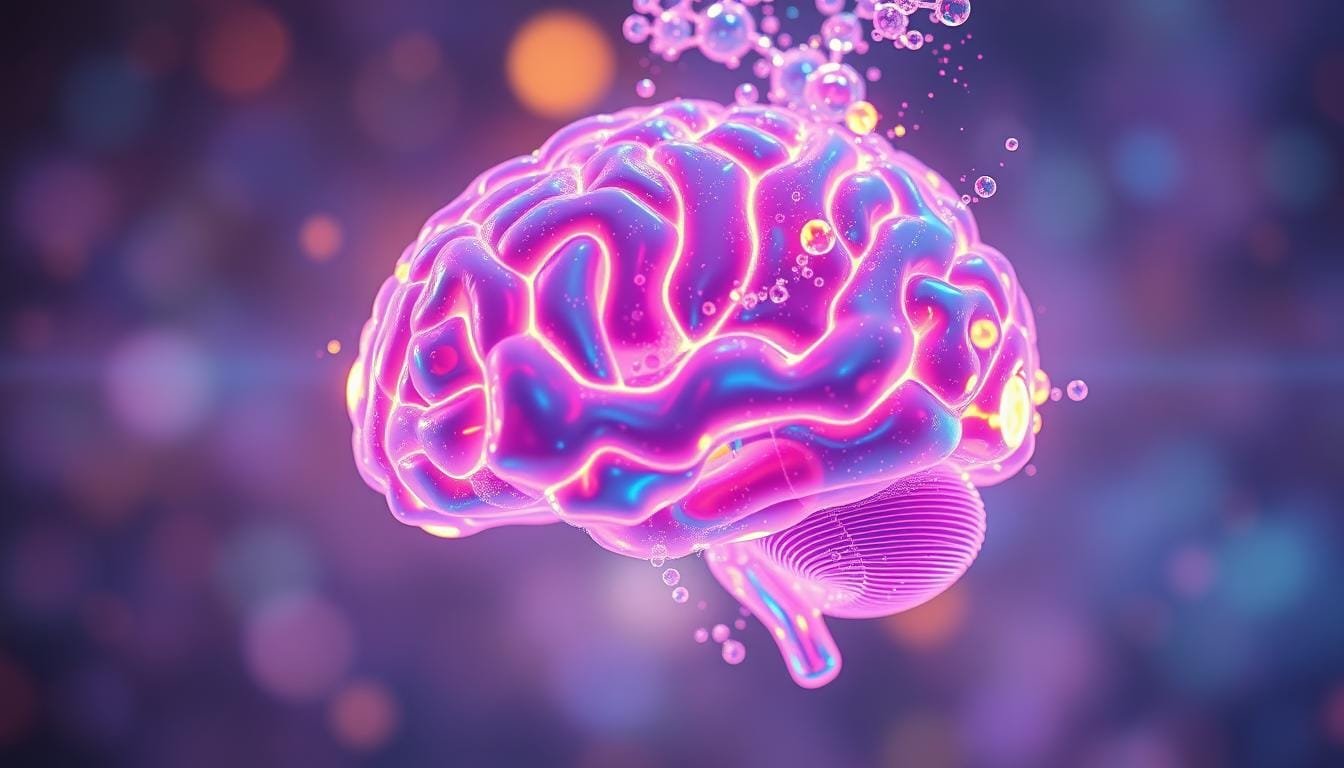
What does hydrogen water do to your brain?
By targeting specific reactive molecules, a dissolved gas shows promise for easing neuron stress in animal models.
From free radicals to function: the antioxidant angle
Oxidative stress can damage lipids, DNA, and proteins in neurons. That damage may lower attention, slow thinking, and reduce mental stamina.
Molecular hydrogen appears to neutralize select radicals without blocking normal oxygen signaling. In rodent work, this selective action cut markers like 8-oxoG and 4-HNE linked to neuronal vulnerability.
Inflammation, stress responses, and potential brain benefits
Inflammation often follows oxidative bursts and can worsen mood and resilience under stress. Early studies show reduced cytokine signals after exposure in animal models.
These combined antioxidant and anti-inflammatory effects may support cleaner neuronal signaling. That can help with attention and a small lift in mental clarity for some people.
“Preclinical results show improved anxiety-like behaviors and lower markers tied to neuronal damage.”
- Supports redox balance and less oxidative damage.
- May dampen inflammatory cascades that affect mood and stress handling.
- Observed benefits in animals include improved anxiety-like behavior and lower oxidation markers.
| Measured outcome | Preclinical result | Potential human implication |
|---|---|---|
| 8-oxoG (DNA oxidation) | Reduced levels in PD model mice | May protect neuronal integrity over time |
| 4-HNE (lipid oxidation) | Lowered after intake in animal studies | Could support membrane function and signaling |
| Inflammatory cytokines | Decreased expression in rodent brains | May improve mood resilience and stress response |
| Behavioral signs | Less anxiety-like activity in animals | Possible subtle gains in calm and focus |
Expect supportive, not curative, effects. Individuals may notice subtle gains in daily mental energy or stress coping after consistent use over weeks.
For those in Malaysia seeking product or dosing details, a helpful resource is this Wellness Concept guide, which covers options and practical use.
How molecular hydrogen may work in the brain
Researchers are mapping how a tiny, mobile gas may protect nerve cells and preserve mental signaling.
Selective antioxidant actions and oxidative stress buffering
Molecular hydrogen appears to target highly reactive radicals while leaving useful oxygen signaling intact. In Parkinson’s disease models, intake lowered markers of DNA oxidation (8-oxoG) and lipid peroxidation (4-HNE).
That pattern suggests a nuanced antioxidant role rather than blanket suppression of all reactive species. Unchanged superoxide markers in some studies support this selective action.
Evidence from VPA-exposed mouse offspring shows reduced IL-6 and TNF-α after treatment. Lower cytokine signals may ease neuroinflammation and help maintain clearer neural communication.
Cellular targets: lipids, DNA damage, and neuronal survival
Oxidative stress harms membranes and mitochondrial production, which impairs synaptic function and energy output. By reducing 8-oxoG and 4-HNE, molecular hydrogen may preserve membrane integrity and DNA stability, supporting cell survival.
Its small, hydrophobic nature helps diffusion across the blood-brain barrier, so delivery to affected tissue is plausible.
“These mechanisms point to supportive neuroprotection, but human trials are needed to confirm meaningful cognitive effects.”
- Selective antioxidant buffering of harmful radicals.
- Lowered cytokines linked to brain inflammation.
- Protection of lipids and DNA, which supports neuronal function.
Crossing the blood-brain barrier: can hydrogen really get there?
Entry into protected brain tissue is a key test for any proposed neuroprotective agent. Because it is so small and nonpolar, molecular hydrogen slips into regions that block many larger compounds.
Permeability advantages of molecular H2
molecular hydrogen is tiny, neutral, and mildly hydrophobic. Those traits let the gas diffuse across cell membranes and the blood-brain barrier with little resistance.
Implications for hard-to-reach regions and function
Entry into deep brain areas makes effects on cognition, mood, and motor control biologically plausible. Oral hydrogen water can raise systemic H2 levels, and diffusion lets some of that reach neurons and organelles.
Practical note: inhaled hydrogen gas and dissolved H2 in water both increase blood levels. Concentration in water, timing of intake, and how long H2 stays in the body influence the amount that crosses the barrier.
“Barrier crossing is an enabling step, not proof of benefit; downstream biology determines real functional change.”
- BBB penetration supports further clinical study.
- Consistent intake patterns likely matter for sustained exposure.
Evidence snapshot: present research and results
Evidence today mixes strong preclinical signals with tentative human findings.
Rodent models: neuroprotection and behavior
Animal work shows clear neuroprotective signals. In mice, low concentrations (~0.08 ppm) reduced 8-oxoG and 4-HNE, markers tied to oxidative stress and cellular damage.
Studies also reported preserved dopaminergic neurons in Parkinson’s models and fewer anxiety-like behaviors. In VPA-exposed offspring, consumption lowered IL-6 and TNF-α, suggesting reduced inflammation.
Human findings to date
Clinical data remain small but interesting. A trial during radiation therapy reported better quality-of-life scores with hydrogen water use. Athletic studies show mixed results for endurance and fatigue, with some positive and some null outcomes.
Key limitations and interpretation
Most studies are short and include few participants. Time frames and sample sizes limit confidence about lasting benefits across diseases and populations.
“Current results are directional — useful for planning further study, not for treatment claims.”
- Rodent studies: improved cognition, social interaction, and lower oxidative damage.
- Protective effects in PD models at low concentration levels.
- Human signals: better quality of life in one small trial; mixed exercise results.
- Conclusion: promising markers, but larger, longer trials are needed.
| Outcome | Preclinical result | Human signal |
|---|---|---|
| Oxidative markers (8-oxoG, 4-HNE) | Reduced in rodent brains | Marker shifts not yet confirmed in large trials |
| Inflammation (IL-6, TNF-α) | Lowered after consumption in animal models | Small studies suggest possible reduction in some conditions |
| Functional outcomes | Less anxiety-like behavior; preserved neurons in PD models | Quality-of-life gains in radiation patients; mixed exercise results |
Practical note: readers in Malaysia may consider short, consistent consumption trials while tracking sleep, focus, and recovery. Safety data so far are reassuring, but clinical advice is wise for those with medical conditions.
Neuroprotection insights: oxidative stress, radicals, and neuronal damage
Evidence from rodent work highlights reduced molecular signs of membrane and DNA harm after treatment.
Markers like 4‑HNE and 8‑oxoG: what changes with hydrogen water
4‑HNE tracks lipid peroxidation, while 8‑oxoG marks mitochondrial DNA oxidation. Both rise when oxidative stress harms nerve cells.
In Parkinson’s models, regular intake lowered these markers. That shift aligned with preserved neuron structure and fewer signs of decline.
Importantly, not every radical signal fell. Superoxide measures sometimes stayed unchanged, which suggests a selective antioxidant role rather than broad suppression.
Mitochondria, energy production, and neuron integrity
Better redox balance in mitochondria supports energy production and synaptic function. Healthier mitochondria mean steadier ATP output and improved resilience under stress.
Reduced marker load may slow cumulative damage and help neurons keep working longer. These changes were observed with realistic consumption patterns in animals, not extreme doses.
“Marker reductions point to preserved neuronal integrity, but human trials are needed before clinical claims.”
- 4‑HNE and 8‑oxoG show lipid and DNA damage under oxidative stress.
- Rodent studies using hydrogen water reported lower levels and preserved neurons.
- Selective action on radicals keeps useful oxygen signaling intact while lowering harmful reactions.
- Improved mitochondrial balance may support energy and function under daily stress.
Bottom line: marker improvements in animals are promising as a tool for supporting neuron integrity during oxidative stress, yet human validation remains essential.
Hydrogen water and mood, stress, and mental health
Daily mood and stress levels can shift with small changes in inflammation and redox balance. Chronic tension often raises low‑grade inflammation that links to fatigue, sleep trouble, and low mood.
Anxiety, recovery, and inflammation markers
Preclinical results show reduced anxiety-like behavior and better social interaction in VPA-exposed mice after regular intake. Labs also reported lower IL-6 and TNF-α, markers tied to mood and recovery.
Human studies are smaller. One trial in panic disorder found lower inflammatory markers with hydrogen water even when symptom scales changed little.
Chronic stress exposure and potential resilience mechanisms
Improved redox balance may ease harmful signaling and support plasticity pathways. That could help perceived calm, faster bounce-back after pressure, and steadier sleep.
“Marker shifts suggest biological effects, but clinical impact varies and takes time.”
- Effects on inflammation may precede obvious symptom change.
- Recovery is multidimensional: mood, sleep, and stress reactivity all matter.
- Not a replacement for standard mental health treatment; use as a complementary approach.
Try a short, consistent trial while tracking mood, sleep, and recovery. Those living with diagnosed disorders should consult a clinician before adding this option.
Parkinson’s disease models: what animal studies reveal
MPTP-treated mice create a repeatable model of dopaminergic loss used to test protective approaches before human research.
Dopaminergic neuron loss and protective effects
In MPTP models, drinking hydrogen water lowered neuron loss in the substantia nigra pars compacta. Labs reported reduced accumulation of 4‑HNE and 8‑oxoG, markers of lipid and DNA damage.
The reduced marker load aligned with preserved cell structure in areas essential for motor function. These outcomes suggest a protective effect against oxidative injury in this disease model.
Dose and concentration ranges tied to outcomes
Notably, protective signals appeared even at low concentration levels. Studies found benefits near ~0.08 ppm and at higher, near‑saturated levels (~1.5 ppm.
That range implies practical targets for product selection and routine use, while highlighting the importance of concentration stability for real results.
Behavioral changes and endurance under chronic exposure
Behavioral tests such as open‑field ambulation showed modest improvement in chronically exposed groups that received hydrogen water. Endurance and activity rose in several measures, though not every test reached significance.
Benefits emerged when intake began before or after MPTP exposure. This flexibility suggests potential utility for both prevention-style and recovery-style routines.
“Preclinical results are promising but remain a foundation for clinical trials rather than clinical recommendations.”
- Models mimic Parkinson-like dopaminergic loss for controlled testing.
- Marked reductions in oxidative markers support neuroprotection hypotheses.
- Even low ppm concentrations produced measurable effects.
- Behavioral gains were modest and mixed across tests.
- BBB permeability supports delivery to vulnerable pathways.
| Measure | Preclinical result | Implication |
|---|---|---|
| Dopaminergic neuron count | Less loss in substantia nigra | Preserved motor-related function |
| Oxidative markers (4‑HNE, 8‑oxoG) | Marked reduction | Lower lipid/DNA damage |
| Concentration range | ~0.08 ppm to ~1.5 ppm | Practical dosing targets; stability matters |
| Behavioral tests | Improved ambulation, mixed significance | Possible modest functional gains |
Bottom line: these studies frame a plausible mechanism where molecular hydrogen reaches vulnerable regions across the blood‑brain barrier and reduces stress‑related damage. The results are preclinical; clinical trials are needed to confirm benefit in people with Parkinson’s and related disorders.
From exercise to recovery: inflammation, fatigue, and performance
After hard training, a cascade of oxidative production and immune signals can prolong soreness and lower next-session power.
Intense exercise raises oxidant load in muscle and triggers cytokine release. That response fuels perceived fatigue, delayed onset muscle soreness, and slower recovery.
Human trials are mixed. Some report better endurance and less fatigue with hydrogen water use, while others find minimal change. Results vary by sport, protocol, and participant fitness.
The proposed mechanism is simple: antioxidant buffering after exertion may lower inflammatory signals and protect cell structures. That can speed subjective recovery for some athletes.
- Use as a complement to hydration, sleep, and nutrition.
- Try steady consumption around training blocks to judge real benefits.
- Time intake carefully; excess antioxidants may blunt training adaptations.
- Track fatigue, DOMS, and session RPE to assess personal response.
“Benefits are often incremental; a weeks-long trial with consistent habits helps reveal real change.”
| Aspect | Evidence | Practical takeaway |
|---|---|---|
| Fatigue & endurance | Mixed human findings; some gains reported | Test during specific training blocks and track outcomes |
| Mechanism | Reduced oxidative and inflammatory markers in studies | May support cellular resilience after sessions |
| Use guidance | Complementary approach, not a replacement | Keep core hydration and nutrition; evaluate over weeks |
How to get hydrogen into water: methods, levels, and timing
Different delivery methods change how much dissolved gas reaches tissues and how long it stays in solution.
Bottles, home systems, and tablets
Ready-to-drink bottles offer convenience and a labeled content claim. Countertop generators infuse gas on demand for repeated use. Effervescent tablets release hydrogen gas when dropped into plain water, creating a quick solution.
Concentration targets and stability
Concentration is reported in ppm. Preclinical signals appeared near ~0.08 ppm and up to ~1.5 ppm in models. Dissolved content often halves in roughly two hours and may dissipate by about eight hours, so consume soon after opening or preparation.
When to drink: timing and consistency
Some studies used intake on an empty stomach to possibly improve tissue exposure. Daily, regular consumption beats sporadic use for steady exposure. Choose containers designed to limit gas escape and confirm claimed ppm from vendors or device specs.
“Plan intake around moments when cognitive or recovery support matters and track how one feels.”
- Prefer validated devices or tablets for predictable production.
- Keep serving sizes reasonable and integrate into normal hydration habits.
- Monitor personal response and adjust timing for convenience and effect.
Safety, side effects, and who should be cautious
Experts see no unique harms at typical servings, but safe use means watching total fluid and electrolyte balance.
Routine consumption appears safe. Current literature has not identified specific side effects tied solely to hydrogen water. People who try it report no special adverse events when intake stays within normal hydration limits.
Still, excessive drinking can dilute blood sodium. In extreme cases, low sodium levels—hyponatremia—can harm the body and require urgent care.
Hydration, hyponatremia risk, and sensible consumption
Athletes and heavy sweaters should balance fluids with electrolytes during long or hot sessions. Plain increases in consumption without salts can raise hyponatremia risk in endurance settings.
People with kidney, heart, or endocrine conditions, pregnant or nursing persons, and those on fluid-restricting medicines should consult a clinician before changing routines. Introduce the drink gradually and note any personal reactions.
“Use this option as a complement to sleep, nutrition, and stress care—not as a replacement.”
- Choose reputable brands and filtered sources when local tap quality is a concern.
- Fit intake to daily needs; avoid targeted overdrinking for assumed extra benefit.
- Seek medical advice if managing chronic conditions or pregnancy.
| Concern | What literature shows | Practical advice (Malaysia) |
|---|---|---|
| Unique side effects | No specific harms reported at typical levels | Try moderate servings and monitor response |
| Hyponatremia | Risk from excess total fluid, not product-specific | Use electrolytes during long, hot activity; avoid overhydration |
| Water source quality | Contaminants depend on local supply | Choose filtered or verified bottled options |
| Clinical caution | Underlying conditions may alter fluid needs | Consult a clinician for tailored guidance |
Hydrogen water vs. staying well hydrated with regular water
Staying well hydrated delivers big physiological wins, and added dissolved gas may only supply subtle extras.
Basic hydration supports circulation, temperature control, and daily thinking. Drinking enough plain fluids helps concentration, mood, and recovery after activity.
Added gas effects may offer extra redox and inflammation support beyond baseline hydration, though expert views are mixed. Early studies are small and report variable results, so benefits remain tentative.
“Prioritize consistent hydration first; specialty drinks can be layered in for possible incremental gains.”
- Keep core fluid intake steady for wide-ranging health benefits.
- Try a partial swap: use specialty bottles for one serving daily to assess changes.
- Consider costs — basic water gives strong value if budgets are tight.
| Aspect | Regular drinking | Specialty drink |
|---|---|---|
| Cognitive support | Proven with good hydration | Possible small boost in some trials |
| Inflammation markers | Indirect benefit via recovery | May lower specific markers in early studies |
| Cost-effectiveness | High value | Higher cost, unknown long-term gain |
| Practical advice | Make habits simple and sustainable | Test a short trial and track results |
For readers in Malaysia who want practical guidance, this Wellness Concept article outlines options, dosing, and trial ideas. An informed mix, not an either-or decision, fits most lifestyles.
What the science doesn’t yet know: gaps and ongoing research
Large, longer trials are still missing, leaving gaps in clinical certainty and guidance.
Current research is rich in short, small studies and solid animal work. Human data are mixed and limited. That leaves uncertainty about who benefits and by how much.
Key unknowns include optimal concentration and timing of exposure for cognitive outcomes. Trials that test dose‑response, stability, and real‑world adherence are needed. The plausible mechanisms—selective antioxidant and anti‑inflammatory action—require clearer clinical translation.
“Early signals are hopeful, but definitive treatment claims remain premature.”
- Need large, longer human trials with standard cognitive testing.
- Compare this option head‑to‑head with other wellness strategies.
- Study diverse diseases where oxidative stress and inflammation drive damage.
- Report dose, concentration, and timing clearly to allow replication.
| Gap | Why it matters | Next step |
|---|---|---|
| Long-term outcomes | Short studies cannot show lasting benefit | Multi‑year randomized trials |
| Dosing & stability | Unclear optimal concentration and exposure | Controlled dose‑response studies |
| Standardized endpoints | Memory and executive tests vary across studies | Harmonize tests and biomarkers |
| Comparative effectiveness | Unknown additive value vs. other tools | Head‑to‑head real‑world trials |
Bottom line: this remains a promising solution under active research. Transparent reporting and replication will decide whether early results become reliable clinical guidance for Malaysia and beyond.
Buying and using hydrogen water in Malaysia
Choose an option that fits daily life, budget, and how often one will use it.
Shoppers can pick ready-to-drink bottles for quick use, countertop generators for steady supply, or magnesium-based tablets for travel-friendly flexibility. Each method yields different concentration and content stability; claims should list ppm and storage tips.
Practical checks: prefer sealed containers, devices with verification, and clear user instructions on timing and storage. Dissolved gas often drops over hours, so consume soon after opening or preparation for best exposure.
- Start with moderate concentration targets in the preclinical range (~0.08–1.5 ppm).
- Integrate one serving into daily hydration rather than occasional use.
- Adjust timing for Malaysia’s heat and activity patterns to support recovery and focus.
- Buy from reputable sellers with transparent quality controls and testing data.
“Try a 4–8 week personal trial, track sleep, focus, and recovery, and adapt product type or timing as needed.”
| Option | Strengths | Practical note |
|---|---|---|
| Ready bottles | Convenient, labelled content | Check sealed design and ppm proof; drink soon after opening |
| Countertop generators | Cost-effective long term, steady supply | Choose validated models and follow maintenance guides |
| Effervescent tablets | Portable, on-demand preparation | Use plain containers; consume quickly for best content |
For tailored comparisons and local product advice, contact Wellness Concept on WhatsApp at +60123822655. Business hours: Monday–Friday 9:30 am–6:30 pm; Saturday–Sunday 10 am–5 pm. They can match solutions to goals and budgets in Malaysia.
Talk to Wellness Concept for guidance and solutions
Local guidance helps people match concentration, container, and timing to Malaysia’s climate and activity patterns.

WhatsApp: +60123822655
Business hours: Mon–Fri 9:30 am–6:30 pm; Sat–Sun 10 am–5 pm
Personalized advice on options and usage
Wellness Concept gives direct access to a local team that understands product claims, ppm targets, and practical timing. They offer a clear solution for buyers who want a simple trial plan.
The team reviews bottled choices, tabletop generators, and tablet-based kits. They explain maintenance, expected costs, and how to integrate the drink into daily hydration without overcomplicating routines.
- Interpret ppm labels and container types for predictable exposure.
- Recommend schedules tied to work, sleep, and training in Malaysia.
- Help set measurable goals for focus, recovery, and stress resilience.
- Share tracking tips and check-ins over several weeks to tune use.
“Contact Wellness Concept on WhatsApp at +60123822655 for practical, person-centered support.”
Conclusion
A small, practical trial can help readers judge whether dissolved molecular gas adds real daily benefit.
,In short, lab models show reduced markers such as 4‑HNE and 8‑oxoG and lower IL‑6 and TNF‑α after intake, suggesting cellular protection and clearer neuronal signaling.
Human trials are mixed and small. Larger, longer studies are needed before firm claims about function and lasting benefit.
Practical steps: try steady daily intake, time servings for convenience, and track changes in clarity, stress resilience, and recovery over 4–8 weeks.
Keep safety simple: maintain normal hydration, avoid overdrinking, and consult a clinician if there are health concerns. Use this option as a complementary solution alongside sleep, nutrition, and exercise.
For tailored advice in Malaysia, contact Wellness Concept on WhatsApp at +60123822655 (Mon–Fri 9:30 am–6:30 pm; Sat–Sun 10 am–5 pm).
FAQ
What is molecular hydrogen and how is it different from regular drinking water?
Molecular hydrogen (H2) is a colorless, odorless gas that can be dissolved into water to create hydrogen-rich water. Unlike plain water, this solution contains dissolved H2 molecules that may act as selective antioxidants and signaling modulators in the body without changing basic hydration or electrolyte content.
Can dissolved H2 reach the brain across the blood-brain barrier?
Yes. Because H2 is very small and nonpolar, it diffuses across membranes easily, including the blood-brain barrier. Animal and human pharmacokinetic data show rapid tissue distribution after ingestion or inhalation, making it plausible for H2 to affect brain tissue directly.
How might H2 affect oxidative stress and free radicals in neural tissue?
Research suggests H2 selectively neutralizes the most harmful reactive oxygen species, such as hydroxyl radicals, while leaving useful signaling reactive species intact. That selective antioxidant action may reduce lipid peroxidation and DNA oxidation markers, supporting neuron integrity and function.
Is there evidence that hydrogen-rich water reduces inflammation in the brain?
Preclinical studies show H2 can downregulate pro-inflammatory cytokines and pathways in brain tissue, which could lower neuroinflammation. Human data are limited but indicate possible reductions in systemic inflammatory markers after regular use, warranting larger trials focused on central inflammation.
Could drinking hydrogen-rich water improve cognitive performance or mood?
Some small human studies and animal experiments report improved cognitive scores, faster recovery after stressors, or reduced anxiety-like behavior. Results are preliminary and inconsistent; any benefits appear modest and depend on dose, timing, and study design.
What does the research say about neuroprotection and disease models like Parkinson’s?
In rodent Parkinson’s models, H2 intake reduced dopaminergic neuron loss and improved motor behavior. These outcomes are promising but come from preclinical work; clinical trials in neurodegenerative disease remain sparse and inconclusive so far.
How much dissolved H2 is needed to see an effect, and how is concentration measured?
Studies report effective ranges typically from 0.5 to 1.6 parts per million (ppm) in drinking solutions, though some interventions use inhaled H2 at higher exposures. Stability matters—H2 escapes quickly from open containers—so timing and delivery method affect real exposure.
What are common ways to get H2 into water at home or commercially?
Options include bottled hydrogen-rich water from reputable brands, hydrogen-generating tablets, and home electrolysis or generator systems. Each method varies in initial concentration, convenience, and how long the gas remains dissolved.
Are there safety concerns or side effects from H2 consumption?
Molecular hydrogen is generally well tolerated with no serious adverse effects reported in trials to date. Standard hydration cautions apply—avoid excessive intake that risks electrolyte imbalance. People with significant medical conditions should consult a clinician before starting regular use.
Should someone replace regular hydration with hydrogen-rich solutions?
No. Staying properly hydrated with plain water remains essential. Hydrogen-rich options are an adjunct rather than a substitute; benefits, if any, add to but do not replace basic hydration, nutrition, or medical care.
How quickly does H2 act and how long do effects last?
H2 distributes rapidly after ingestion, with tissue levels rising within minutes. Physiological effects reported in studies vary in duration—from transient changes after a single dose to cumulative benefits with repeated consumption—so consistent use is often emphasized in research protocols.
What are the main limitations of current human research on H2 and brain health?
Human trials are generally small, short, and heterogeneous in methods and outcomes. Many lack rigorous controls or standardized dosing, so evidence strength is low-to-moderate. Larger, longer, and well-designed randomized trials are needed to confirm efficacy for cognitive or neuroprotective claims.
Can hydrogen-rich water help with exercise recovery and mental fatigue?
Some studies find reduced muscle fatigue markers and faster recovery after strenuous exercise, and a few report improved subjective mental fatigue. Effects appear modest and depend on timing and concentration; results are stronger in controlled athletic or laboratory settings than in general populations.
Where can someone seek guidance on using hydrogen-rich products safely?
Consumers should look for transparent brands, third-party testing, and clear concentration labels. For personalized advice—especially for people with chronic conditions—consult clinicians or wellness providers. In Malaysia, for example, Wellness Concept offers guidance via WhatsApp at +60123822655 during business hours.