
Currently Empty: RM0.00
0 Comments
Nearly two-thirds of adults fall short of recommended fiber intake—averaging just 15 g a day when 25–35 g is ideal. That gap affects blood sugar, cholesterol, and bowel regularity across Malaysia and beyond.
Wellness Concept welcomes people seeking clear answers about dietary choices. This short guide explains the main types and how each works in the body. It shows which foods deliver soluble and insoluble fiber and why a balanced diet matters for lasting health benefits.

The article frames fiber as more than a constipation fix. It highlights system-wide effects on the gut and blood markers, notes risks of too little or too much, and offers simple, practical tips to boost intake without complex tracking.
For quick help or product guidance, message WhatsApp +60123822655 during business hours: Mon–Fri 9:30 am–6:30 pm, Sat 10 am–5 pm. Sunday closed.
Key Takeaways
- Adults often get far less fiber than recommended; aim for 25–35 g/day.
- Soluble fiber helps lower LDL and steady glucose; insoluble aids regularity.
- A varied diet—fruits, veg, legumes, whole grains, nuts—provides both types.
- Balance matters: goals (cholesterol vs. constipation) guide which fibers to emphasize.
- Simple meal swaps make daily targets easier without strict tracking.
- Wellness Concept offers personalized guidance via WhatsApp during business hours.
Understanding Fiber: The Ultimate Guide to What It Is and How It Works
Fiber is a nondigestible carbohydrate found in plant foods that passes through the digestive system largely intact.
Some fibers dissolve in water to form gels that slow absorption and can lower blood glucose and cholesterol levels. Other fibers do not dissolve; they add bulk and help keep the bowel regular.
The National Academy of Medicine separates dietary fibers (naturally in grains, fruits, vegetables, legumes, nuts, and wheat) from functional fibers such as psyllium or inulin. Functional options help boost daily intake when whole foods fall short.
Adults should aim for about 25–35 g per day. Hydration matters because certain fibers need water to work comfortably in the body.
“A mixed, plant-forward diet gives the best coverage for blood markers, gut comfort, and long-term health.”
- Soluble: gel-forming, helps blood levels.
- Insoluble: adds bulk, supports regular bowel movements.
- Functional: targeted boosts in cereal, bars, or supplements.
| Feature | Soluble | Insoluble | Functional |
|---|---|---|---|
| Main action | Forms gel, slows absorption | Adds bulk, speeds transit | Specific health effects |
| Common sources | Oats, beans, fruit | Whole wheat, brown rice, skins | Psyllium, inulin |
| Key benefit | Lower blood cholesterol | Regular bowel habits | Targeted intake support |
For friendly, expert support about dietary basics or product selection, WhatsApp Wellness Concept at +60123822655 (Mon–Fri 9:30 am–6:30 pm, Sat 10 am–5 pm).
Soluble vs. Insoluble: The Two Main Types of Fiber Explained
Many plant foods carry two distinct types that support health in different ways. Dietary fiber occurs naturally in plants, while functional fiber is added to foods or supplements for targeted effects.
Soluble fibers — like pectins, gums, and beta-glucans — dissolve in water to form a gel. This slows digestion and glucose entry to the blood. That action helps stabilise blood sugar and can lower blood cholesterol by binding bile acids.
Insoluble fibers — such as cellulose and lignin — do not dissolve. They attract water into stool and increase bulk. This speeds intestinal transit and lowers the risk of constipation and related digestive complaints.
- Mix both: research shows most plant foods contain both types in varying ratios.
- Match foods to goals: oats and beans for glucose control; whole wheat and vegetable skins for regularity.
| Feature | Soluble | Insoluble |
|---|---|---|
| Action in gut | Forms gel, slows absorption | Adds bulk, speeds transit |
| Common foods | Oats, barley, apples, beans | Whole wheat, brown rice, leafy greens |
| Key benefit | Glucose & blood cholesterol control | Predictable bowel routine |
“A balanced intake of both types offers the best coverage for blood markers and digestion.”
Have questions about matching these types to your goals? Message Wellness Concept on WhatsApp at +60123822655.
Health Benefits That Matter: Blood Sugar, Blood Cholesterol, Gut, and Weight
Practical food choices can improve several key health markers at once. Eating more plant foods and whole grains supports steadier glucose and healthier blood cholesterol levels. Small changes add up over weeks and months.
Blood sugar and glucose control: Slower absorption for steadier levels
Soluble fibres slow digestion so sugar enters the bloodstream more gradually. This helps reduce spikes that matter for diabetes prevention and management.
Blood cholesterol and heart health: LDL-lowering effects from beta-glucans and gums
Beta-glucans in oats and barley have consistent evidence for lowering LDL and improving blood cholesterol profiles. That effect can lower long-term heart disease risk.
Digestive system balance: Constipation relief, diarrhea regulation, and colon health
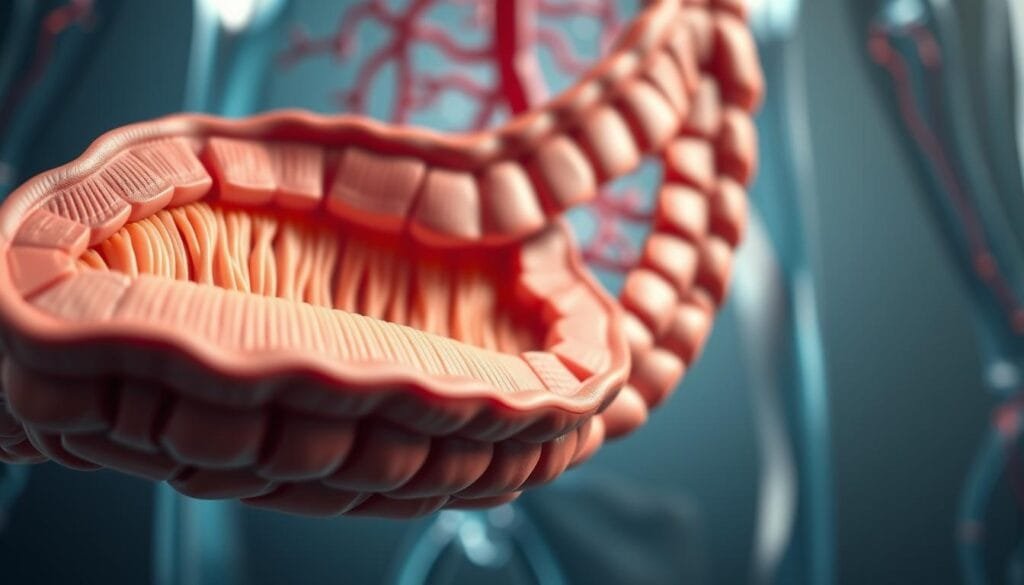
Insoluble fibres add bulk and ease straining, while soluble types can help firm loose stools. Fermentable fibres feed the gut microbiota, producing short-chain fatty acids that support the colon lining.
Weight management: Satiation, calorie displacement, and long-term benefits
Higher-fiber meals usually fill the stomach on fewer calories. Over time, that supports weight control without extreme dieting and reduces disease risk linked to excess weight.
“Research links adequate dietary fiber with lower rates of heart disease, type 2 diabetes, and improved digestive health.”
| Target | Key foods | Benefit |
|---|---|---|
| Glucose control | Oats, beans | Slower sugar absorption |
| Cholesterol | Barley, oats | LDL reduction |
| Bowel routine | Whole grains, vegetables | Regularity, less straining |
For personalised strategies to improve cholesterol or glucose markers, message Wellness Concept on WhatsApp at +60123822655. Learn more about daily fiber targets to match these goals.
What type of fiber is most beneficial
Different goals call for different priorities when selecting dietary fiber sources. Below is a practical guide to match choices with needs while keeping daily diet diverse and manageable.
Goal-based guidance
For blood sugar or cholesterol control: favour soluble-rich foods like oats, barley, beans and pectin-containing fruit. These help steady glucose and lower LDL levels over time.
For constipation and regularity: choose insoluble-forward foods such as whole wheat, brown rice, vegetables and edible skins. They add bulk and speed transit.
A smart, balanced approach
- Most plant foods provide both forms, so a varied diet covers multiple needs.
- Include a fiber source at each meal and snack to raise intake gradually.
- Consider products like psyllium for targeted LDL support or stool bulking when needed.
- Drink water, monitor gut comfort, and adjust based on symptoms and lab results.
“A balanced mix gives the broadest protection for blood markers, bowel routine, and long-term health.”
Need help matching choices to goals? Chat with Wellness Concept on WhatsApp +60123822655 (Mon–Fri 9:30 am–6:30 pm; Sat 10 am–5 pm).
Top Food Sources: Fruits, Vegetables, Whole Grains, Nuts, Legumes, and More
Stock the pantry with a range of plant foods to cover both soluble and insoluble needs. This makes steady dietary progress easy and realistic for daily life in Malaysia.
Soluble-rich picks
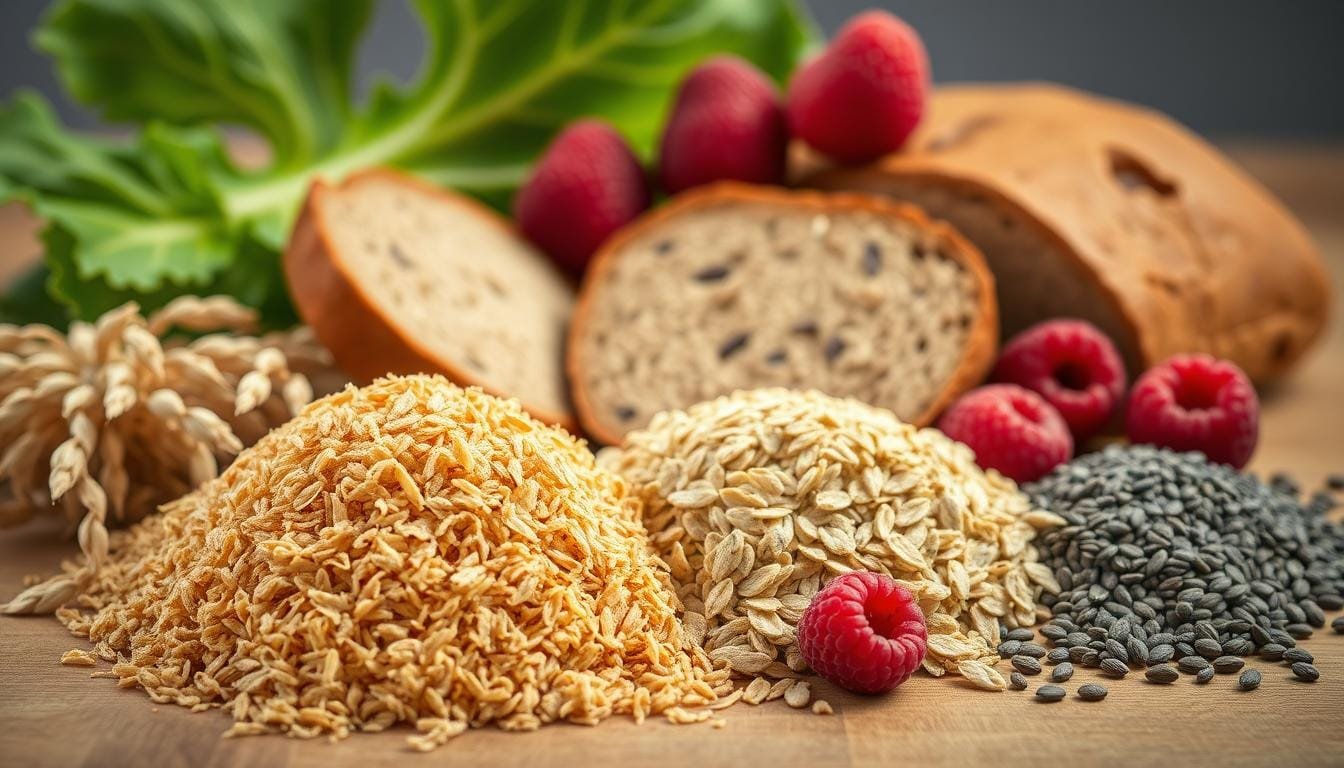
Oats, barley, beans, chickpeas, apples, citrus, berries, and carrots are excellent for slowing absorption and helping cholesterol control.
Insoluble-rich picks
Whole wheat bread, wheat bran, brown rice, leafy greens, nuts, and edible skins add bulk and support regular bowel habits.
Prebiotic powerhouses
Garlic, onions, leeks, asparagus, Jerusalem artichokes, and dandelion greens feed beneficial gut microbes and boost overall gut health.
Smart swaps for Malaysia
Choose brown rice over white, whole wheat bread instead of white, and high-fiber cereal at breakfast to raise intake. Read labels for added inulin or chicory root, but favour whole food content to lower risk of overdoing isolated ingredients.
| Category | Key examples | Main benefit |
|---|---|---|
| Soluble sources | Oats, barley, beans, apples | Glucose & cholesterol support |
| Insoluble sources | Whole wheat bread, brown rice, nuts, skins | Bowel regularity |
| Prebiotics | Garlic, onions, leeks, asparagus | Feeds gut microbiota |
For Malaysia-friendly product picks or swap ideas, message Wellness Concept at +60123822655 during business hours.
How Much Fiber Should People Eat Today?
Small, consistent changes to meals and snacks make meeting fiber goals realistic for busy people.
Daily intake targets: Most adults benefit from an intake of about 25–35 grams per day, coming mainly from plant foods such as fruits, vegetables, legumes, whole grains and cereal.
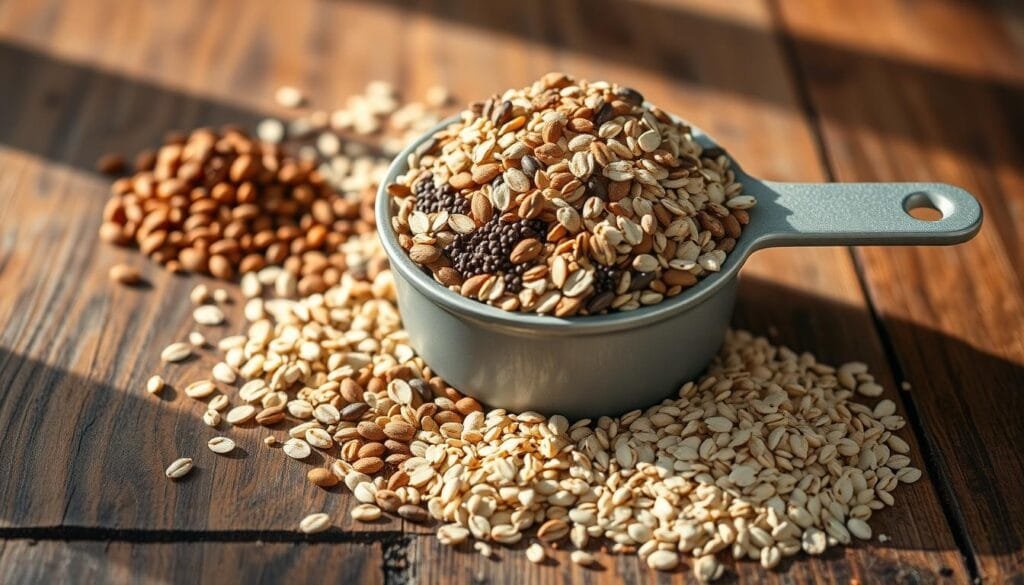
Daily intake targets: Aim for roughly 25–35 grams from plant foods
Practical benchmarks help build totals: one slice of whole wheat bread is ~2 g, a half cup of raw oatmeal gives ~4 g, and a cup of boiled black beans provides ~15 g. These examples make reaching levels simple without strict counting.
Hydration and habit: Increase gradually and drink enough water
Because the digestive system adapts over time, increase intake slowly to lower chance of gas or bloating. Drinking extra water helps fiber move comfortably through the gut.
“Include a fiber source at each meal and snack to hit daily goals consistently.”
For a customized daily target and product suggestions, reach Wellness Concept via WhatsApp +60123822655 (Mon–Fri 9:30 am–6:30 pm; Sat 10 am–5 pm).
Malaysia-Friendly Fiber Day: Simple Meal Ideas for Better Digestion
Simple, local meal swaps can lift daily fiber intake while keeping flavors familiar in Malaysian kitchens. A balanced day uses whole foods to support the gut and steady blood markers without complex cooking.
Breakfast
Oatmeal with chia and mixed fruit starts the day with slow-release carbs and soluble fiber.
Or try whole grain bread with peanut butter and sliced fruit for quick, portable energy.
Lunch
A brown rice bowl topped with beans, leafy vegetables, and colorful vegetables makes a filling meal.
Season with garlic and onions for prebiotic benefit and extra flavor.
Dinner and snacks
Barley soup with carrots and greens or a vegetable stir-fry over brown rice keeps meals varied.
Snack on nuts, fruit with edible skins, or a small portion of high-fiber cereal between meals.
- Local swaps: choose brown rice, whole wheat bread, and seasonal fruits and legumes to cut cost and boost intake.
- Why it helps: steady meals support the body’s fullness cues and healthy weight goals while lowering long-term disease risk.
“Small, consistent changes make meeting daily targets realistic and sustainable.”
For Malaysia-friendly product ideas or substitutions, WhatsApp Wellness Concept at +60123822655 (Mon–Fri 9:30 am–6:30 pm; Sat 10 am–5 pm).
| Meal | Key items | Benefit |
|---|---|---|
| Breakfast | Oats, fruit, whole grain bread | Steady energy, soluble fiber |
| Lunch | Brown rice, beans, leafy greens | Bulk, prebiotics, satiety |
| Snacks | Nuts, fruit skins, high-fiber cereal | Quick fiber boost |
Fiber Supplements: When Food Isn’t Enough
Supplements can fill gaps when whole foods do not meet daily dietary needs. They are most useful for people who struggle to reach 25–35 g per day or who have specific goals for cholesterol or bowel routine.
Psyllium for stool bulking and LDL support
Psyllium is a soluble, viscous option that bulks and softens stool. Research shows psyllium can also help lower blood cholesterol and support predictable bowel habits.
Inulin and resistant starch: Prebiotic effects and glucose benefits
Inulin and resistant starch feed beneficial microbes in the gut and may help improve blood sugar and glucose responses. High intakes of inulin (around 30 g) can increase inflammation in some people, so caution is needed.
Practical tips: Start low, go slow, and consult a professional
Begin with small doses and raise intake gradually. Drink extra water to reduce gas and bloating. Read labels to check content and sources; wheat dextrin behaves differently than psyllium.
“Targeted supplements can complement whole foods, but whole foods should remain the foundation.”
| Supplement | Main action | When to consider |
|---|---|---|
| Psyllium | Soluble, viscous, bulks stool; may lower LDL | Constipation, raising soluble intake, cholesterol support |
| Inulin | Prebiotic, ferments to feed microbes | Boost prebiotic content; care with high doses |
| Resistant starch | Prebiotic, may aid glucose control | Improve glucose responses, support gut health |
| Wheat dextrin / methylcellulose | Bulking or soluble-like effects; variable fermentability | When mild, tolerable supplements are preferred |
Notes on risk: Some people get gas, bloating, or discomfort. Anyone with disease or on medication should consult a professional before adding supplements.
For supplement selection and dosing suited to your goals, message Wellness Concept on WhatsApp +60123822655 during business hours.
Special Considerations and Risks: When Fiber Needs Adjusting
Not every person tolerates the same foods; tailoring intake keeps digestion steady. Too rapid an increase can cause gas, bloating, or cramping and, rarely, obstruction in people with strictures. Practical care helps reduce that risk and keeps the bowel comfortable.
IBS and IBD flares: Tolerability and gradual reintroduction
During active IBD or an IBS flare, many clinicians suggest limiting insoluble strands to ease symptoms. When stable, add dietary fibre back slowly and track responses. This stepwise approach helps identify which foods each person tolerates.
Diverticulitis myths: Why nuts and seeds aren’t the enemy
Old advice to avoid nuts and seeds lacks supportive research. Large cohort studies link higher nut intake with lower diverticulitis risk. Whole grains, fruits, and vegetables still protect the colon and lower disease risk overall.
Gas, bloating, and cramping: Troubleshooting intake and fiber types
If discomfort appears, reduce intake briefly and reintroduce more gently. Spread sources across meals, drink extra water, and try gentler options like oats or cooked vegetables. People with prior obstruction or strictures should seek medical advice before raising intake.
“If symptoms worry you, chat with Wellness Concept on WhatsApp +60123822655 for friendly guidance.”
| Concern | Practical step | When to seek help |
|---|---|---|
| Gas & bloating | Slow increase; space servings; hydrate | Persistent discomfort >2 weeks |
| IBS/IBD flare | Favor low-residue or soluble options; reintroduce later | Severe pain or bleeding |
| Diverticulitis risk | Keep whole foods, include nuts/seeds if tolerated | Recurrent diverticulitis episodes |
Conclusion
A balanced mix of plant foods gives the widest health gains for everyday life. Aiming for about 25–35 g per day from whole-food sources supports the gut, helps blood markers like cholesterol and glucose, and aids weight management.
Include oats, barley, fruits, vegetables with skins, legumes, beans, wheat products, nuts and high-fiber cereal across meals. Whole foods deliver extra nutrients while supplements such as psyllium can fill gaps without replacing a food-first diet.
Increase intake slowly, drink enough water, and watch how the system responds to avoid discomfort. For a simple, personalised plan or product guidance, contact Wellness Concept on WhatsApp +60123822655 (Mon–Fri 9:30 am–6:30 pm; Sat 10 am–5 pm; Sun Closed).
FAQ
What kinds of fiber support stable blood sugar and diabetes management?
Soluble fibers such as beta-glucans from oats, gums from barley, and pectins in apples slow glucose absorption. They form a gel in the gut that blunts post-meal spikes. People with diabetes often benefit from adding oats, beans, and legumes while watching portion sizes and pairing them with protein and healthy fats for steadier glucose control.
How does fiber affect blood cholesterol and heart health?
Certain soluble fibers bind bile acids and cholesterol in the intestine, lowering LDL levels. Barley, oats, psyllium, and some legumes deliver these effects. Regular intake—about 3 grams of beta-glucan daily from oats or barley—can contribute to meaningful LDL reductions as part of a heart-healthy dietary pattern.
Which fibers help with constipation and bowel regularity?
Insoluble fibers add bulk and speed intestinal transit, easing constipation. Wheat bran, whole grain breads, brown rice, and many vegetables provide this benefit. Combining insoluble with bulking soluble fibers like psyllium improves stool consistency and regularity for most people.
Is one kind of fiber best for overall health?
No single fiber rules all. The smartest approach mixes soluble and insoluble fibers daily. Soluble supports glucose and cholesterol control and feeds gut microbes. Insoluble aids transit and prevents constipation. A varied plant-rich diet yields the broadest health gains.
What are top food sources for getting a balance of fibers?
Oats, barley, beans, lentils, chickpeas, apples, carrots, whole wheat bread, wheat bran, brown rice, leafy greens, nuts, and seeds cover both types. Prebiotic-rich foods—garlic, onions, leeks, asparagus, and Jerusalem artichokes—boost beneficial gut bacteria. Simple swaps, like choosing brown rice and whole-grain cereal over white rice and refined bread, raise intake quickly.
How much fiber should an adult aim to eat each day?
A practical target is roughly 25–35 grams daily from whole plant foods. Intake should rise gradually to avoid gas and bloating, and water intake must increase alongside fiber to ease passage through the digestive tract.
Can fiber help with weight management?
Yes. High-fiber foods increase satiety, slow digestion, and often have lower calorie density. They help people feel full longer, reduce overall calorie intake, and can displace refined carbs and added sugars—useful strategies for sustainable weight control.
Are fiber supplements necessary or helpful?
Supplements like psyllium, inulin, or resistant starch can fill gaps. Psyllium helps stool bulking and LDL lowering; inulin and resistant starch act as prebiotics. Start with low doses, increase slowly, and consult a healthcare professional if taking medications or treating a condition.
What should people with IBS or IBD know about fiber?
Tolerability varies. During flares, low-residue or individualized fiber plans may be needed. Outside flares, some soluble fibers and certain prebiotics can help, while insoluble fibers may irritate symptoms for some. Work with a gastroenterologist or dietitian to tailor intake.
Do nuts and seeds cause diverticulitis flares?
Past advice to avoid nuts and seeds has been revised. Evidence does not support a link between these foods and diverticulitis attacks for most people. Nuts, seeds, and legumes remain nutritious fiber sources unless a clinician recommends otherwise.
How can someone in Malaysia boost fiber without major diet changes?
Simple swaps help: choose brown rice or mixed-grain rice, pick whole wheat bread, add oats or high-fiber cereal at breakfast, include beans or tempeh at lunch, and snack on fruit with edible skins and a handful of nuts. Local vegetables and legumes fit well into everyday meals.
What are signs someone is increasing fiber too fast?
Excessive gas, bloating, cramping, or diarrhea may follow a rapid rise in fiber. The remedy is to slow the increase, drink more water, and spread fiber across meals. If symptoms persist, seek medical advice to rule out other causes.
Which fibers act as prebiotics and why do they matter?
Inulin, fructooligosaccharides, resistant starches, and some oligosaccharides feed beneficial gut bacteria. Foods like garlic, onions, leeks, asparagus, chicory root, and cooked-then-cooled potatoes and rice provide these compounds. They support gut health, immune function, and production of short-chain fatty acids.
Are whole grains better than refined grains for cholesterol and blood sugar?
Yes. Whole grains keep their bran and germ, supplying soluble and insoluble fibers, vitamins, minerals, and phytochemicals. They slow glucose absorption and improve lipid profiles more than refined grains. Choices like oats, barley, and whole wheat bread offer measurable benefits.
Can increased fiber cause nutrient interactions or risks?
Extremely high fiber intakes may reduce absorption of minerals like iron and zinc in susceptible individuals, especially when combined with low overall calorie intake. Most people meet fiber goals through varied diets without problems. Those with specific concerns should consult a dietitian.